


UPDATE: High bacteria count advisory canceled at Kolekole Gulch in East Hawai‘i
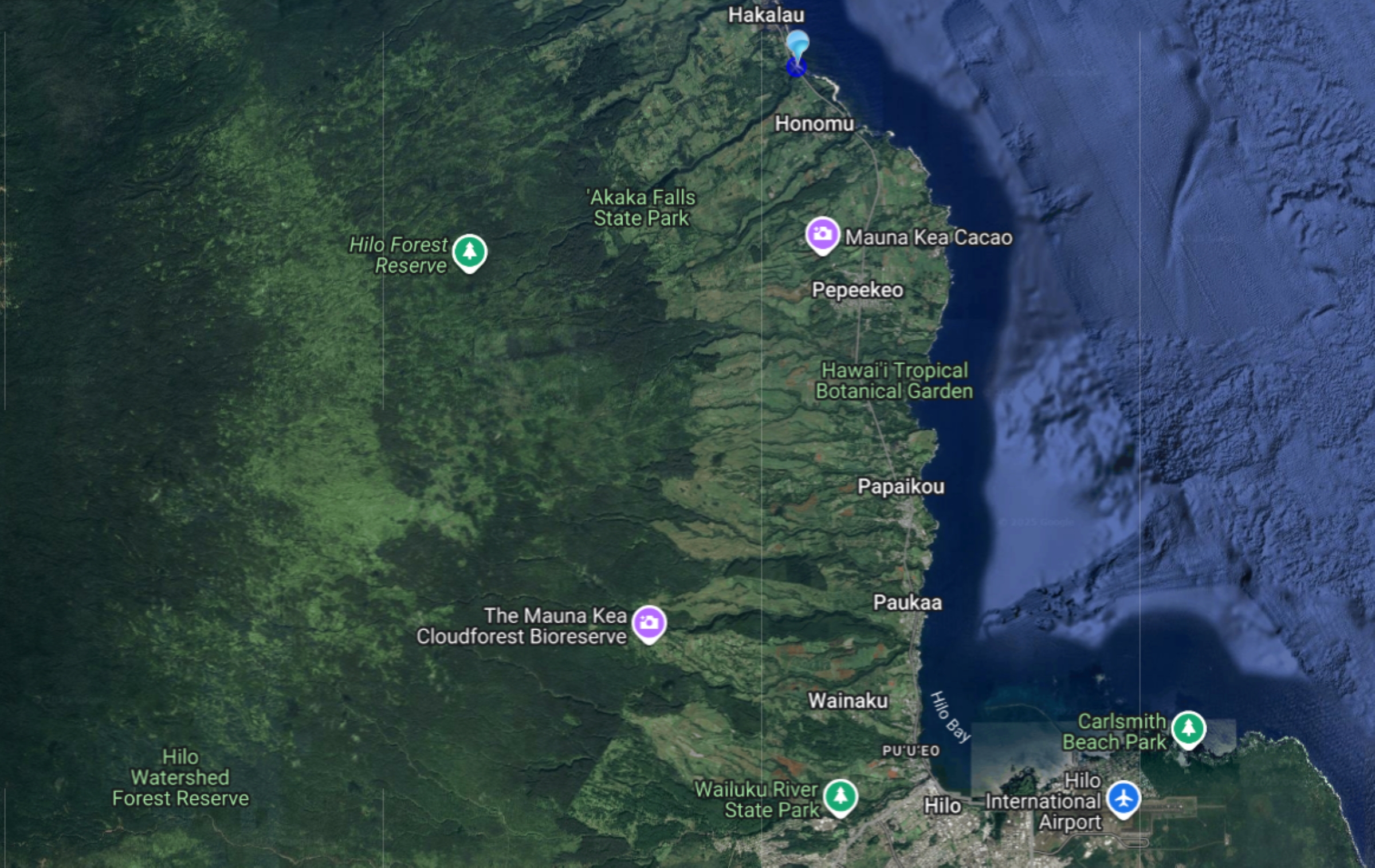
Update at 3:55 a.m. Jan. 14, 2026: State health officials canceled the high bacteria count advisory for Kolekole Gulch in East Hawai‘i, about 12.5 miles north of Hilo on the Hāmākua Coast.
Water sample testing results show that the enterococci bacteria levels no longer exceed the threshold level.
The advisory was originally issued Christmas Eve, Dec. 24, 2025.
Original story published at 6:21 p.m. Dec. 24, 2025: Hawai‘i Department of Health advises the public that a high bacteria count advisory was issued for Kolekole Gulch in East Hawai‘i, about 12.5 miles north of Hilo on the Hāmākua Coast.
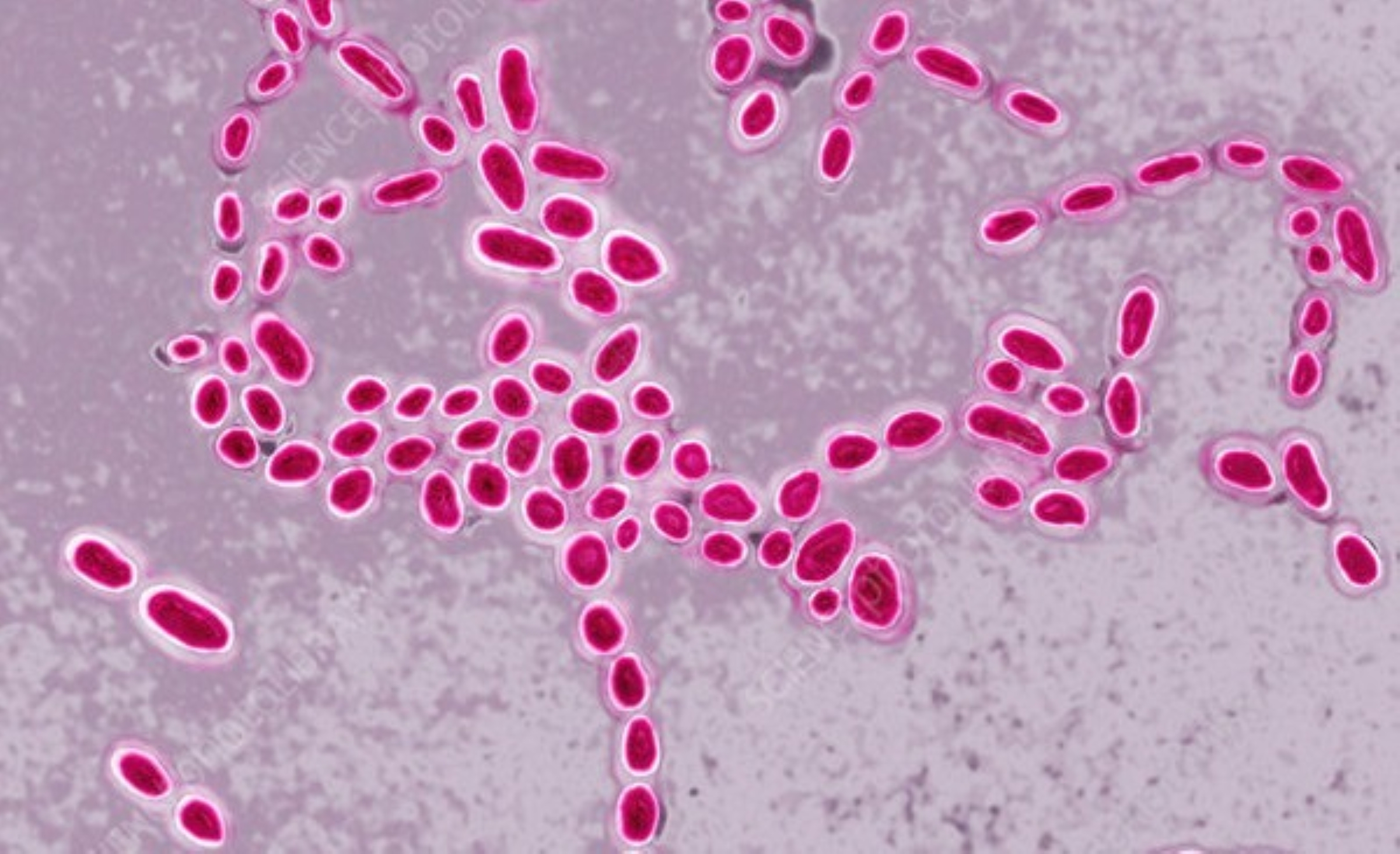
Levels of enterococci — bacteria that live in the intestinal tracts of warm-blooded animals, including humans — detected in water at Kolekole Gulch exceed acceptable limits.
Recent routine beach monitoring of the waters at the gulch found levels of 697 per 100 mL, well above and just more than five times the acceptable threshold level of 130 per 100 mL.
The state Health Department Clean Water Branch conducts the beach monitoring and notification through its beach program.
State health officials issued the advisory — which has been posted in the beach area of the gulch — because testing for enterococci indicates potentially harmful microorganisms such as bacteria, viruses, protozoa or parasites could be present in the water.
Swimming at beaches with polluted water can make you ill.
Children, the elderly and people with weakened immune systems are the most likely to develop illnesses or infections after coming into contact with polluted water, usually while swimming.
Fortunately, while swimming-related illnesses can be unpleasant, they are usually not serious — they require little or no treatment or get better quickly upon treatment. They also have no long-term health effects.
The most common illness associated with swimming in water polluted by fecal pathogens is gastroenteritis, which happens in a variety of forms that can have one or more of the following symptoms:
- Nausea.
- Vomiting.
- Stomachache.
- Diarrhea.
- Headache or fever.
In highly polluted waters, swimmers also might occasionally be exposed to even more serious diseases; however, there are other minor illnesses that include ear, eye, nose and throat infections.
Not all illnesses from a day at the beach are from swimming. People are constantly exposed to a variety of microorganisms that have the potential of causing illness.
The high bacteria count advisory will remain in effect until water sample results no longer exceed the enterococci threshold level.
Visit the Hawai‘i Department of Health Clean Water Branch System online and U.S. Environmental Protection Agency website for additional information about the advisory and possible issues that can result from coming into contact with polluted water at the beach.