


Hilo fires over Thanksgiving weekend raise alarm about safety of county’s aging buildings, infrastructure
After two fires engulfed decades-old buildings in Hilo over Thanksgiving weekend, killing two people, causing evacuations and leaving dozens homeless, Hawai‘i County Mayor Kimo Alameda said Monday he is concerned about the emerging trend of aging buildings, infrastructure, and even trees, becoming safety hazards.
“This is a tipping point in time,” Alameda said. “We have banyan trees that are 100 years old. Our wastewater system is aging. Everything feels like it needs to be checked, from bridges to buildings to roads.”
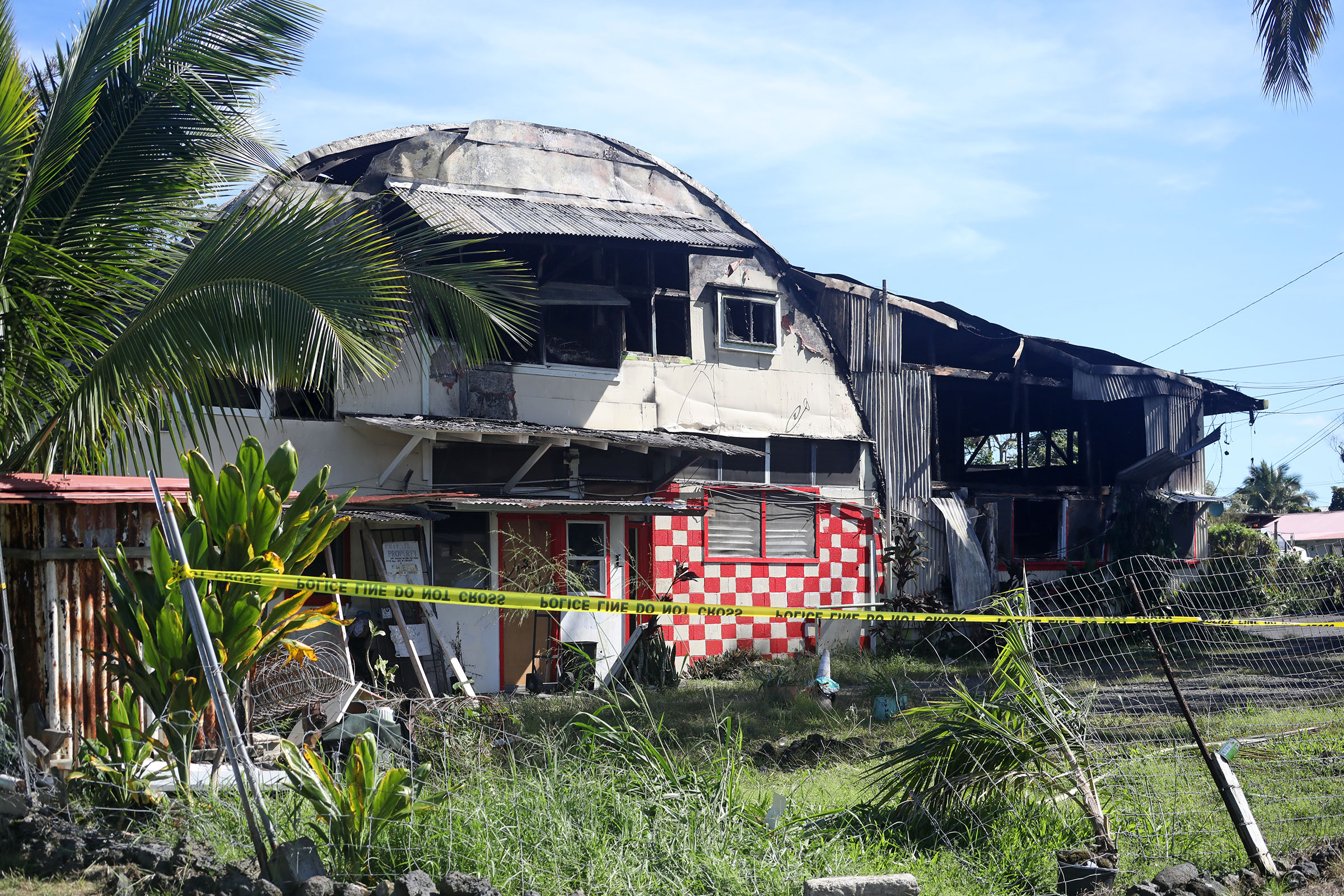
The two weekend blazes in Hilo — which Hawaiʻi County Fire Chief Kazuo Todd said are not connected and not believed to be suspicious — follow several other recent incidents that also illustrate Alameda’s concerns.
In October, the historic Wild Ginger Hotel in Hilo caught fire, leaving one person dead and displacing several other people. Its website said it was built in 1911 “and largely untouched since then.” The building was falling apart in many places before the fire.
In November, there was a fire at Kau’hale’olu apartments, an affordable housing complex in Pepe‘ekeo, resulting in evacuations. In that fire, a man was arrested for arson.
Also in November, the pedestrian bridge to Mokuʻola (Coconut Island) partially collapsed and Ali‘i Drive’s iconic Moreton Bay fig tree that arched over the oceanfront roadway had to be cut down after a large branch broke off and revealed the tree was rotted.
This weekend’s tragedies started in the early morning hours on Saturday, when the former Pu‘uʻeo Poi Factory on Kekūanaōʻa Street went up in flames, with two people trapped and unable to make it out. The Hawaiʻi Police Department reported Sunday that the fatalities were a 72-year-old woman and a 56-year-old woman.

The Puʻuʻeo Poi Factory had been a staple in Hilo for decades before closing its doors in 2017 with the retirement of its 75-year-old owner Gilbert Chang. (Photo: Real Estate Listing)
On Aug. 11, 2017, the factory made its last poi, a traditional Polynesian food made from taro root, due to the retirement of 75-year-old Gilbert Chang. He had taken over for the business from his father 27 years earlier.
The factory had been turned into short-term housing and additional structures were built onto the property over the years, Todd said.
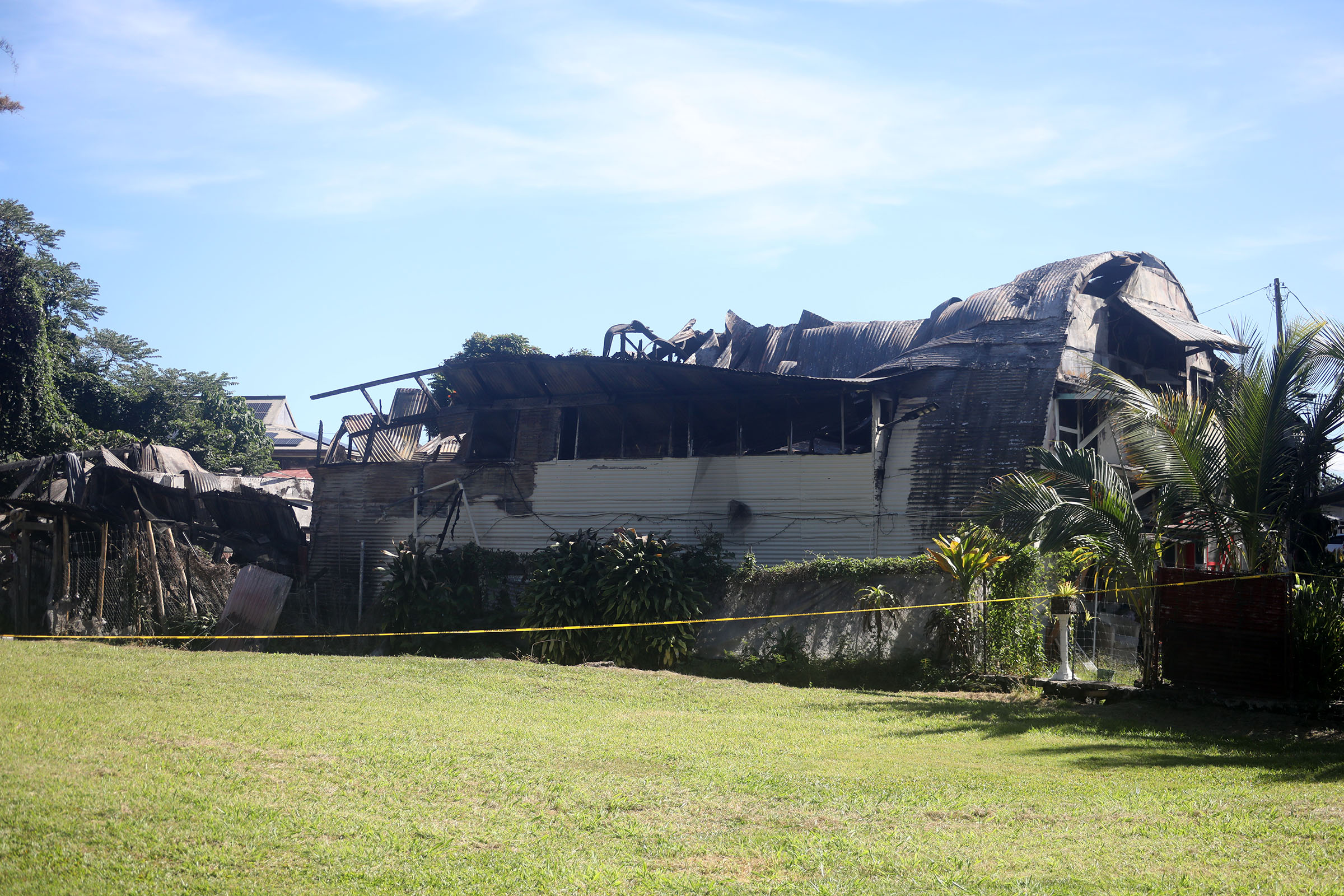
In a listing on Avail, a do-it-yourself real estate listing website, it said the “old, funky poi factory and worker’s quarters” was being sold for $450,000 “as a Cashflow machine, not for looks. A “diamond in the rough “!”
The listing said the property had apartment zoning with 23 low cost economy budget class rental units, usually with 95% occupancy.
The listing also said the older building was built just after World War II “pre-building permit era; apparently grandfathered in” and two buildings had permits from the early 60s.
In 2022, the property sold for $400,000 to Marie Sajulga, who has a Honolulu address.
The building that burned was two stories and 1,400 square feet, according to the county.
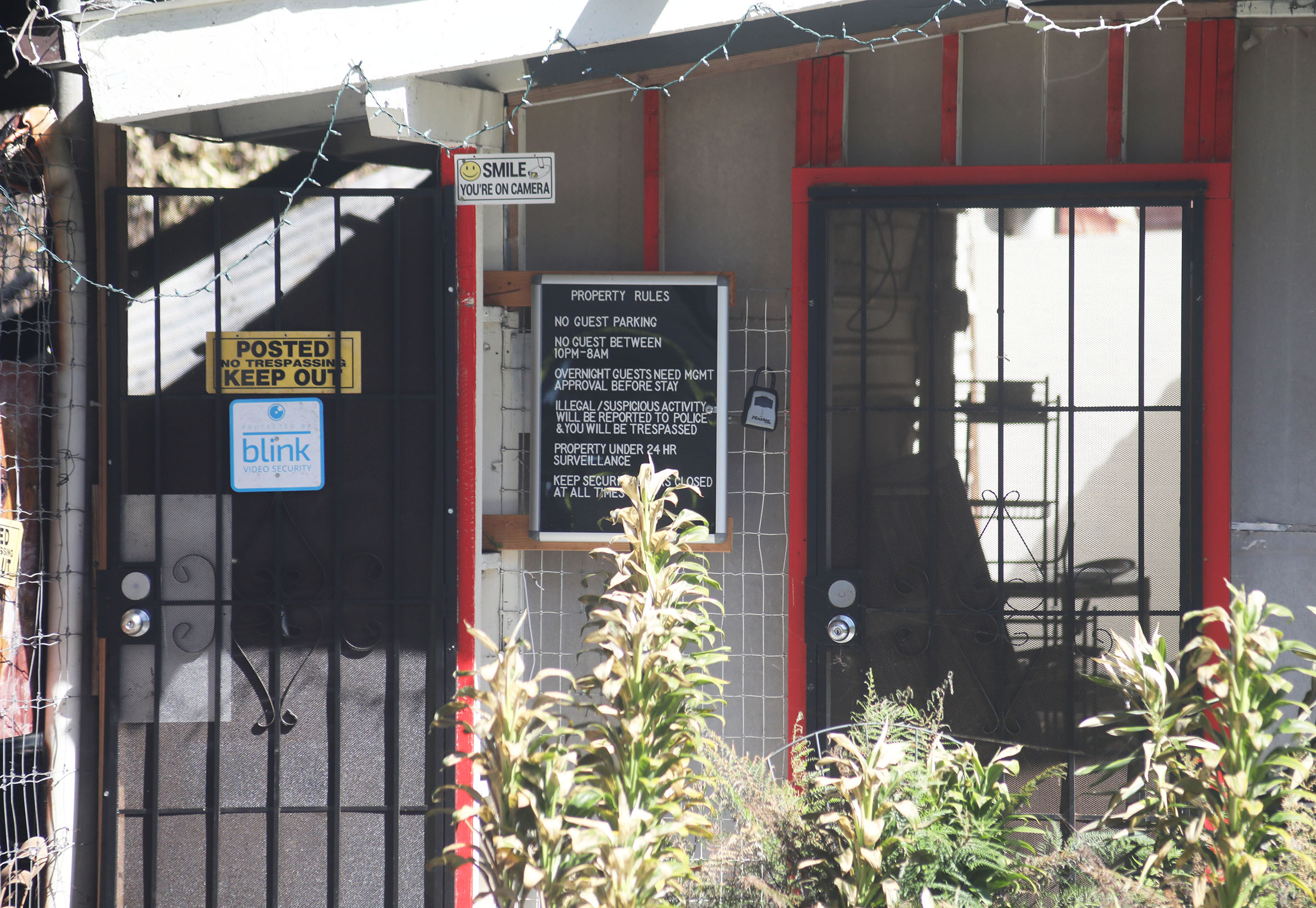
Alameda said everyone living in the buildings connected to the former factory were not allowed to return due to smoke and water damage. The area now is roped off.
In the early hours of Sunday morning, the blaze along Kino‘ole and Keawe streets in downtown Hilo burned four buildings of mix-use (residential and commercial), causing dozens of people to be evacuated and roads to be close. Seven people were displaced.
The cause of both fires are under investigation.
The fire chief said it’s sometimes hard to determine a cause with these fires because the flames most often destroy the evidence. However, he added, fires are most often human-caused, whether it’s forgetting to turn the stove off or overloading the circuit with the number of utilities plugged into the wall.
Following the two fires over the weekend, Alameda said he’s beginning to learn there’s more deferred maintenance his administration inherited than he realized. It also has the mayor wondering what other spaces like the former poi factory were created for affordable housing that aren’t safe.
“I can’t control the aging infrastructure, but I can control how we build from now,” Alameda said.
Todd was unaware that people were living in the former factory, which he said is alarming to him.
“To convert from one type of use to residential is hard,” Todd said, adding that the building permits and fire safety requirements are different for a commercial space than they are for a residential property.
Sunday’s fire on Kino‘ole and Haili Streets resulted in the evacuation of dozens of nearby buildings. Todd has always been concerned about the Hilo buildings and the risk they are for fire. Due to their close proximity next to each other, and being constructed from wood, fires could “literally go from building to building.”
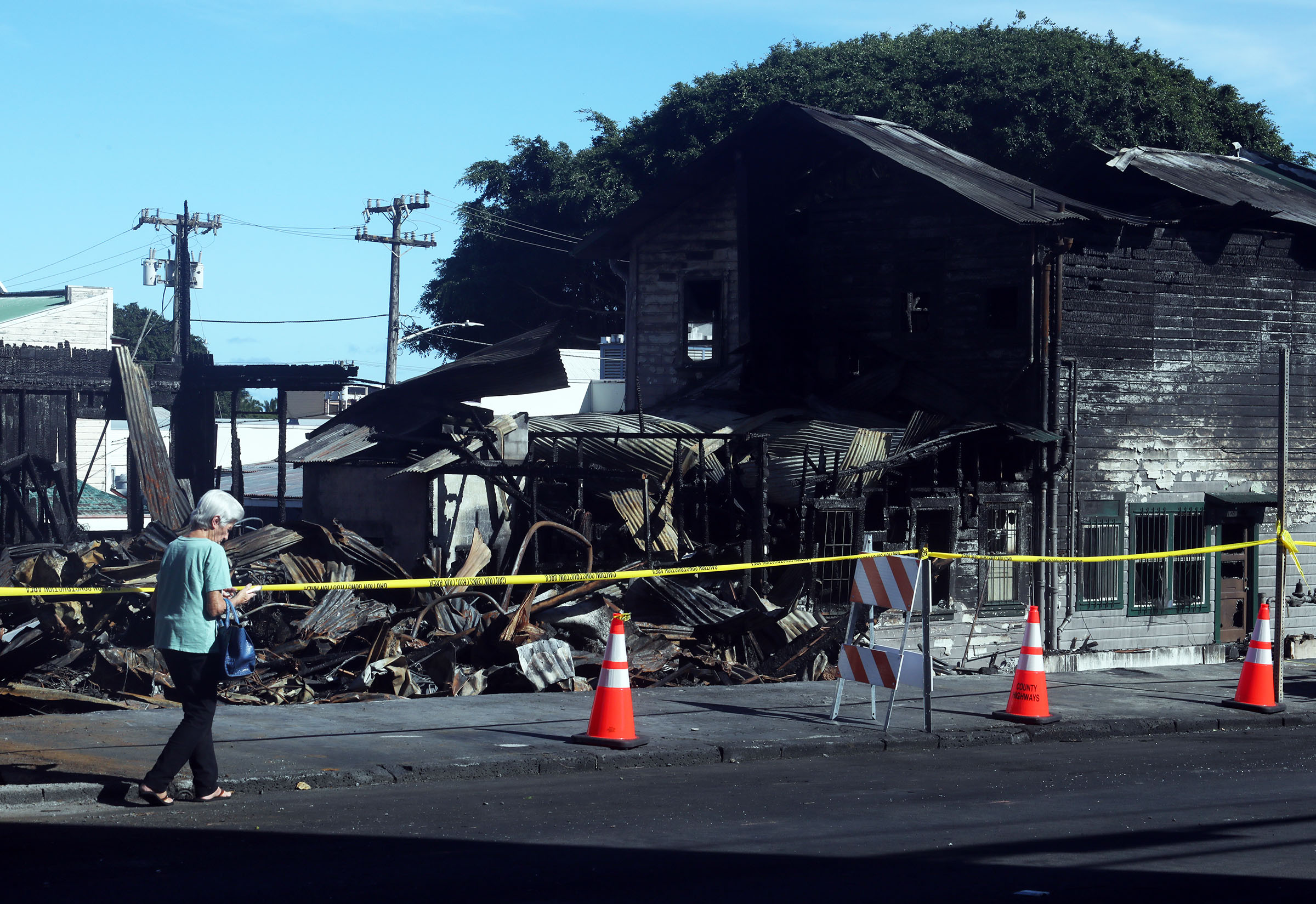
The downtown Hilo buildings were constructed in the 1900s. Todd said many made of wood are termite-eaten. They’ve also been modified over the years so it’s difficult to say where one building starts and the other ends.
Todd said it’s difficult to build new construction in the downtown area with challenges that include meeting tsunami inundation requirements and appearance ordinances.
“I honestly think that over the next 100 years or so, sooner or later, most of the buildings in downtown Hilo will eventually catch fire,” Todd said. “It’s sort of the nature of the odds.”
When Alameda took office in December 2024, he said his original priority was addressing the aging wastewater system. Now, with the number of fallen trees, a collapsed bridge and several fires destroying old buildings, these issues have risen to be equally important.
Big Island Now reporter Nathan Christophel contributed to this story.