

UPDATE: Lava geysers reach 1,400 feet before Episode 39 of ongoing Kīlauea eruption ends after about 6 hours
Update at 4:34 a.m. Dec. 24, 2025: Episode 39 of the ongoing episodic eruption within Halemaʻumaʻu Crater at the summit of Kīlauea volcano on the Big Island ended abruptly at 2:13 a.m. today (Dec. 24) after nearly 6 hours of continuous lava fountaining.
ABOVE: Hawaiian Volcano Observatory video of Episode 39 as of just before 9 p.m. Dec. 23, 2025.
Hawaiian Volcano Observatory revised the episode’s start time from 8:10 p.m. to 8:20 p.m. Tuesday (Dec. 23) based on tilt and tremor data.
The north vent stopped erupting at about 2 a.m. with activity at the south vent ceasing at about 2:13 a.m., marking the end of the episode.
It was a much shorter episode than the first one a year ago — which lasted 14 hours — but it definitely was more intense.
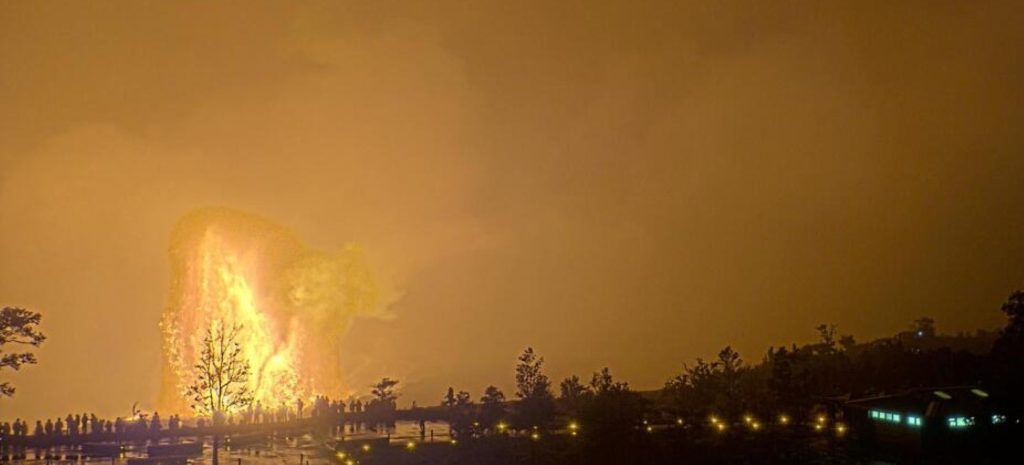
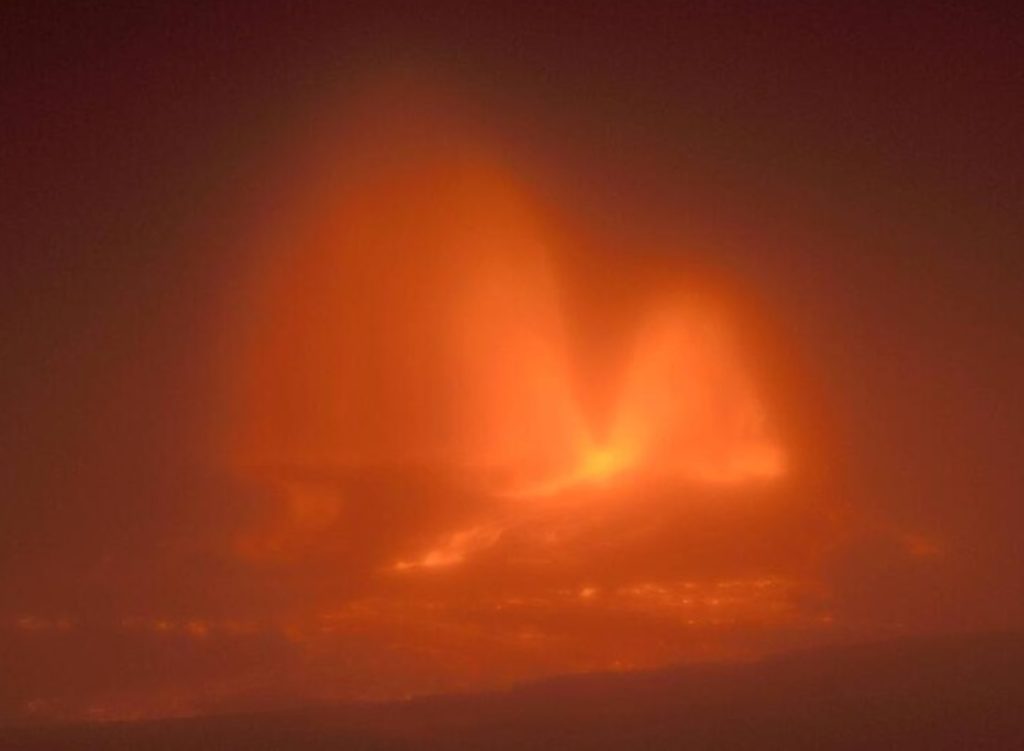
Lava fountains from the south vent reached up to 1,400 feet high at times during the most recent eruptive episode, while north vent fountains were just less than 1,000 feet at about 9:30 p.m. Tuesday.
Episode 39 fountains produced an estimated 13 million cubic yards of lava. The combined average eruption rate was more than 250 cubic yards per second from the dual fountains.
Lava flows from the fountains covered about 60% to 70% of the Halemaʻumaʻu Crater floor.
In comparison, the episode that started the eruption Episode 1 produced lava geysers that reached to just less than about 500 feet in height and pumped out nearly 12.2 million cubic yards of molten rock.
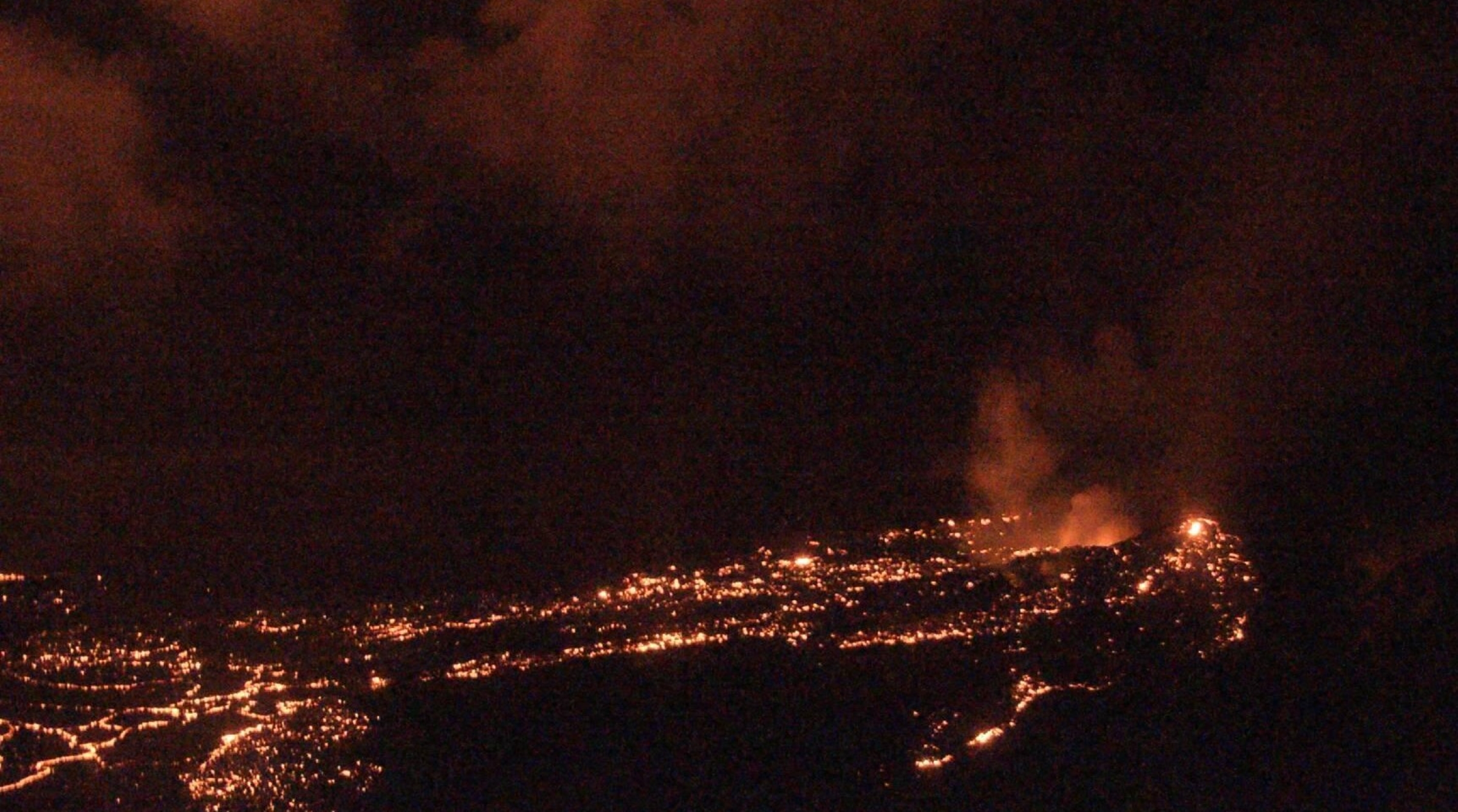
Volcanic gas emissions have greatly decreased. Lava flows from this episode within the southern part of Kaluapele, the Kīlauea caldera, could continue to exhibit slow movement or incandescence as they cool and solidify during the coming days.
Despite lava fountaining subsiding and radar imagery showing the volcanic ash plume is now
undetectable, the National Weather Service continues to advise the public to avoid excessive exposure to any lingering ash particles, which can be picked up by the wind and irritate the eyes and respiratory system.
People with respiratory sensitivity should also continue to take extra precautions to minimize their exposure to ash particles and other tephra material erupted during Episode 39.
About 26.3 microradians of deflation were recorded at the summit during this episode. The end of this eruptive episode — like its predecessors — was coincident with a rapid change from deflation to inflation at the summit and a decrease in seismic tremor intensity.
No changes have been detected in the volcano’s East Rift Zone or Southwest Rift Zone.
Kīlauea’s Volcano Alert Level still remains at Watch and its Aviation Color Code at Orange. All current and recent activity is within Hawaiʻi Volcanoes National Park.
Hawaiian Volcano Observatory continues to closely monitor Kīlauea and will issue a volcanic activity notice at the start of the next eruptive episode.
The observatory will also issue, if possible, a status report beforehand at the onset of low-level precursory activity.
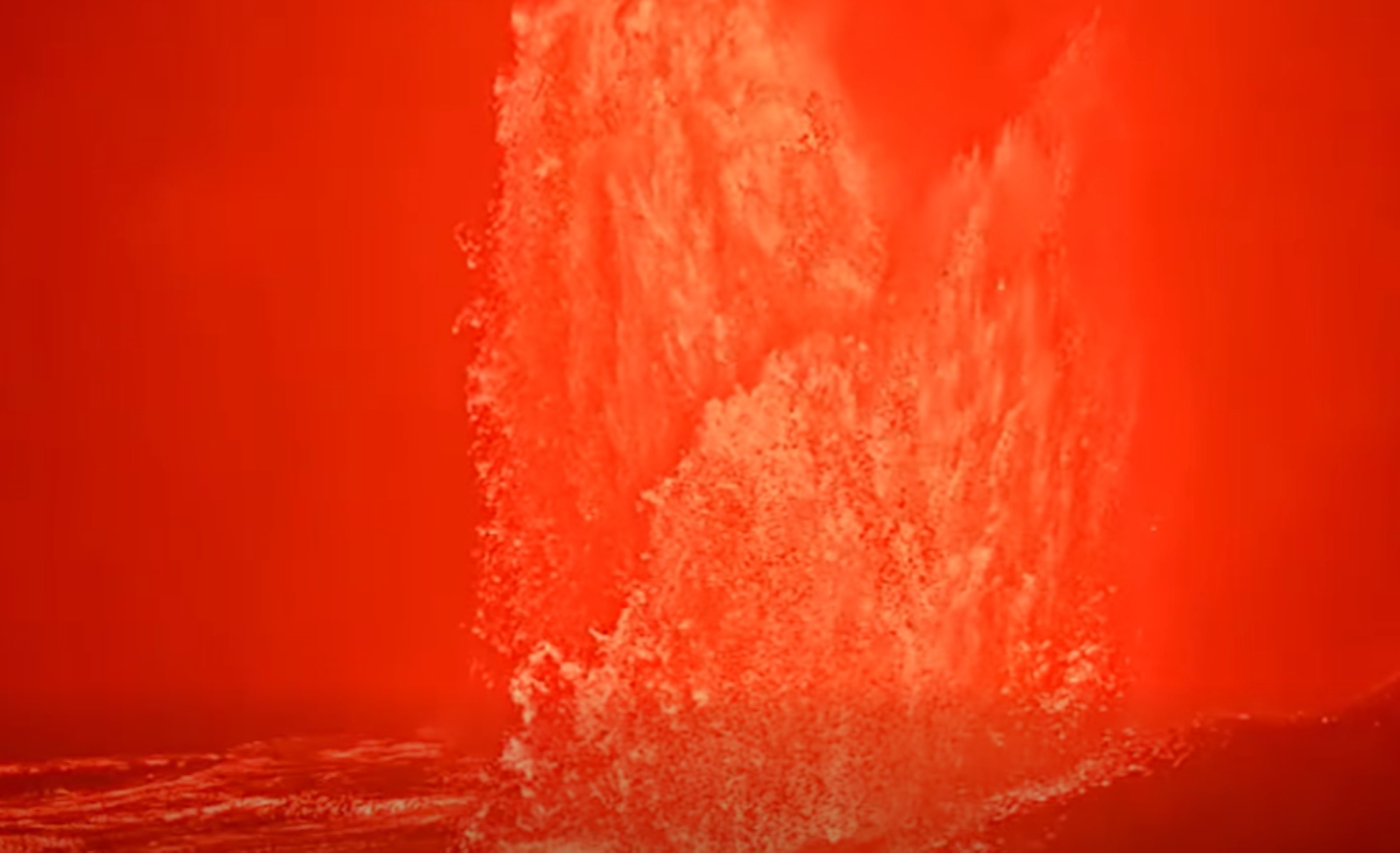
Regularly scheduled daily updates for Kīlauea are posted on the Hawaiian Volcano Observatory website, and you can keep an eye on the summit from home by checking out the three livestream webcams watching it.
Original story published at 10:32 p.m. Dec. 23, 2025: Episode 39 of the ongoing Halemaʻumaʻu eruption at the summit of Kīlauea volcano on the Big Island began at 8:10 p.m. today (Dec. 23), a year to the day after the ongoing episodic eruption began.
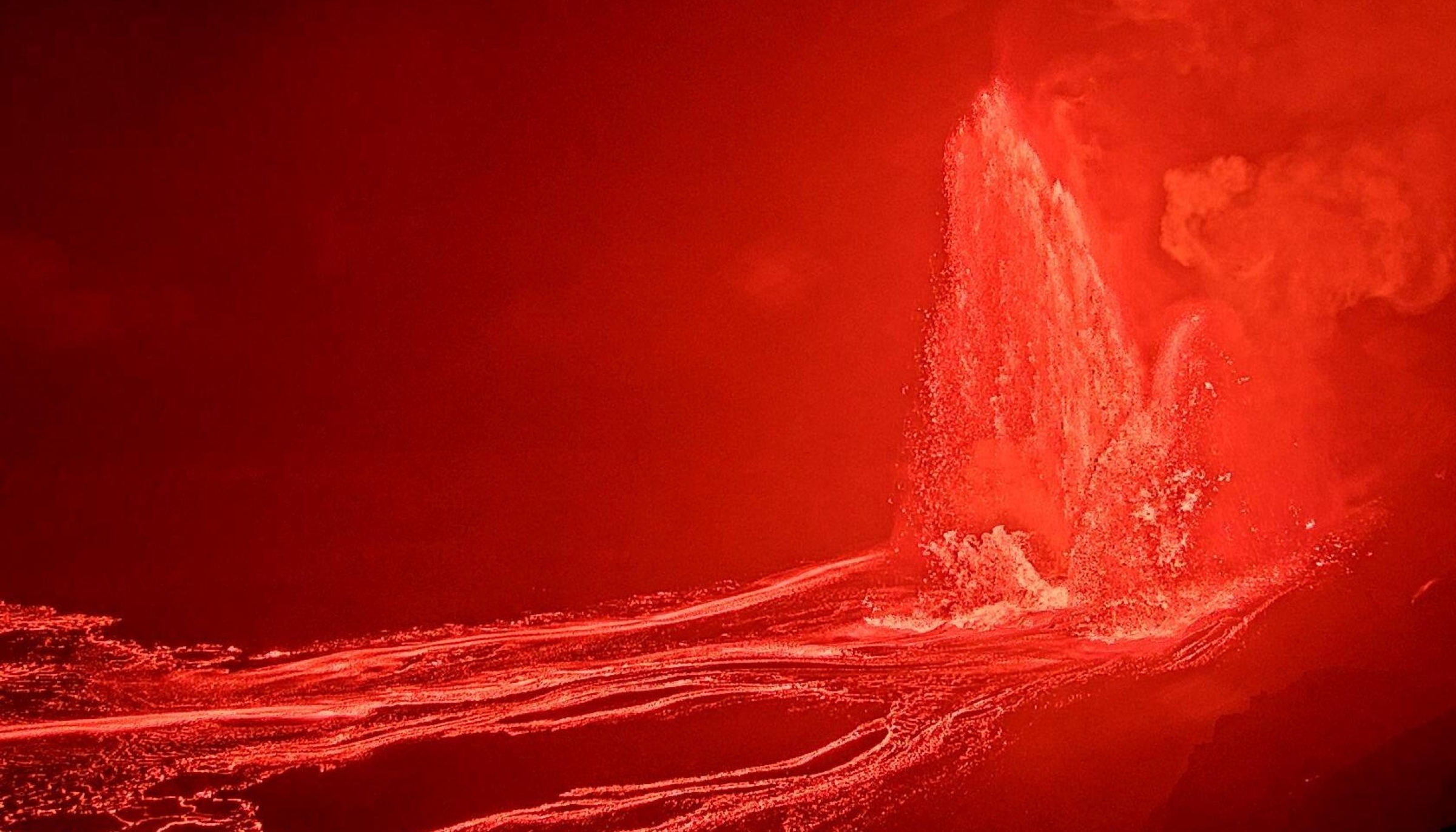
Sustained lava fountains of about 100 feet in height were erupting from the north and south vents, with fountain heights increasing. The lava geysers reached up to 1,250 feet tall by just after 9:30 p.m.
Past episodes produced incandescent lava fountains of more than 1,000 feet high that cause eruptive plumes up to 20,000 feet above ground level.
The National Weather Service forecast office in Honolulu reports winds are blowing from the northeast, suggesting volcanic gas emissions and volcanic material could be distributed to the southwest.
Periods of ashfall from the eruption also are likely.
Doppler radar imagery shows the ash plume from this episode is reaching up to 27,000 feet above mean sea level. Winds are pushing most of the ash particles toward the south-southeast, away from more populated communities at this time.
The public is advised to avoid excessive exposure to ash, which is an eye and respiratory irritant. Those with respiratory sensitivities should take extra precaution to minimize exposure.
Visit the Hawaiʻi Interagency Vog Information Dashboard for health and safety recommendations.
Click here to find a summary of other possible volcanic hazards.
All eruptive activity is confined to Halemaʻumaʻu Crater within Hawaiʻi Volcanoes National Park.
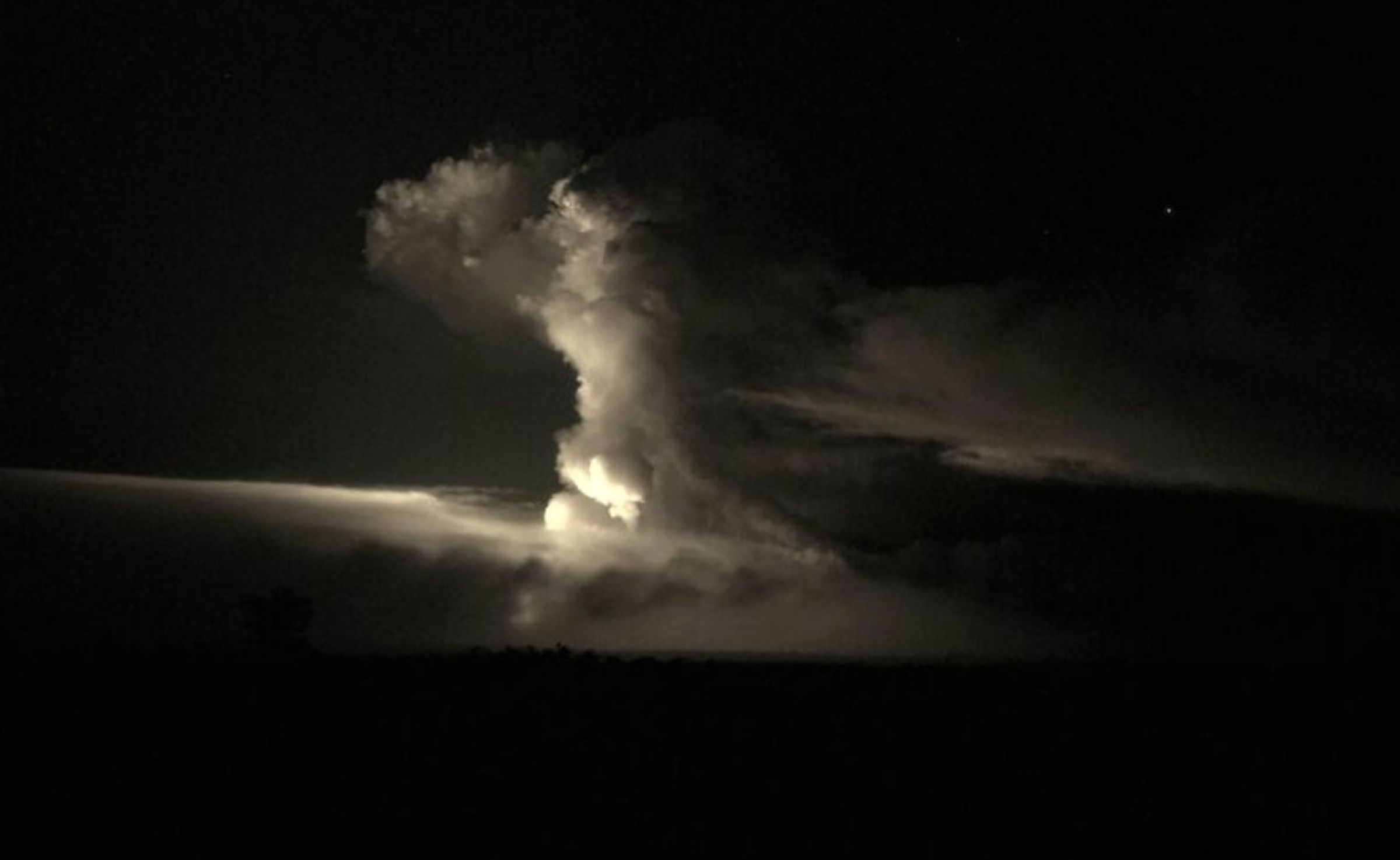
Three Kīlauea summit livestream web cameras that show eruptive lava fountains are available at YouTube.
Episode 39 was preceded by overflows of degassed lava that began at about 6:41 p.m. from the south vent and continued to increase in intensity until 8:10 p.m., when sustained fountaining began.
Inflation reached just more than 32 microradians since the end of Episode 38.
Seismic tremor began increasing and tilt switched from inflation to deflation at about 8:10 p.m., about the same time lava flows began erupting onto the crater floor.
Most episodes of Halemaʻumaʻu lava fountaining since the episodic eruption began in the early morning of Dec. 23, 2024, continued for about a day or less and were separated by pauses in activity generally lasting at least several days.
Kīlauea’s Volcano Alert Level remains at Watch and its Aviation Color Code at Orange.
No changes have been detected in the East Rift Zone or Southwest Rift Zone.
Hawaiian Volcano Observatory continues to closely monitor Kīlauea.
 This image is from a research camera as of about 10 p.m. Dec. 23, 2025, from the bluff at Uēkahuna, overlooking the summit caldera of Kīlauea. (Image Courtesy: Hawaiian Volcano Observatory)
- Live view of Kaluapele, the Kīlauea caldera, and Halemaʻumaʻu Crater at just before 10:30 p.m. Dec. 23, 2025, from V2cam, looking from the northeast rim of the caldera. (Image Courtesy: Hawaiian Volcano Observatory)