



Balloon as big as football field flies over Antarctica, aimed at deciphering mystery of dark matter
A groundbreaking scientific experiment aimed at detecting dark matter in space launched Dec. 15 from Antarctica, with significant contributions from University of Hawaiʻi at Mānoa.
The General AntiParticle Spectrometer experiment is suspended from a football-field-sized balloon about 24 miles above the frozen Antarctica to search for rare cosmic antimatter that could help unlock the mysteries of dark matter, one of the most perplexing phenomena in physics.
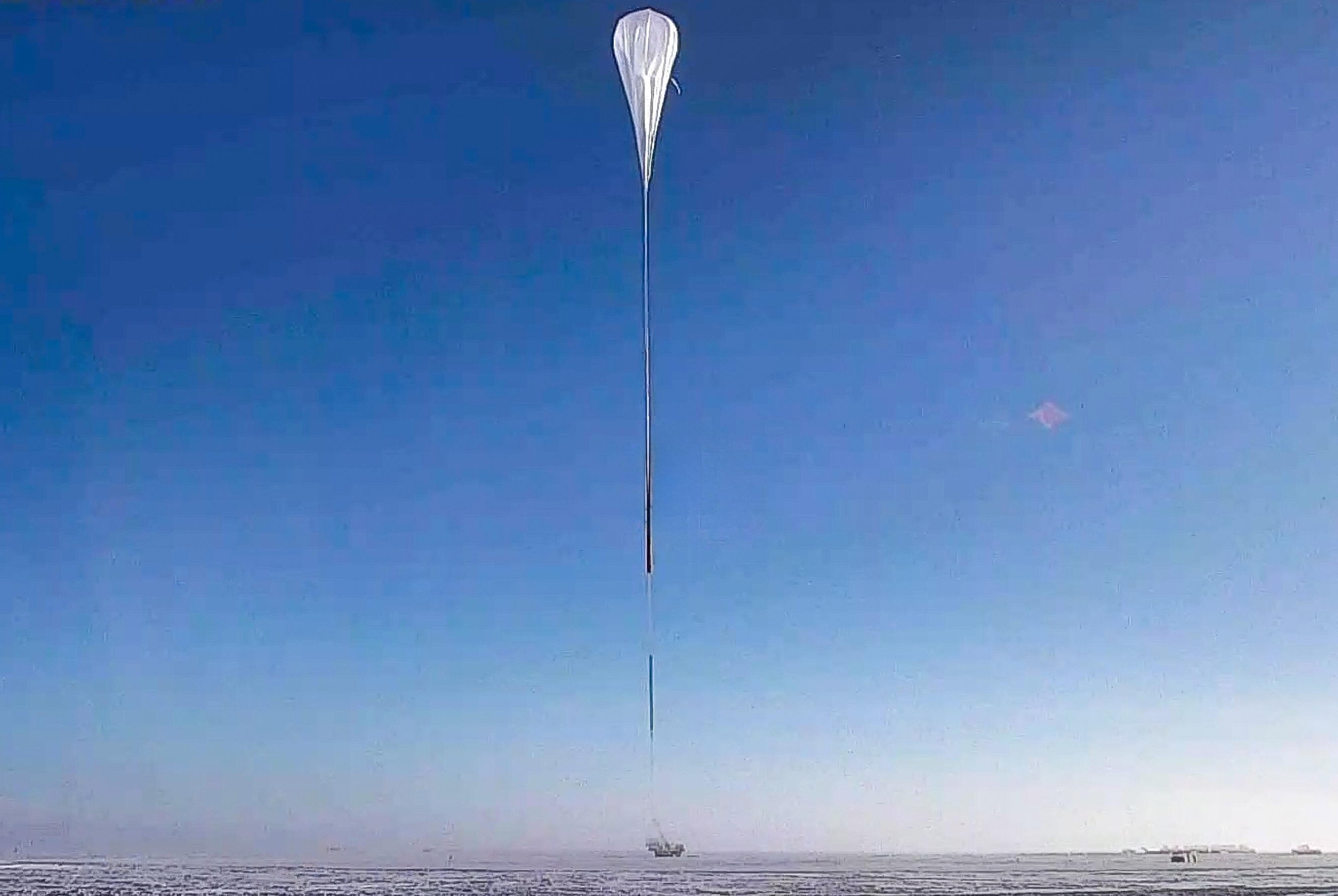
Dark matter makes up about 85% of all the mass in the universe, yet we can’t see it or directly detect it — we only know it exists because of how it affects things around it through gravity.
Unlocking the mystery of dark matter would help to get a grasp on what most of the universe is actually made of and potentially reveal fundamental new physics that could revolutionize the understanding of how everything works.
University of Hawaiʻi at Mānoa received $1.4 million — part of a larger NASA grant — in support of the project. The university also played a leading role in developing the experiment, which is executed in collaboration with researchers from Columbia University; University of California, Los Angeles; and Northeastern University, alongside international partners from Japan, Italy and China.
“This experiment puts Hawaiʻi at the forefront of one of the biggest mysteries in modern physics,” said University of Hawaiʻi at Mānoa Department of Physics and Astronomy professor and project lead Philip von Doetinchem in a release about the ongoing research. “Our students and researchers at [University of Hawaiʻi at Mānoa] are helping lead a quest to understand what makes up a large fraction of our universe, showing that groundbreaking science is happening right here in our islands.”
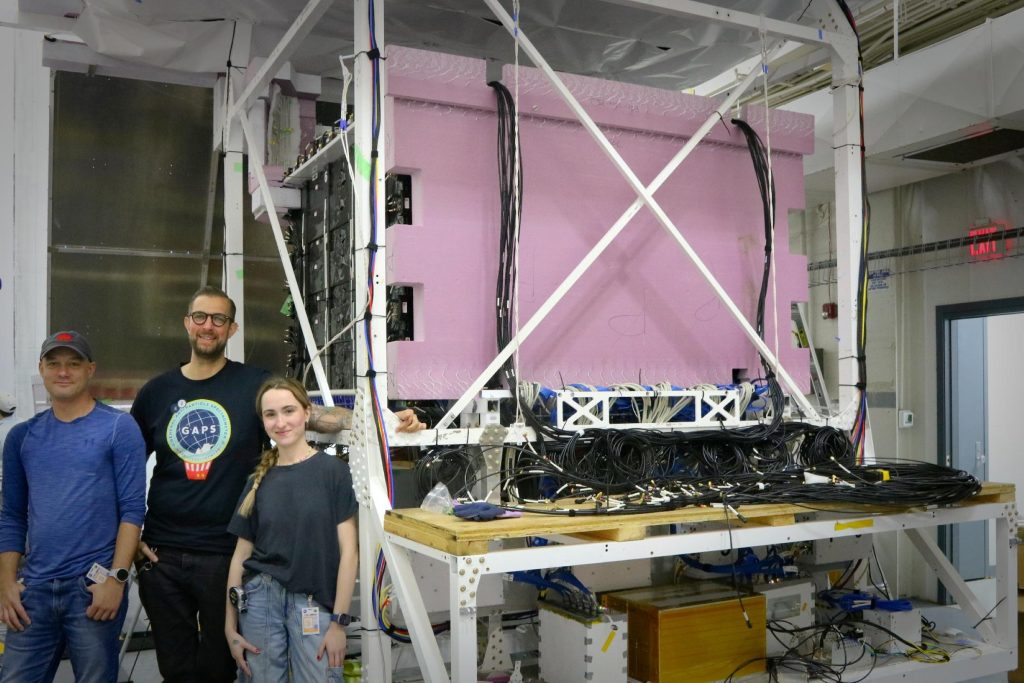
The University of Hawaiʻi General AntiParticle Spectrometer flight operations team is composed of Research Corporation of University of Hawaiʻi researcher Achim Stoessl, graduate student Grace Tytus and Doetinchem.
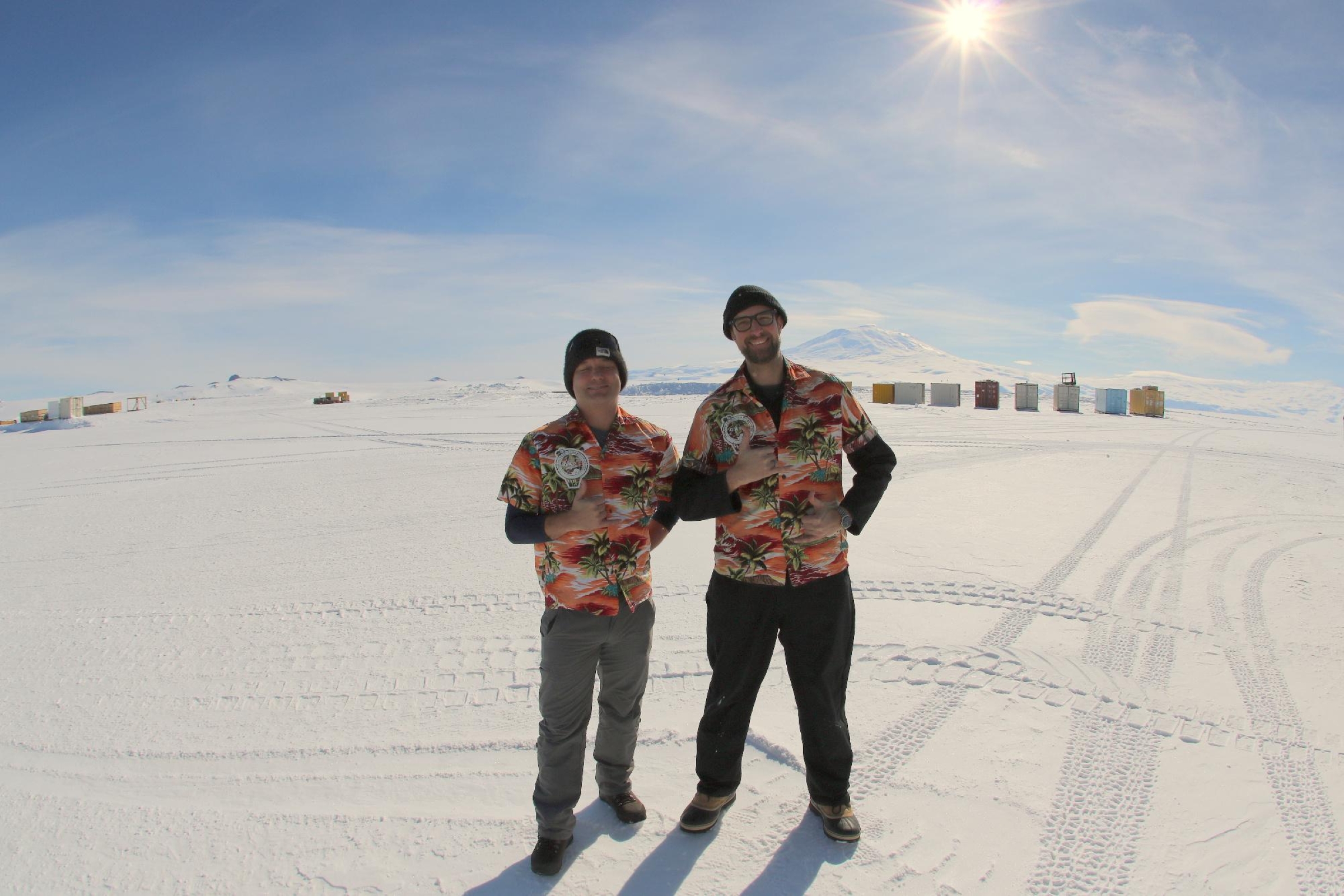
Cory Gerrity was also instrumental for on-campus detector development tasks — which was supported by undergraduate student Hershel Weiner — during the COVID-19 pandemic.
The experiment seeks to detect antiprotons and antideuterons — antimatter particles that are used in research to study dark matter and other phenomena — which scientists think could provide crucial evidence about the nature of dark matter.
Researchers have observed dark matter’s gravitational effects; however, its fundamental properties remain unknown.
The General AntiParticle Spectrometer uses NASA balloon facilities similar to previous Antarctic experiments, including one that recently challenged standard physics models.
The project builds on years of preparation, including extensive detector calibration work at University of Hawaiʻi at Mānoa and integration testing at multiple NASA facilities.
Track the balloon in real-time online.
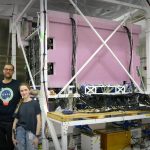
 Achim Stoessl, Grace Tytus and Philip von Doetinchem at NASA Columbia Scientific Balloon Facility. (Image Courtesy: University of Hawaiʻi)
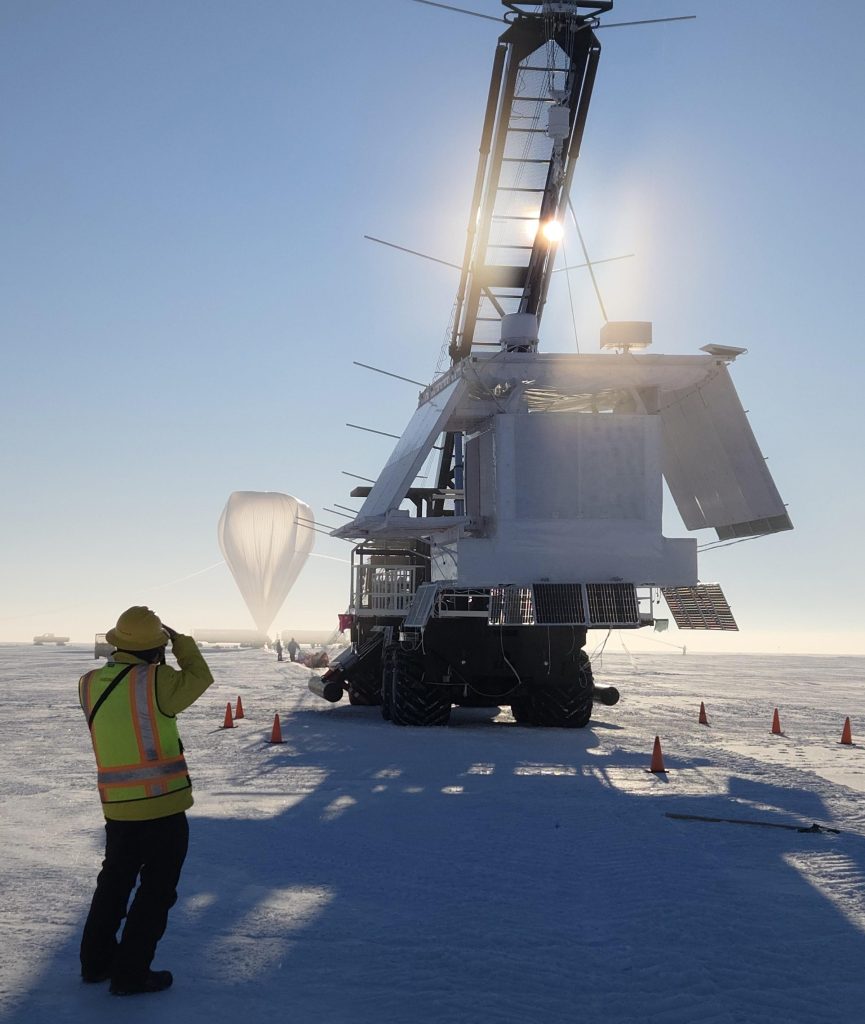
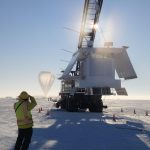
- The GAPS experiment prepares to launch from Antarctica. (Photo Credit: NASA/Andy Hamilton/Courtesy of University of Hawaiʻi)
Sponsored Content


Subscribe to our Newsletter
Comments