



Measles virus detected for second time in West Maui County wastewater
Hawaiʻi Department of Health was notified of a second detection of measles virus in wastewater from West Maui County.
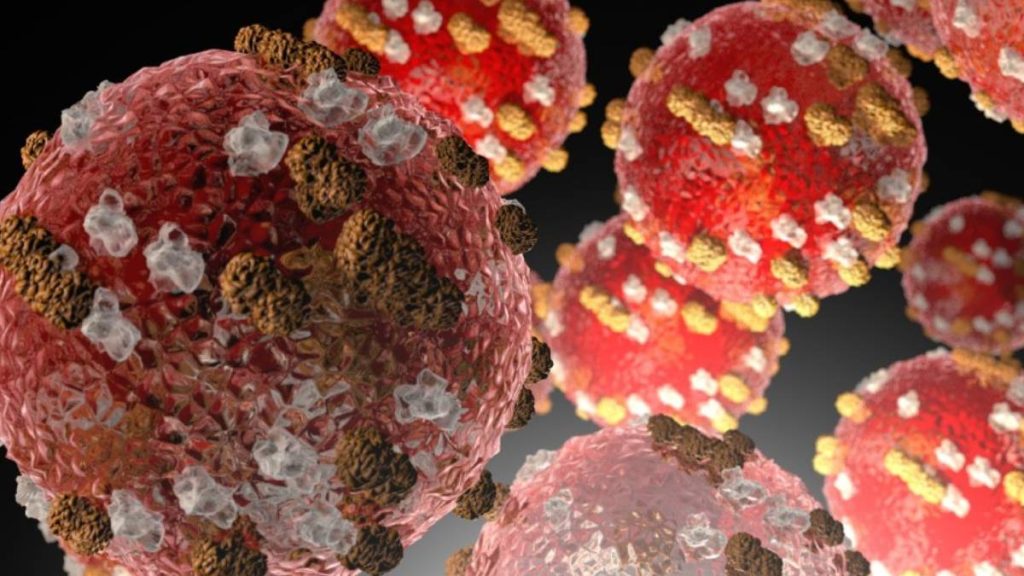
The latest positive sample was collected Nov. 30 and was tested through the National Wastewater Surveillance System. It follows an earlier detection of measles virus in Maui wastewater from samples collected Nov. 18 in Central and West Maui.
Measles has not been detected again at the Central wastewater treatment site, after three rounds of testing in late November.
State health officials — while no cases of measles have been confirmed on Maui or elsewhere in the state — advised medical providers to remain on high alert.
The public is also urged to stay up to date on the measles, mumps and rubella vaccine.
Measles is highly contagious but preventable through vaccination.
Infants younger than 1 year old are at particularly high risk because they are too young to be vaccinated, but in certain situations, vaccination can be recommended for children between 6 and 12 months old if they are exposed to a known case.
Contact your medical provider or pharmacy to get a measles, mumps and rubella vaccine.
Measles symptoms usually start with a high fever, cough, runny nose and red eyes followed by a rash of tiny red spots that begins at the head and spreads downward.
The disease can lead to serious complications, including pneumonia, neurological illness and death.
People with measles are contagious from 4 days before the rash appears through 4 days after.
Anyone who thinks they might have symptoms of measles or was exposed should isolate themselves immediately and contact their healthcare provider for guidance to prevent further spread.
For more information about measles, visit:
Sponsored Content

_1770333123096.webp)

Subscribe to our Newsletter
Comments