



UPDATE: Volcanic ash decreases from Episode 38 of ongoing Kīlauea eruption
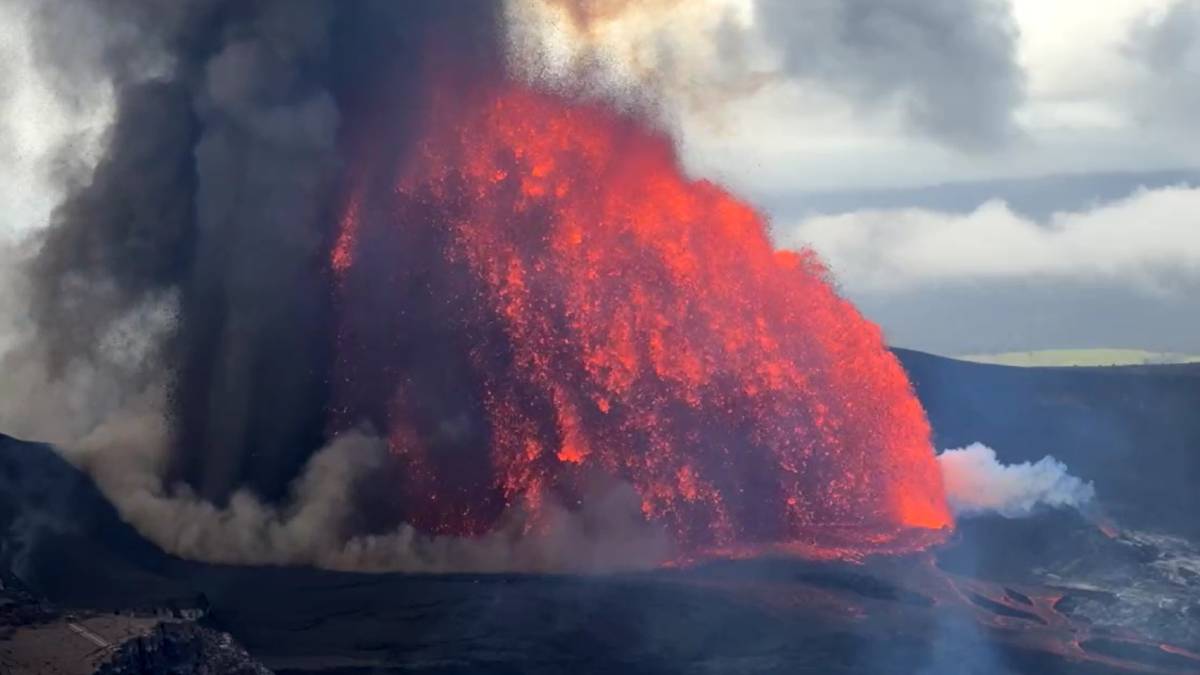
Update at 7:58 p.m. Saturday, Dec. 6, 2025: The latest National Weather Service radar data indicate that volcanic ash from Kīlauea’s Halemaʻumaʻu Crater during Episode 38 of the ongoing episodic eruption at the volcano’s summit inside Hawai’i Volcanoes National Park has decreased this evening.
Radar observations show the volcanic plume rises to 13,000 feet above mean sea level. Light ashfall is drifting southwestward within 5 miles away from the volcano.
Officials advise the public to continue avoiding excessive exposure to ash, which is an eye and
respiratory irritant. Those with respiratory sensitivities should take extra precaution to minimize exposure.
This will be the last update for light ashfall from Episode 38, unless significant changes in volcanic activity occur.
Original story published at 12:39 p.m. Saturday, Dec. 6, 2025: National Weather Service forecasters in Honolulu are alerting the public that webcams, satellite and radar data indicate that volcanic ash is emanating from Kīlauea volcano’s Halemaʻumaʻu Crater following the beginning of Episode 38 earlier this morning.
Latest satellite and radar imagery from about 15 minutes past noon today (Dec. 6) showed the ash cloud is moving due east early this afternoon, and webcams suggest light ashfall will be possible downwind of the plume, primarily in Puna.
Forecasters advise the public to avoid excessive exposure to ash, which is an eye and respiratory irritant. Those with respiratory sensitivities should take extra precaution to minimize exposure.
Hawai’i County Civil Defense reports that elevated gas levels and tephra — fine volcanic particles that can irritate the skin and eyes — are present in the area and downwind of the eruption.
Civil Defense officials advise those with sensitivities or other respiratory conditions to avoid the area completely.
Motorists should also be aware of tephra on roadways, which might reduce visibility and create traffic congestion.
All officials advise the public to take necessary precautions to limit exposure.
Sponsored Content


Subscribe to our Newsletter
Comments