



University of Hawaiʻi’s center for microbial oceanography marks 15 years of world-class science, education
The Daniel K. Inouye Center for Microbial Oceanography: Research and Education Hale at the University of Hawaiʻi Mānoa celebrated its 15th anniversary on Oct. 25, marking a decade and a half of cutting-edge discovery and sustainable design.
The 26,997-square-foot facility opened in 2010 and through the years has become a hub for groundbreaking research on marine microbes, which are organisms that play a vital role in the health of the planet’s oceans and climate, according to a press release from the university.
The laboratories, offices and conference center were designed to foster collaboration among scientists across disciplines and time zones.
The center’s 50-seat auditorium supports video conferencing and live webcasting that connects researchers around the world.
In 2012, the center was the first research laboratory building in Hawaiʻi to achieve LEED Platinum certification for environmental design.
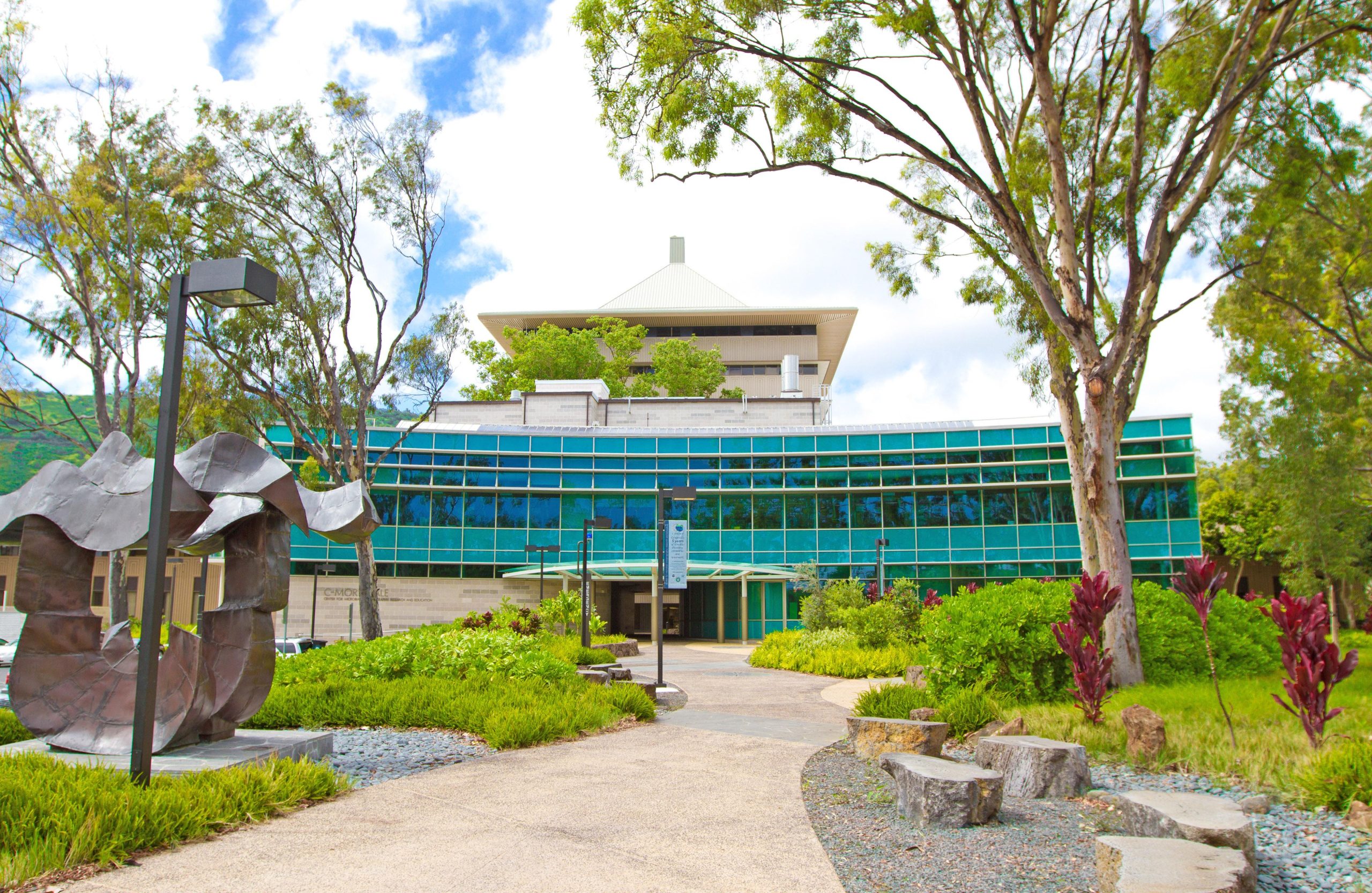
The facility incorporates energy-efficient systems and low-flow plumbing. It also features smart lighting controls and water recycling technologies that reduce potable water use by nearly half. The building’s innovative design earned multiple awards, including the Kukulu Hale Award for new commercial projects in 2011.
The center’s founding director David M. Karl, a member of the National Academy of Sciences and a professor of oceanography at UH Mānoa, was instrumental in securing the 10-year, $36.8 million National Science Foundation grant in 2006 that led to its establishment.
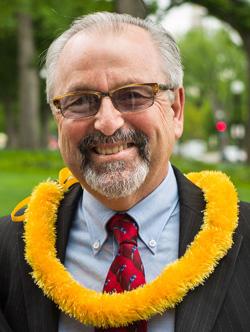
“He has brought funding — tens of millions of dollars to support this from the National Science Foundation, from the Moore Foundation, so private, public, federal, state, you name it,” UH Mānoa Interim Provost Vassilis L. Syrmos said. “It is an unbelievable project. He has created a program that is second to none, not only here in Hawaiʻi and in the continent, but in the world.”
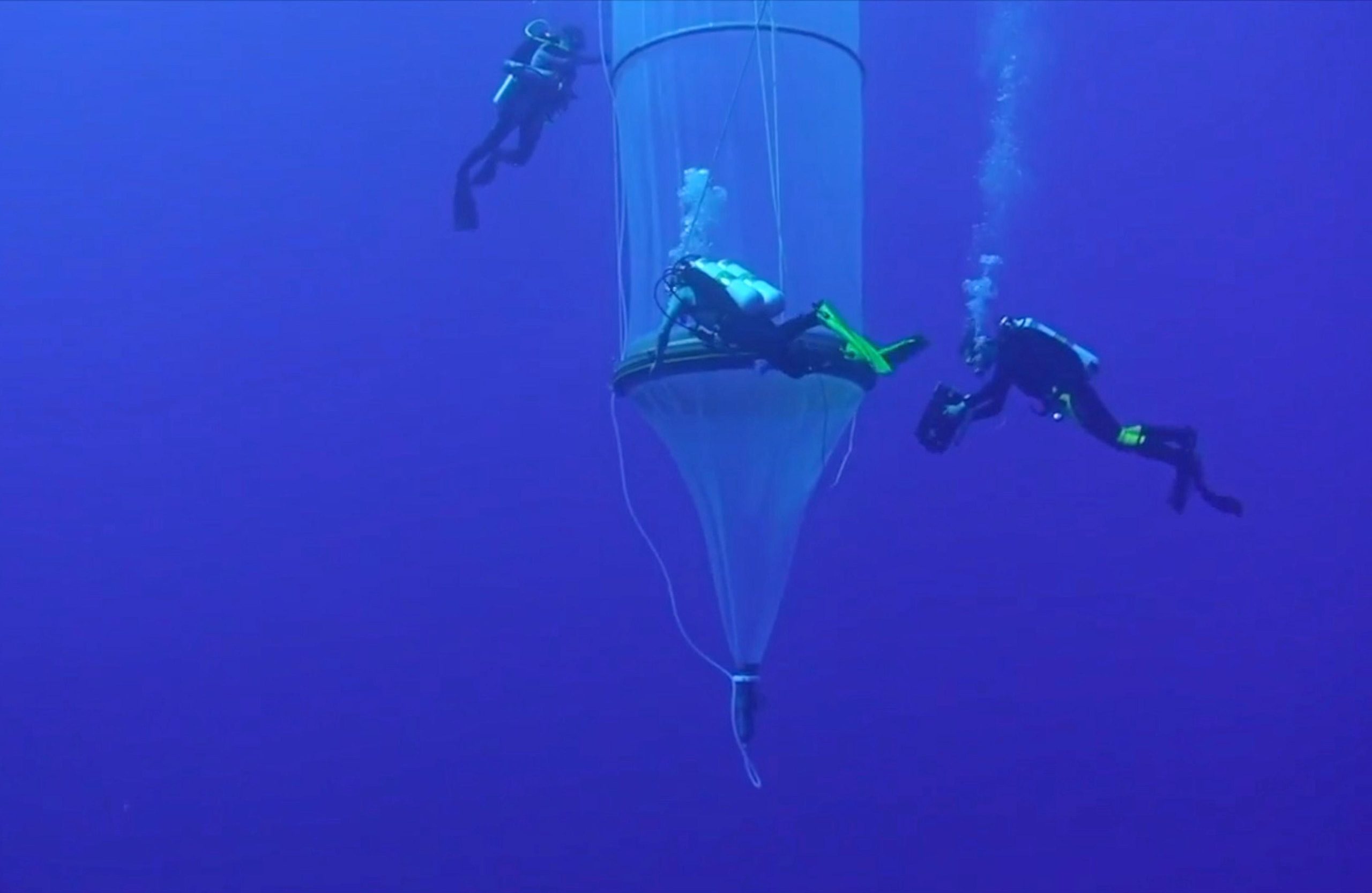
The center unites specialists in biology, chemistry, oceanography and engineering from six partner institutions. Together, these teams investigate the structure, diversity and metabolic function of marine microbes, including those that use sunlight to generate energy and others that recycle organic matter and drive global nutrient cycles.
Karl and the center, known as C-MORE, have positioned UH Mānoa as a global leader in microbial oceanography by successfully establishing a link between molecular-level biology and large-scale ocean processes.
His pioneering research on marine microbes and their role in global biogeochemical cycles has shaped modern understanding of how ocean life regulates Earth’s climate. Today, Karl continues to play a key role in advancing microbial oceanography worldwide, the release said.
“The opportunities that have been sustained by the investment in C-MORE Hale have put Hawaiʻi on the map of ocean research,” Karl said. “UH is now recognized as one of the top institutions in the world to study microbial oceanography, and we are also training the next generation of leaders. The future is today.”
The center’s integrated research program is organized around four themes: microbial biodiversity, metabolism and nutrient flow, remote and continuous sensing of ocean processes, and ecosystem modeling and prediction.
This approach allows scientists to explore how marine microorganisms influence climate, carbon storage and energy transfer within ocean ecosystems. The center’s work has advanced predictive models of how marine environments respond to environmental change.
Karl was instrumental in the establishment of the Hawaiʻi Ocean Time-Series, a sentinel for observing the effects of climate on the structure and function of microbial communities.
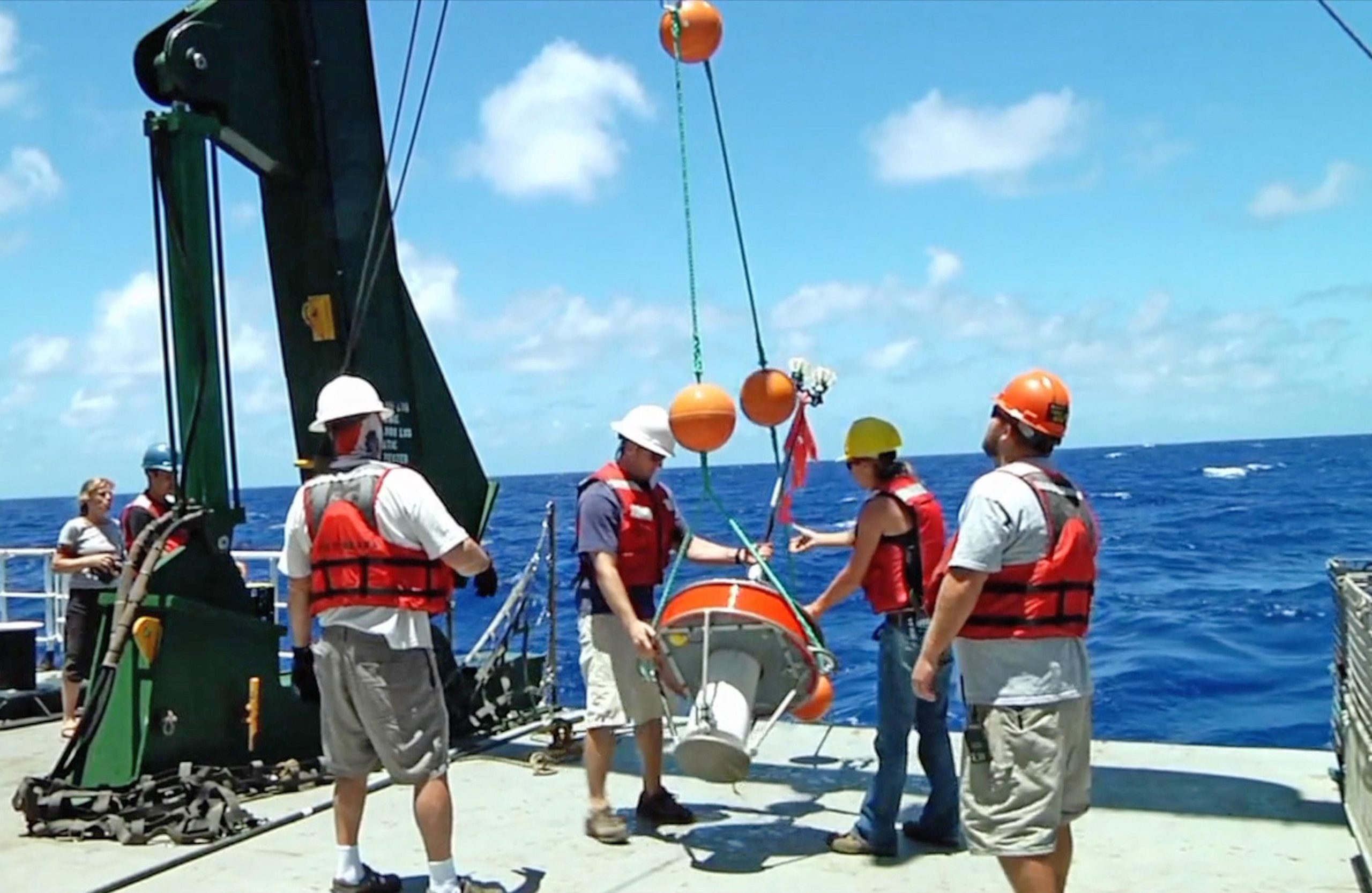
C-MORE’s long-term research station, Station ALOHA, located about 60 miles north of Oʻahu, was designated a Milestones in Microbiology Site by the American Society for Microbiology in 2015. The recognition honored UH’s historic contributions to understanding marine microbial life and its role in maintaining planetary habitability.
In addition to its research mission, C-MORE supports education and outreach programs that inspire future ocean scientists and engage the public in microbial ecology. These efforts span from pre-college curricula and teacher training to graduate and postdoctoral research opportunities, helping to strengthen the next generation of oceanographers.
C-MORE Hale was named under the Daniel K. Inouye Legacy Program to honor the late senator’s lifelong commitment to advancing science and education in Hawaiʻi.
During C-MORE Hale’s 15th anniversary, many students and staff are aboard the R/V Kilo Moana, a 186-foot UH Mānoa research vessel that supports the center’s oceanographic missions by serving as a mobile platform for sampling, experiments and data collection at sea. Karl said a formal celebration to mark the milestone is planned for later this fall.
Sponsored Content



Subscribe to our Newsletter
Comments