



Hawaiʻi State Board of Education hosting public meetings on Big Island about potential statewide changes
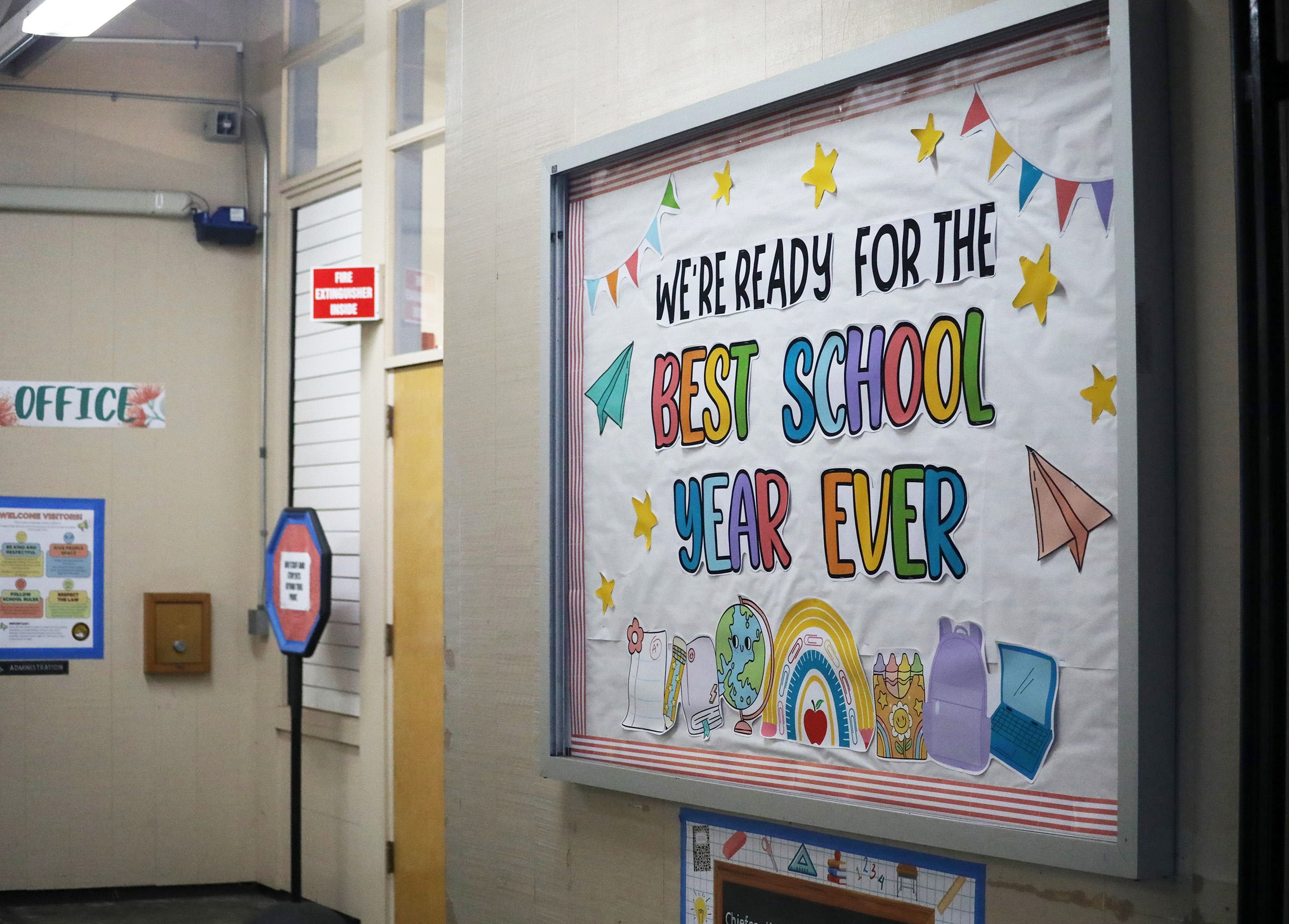
The Hawaiʻi Board of Education is seeking suggestions, questions and concerns at three public meetings with educators, administrators and parents on Hawaiʻi Island.
Board members traveled to Hilo on Tuesday to host the first of the community engagement meetings, which emphasize the Department of Education’s youngest and oldest students.
The Board of Education is hosting its second meeting on the Big Island today at Kāʻu High and Pahala Elementary from 5 to 6:30 p.m. The third meeting will be at Honokaʻa High and Intermediate from 5 to 6:30 p.m. on Sept. 3.
Sylvia Lee, the Hawaiʻi County representative on the board, said at Tuesday’s meeting: “We are adding more and more prekindergarten classrooms each year, which is necessary. However, it can lead to a lot more questions, specifically finding a workforce to service these classes.”
In the 2024-25 school year, the preschool program throughout the state featured 74 schools with 92 preschool classrooms to accommodate 1,772 kids. This is an increase from the 45 schools with 49 classrooms and 947 seats that were available the previous year.
One challenge is the low pay. According to a 2022 report from the RAND Corp., wages and salaries for early childhood education jobs in Hawaiʻi are not competitive with jobs requiring similar education and experience. Hourly wages were estimated at $13 to $17, which is well below the living wage of $28.50 for the state.
To help accelerate an increase in compensation while training more educators, the Keiki O Ka ʻĀina Registered Apprenticeship Program offers participants a chance to earn money through a residency training program that pairs on-the-job learning with technical instruction.
Apprentices progress along a career pathway as they earn credentials/degrees and higher pay at each step. The program meets employer needs for a skilled, stable workforce and makes credit-bearing coursework more accessible.
“One of the goals of these meetings is to get the word out there about the different pathways of education and maybe inspire people who are interested in early childhood education as a career,” Lee said. “We also hear about the issues some schools are having regarding their preschool programs, whether it’s about getting programs started or maintaining them.”
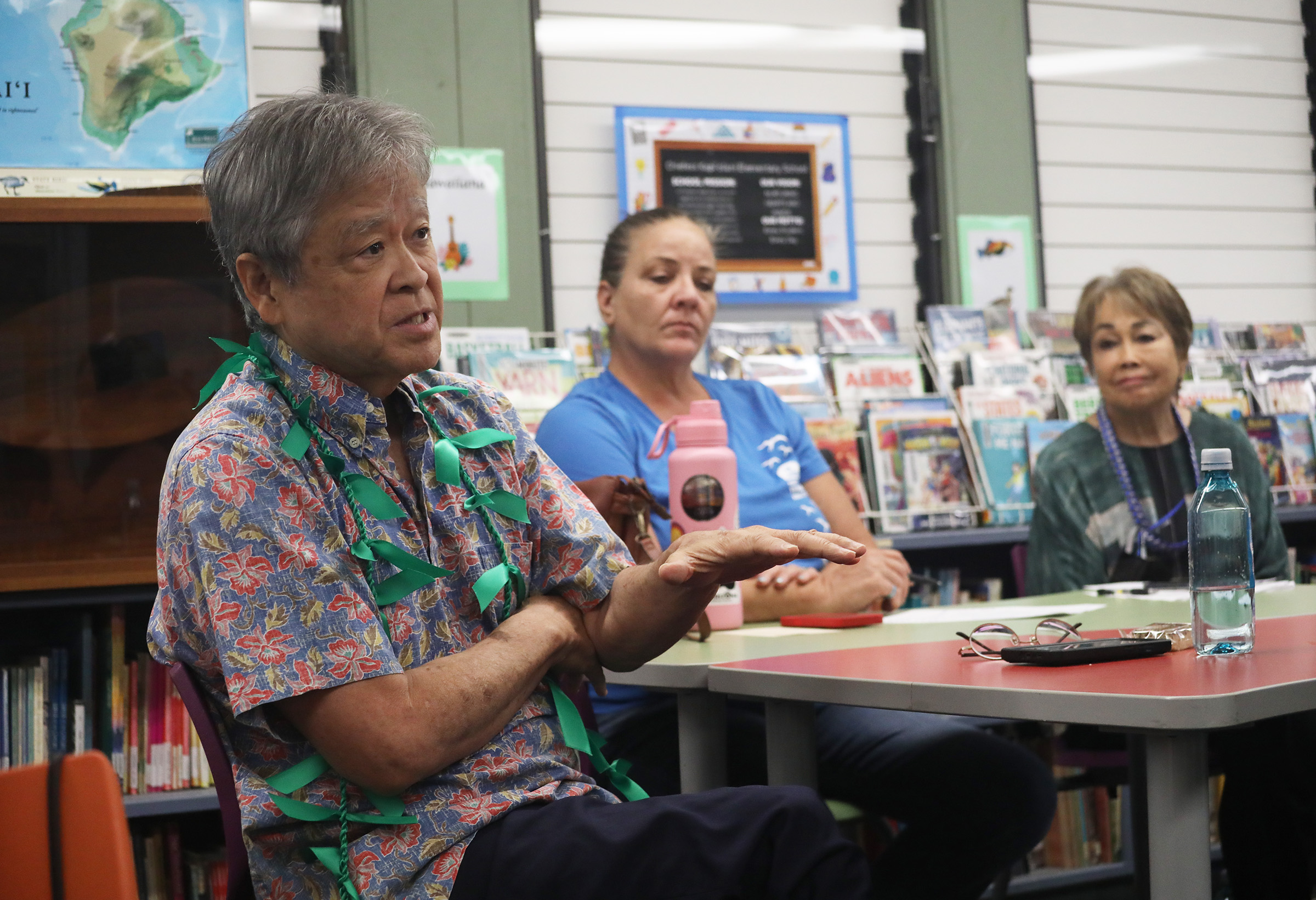
During the meeting, state Sen. Lorraine Inouye asked about the logistics of adding more preschool classes to schools and the potential factors that might hinder a preschool class being included at schools.
“Being able to move into any empty classroom or renovate a different room to accommodate preschool will all depend on the dollars appropriated from the legislature, as well as the development of qualified teachers,” said Roy M. Takumi, chairperson of the Board of Education. “That is always going to be a challenge. The compensation offered and requirements affect preschool, but also kindergarten through fifth grade.”
Takumi also noted that the school administration must support the addition of a preschool before any changes are made.
Nohea Nahale-a, director of Ka ʻUmeke Kāʻeo, explained that one reason the school does not offered preschool classes is it cannot afford an after-school program, and the Department of Education does not provide after-school options for preschool children.
“The truth is preschool teachers should get paid $150,000 for the amount we ask them to do,” Nahale-a said. “It’s a lot more than just wanting or not wanting to do it. It’s a bigger picture question of how do we get this to run?”
Following the presentation and discussion on early childhood education, the Board of Education meeting shifted to discuss changing high school graduation requirements to better suit more relevant careers and industries.
“These requirements are the same as when I was in school a long time ago,” Lee said. “I think getting the community’s perspective on what changes could be made to help our students get a better education is important as we continue to draft these changes.”
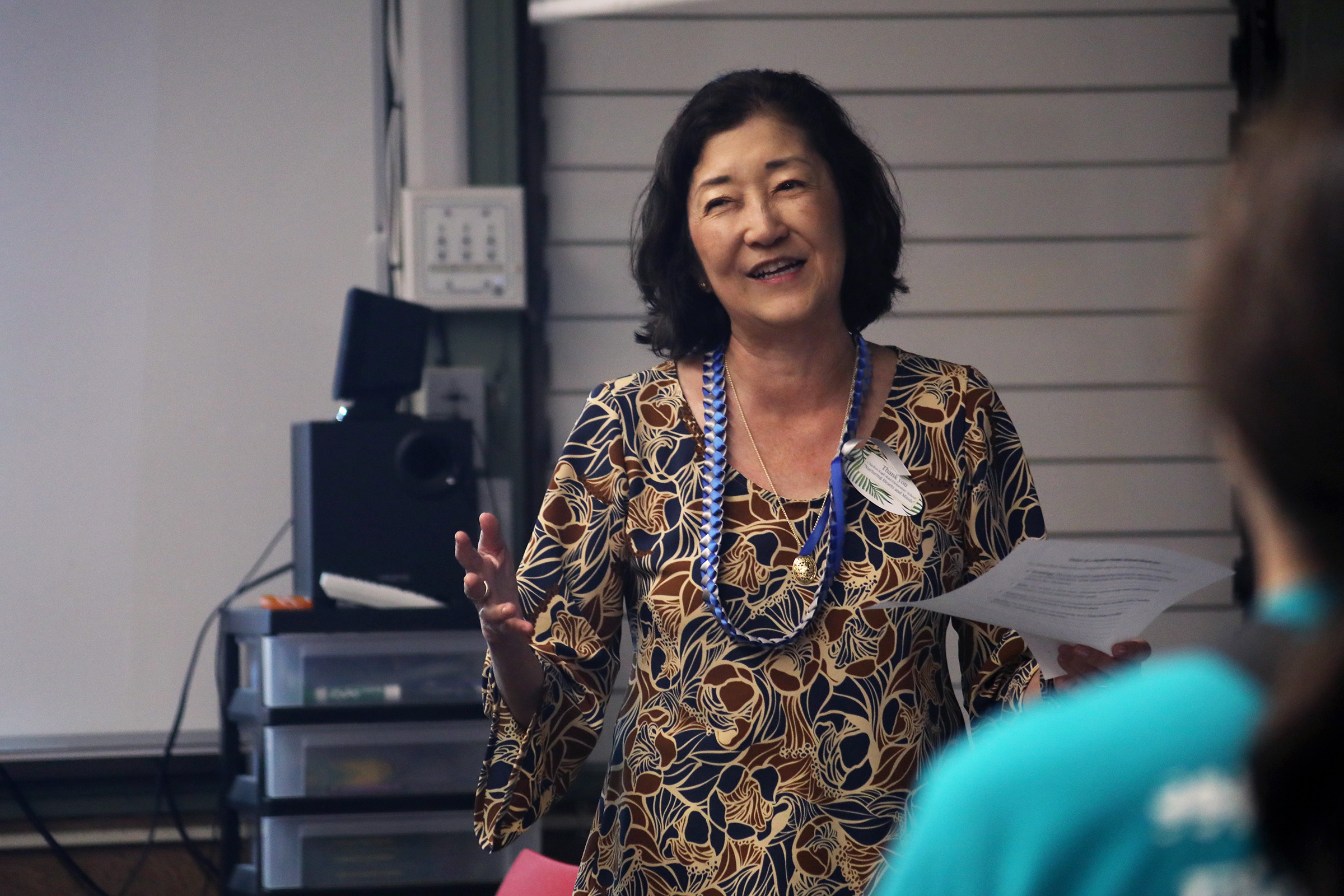
Dr. Teri Ushijima, assistant superintendent of the Office of Curriculum and Instructional Design with the Department of Education, gave a presentation on the current requirements and vision of a Hawaiʻi state graduate and potential curriculum changes.
“From the research I have done with other surveys, many people talk about the importance of adding a financial literacy class to the curriculum,” Ushijima said. “While this would be beneficial to students, it becomes a discussion because that means dropping something else, and we want to hear everyone’s opinion.”
Other suggestions included adding a required computer science class and moving some graduation requirements to the middle school curriculum.
The Board of Education plans to collect community input on graduation credits and review recommendations from the meetings, as well as surveys from students and teachers, until November this year.
In December and January, the board hopes to analyze the data and draft a recommendation. Public feedback and refinements will be collected from February to March of next year, with the recommendation going to the board for a vote.
“Taking these meetings to the community really helps us see the changes that people from all walks of life want to see with the Department of Education,” Lee said. “We just hope to reach people and inspire them to share their thoughts with us and the people around them. Community input is important for the future of education.”
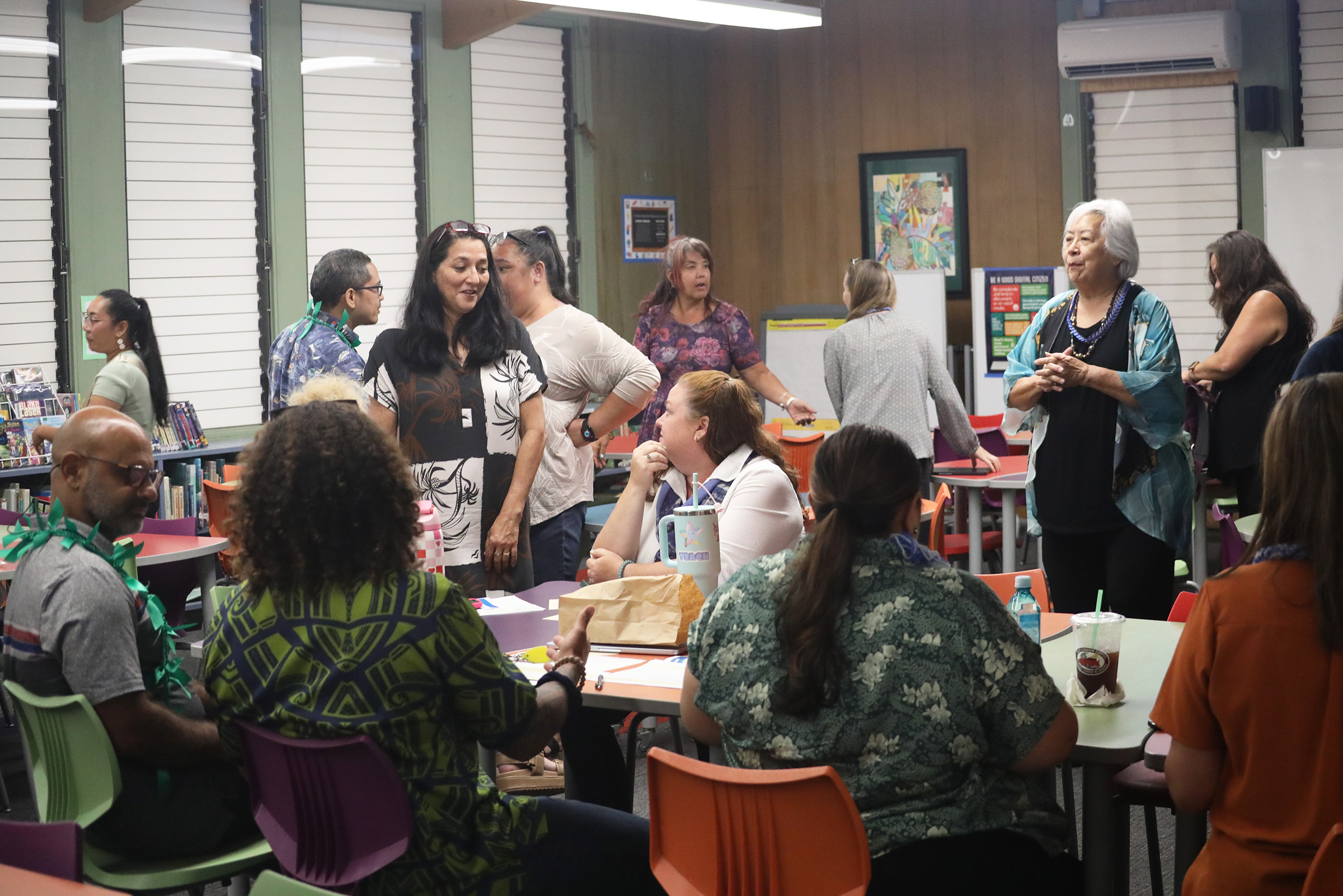
The current draft of the new vision of a Hawaiʻi public school graduate states: “The Hawaiʻi State Department of Education shall work so that every graduate has:
- Knowledge: The core academic understanding required to take their next steps in post-secondary education, career, enterprise, service and/or exploration to advance their life journey.
- Skills: The abilities to think, learn, contribute, communicate, and create in pursuit of excellence and the realization of their goals.
- Awareness: The social-emotional competencies to pursue wellness with a healthy concept of self and meaningful connections to others.
- Identity: The feeling of aloha and belonging, and a deep sense of place, community, responsibility, and citizenship.”
To learn more about the current requirements visit the Department of Education website, and to make suggestions for the new curriculum, complete the form here.
Sponsored Content

_1770333123096.webp)

Subscribe to our Newsletter
Comments