



Free training available for Big Island residents learning to care for, understand people living with dementia
Teepa Snow, 63, has spent her entire life working to change the culture of dementia care and decrease the stigma around dementia by developing affordable and positive educational training.
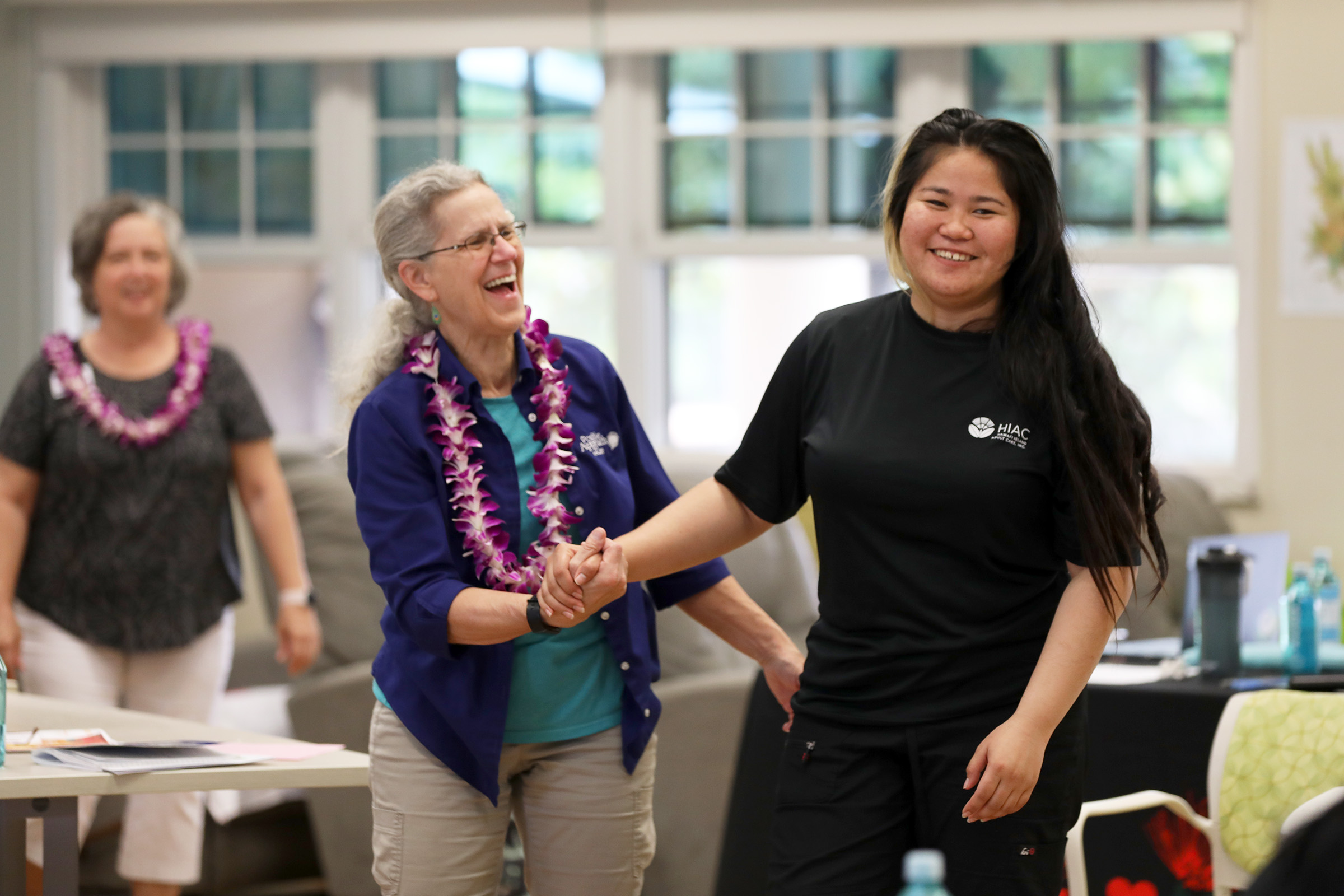
Using her extensive personal and professional experience, Snow created the Positive Approach to Care, which is a method of caring for and understanding people living with neurocognitive degeneration, most commonly known as dementia.
“When I was young, my grandfather moved in with us,” Snow writes on her website. “We didn’t know that he was living with dementia, but we knew something was different. My mom wanted to fix him, to get him back to how he had been. This caused a lot of conflict between the two.”
Snow said she learned that if she “approached him with with curiosity instead and entered his reality, I had a lot more success than my mom did.”
The Positive Approach to Care consists of several training programs and services that help the participant understand what is happening to the brain when someone has dementia while also teaching them practical techniques, so they can thrive as care partners.
“When you know more about the disease itself, you better understand how to interact with people living with dementia,” Snow said. “Your responses become more productive and the dynamic of your relationship changes.”
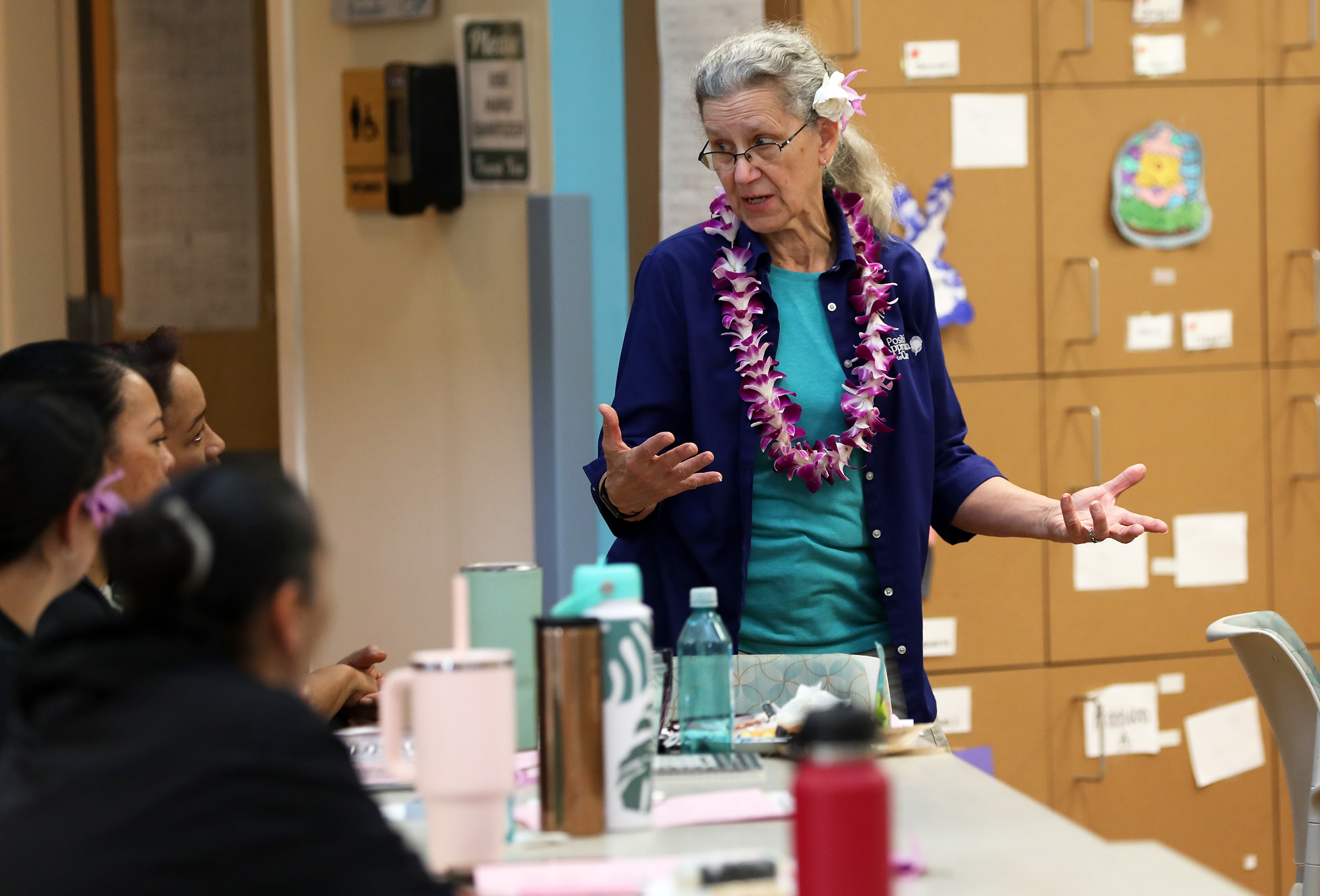
Last year, she visited the Hawaiʻi Island Adult Care Center to teach caregivers and community organizations the methods she has spent more than 45 years developing. After that one-day workshop, the care center sent some of their staff to a longer in-person training to become Positive Approach to Care-certified trainers, coaches or engagement leaders.
“Our education method gives participants a greater set of skills to make a difference for the people in their own communities,” Snow said. “Positive Approach to Care is meant to empower folks, so they can empower others.”
In February, the Hawaiʻi Island Adult Care Center was officially named the first Positive Approach to Care-designated facility in Hawaiʻi because they are now able to facilitate training sessions taught by staff.
Positive Approach to Care is now part of the employee onboarding training, and the entire staff has completed the online courses to better care for those living with dementia, said Andrea Wernli, executive director of the Hawaiʻi Island Adult Care Center.
The care center began hosting free training sessions for the community in October after a few employees completed their certification to lead training sessions for people outside the care center.
“We had team members get their certification and they are able to facilitate these training sessions for our staff, other organizations, care homes and community members,” Wernli said. “They have the ability to lead engagement activities for participants and really hit the most important information in a day-long training.
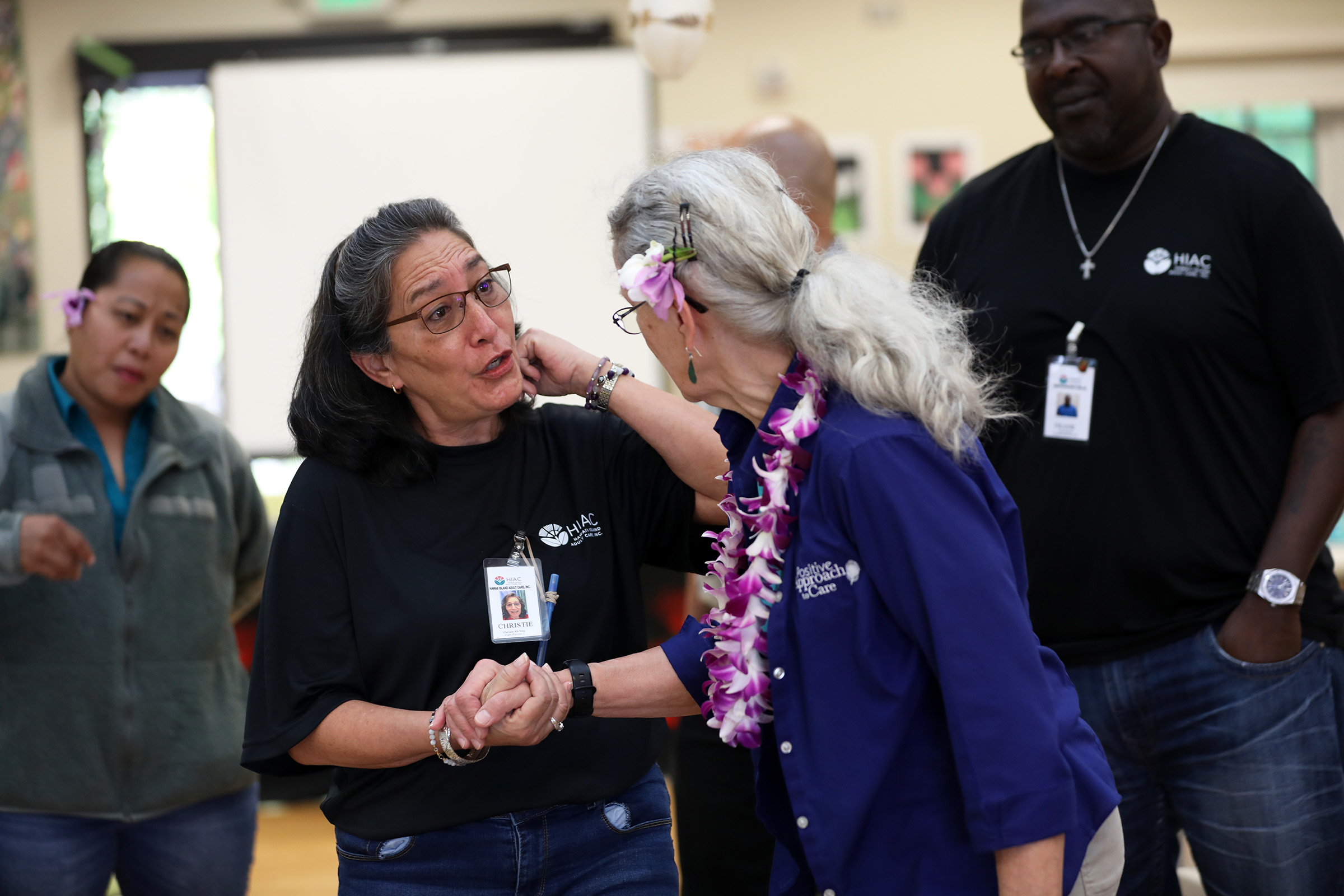
On June 4, Hawaiʻi Island Adult Care Center hosted its fifth community training for free. All five have been funded by the county with help from County Councilmember Jenn Kagiwada and the Hawaiʻi County Office of Aging.
“Our kūpuna population is rising, and there is still very little understanding of dementia, but these skills are practical for many caregivers who don’t know where to start,” Wernli said. “It’s been so helpful to have the funding from County Council, especially because a lot of these trainings are for people working as caregivers for their loved ones and they may not be able to go if it wasn’t free.”
The workshop is collaborative and uses role-play to help caregivers work through typical struggles or scenarios that often arise. Attendees learn the clinical side of dementia while also understanding the psychological impacts people experience with the disease.
“People may share their own testimonies or trainers may have a question and answer portion of the training,” Wernli said. “The back-and-forth dialogue and hands-on technique practice really solidifies the knowledge of attendees, and it has been a great experience for people across the board.”
The majority of participants attending the free trainings are individual caregivers who are looking for more information on memory care since there aren’t many accessible resources available.
Seeing the increasing amount of kūpuna and the increase in people diagnosed with neurocognitive degenerative diseases, Hawaiʻi Care Choices, which provides palliative, hospice and bereavement care to the community, is learning more about patient-centered practices for caregivers to follow at its new adult residential care home.
 A volunteer plays the piano in the music room.
- Hawaiʻi Care Choices CEO Brenda Ho, left, and the Pōhai Mālama Administrator Napualani Puniwai
- Craft room
- Sitting room
- Pōhai Mālama Adult Residential Care Home
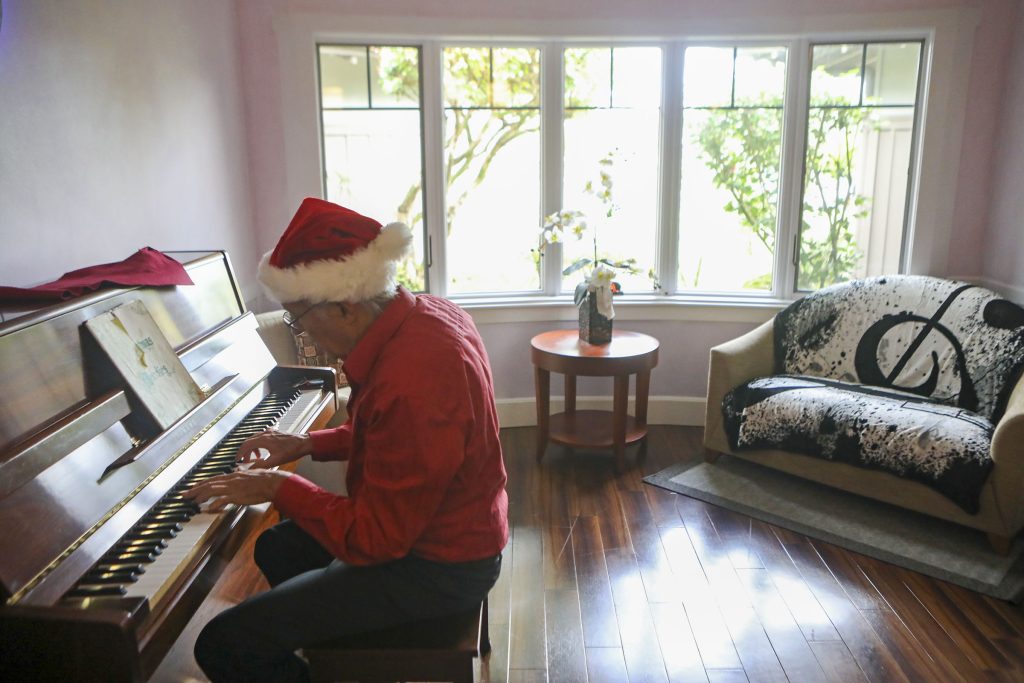
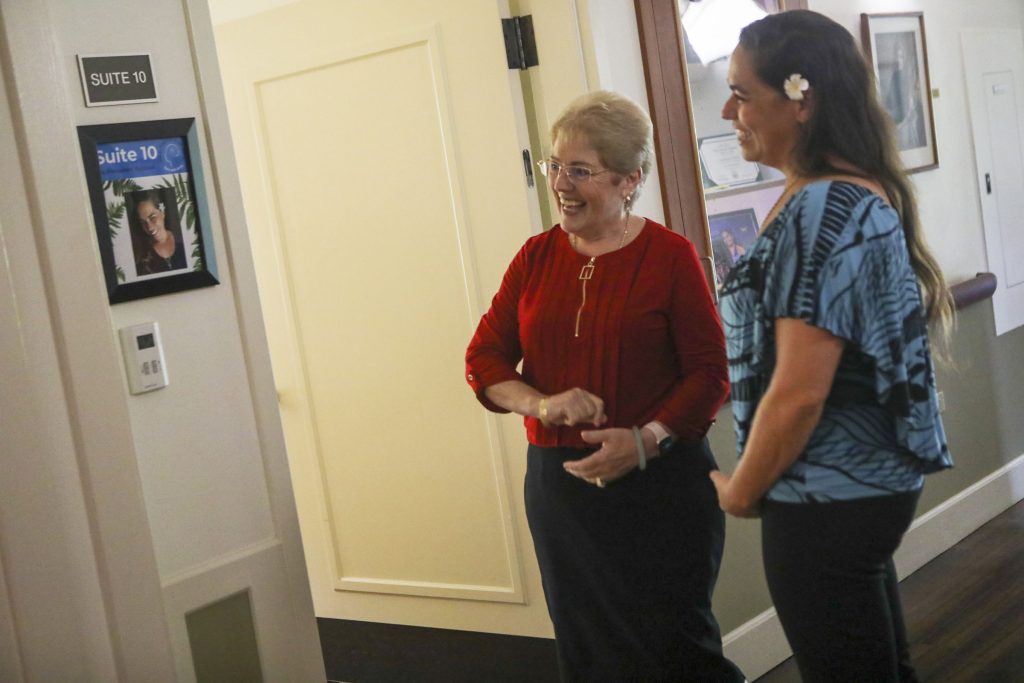
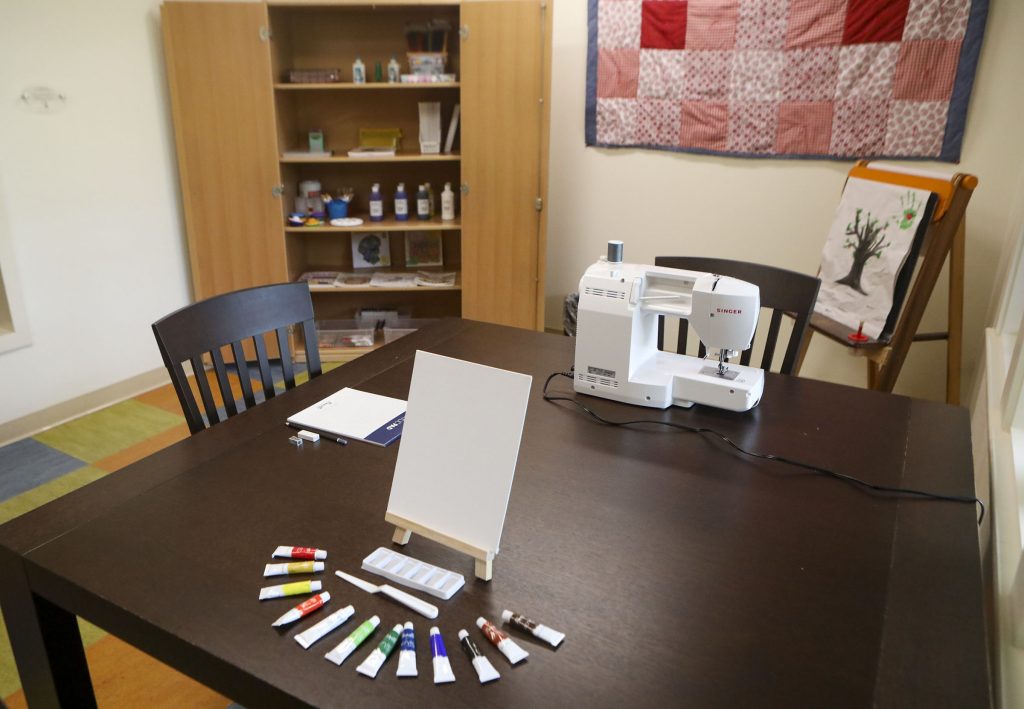
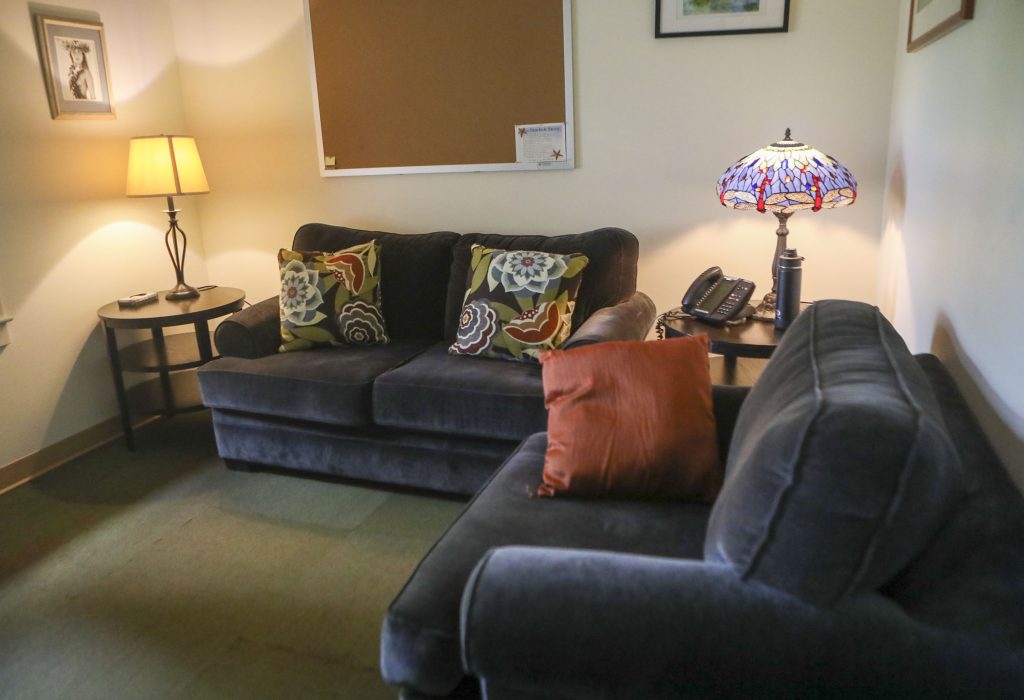


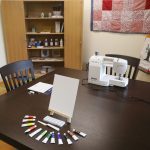


At the end of 2024, Hawaiʻi Care Choices opened Pōhai Mālama to provide 24/7 care for kūpuna while offering them enjoyable activities in a long-term adult care home.
“There are limited resources for folks experiencing memory loss, and people shouldn’t have to go off-island to get the compassionate care that we want to give them,” CEO Brenda Ho said during the opening of Pōhai Mālama. “We have amazing people and the expertise to spread this out into the community and bring more memory care into our hospice homes, as well. The need is significant.”
Through its counseling programs, Hawaiʻi Care Choices has also been able to help families learn how to better interact with their loved ones experiencing memory problems, which can cause frustration and confusion for both parties.
While understanding and properly caring for people living with neurocognitive degeneration is necessary due to the rising number of cases each year, Snow reiterated the importance of caregivers’ health and well-being.
“You can’t take care of someone if you can’t take care of yourself, and it’s so important to recognize how vital you are in the equation,” Snow said. “Building a community of people who understand dementia gives people a bigger family to lean on when they need help because everyone is willing to work together.”
Free resources about the Positive Approach to Care, such as courses, videos, written materials, and lines of communication with trainers, are available at teepasnow.com.
Those interested in applying for residency can call the Pōhai Mālama office and request an application at 808-934-2900. Hospice, palliative and bereavement care programs can also be found on the Hawaiʻi Care Choices website.
While the next Positive Approach to Care training has not yet been scheduled, Hawaiʻi Island Adult Care Center will host a Respite Saturday Workshop with Arliss Dudley-Cash, who will facilitate a discussion called “Finding Purpose and Meaning in Caregiving,” which is meant to provide support to caregivers facing a challenging season of life.
Registered caregivers can attend the workshop for free from 9 a.m. to 1 p.m. on Saturday, June 21 at the Hawaiʻi Island Adult Care Center. To RSVP, call 808-480-3733, or email development@hawaiiislandadultcare.org.
During the workday, the care center provides attentive care during the workday, interactive weekly events, and opportunities for socialization for kūpuna and adults with challenges.
For more information, visit hawaiiislandadultcare.org.
Sponsored Content


Subscribe to our Newsletter
Comments