



State board approves three conservation grants for land acquisition on Big Island
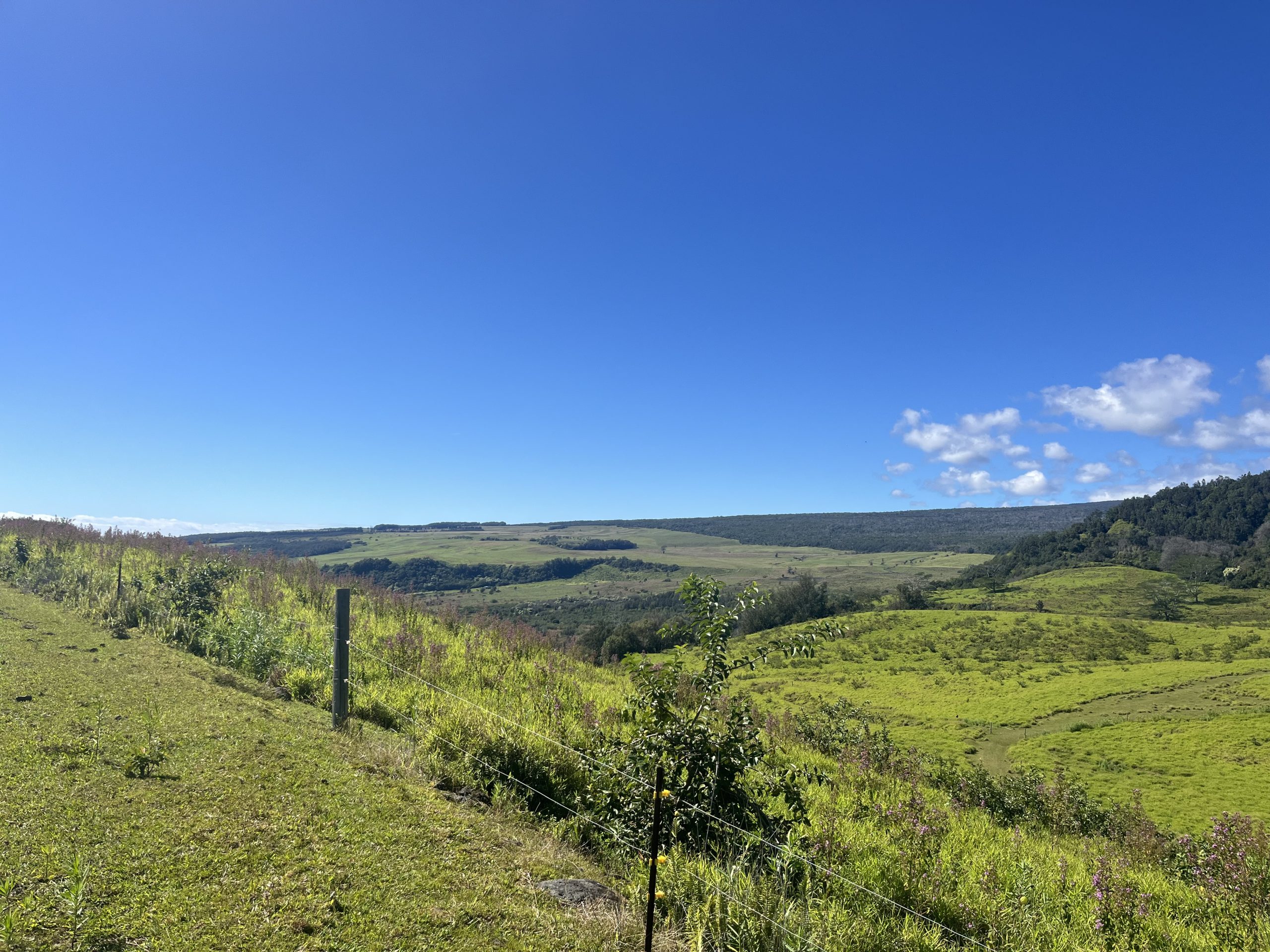
Conservation grants for the purchase of land in Kaʻu, Hilo and Kona on the Big Island was approved Friday by the Hawai‘i Board of Land and Natural Resources.
The state also approved grants for land on Oʻahu and Maui, bringing the total state funding to $7 million this fiscal year to help preserve a rare native coastal dune ecosystem, pristine native forest and ranch lands, critical estuary habitat and a mixed forest that connects inland streams to the ocean.
The recommendations for the grants from the Land Conservation Fund were made by the Legacy Land Conservation Commission and the state Division of Forestry and Wildlife. The State Legislature created the land conservation measure with permanent funding coming from dedicated proceeds from the real estate conveyance tax.
On the Big Island, the properties to be conserved and the grantees are:
- Hīlea: This grant provides The Nature Conservancy up to $2 million to purchase nearly 2,000 acres of open ranch lands and native forest in Kaʻū. The area includes the mountains Makanau and Pakua, as well as Kohailalani heiʻau, which is still in use. The Nature Conservancy will oversee the grant.
- Kawainui Makai: This grant provides the Makahanaloa Fishing Association with up to $4.7 million (with an initial, partial funding of $1 million) to buy two adjacent parcels totaling more than 80 acres surrounding the Kawainui River in South Hilo. It features waterfalls, estuary habitat for endangered species, historic rock structures, and mature mahogany and teak forestry on prime agricultural land. will oversee the grant.
- Kōkua Kealakekua: This grant provides Hoʻāla Kealakekua Nui with up to $1 million (with an initial, partial funding of $700,000) for the purchase of a 1.26 acre property is at the popular Kaʻawaloa trailhead, also known as the Captain Cook Monument Trail, in South Kona. It sits at a critical access point to Kealakekua Bay, and its acquisition enables the implementation of the Community Action Plan goals to manage the area.
The other grants:
- Ke Kīpuka o Kalaeuila: This grant provides the north Shores Community Land Trust up to $3 million to purchase a culturally and ecologically significant 170-acre oceanfront property in Kahuku, Oʻahu. This property is home to one of the island’s few remaining native coastal dune ecosystems. The land trust plans to restore the inland section to create habitat for threatened and endangered species.
- East Maui Coastal Forest. This grant provides the state Division of Forestry and Wildlife with up to $3.3 million (with an initial, partial funding of $300,000) for the acquisition of 540 acres of mixed native/non-native forest along the Hānā Highway on Maui’s northeast coast provides nesting habitat for native seabirds, foraging and roosting habitat for the Hawaiian hoary bat. It also provides connectivity of streams to the ocean.
The grant application and approval process includes consultation with three state agencies: the Department of Land and Natural Resources, the Department of Agriculture and the Agribusiness Development Corporation.
The process also requires field visits and public meetings with the Legacy Land Conservation Commission; DLNR consultation with the president of the state Senate and the speaker of the state House of Representatives and environmental review.
With the final approval by the Board of Land and Natural Resources, the next step is for the memo of the approval to be processed through the Department of Budget and Finance to approve the release of the grant funds. Gov. Josh Green must sign and approve the memo to release the funds.
Sponsored Content


Subscribe to our Newsletter
Comments