


University of Hawaiʻi at Hilo pathway prepares state’s future engineers
University of Hawaiʻi’s plan to train more engineers close to home is taking shape.
The university’s first pre-engineering pathway grew from 6 students at launch to nearly 25 today. Students can start their engineering coursework on Hawaiʻi Island, then transfer to University of Hawaiʻi at Mānoa to finish their degrees and prepare for careers in Hawaiʻi.
Students preparing to transfer got a firsthand look Nov. 12 at labs and equipment they can access at the Mānoa campus.
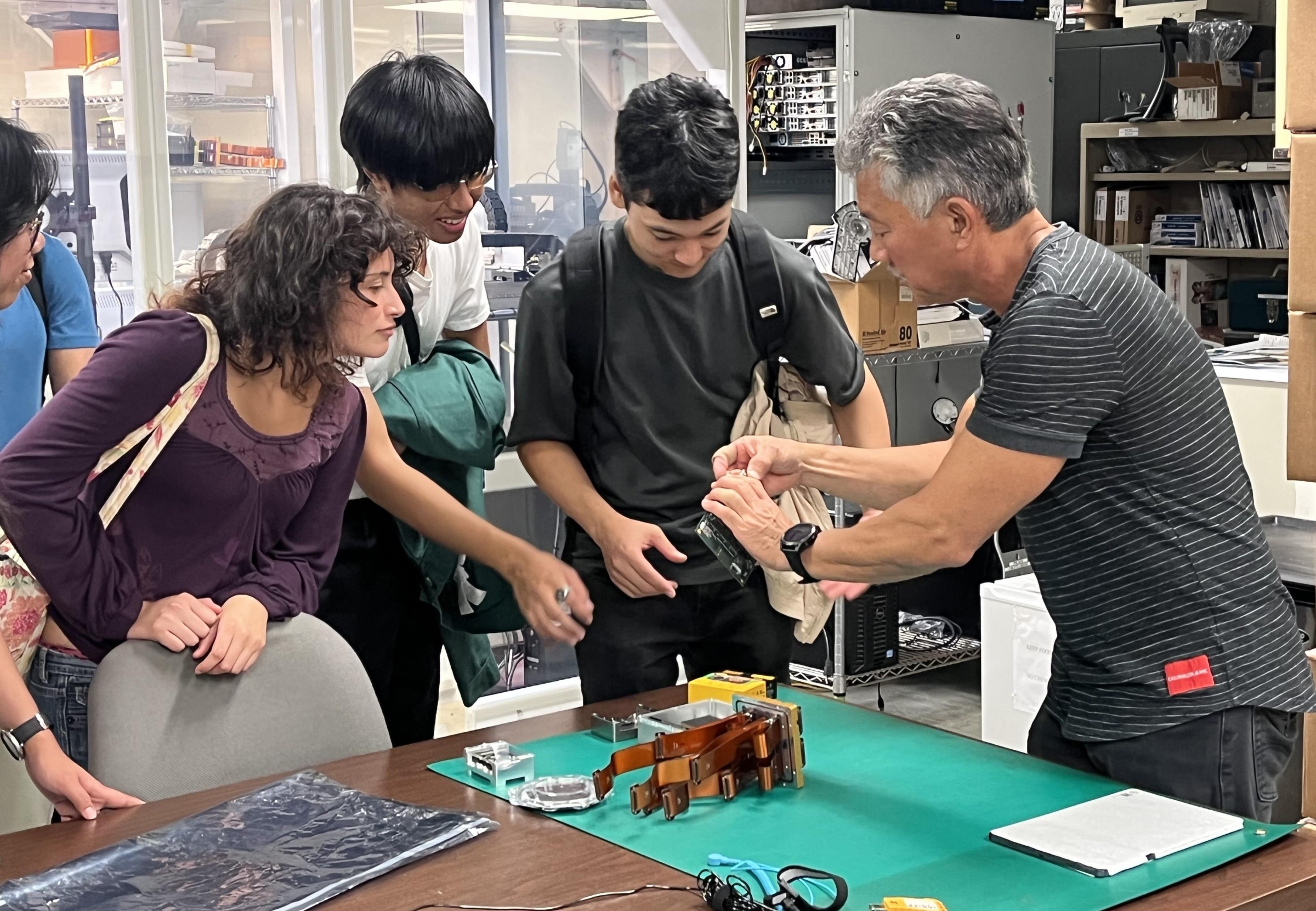
They also got hands-on with drones and explored 3-D printing equipment at the College of Engineering, learning how students and faculty are developing drones to help locate unexploded munitions in Hawaiʻi’s rugged volcanic terrain.
The group also stepped inside the machine labs at Institute for Astronomy, where teams develop instruments for telescopes.
“There is a big industry out there and we want the students to understand what that is from an early age by getting their hands in the mud and possibly getting their degree and going back and working at home,” said College of Engineering Assistant Dean Song Choi.
Honokaʻa High School graduate and university sophomore Kassandra Acidera said starting at University of Hawaiʻi at Hilo helped put an engineering degree within reach. She plans to transfer in fall 2027 to study mechanical engineering.
“My biggest concern with college was money, so having that opportunity at [University of Hawaiʻi at Hilo] to take all my pre-requisites and some of my engineering classes at [University of Hawaiʻi at Hilo] and then transferring to Mānoa, it gave me the chance to be an engineer,” said Acidera.
Fellow sophomore Colton Gapol, a Waiākea High School graduate, is set to transfer in spring 2027 to study electrical engineering. He said the visit made him feel welcome at Mānoa.
“They’ve done a really great job at welcoming us into the college and being like, ‘Come. We want you to be here. We really want you to be here. We want you to succeed and we want you to go far,’” said Gapol.
The pathway is part of University of Hawaiʻi’s Space Science and Engineering Initiative, which creates more ways for Hawaiʻi students to pursue engineering degrees and supports the development of technology for telescopes on Mauna Kea and Haleakalā and for space missions.
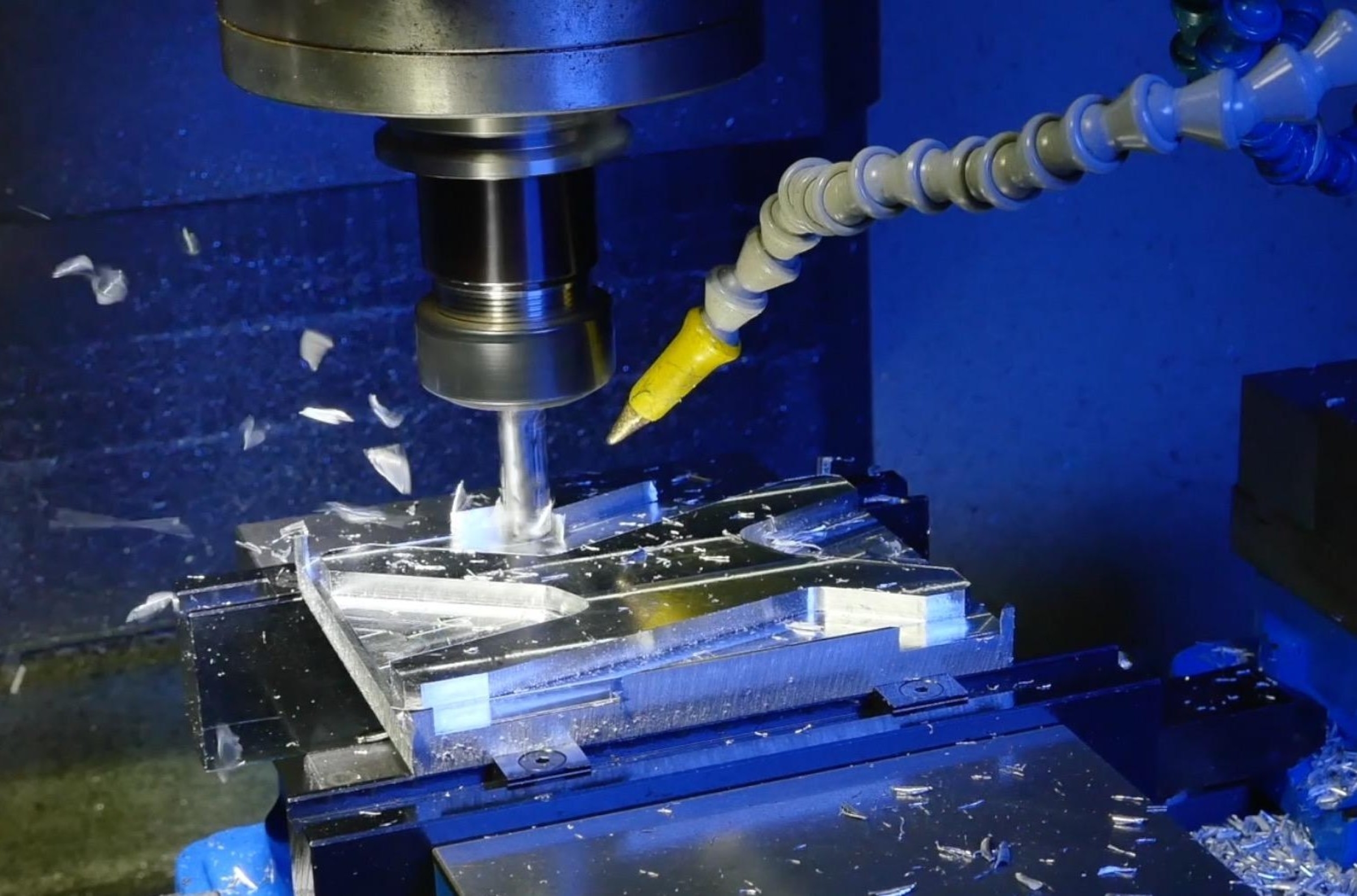
A center in Hilo is planned — with state support — to build and test instruments. The broader effort aims to grow Hawaiʻi’s technology sector and create more well-paying jobs on Hawaiʻi Island and throughout the state, particularly in astronomy and related fields.
“The students we’re training today can become the engineers behind Hawaiʻi’s next breakthroughs in astronomy,” said Institute for Astronomy Director Doug Simons. “We want more Hawaiʻi students to see a future for themselves here, with jobs that pay enough to build a life at home.”