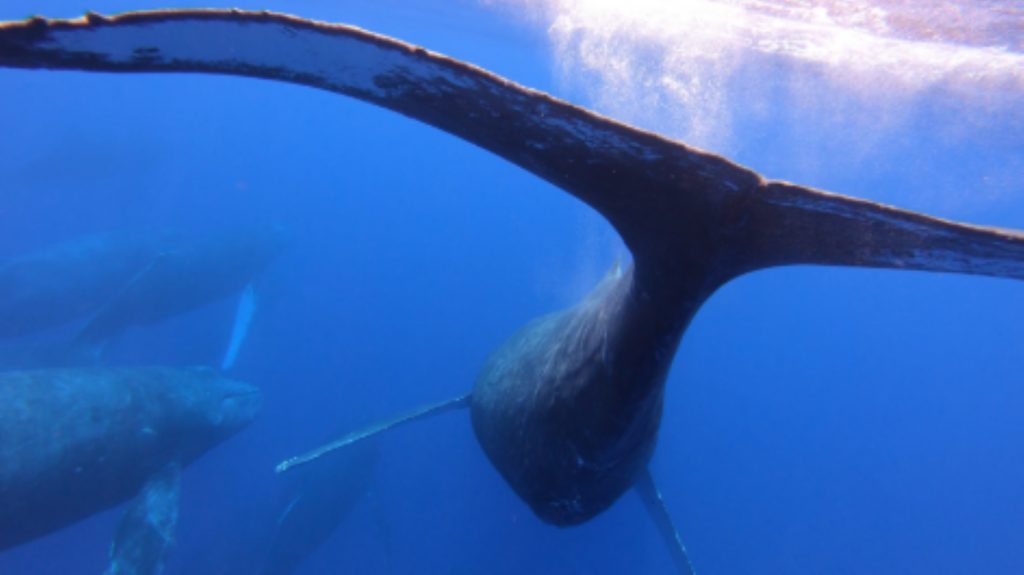


Hawaiian Islands humpback whale sanctuary welcomes return of humpbacks to islands
Thousands of humpback whales return each year between November and May to Hawai‘i waters to breed, give birth and nurse their young. Boaters are reminded to reduce speed and keep a safe, legal distance around these special seasonal visitors during this time of year.
“Humpback whale populations in Hawai‘i generally peak between January and February,” said Hawaiian Islands Humpback Whale National Marine Sanctuary Superintendent Kim Hum. “We want to remind boaters that collisions with whales are a very real risk for the next several months, and ask that you remain vigilant and slow down when in and around sanctuary waters to reduce the risk to the animals and people on board.”
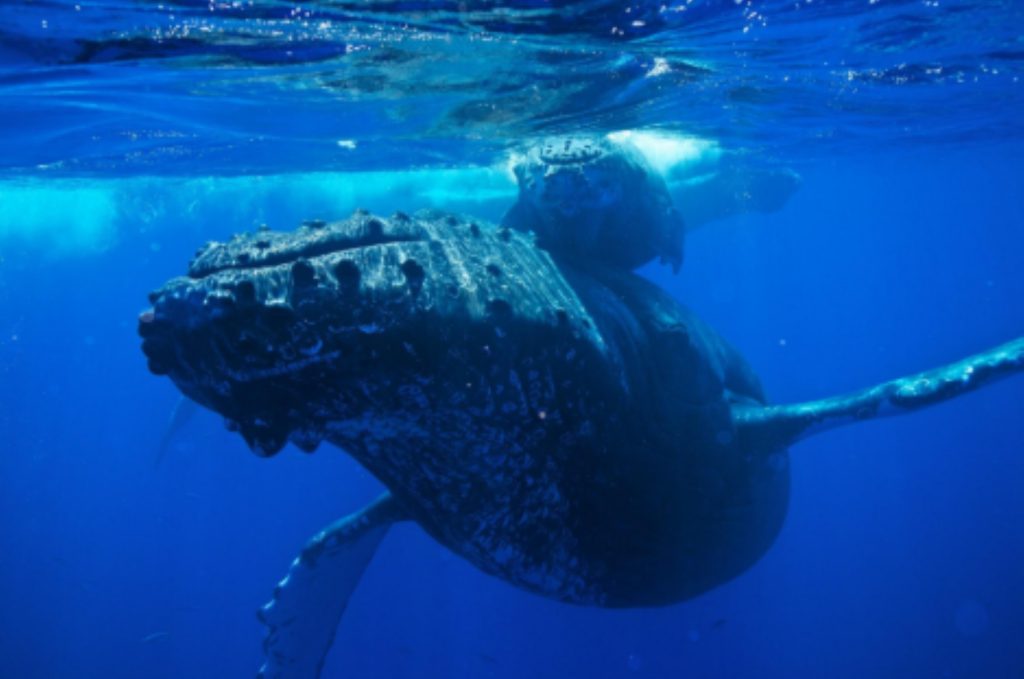
Go slow, whales below
During whale season, especially in water depths of 600 feet or less, boaters are asked to maintain a speed of 15 knots or less (or safe planing speed) to minimize the risk of striking a whale. When directly approaching a whale to view it, or departing from a viewing, speed should be reduced to 6 knots or less within 400 yards.
Keep a safe distance
It is important to give humpback whales the space they need to breed, give birth and nurse as well as prepare their young for the 2,500-plus-mile migration back to Alaska. It is illegal to approach a humpback whale closer than 100 yards by any means, including by boat, kayak, paddleboard or drone, and closer than 1,000 feet by aircraft.
If you see an entangled whale
If you see an injured or entangled marine mammal, keep a safe and legal distance and call the statewide National Oceanic and Atmospheric Administration Marine Wildlife Hotline at 888-256-9840 or radio the U.S. Coast Guard on VHF Channel 16 immediately.
“By following regulations and recommendations, ocean users can reduce their impact on humpback whales and their habitat and help us monitor them across the islands,” said Hawaiian Islands Humpback Whale National Marine Sanctuary Natural Resource Specialist Ed Lyman.
Reporting an issue
To report a vessel coming too close to a whale, call the National Oceanic and Atmospheric Administration Fisheries Enforcement Hotline at 800-853-1964 or contact your local state Division of Conservation and Resources office by phone, email or on the DLNRTip app.
Hawaiian Islands Humpback Whale National Marine Sanctuary is one of the world’s most important whale habitats and the only place in the United States where humpback whales mate, calve and nurse their young.
Learn more about responsible recreation while koholā are back in Hawaiʻi.