


OHA releases investigation documents in an attempt to move forward from scrutiny
According to reports, the Office of Hawaiian Affairs struggled to achieve its mission due to the dysfunction caused by disagreements between Board Chair Kai Kahele and former CEO Stacy Ferreira.
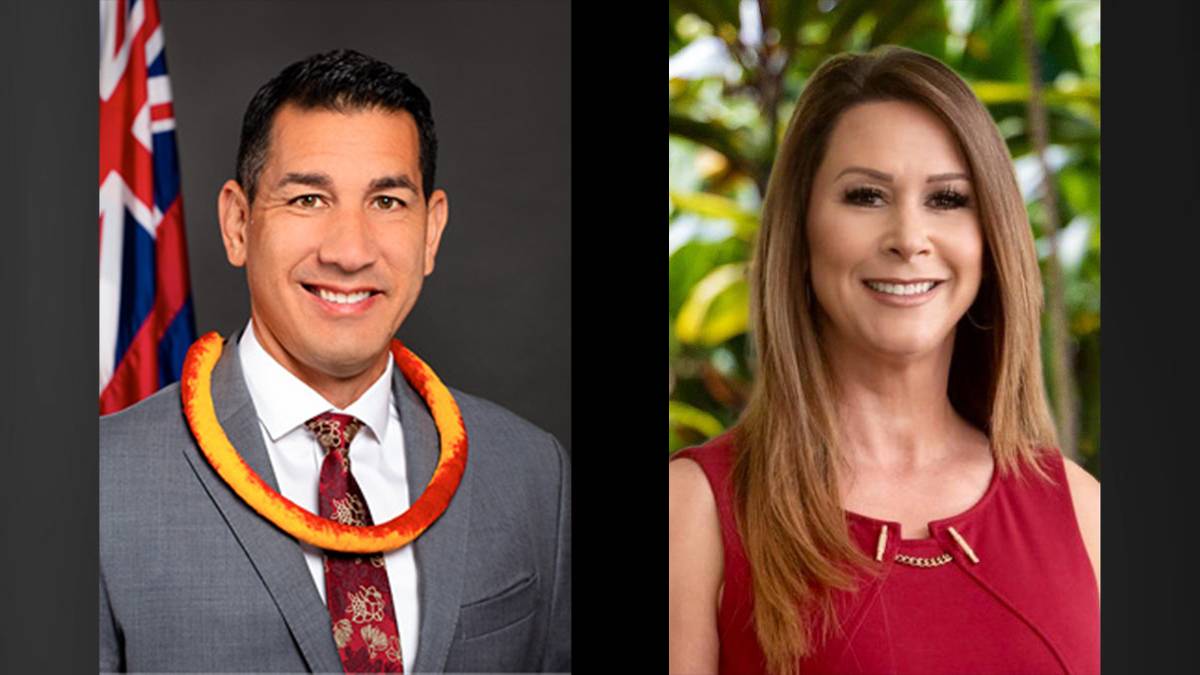
The Office of Hawaiian Affairs Board of Trustees have authorized the public release of independent investigation documents involving the former Chief Executive Officer, Stacy Ferreira, following legal review and appropriate redactions to protect legally privileged information.
During a press conference Monday, Office of Hawaiian Affairs (OHA) Board Chair Kaialiʻi Kahele reaffirmed the Board’s commitment to transparency, responsible stewardship of beneficiary resources and restoring public confidence in the institution, while highlighting a year of substantial accomplishments on behalf of Native Hawaiians.
“Our beneficiaries deserve an institution that is transparent in its actions, accountable for its decisions, and responsible in its stewardship of the resources entrusted to it,” Kahele said. “That is the standard we must hold ourselves to.”
Kahele emphasized that the release follows a legal review designed to protect employees and witnesses who participated in good faith, individual privacy interests and information protected by law or legal privilege.
“The documents speak for themselves,” Kahele said. “We will not characterize their findings or use them to advance a case against any individual. This is not about personalities. It is not about political differences. And it is not about declaring winners or losers. It is about the institution, its fiduciary responsibilities, and the public trust.”
The independent investigation documents are now publicly available through OHA’s official website.
Kahele said the Board’s action is intended to help move OHA beyond speculation and uncertainty, allowing the institution to refocus its attention and resources on its core mission of improving the well-being of Native Hawaiians.
Kahele also addressed the ongoing selection process for OHA’s next Chief Executive Officer and Administrator, expressing his support for a brief deferral of the final decision until after Hawaiʻi’s November 3 general election.
With the possibility of changes in Board membership, Kahele said allowing the election to conclude before finalizing the appointment would help ensure continuity, institutional stability and a productive relationship between the next CEO and the Board of Trustees.
“Our responsibility is not to rush this decision, but to get it right,” Kahele said.
He emphasized that selecting OHA’s next chief executive is among the Board’s most consequential responsibilities and that the process must support a successful leadership transition, maintain employee confidence and strengthen beneficiary trust.
Despite a challenging year marked by heightened public scrutiny and institutional change, Kahele said OHA has continued to advance its mission through substantial financial investments, partnerships, land stewardship initiatives and programs directly benefiting Native Hawaiian communities.
Among the major accomplishments highlighted were:
- $55 million in Public Land Trust revenues: OHA secured revenues owed to
Native Hawaiians, with resources now moving toward programming through
partnerships announced October 23. - $16.73 million in community investments: OHA distributed funding to
grassroots organizations providing housing, health, education, cultural and
economic support to Native Hawaiian families statewide. - $5.2 million for a Native Hawaiian Cultural Center: The Board approved
funding to advance a cultural center dedicated to preserving and perpetuating
Native Hawaiian language, history, traditions and cultural practices. - Kakaʻako Ma Kai partnership with DHHL: OHA advanced a partnership with
the Department of Hawaiian Home Lands involving the property known as Lot I,
creating opportunities for housing, responsible land development and long-term
benefits for Native Hawaiian beneficiaries. - Native Hawaiian Trust Fund surpasses $955 million: The Trust Fund reached
a significant financial milestone, underscoring OHA’s commitment to prudent
investment management and long-term stewardship. - Historic investment in Hawaiian-focused charter schools: OHA made its
largest-ever single investment in Hawaiian-focused charter schools, supporting
education grounded in Hawaiian language, culture and identity. - Legacy lands and ʻāina stewardship: OHA advanced land acquisition due
diligence and preservation efforts involving the Kāneiʻolouma Heiau Complex on Kauaʻi, approximately 1,980 acres adjacent to Wao Kele o Puna on Hawaiʻi Island, and the Kalaeuila and Wailupe parcels on Oʻahu. - Housing and economic opportunity: OHA continued helping Native Hawaiian families pursue homeownership through its Access to Home Ownership program while providing access to capital through its Mālama Loan programs.
- Emergency disaster relief: Through the I Ola emergency relief program, OHA delivered critical assistance to Native Hawaiian communities affected by severe storms during 2026.
- Cultural stewardship and repatriation: OHA facilitated the return of iwi kūpuna and sacred objects from Northern Ireland to Hawaiʻi.
- Youth leadership development: OHA restored ʻAha ʻŌpio and its Washington, D.C. Congressional Fellowship to cultivate future generations of Native Hawaiian leaders.
- Employee investments: OHA advanced merit-based salary increases and provided 12 weeks of paid family leave as part of its commitment to becoming an employer of choice.
- Governance and accountability reforms: OHA advanced reforms designed to strengthen fiduciary oversight, institutional accountability and standards governing trustee conduct and responsibilities.
Kahele credited these accomplishments to the collective efforts of OHA’s 165 employees, trustees, legislative partners, community organizations and beneficiaries.
“These accomplishments did not happen because of any one individual,” Kahele said. “They happened because of the collective commitment of our employees, trustees, community partners, legislative partners, and beneficiaries.”
Kahele acknowledged that the institution has faced significant challenges but emphasized that OHA’s responsibilities to its beneficiaries remain unchanged. He pointed to the continuing pressures of housing affordability, the cost of living, threats to ʻāina and natural resources, and the need to protect Hawaiian language, culture and traditions while advancing greater Native Hawaiian self-determination and self-reliance.
“The measure of this institution will not be determined by the controversies it has faced, but by how responsibly it responds to them and how effectively it delivers for the people it was created to serve,” Kahele said.
He stressed that transparency and accountability are essential to OHA’s mission and that the institution must hold itself to the same standards it expects of its community partners and organizations receiving OHA funding.
Closing his remarks, Kahele reflected on the generations of Native Hawaiians whose determination led to OHA’s establishment in 1978 and the responsibility of today’s leadership to protect that legacy.
“Our kūpuna planned for us. Now it is our responsibility to plan for our moʻopuna,” Kahele said. “That is our kuleana. That is our commitment. And that is the work we must continue together.”