

Natural disasters, climate change increase threat from invasive species for Pacific islands
The Pacific islands, home to 20 percent of Earth's biodiversity, are grappling with the spread of invasive species, exacerbated by climate change and extreme weather events.
More management and mitigation practices are taking place at island harbors and airports, but invasive species still are finding a way to populate Hawaiʻi and the Pacific islands.
The Pacific Regional Invasive Species and Climate Change management network says the Pacific islands harbor 20 percent of the Earth’s biodiversity with just 6.7 percent of the land area. However, the Pacific islands also contain the highest density of invasive species in the United States and may experience even more due to climate change.
The management network is examining the changing ecosystems in the Pacific islands that are being transformed by two large-scale, interacting threats –– invasive species and climate change.
Assistant regional administrator Heather Kerkering and specialist Elliott Parsons of the management network have been researching the spread of invasive species in the Pacific islands during times of disaster, working with other organizations and emergency management agencies to manage invasive species that have been introduced, and preventing new species from entering the islands.
As extreme weather events increase in frequency, they are drastically altering ecosystems in ways that directly or indirectly facilitate the introduction, establishment, spread and impacts of invasive species.
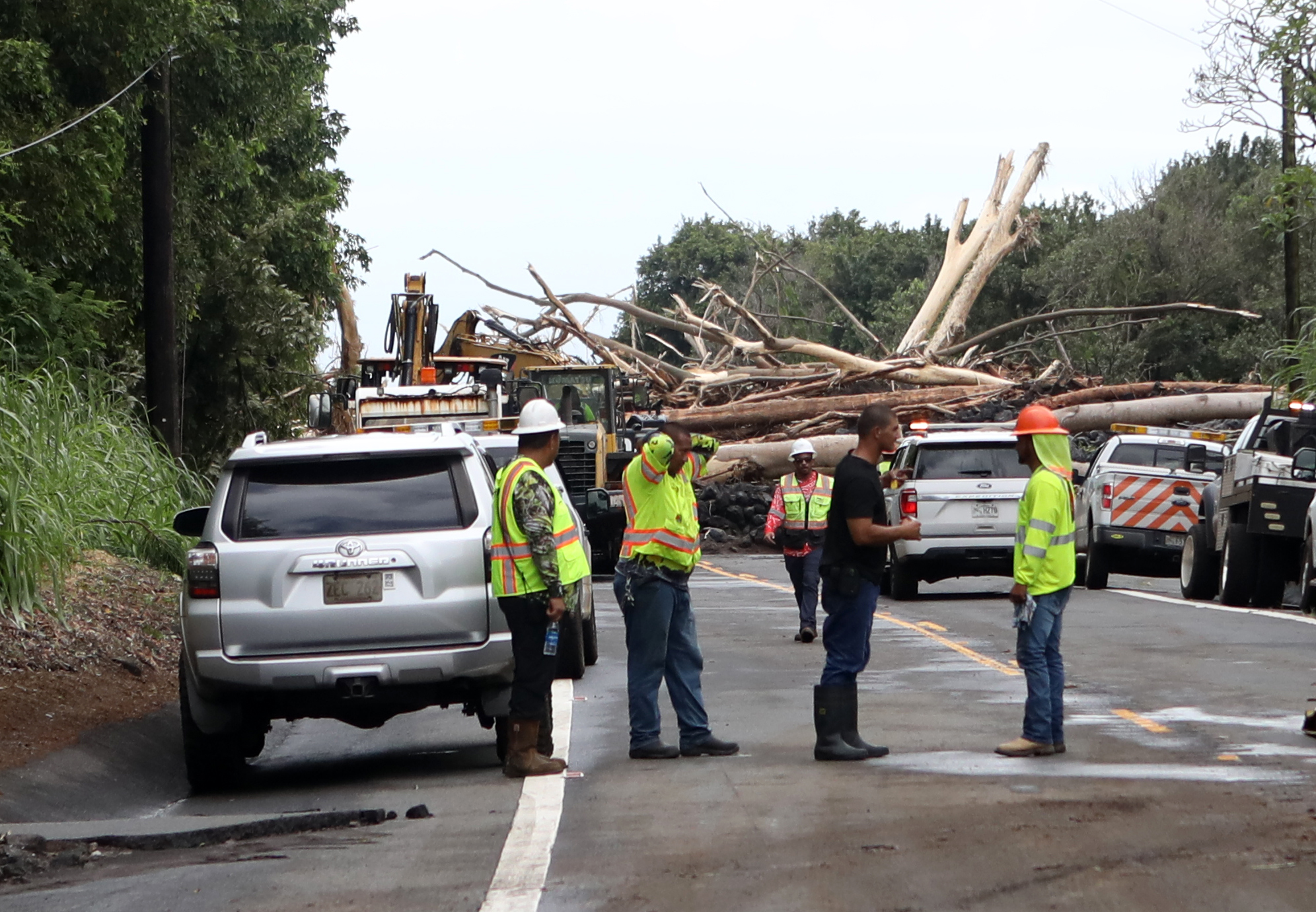
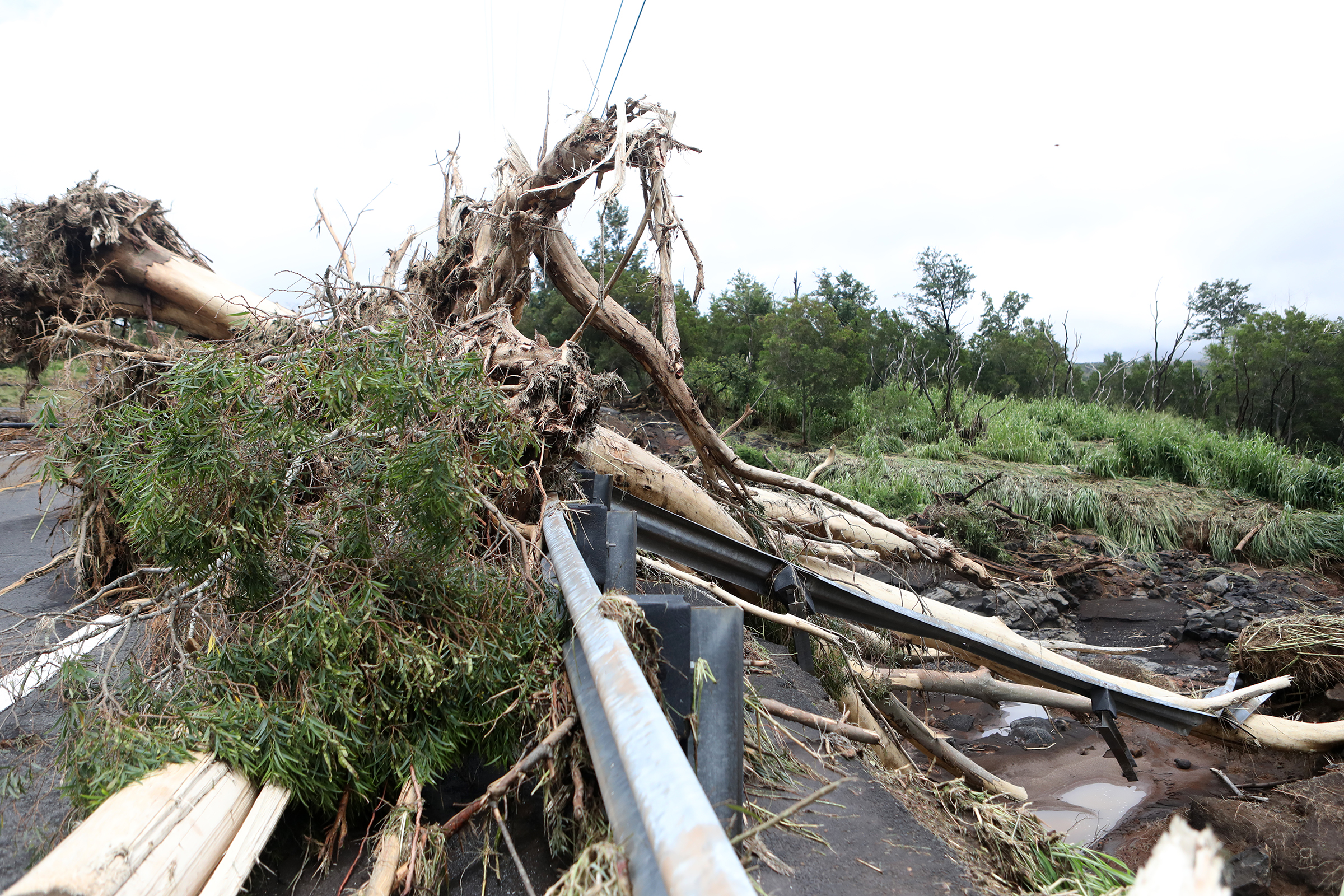
On the Big Island, albizia trees were introduced in 1917 and are known for their brittle wood and rapid growth. During Hurricane Lala, these large trees fell on electric and utility lines across the island, which caused some residents to live without power for up to three weeks.
“When we think about natural disasters and invasive species, I do think a lot of people picture the fallen albizia trees that have taken out the power or damaged other infrastructure,” Kerkering said. “Sometimes, the damage is not as obvious or happens over a long period of time. Invasive species can make an area more susceptible to a natural disaster, and a natural disaster can create more pathways for invasive species to spread.”
The coconut rhinoceros beetle was first detected in Hawaiʻi County in 2023 and has spread from Waikōloa to Kona. Specific green waste disposals have been implemented to mitigate the spread. However, on Oʻahu, the beetle was first detected in 2013 and has reached containment status rather than eradication, meaning the beetle is widely established across the island.

“Coconuts are a way of life for many of the communities in the Pacific, and preventing the spread of the coconut rhinoceros beetle to other islands is a huge effort,” Kerkering said. “However, 10 years after it was found on Oʻahu, our north shore has been transforming, and you see these tall palms feel damaged, and it is sad to see.”
Invasive species are one of the single greatest threats to Hawaiʻi’s economy, environment and public health, according to the Hawaiʻi Climate Commission.
The increase of non-native grasses has fueled a “grass-fire cycle,” increasing wildfire frequency by 400 percent in the last century.
Invasive pests like wild boar threaten local agriculture and food security, while invasive vectors like mosquitoes pose health risks to both humans and native birds.
“Hawaiʻi is covered with non-native guinea grass, which dries out quickly and forms dense mats that increase wildfire frequency and fuel destructive blazes, which we unfortunately saw in Lahaina,” Parsons said.

Kerkering added: “Right now on the Big Island, warmer air is moving up in elevation, which means mosquitoes are, too. They carry avian flu and are killing the native honeycreepers. Whether it’s carrying the flu or igniting fires, invasive species are getting open pathways to cause more harm to Hawaiʻi’s native plants and animals.”
While the Hawaiʻi Climate Commission is focused on climate resilience, wildfire prevention and protecting priority watersheds across the state, the Hawaiʻi Invasive Species Council is reaching the last year of its 10-year guiding framework to strengthen the state’s biosecurity systems.
“There is a huge effort from agencies at the county to state to regional to national level that are working so diligently and in tandem to address invasive species,” Kerkering said. “For Pacific RISCC, we are really focused on natural disasters that can spread invasive species from the moment a hazard materializes until the end of recovery efforts.”
Storm winds and flooding can transport seeds, insects and debris, while damage to vegetation can expose areas where invasive species can take hold. Recovery operations can unintentionally introduce or spread invasive species through the movement of supplies, equipment, vessels and debris.
“Emergency relief after a natural disaster is one big pathway for invasive species that maybe hasn’t received as much attention, and it is understandable because we want to get lifesaving supplies to these islands as quickly as possible,” Parsons said. “But we also don’t want to devastate the agriculture of an island from a little fire ant.”
As part of his research, Parsons found that after Hurricane Maria hit the U.S. Virgin Islands in 2017, there were three invasive species that were directly linked to emergency relief effort ships.
Two exotic species were established on the island of Dominica— the green iguana and the Cuban treefrog – as a result of disaster relief efforts, according to the study in Biological Invasions.
The tree frog has explosive growth combined with predation of both vertebrate and invertebrate endemic species and the green iguana has historically caused the extinction of the critically endangered Antillean iguana.
“We don’t want to stop emergency relief, but I think it is important that when there aren’t disasters, we’re preparing, enriching biosecurity measures, and ensuring that when it happens, these relief efforts are not inadvertently moving invasive species that will cause a lot of damage,” Parsons said.
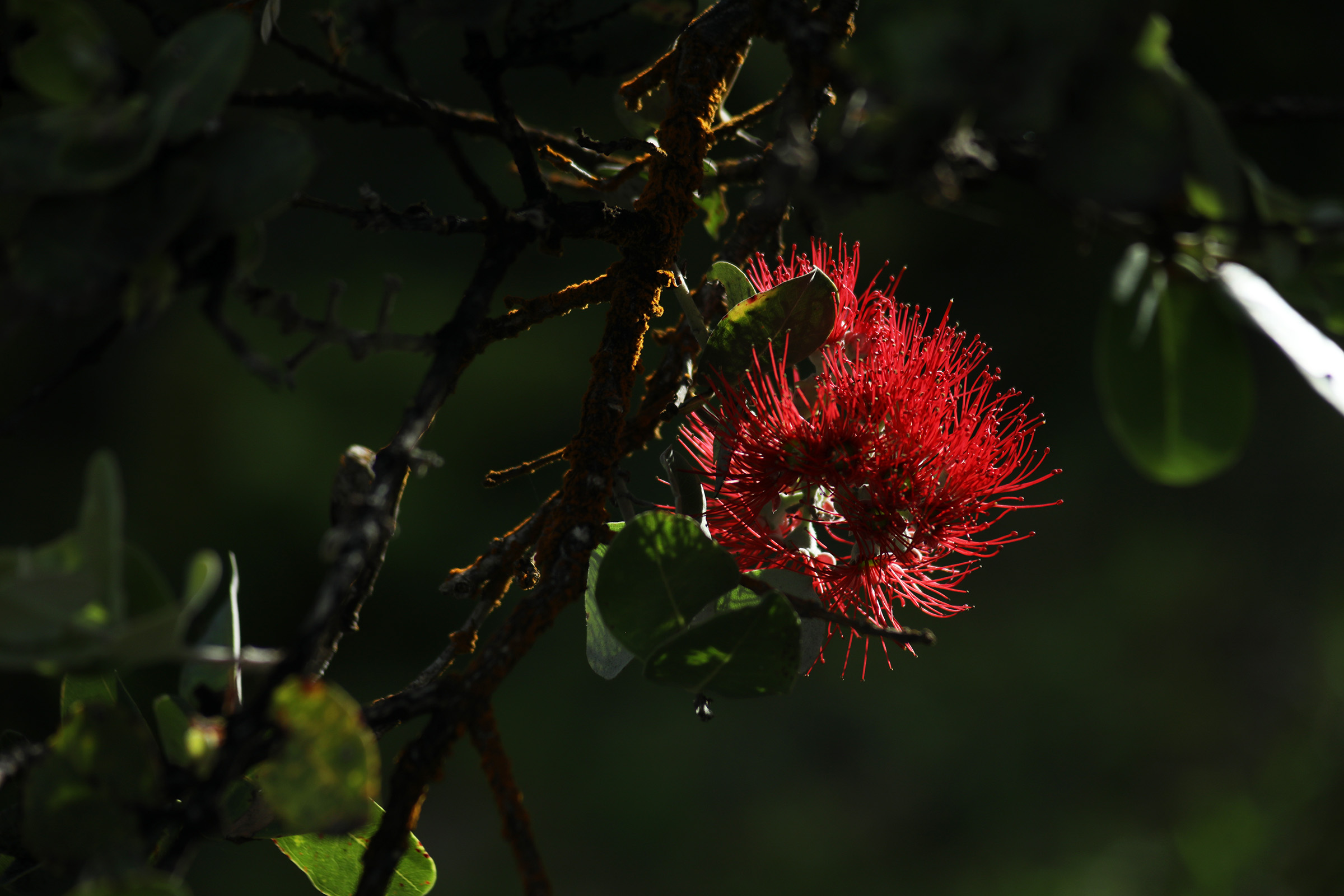
Along with the physical harm, invasive species also have a significant impact on culture. This year, the Merrie Monarch Festival announced a three-year pause on wild harvesting of three native Hawaiian plant species that are traditionally used for hula lei.
“Our message is we want the forest to be able to heal for future generations. If we deplete everything, shame on us,” said Kathy Kawelu, president of the Merrie Monarch Festival.
Kawelu stressed the appeal extends well beyond the hula community, urging all members of the public to refrain from harvesting these fragile species in wild forest lands.
The pause includes the maile, a native vine often depleted or damaged when gatherers pull out entire root systems; palapalai, an indigenous lace fern vulnerable to competition from invasive species; and ʻōhiʻa lehua, a native forest tree facing severe stress and loss from Rapid ʻŌhiʻa Death.
While these plants are important for hula specifically, organizers shared the kuleana (responsibility) among the hula community to mālama ʻāina and encourage responsible stewardship of Hawaiʻi’s natural resources.
To help prevent more invasive species from entering the Pacific islands during disaster response, Kerkering and Parsons have been speaking with emergency managers about the importance of involving environmental and cultural resource experts before sending or accepting disaster response supplies.
“You have a much better chance of eliminating the problem if you respond immediately than you do once something has settled in,” Kerkering said. “It becomes almost impossible to stop.”
Pacific Regional Invasive Species and Climate Change offers webinars and workshops on managing invasive species. To report an invasive species sighting, visit the 643 Pest website.