

New youth-led nonprofit report faces resident fears about Hawaiʻi’s future, aimed at being base to trigger action
A youth-led Hawaiʻi-based nonprofit spent 7 months earlier this year asking people throughout the state about pressures they face, what they fear Hawaiʻi could lose and what needs to change to build a better future for the islands.

Center for Tomorrow’s Leaders — dedicated to engaging, equipping and empowering young leaders for Hawaiʻi — recently released its findings from listening sessions and talking story with people on several islands as “FACING OUR FEARS: Listening to Hawaiʻi.”
More than 50 of the nonprofit’s student leaders conducted conversations with 405 residents from January through July in more than 60 communities throughout Kauaʻi, Oʻahu, Maui and Hawaiʻi Island.
Key findings
- High cost of living is Hawaiʻi’s most pressing concern, followed by transportation and infrastructure and affordable housing.
- Concerns about Hawaiʻi’s direction and their ability to build a future in the islands were remarkably similar among residents of different ages.
- Concern was expressed about quality of life and whether strong families, community relationships and the aloha spirit are being strained.
- People still think Hawaiʻi can change course. Residents offered community-centered ideas for creating a more caring, connected and resilient Hawaiʻi despite their concerns.
The effort is built around a progression from fear to listening to understanding to action.
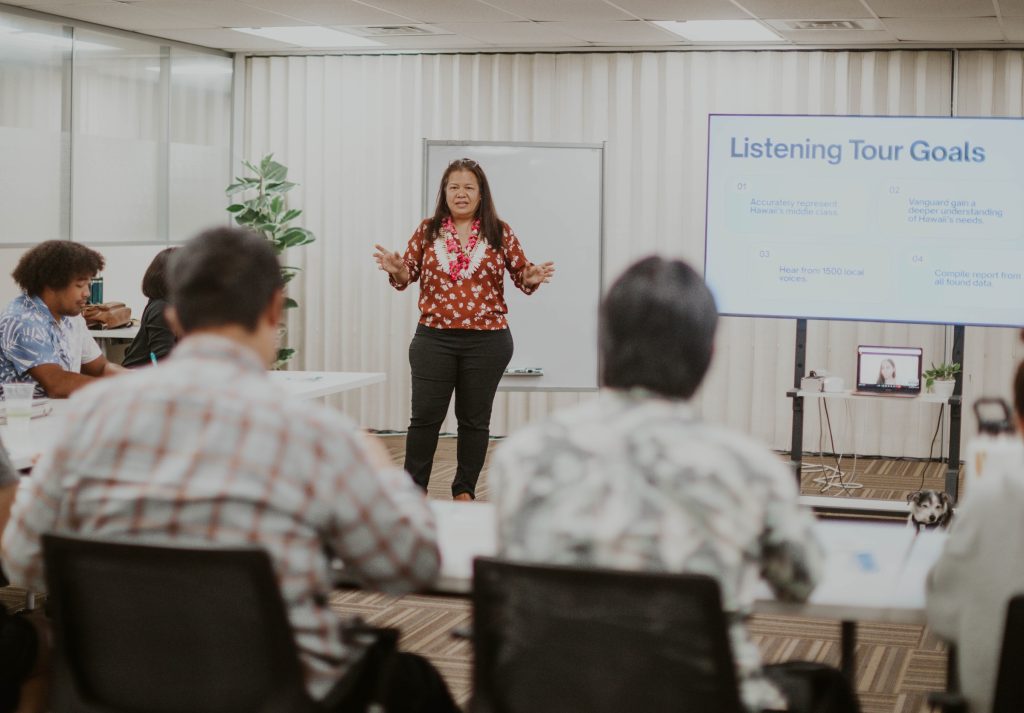
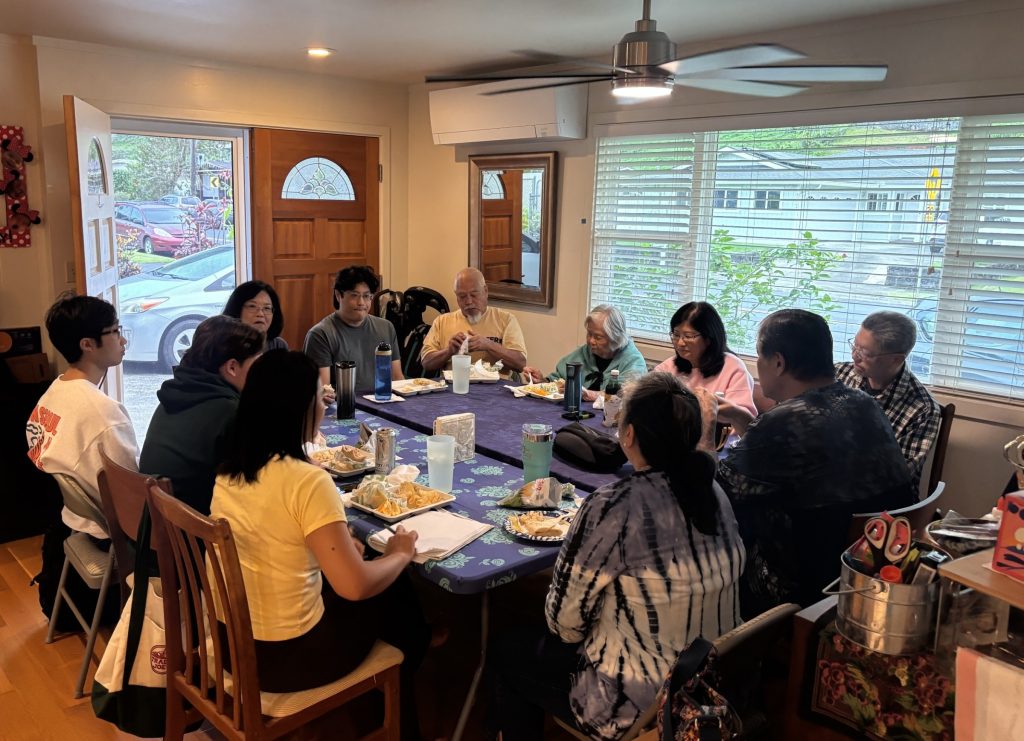
Youth leaders from the nonprofit met people in their homes and garages, at coffee shops and their workplaces as well as other gathering places for open-ended “talk story” conversations.
“We were actually listening to the middle class,” said Center for Tomorrow’s Leaders Vanguard Janyah Momoe. “We’re not, you know, just sending them a form for an online survey. We actually wanted to hear their voices and have that in-person connection with each interviewee.”
The project was managed by Center for Tomorrow’s Leaders Vanguard network, alumni of the organization’s leadership programs.
“We wanted our young leaders to begin with something that sounds simple but is critical to leadership: listening,” explained Center for Tomorrow’s Leaders Executive Director Katie Chang. “Before we talk about solutions for Hawaiʻi, we need to understand what people are experiencing and what they fear we could lose. Our young leaders heard those concerns directly, and now the challenge is how we turn that understanding into action.”
“FACING OUR FEARS” is designed to use what residents shared to encourage broader conversations about Hawaiʻi’s future and choices necessary to shape it.
“As young leaders, our conception of leadership can be more flexible, experimental, probing, and so we don’t know what’s what or what’s right for Hawaiʻi yet,” said Center for Tomorrow’s Leaders Vanguard Damien Chang. “We’ve just listened to our peers, our neighbors, our aunts and uncles talk story, and learned how they feel about Hawaiʻi.”
The conversations revealed that despite different backgrounds and experiences, residents share a common desire for Hawaiʻi’s future.
“Even if we all come from different communities, we all have the same hope and dream to just have a better Hawaiʻi, not just for ourselves but for our family, friends and our just greater Hawaiʻi community,” said Center for Tomorrow’s Leaders Vanguard Hollie Radar.
The full “FACING OUR FEARS: Listening to Hawaiʻi” report is available online.
Findings are just the beginning of the conversation.
Center for Tomorrow’s Leaders Vanguard now is initiating projects to address the report’s key findings. Those also will be shared on the website.