


Hawaiʻi Volcanoes National Park ecologist earns prestigious award for natural resources management
Hawaiʻi Volcanoes National Park Ecologist Stacey Kehaulani Torigoe is being honored at the national level for outstanding contributions understanding, protecting and managing natural and cultural resources in and around the Big Island national park.
Torigoe is recipient of the 2026 National Park Service Director’s Award for Natural Resource Management.
She will formally be named recipient of the prestigious award during a Sept. 22 ceremony in Washington, D.C.
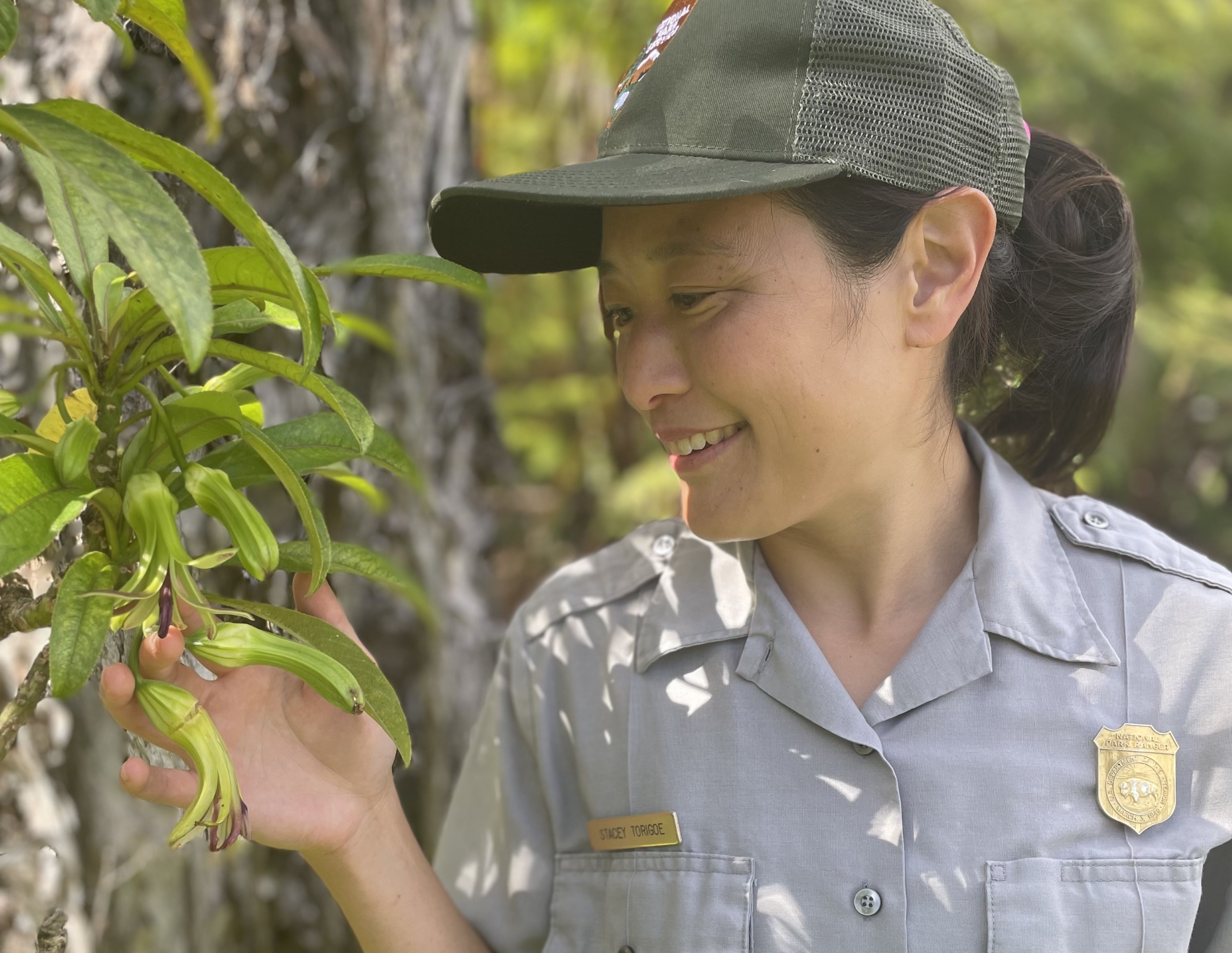
Torigoe — who was born and raised in Hilo and is a graduate of Waiākea High School — is director of invasive species and biosecurity programs for the 354,461-acre park.
She leads efforts to manage nearly 100 non-native, invasive plant species that threaten native ecosystems within Hawaiʻi Volcanoes National Park.
Torigoe and her team are the first line of defense for native plants and animals across the park’s extraordinary terrain, stretching from sea level to the 13,681-foot summit of Mauna Loa.
The ecologist has degrees from Westmont College and University of Hawaiʻi at Mānoa, and also provides resource protection leadership to parks around the Pacific Ocean region as well as serves as vice chairperson for the Natural Resource Advisory Committee for the Pacific West Region.
Torigoe’s team removed 308,066 invasive plants and prevented dozens more from becoming established this year in the Big Island national park, specifically targeting faya trees, fountain grass, bleeding heart, African tulip and other invasive plants that can alter soil chemistry and overtake native forests.
They also helped stop the spread of destructive insects such as little fire ants.
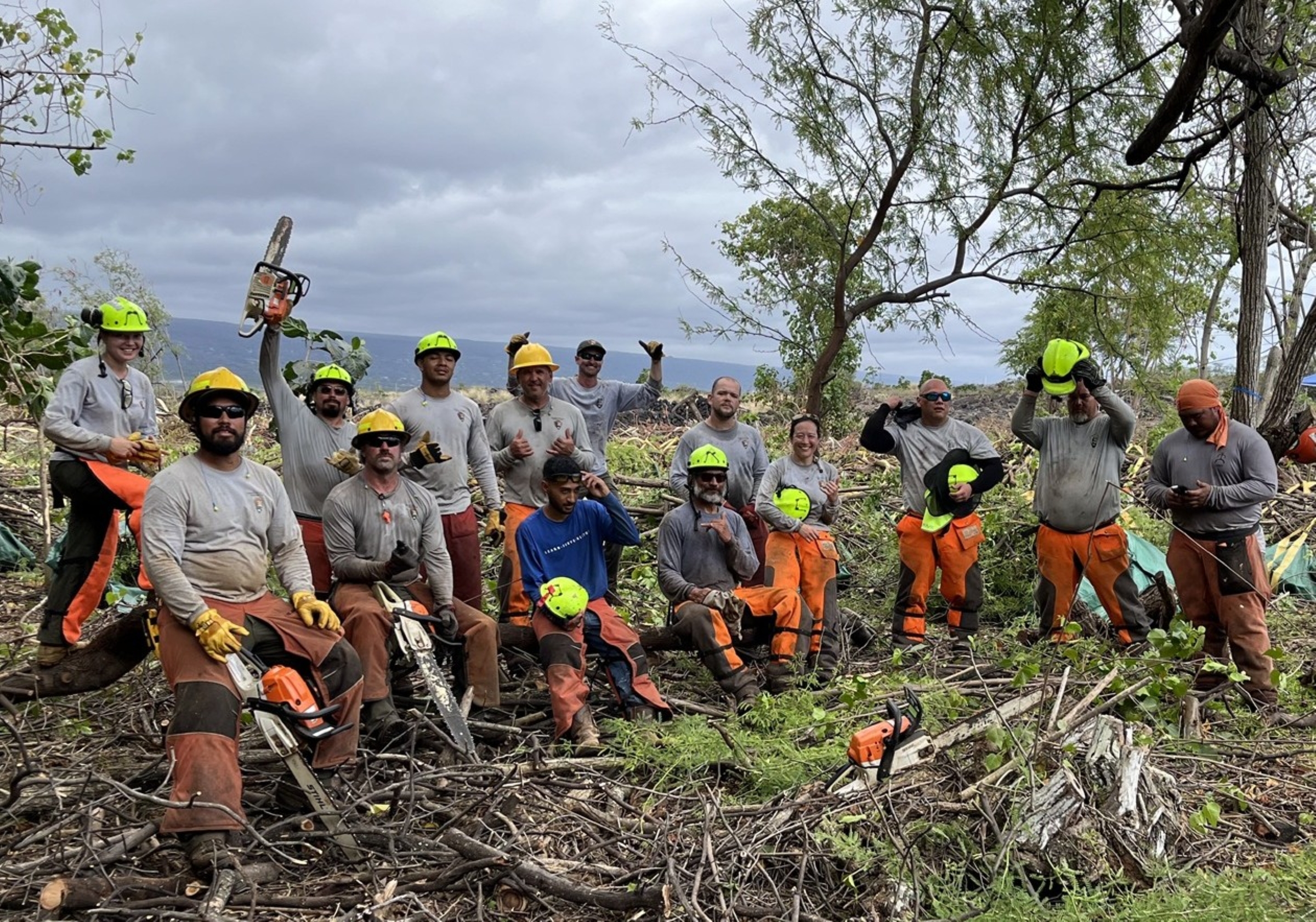
“Stacey tackles the complicated stewardship challenges we face in Hawaiʻi Volcanoes National Park with effective, practical action,” said Park Superintendent Rhonda Loh. “She and her team continue to protect Hawaiian ecosystems and keep critical biosecurity operations going when they could easily be disrupted. They are making a real difference for the resources we are trusted to protect.”