


Hawaiʻi Gov. Green, Secretary of the Army sign non-binding document about military use of state land
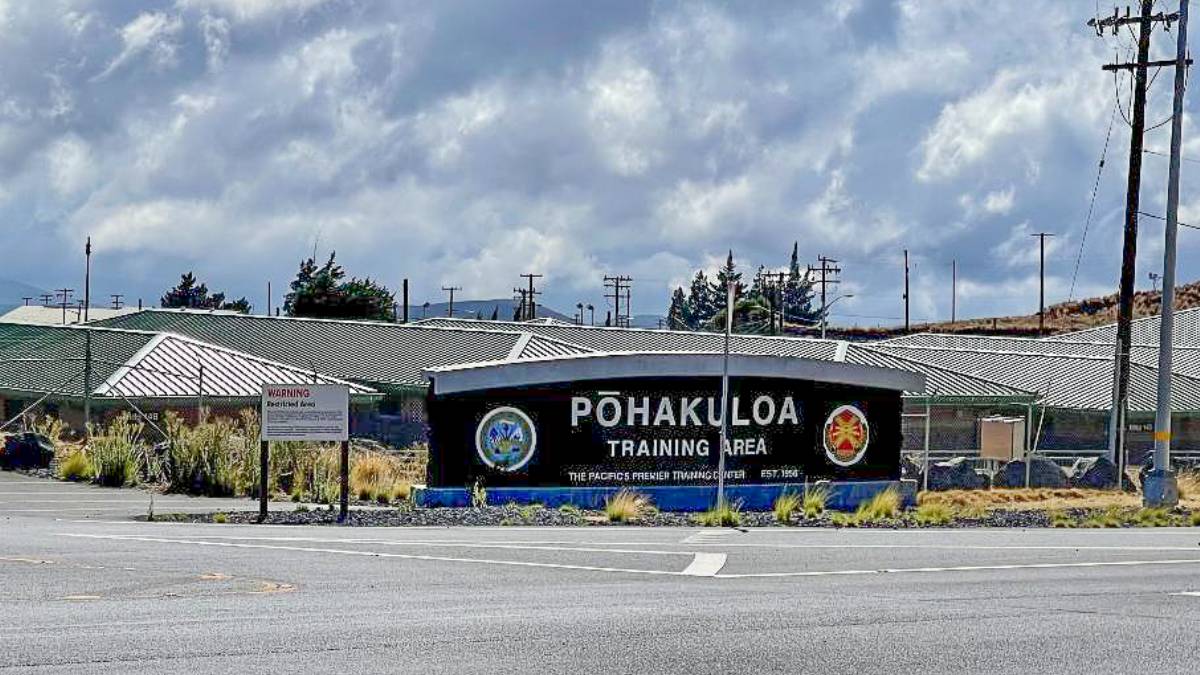
The State of Hawaiʻi and the U.S. Army have established a non-binding statement of principles about state-owned land that currently is being used by the military, according to press releases from the state and Army.
The statement of principles, signed by Gov. Josh Green and Secretary of the Army Dan Driscoll, reflects a shared understanding about how Hawaiʻi and the Army will continue discussions about protecting lands used by the military, while also supporting national security.
The Army currently has several long-time leases on state-owned land, including on the Big island and O’ahu, which are set to expire by the end of this decade.
The Army’s lease of Pōhakuloa Training Area on Hawaiʻi Island was originally signed in 1964 for just $1. The current lease is set to expire in 2029.
In May, the Board of Land and Natural Resources voted not to accept the U.S. Army’s final Environmental Impact Statement at the Pōhakuloa Training Area. The Army is seeking to return nearly 3,300 acres of Pōhakuloa leased lands back to the State of Hawai‘i and retain 19,700 acres in a new agreement with the state to sustain its mission there.
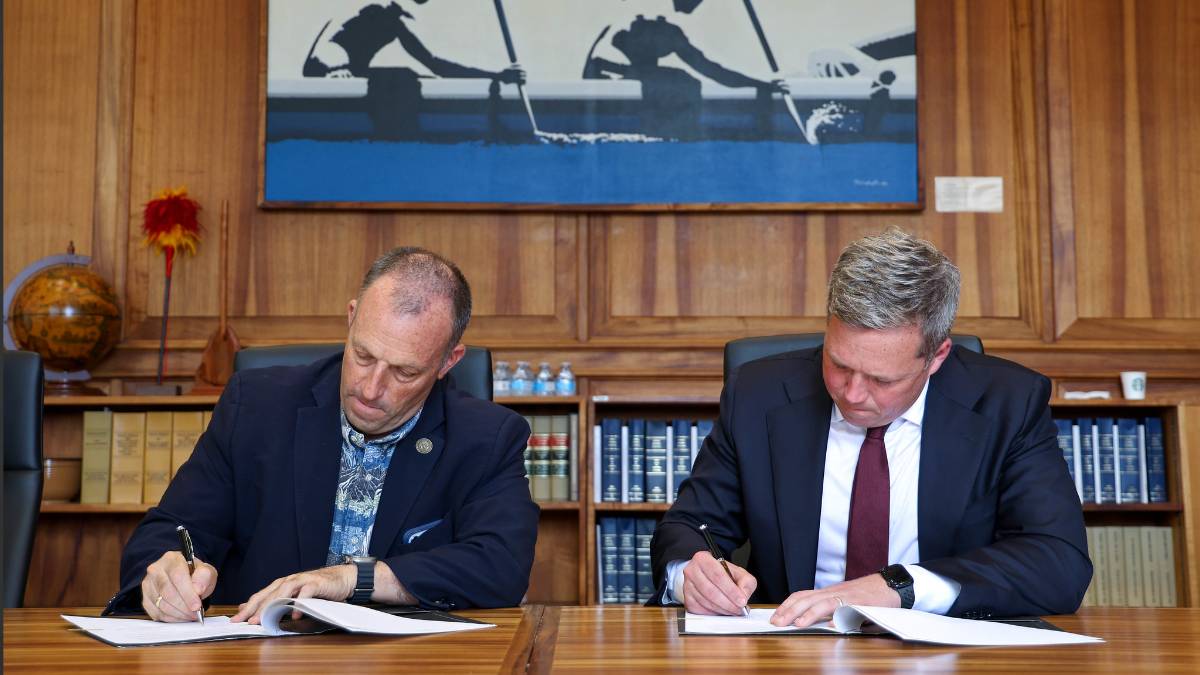
During the signing of the statement of principles, Green said: “This is not a contract. It is a framework. It gives us a way to keep the conversation going and to show respect for both sides. Most importantly, it gives the people of Hawaiʻi a voice in shaping what this process delivers for our communities.”
Driscoll echoed Green’s sentiment that the statement of principles represents a start of constructive engagement rather than an iron-clad agreement.
“This framework supports transparent, open and continuous conversation to ensure that both the Army’s and the State’s key requirements are satisfied,” the Army’s press release said.
The statement of principles highlights the areas of discussion between the state of Hawai‘i and the Army:
- Considering options to return land to the state of Hawai‘i;
- Exploring ways to clean up unexploded ordnance and improve stewardship;
- Discussing federal support for housing, infrastructure and energy;
- Recognizing Hawaiʻi’s role in national security and the importance of the local communities and culture.
“The military and our country needs Hawaiʻi,” Green said. “Hawaiʻi must also protect its land and culture. This statement of principles shows we can and will do both.”
Green added: “It opens the door for meaningful discussions about returning some areas for community use, clearing unexploded ordnance, as well as federal support for infrastructure, housing and the environment. It also recognizes that Hawaiʻi is central to security in the Pacific and for our nation.”

But it is the Hawaiʻi State Board of Land and Natural Resources that has the sole authority to renew the Army’s land leases. The governor cannot override the board’s decision, according to the state Department of Land and Natural Resources.
The governor’s office acknowledged in a news release in August that it is playing a “facilitating role” and that any formal exchange would ultimately require the Board of Land and Natural Resources action and compliance with state law.
In September, after hearing three hours of public comment on Wednesday, the Hawaiʻi County Council unanimously passed a resolution urging the U.S. military to cease bombing at Pōhakuloa Training Area.
The resolution only provides a message about what the county wants. It does not have any legal authority and cannot mandate what the state or the Army does with the state-owned land.
Green and Driscoll anticipate working toward a memorandum of understanding by the end of this year, with the goal of outlining clear parameters for a suitable land arrangement and addressing the issues most important for Hawaiʻi’s communities.
Hawaiʻi residents can share their constructive ideas about how federal support can best serve Hawaiʻi’s future, or learn more about the land leases, by going to Engage.Hawaiʻi.gov.