

Survey: Only 3% cite economic opportunity as reason to stay in Hawaiʻi
Hawaiʻi nonprofit Holomua Collective’s third annual Hawaiʻi Affordability Survey paints a comprehensive picture of a local workforce that remains committed to the islands while constrained by a lack of economic opportunity and high costs.
Previous years documented the onset and deepening of a cost-of-living crisis; however, the 2026 study also examined whether working families think they can get ahead in Hawaiʻi.

The findings reveal a gulf between personal loyalty and economic reality, showing 76% of respondents stay in Hawaiʻi for family, 72% for culture and 68% for lifestyle, an anemic 3% cite economic opportunity as a reason to remain in the state.
Many respondents like their jobs, but see limited opportunities to advance. Nearly half reported their income increased, yet only 1 in 4 had increases that kept pace with inflation.
The 2026 survey represents the organization’s largest dataset to date, gathering responses from 5,167 residents employed in health care, government, higher education, energy, finance, construction, communications, technology, consumer goods, retail, human resources, insurance, natural resources and nonprofits.
“Many of the roles here pay a significantly lower wage than the same role on the continental U.S., even though our housing and daily expenses are among the highest in the country,” said an anonymous survey respondent from Hawaiʻi Island. “As an educated Native Hawaiian, it breaks my heart to think that I may not be equipped to stay here and may need to leave the only place that I’ve ever called home.”
A higher-earning cohort than in previous years was captured by this year’s survey, with an average household income of $151,240 and median of $140,000, 40% higher than the state median of $100,389.
This group of respondents show that even families outside the asset-limited, income-constrained, employed, or ALICE, category face struggles, and higher earnings have not shielded residents from systemic financial strain:
- 73% of respondents expect they will have to move or are unsure if they will have to move to a less expensive state, consistent with 2025 findings.
- 64% remain housing cost-burdened, with total monthly housing expenses averaging $3,044 ($3,667 for homeowners and $2,591 for renters).
- 40% of households with children spend more than 15% of their income on child care.
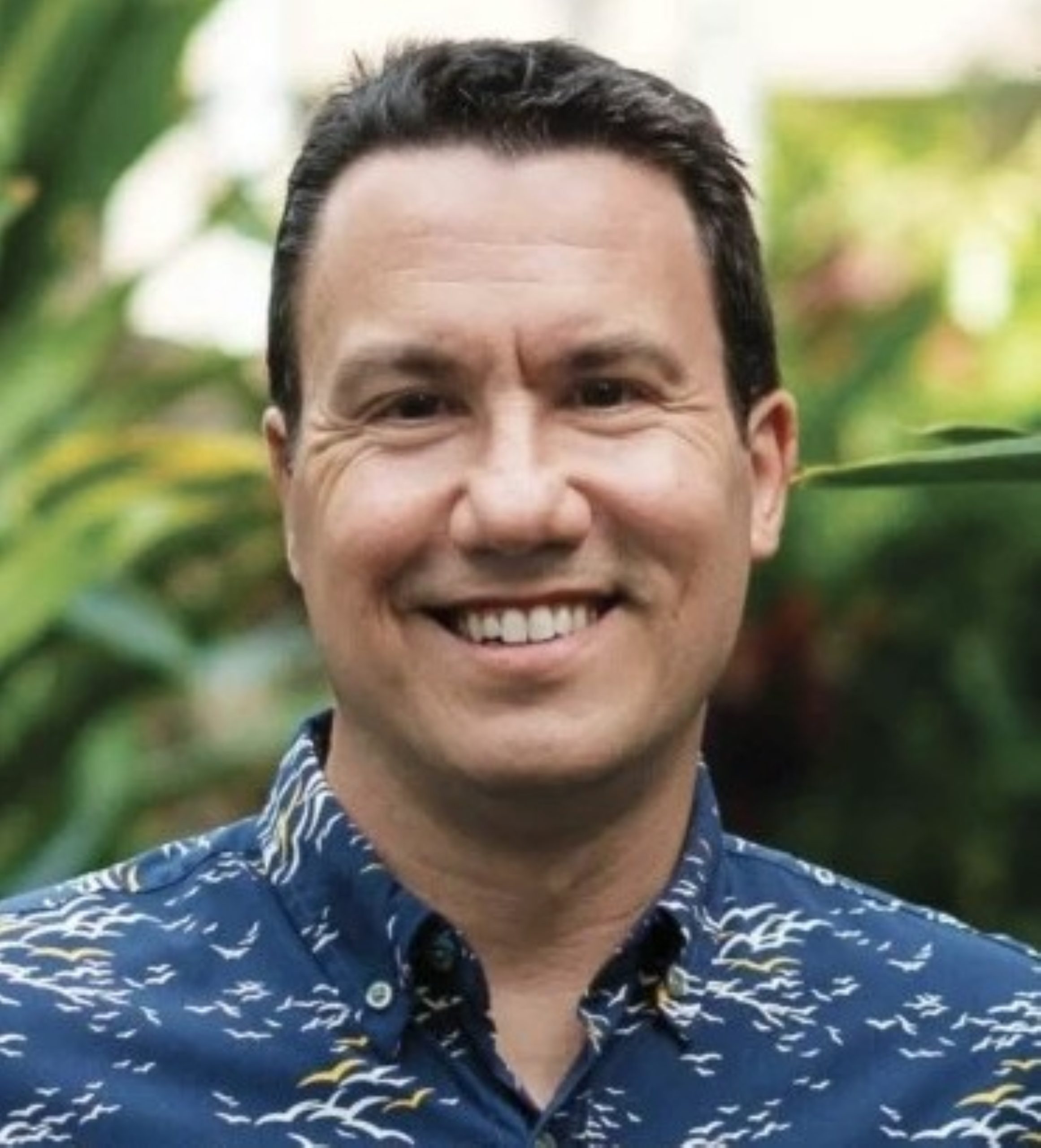
“The people represented in our survey are longtime local residents, working for local organizations, and they yearn to stay here in Hawai‘i,” said Holomua Collective Executive Director Josh Wisch. “They are rooted in their communities and dedicated to their work, but culture and lifestyle alone won’t keep our local working families here. We must make economic opportunity a reason for people stay. For that to happen, all the different parts of our community must work together.”
Survey respondents had near-unanimous consensus on key solutions:
- 92% agree Hawaiʻi must build housing dedicated specifically for local residents.
- 91% call for stronger workforce recruitment/retention.
- 82% urge expanded early childhood education.
Holomua Collective is convening a series of working groups in line with survey responses exploring solutions to ease costs of housing, food, child care and education, as well as to increase economic opportunity in the state.
The complete 2026 survey findings, interactive data dashboard and multi-year comparative insights are available online.