


Rezoning decision about land for controversial Waikōloa Village development postponed until 2027
A Hawaiʻi County Council bill that would have rezoned a parcel of land in Waikōloa Village to allow for the development of an affordable home project with 400 apartments and 300 single-family homes has been postponed until July of 2027.
“The need for housing across our island is significant,” Council Member James Hustace said. “I think you all know that, particularly for working families seeking opportunities to live closer to where they work as we attempt to address cost-of-living challenges.
“Our responsibility is to find a balance between meeting those needs and carefully evaluating the impacts of future growth.”
At the Hawai‘i County Council meeting in the West Hawai‘i Civic Center council chambers on Wednesday, several community members testified against Bill 187, which would amend the State Land Use Boundaries Map to allow applicant Waikōloa Green to develop the housing complex with 400 units, a clubhouse and related improvements.
The property sits on 711 acres of former Parker Ranch land on the southeast side of Pua Melia Street, approximately 810 feet south of its intersection with Waikōloa Road. The limited liability company purchased the land south in 2022 for $4 million from landowner Waikōloa Highlands.
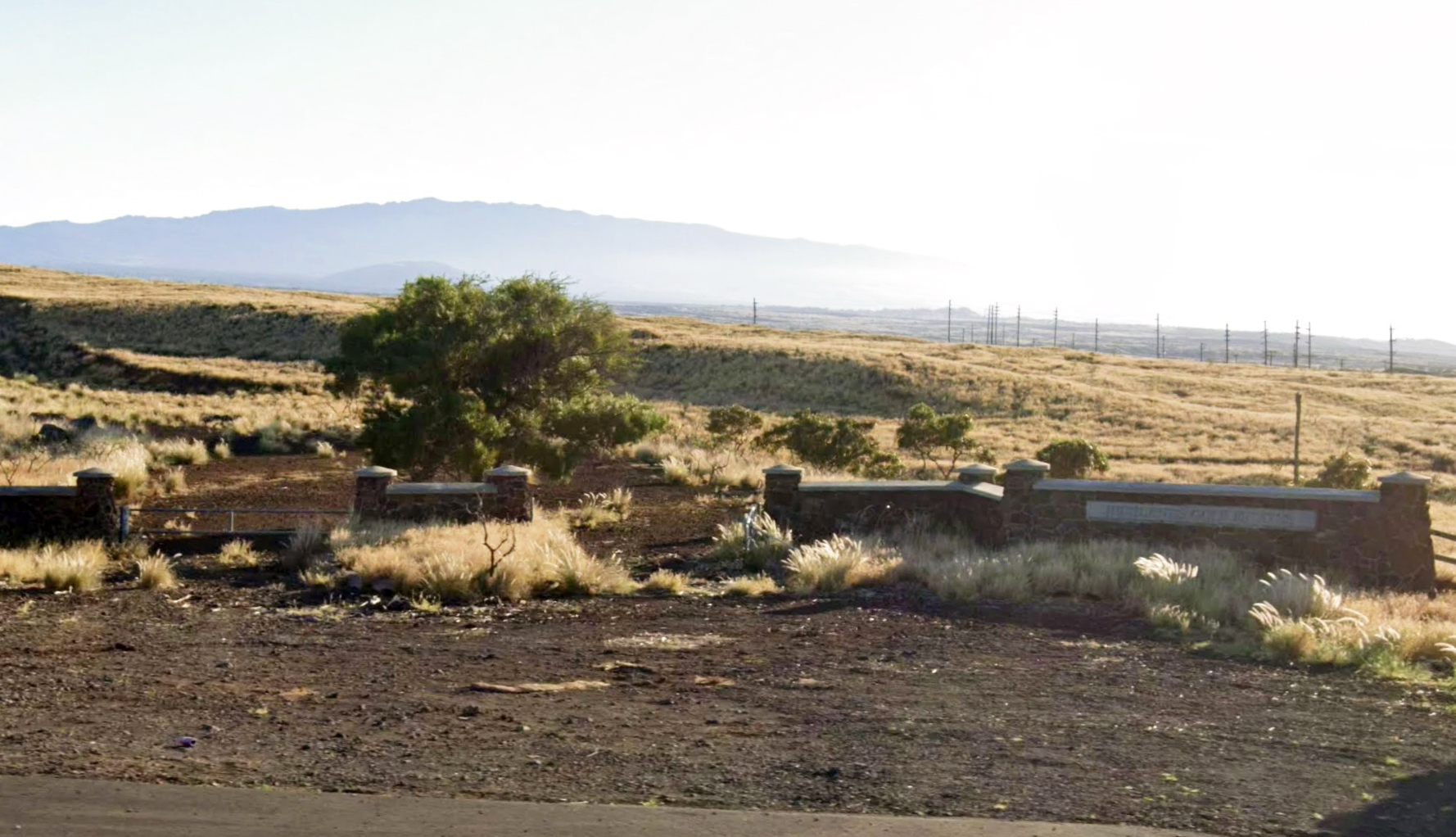
Hustace said Bill 187 is an important part of the land use planning process, which provides opportunities to establish conditions and ensure that appropriate safeguards are met.
At the meeting, Waikōloa Green, which is owned by developer Daniel Popkin of New Jersey and Jon Yoshimura, an Oʻahu-based former state senator and Honolulu City Council member, sought additional time and opportunity to continue to address concerns raised by the community about several issues, including water and road access.
Hustace made a motion to postpone the bill until July 7, 2027, which passed unanimously.
Hustace said the proposed development has generated discussion about housing, wildfire safety, evacuation, and the infrastructure, especially water supply, that’s necessary to support future growth in the area.
Testifiers against the zone change were specifically concerned about adding more housing to Waikōloa Village when the community currently has only one way out, with one other evacuation route, Hulu Street, that is normally locked unless it is an emergency.
The need for a second permanent road out of the community has been heightened in recent years after the Mana Road fire in 2021 forced the community to evacuate. Waikōloa Village is certified through the FireWise USA program, which actively takes steps to reduce wildfire risk.

In July, Hawai‘i County hosted a meeting in Waikōloa Village where an evacuation study, performed by KLD Associates, was presented to residents.
The 151-page study said a “key finding” is the available roadway supply (evacuation routes and roadway network) is not sufficient to service the evacuation demand (number of evacuating vehicles) within the community in a timely fashion.
“Our position is simple,” said Arlene “Lani” Larrua, president of the Waikōloa Village Association on Wednesday to the council. “We can support new development once there is a funded, scheduled commitment to a second arterial road, not another study on a shelf. So until then, I respectfully ask you to defer these bills.”
Hustace brought up several amendments made to Bill 187 to address the myriad of concerns made by residents.
One amendment established a requirement for the development to achieve and maintain compliance with Firewise USA principles or an equivalent county-approved wildfire resilience plan.
In addressing the water supply, another approved amendment requiring a water conservation plan with the goal of reducing residential demand by at least 30% compared to a new typical construction, while emphasizing greater efficiency and the use of alternative and non-potable water sources.
On drainage and flooding, the proposed measure strengthened the conditions to address concerns identified in the South Koala Flood Study, including upstream runoff and potential impacts on surrounding and downstream properties.
Hustace said there are broader infrastructure challenges that remain unresolved, particularly the need for a second arterial road for Waikōloa Village.
Additional work on financing and regional partnerships is an ongoing conversation.
“We’ve also continued receiving questions about regional water resources and the cumulative impacts of future developments,” Hustace said. “These discussions do deserve continued support and also include engagement with our state agencies.”
Council Member Matt Kaneali‘i-Kleinfelder supported the postponement but cautioned those testifiers who spoke out against the bill.
“As you improve your roadways and create new roadways to service your community, you also will invite more development into those roadways,” he said. “If the road is the concern that is being addressed by the community as the safety mechanism for one way in, one way out, if you create a new road, you no longer have your argument to lean on on why you shouldn’t put more homes in Waikōloa.”