

El Niño causing busy Pacific hurricane season; prompting talk about traditional Hawaiian resilience practices
As climate change and El Niño fuels more storm activity, a Native Hawaiian organization is exploring the ancient ahupuaʻa system as a sustainable path to defense.
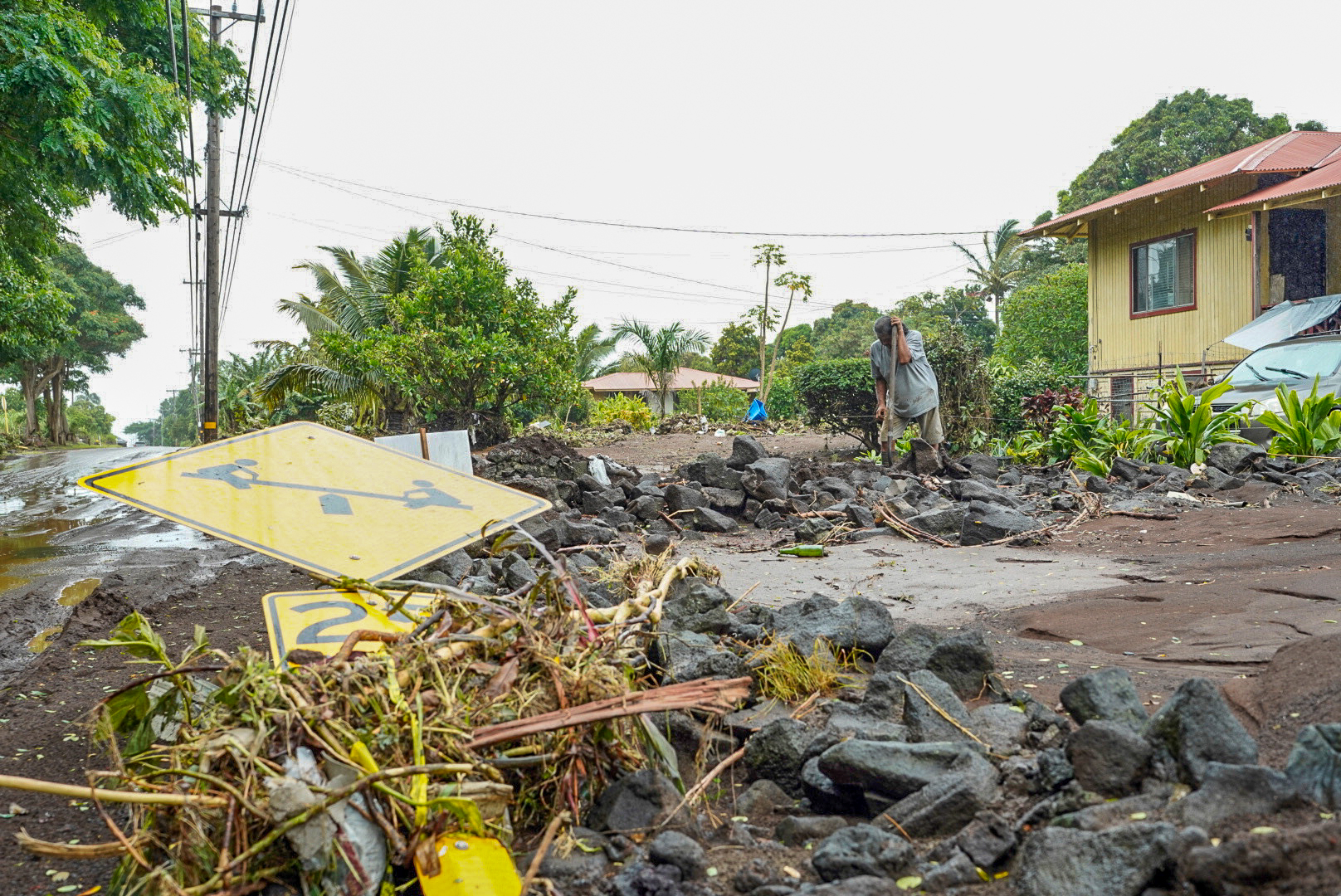
First it was Hurricane Lala bringing destruction and causing two deaths on the Big Island. This storm was followed by Hurricane Lowell that took a turn north and damaged large portions of Kauaʻi.
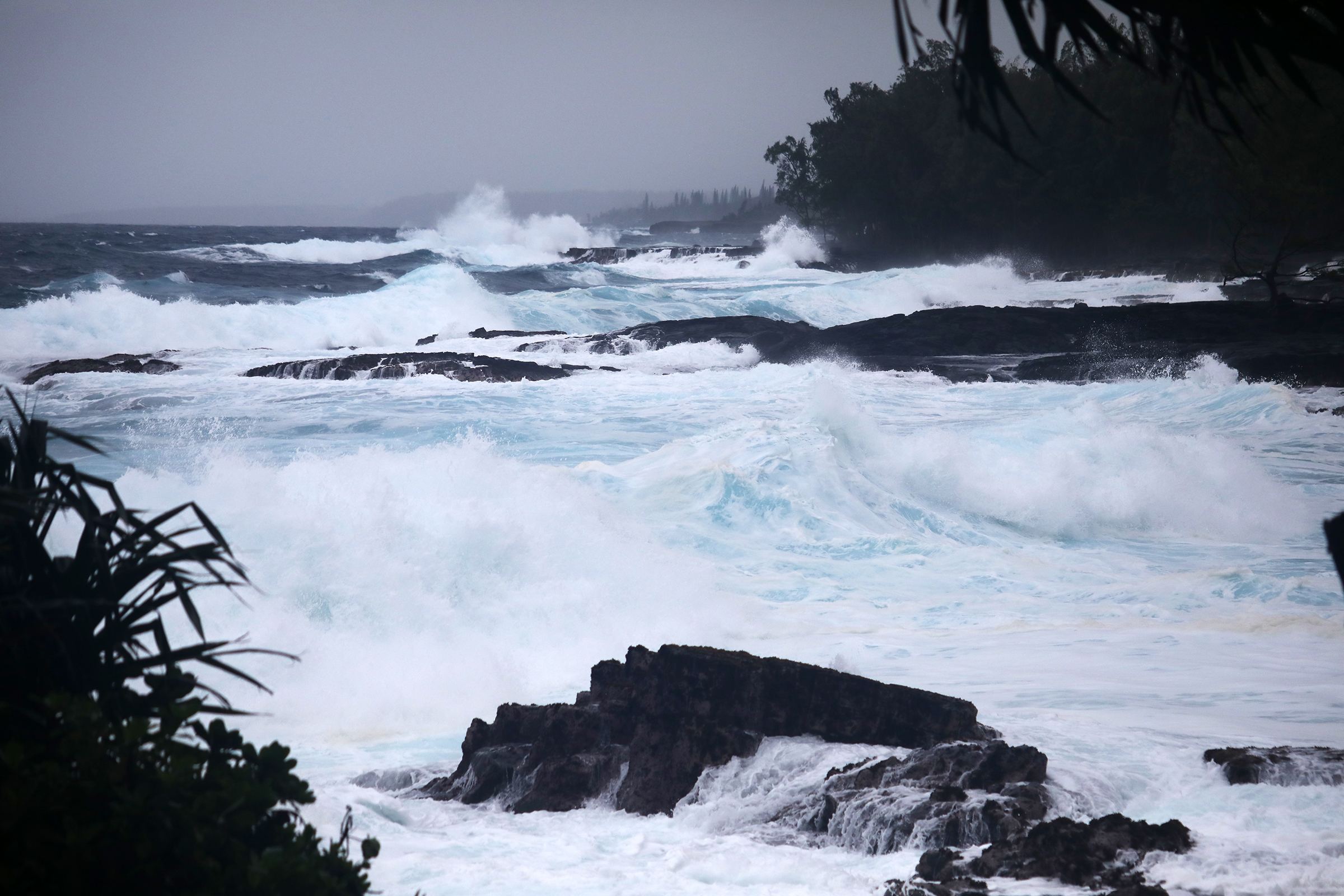
Now it is Hurricane Nolo that is bringing gusty winds, rain and high surf to the Hawaiian Islands, and primarily the Big Island, marking the first time in more than 70 years that three hurricanes have come this close to the islands in a single season.
These storms are part of the tale of two oceans in 2026 due to El Niño, a natural climate pattern that features warmer-than-average sea surface temperatures in the central and eastern tropical Pacific Ocean. It causes more storms in the Pacific and less in the Atlantic.
Climate change and the overall warming of the planet also has strengthened some storms, and when a storm alters the landscape, it reveals how human development has compromised natural defenses.
According to Native Hawaiian organization ʻĀina Momona, these storms and extreme rain have exposed the consequences of degraded forests, filled wetlands, altered streams and developed coastlines. Modern infrastructure has changed how water moves across the ʻāina, blocking pathways that once carried it naturally to the sea.
To combat the effects of human influence, ʻĀina Momona is working to build resilience to hurricanes and storms through the ahupuaʻa system, which is the traditional Hawaiian subdivision of land organized around the natural flow of water and resources.
“Our kupuna understood that the key to resilience in the face of severe weather was working intimately with the ʻāina,” said Jane Au, program director for ʻĀina Momona. “They built intricate ahupuaʻa systems that ran mauka to makai and worked with the land and resources, not against them.”
When powerful hurricanes tore across Hawaiʻi, the ahupuaʻa system protected the islands from severe storms by working with the natural flow of water from the mountains to the sea rather than blocking it. Loko iʻa (fishponds) acted as buffers at the shoreline, absorbing wave energy and integrating floodwaters safely into marine estuaries rather than destroying coastal homes.
“Many parts of Hawaiʻi have still not fully recovered from Hurricanes Lala, Lowell, Nolo and the Kona Low storms this year,” Au said. “Our community must continue to be prepared and resilient. The future is ahupuaʻa. Hawaiʻi can’t afford to ignore climate change any longer.”
For the Atlantic Ocean, there has been a historic 2026 hurricane season with zero so far, the first time this has happened in more than a century dating to 1914. There have only been seven named storms, with the season that runs through Nov. 30 now at its peak.
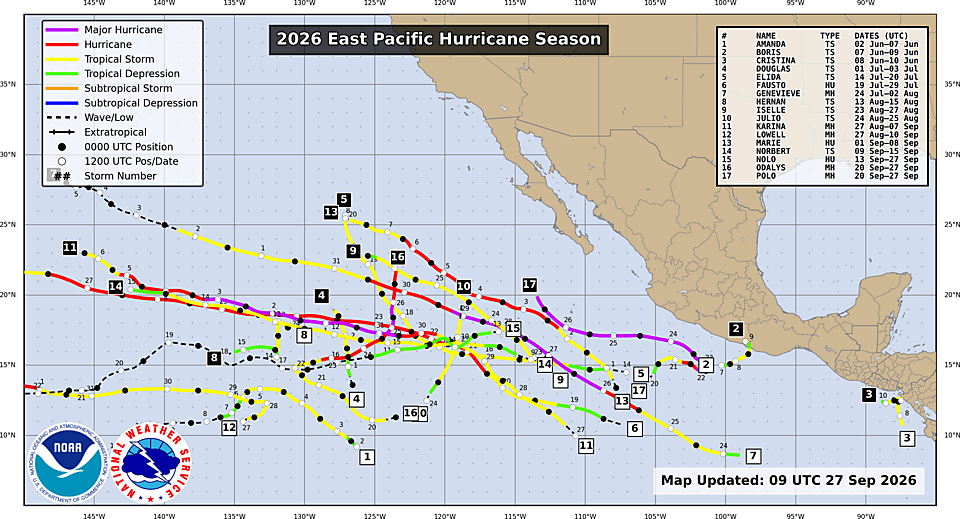
But in the Pacific Ocean, there has been extreme activity, with 17 hurricanes and 41 named storms.
After spending several hours just churning in place about 145 miles south of South Point, Nolo began moving west away from the Big Island on Saturday. But the rain from its outer bands began to flood portions of Kaʻū and high surf slammed against the cliffs on the east side.
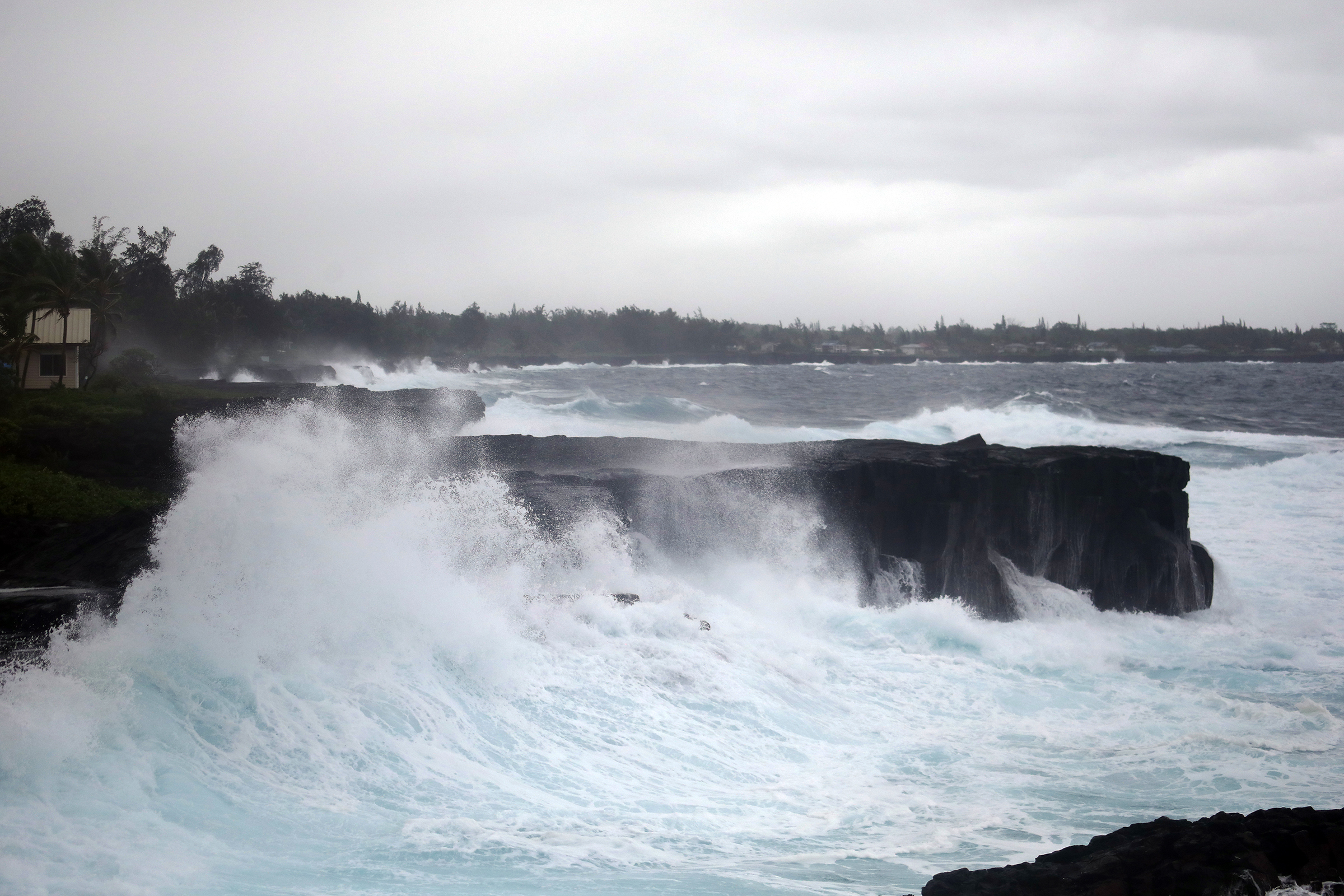
According to Dr. Nicholas Grondin, assistant professor of environmental science at the University of Tampa, Hawaiʻi typically avoids the worst effects from hurricanes due to its location. Most approaching storms must pass over cooler water temperatures to the east of the islands, which helps calm them.
“Without warm oceans to provide fuel, hurricanes tend to weaken and fizzle out as they approach the islands,” Grondin said.
Sea-surface temperatures in the tropical Pacific are, however, exceptionally warm this year due to El Niño. The climate phenomenon typically limits hurricane activity in the Atlantic and enhances the development and strength of storms in the Pacific. Forecasters have warned there is a high probability it will reach historic intensity.
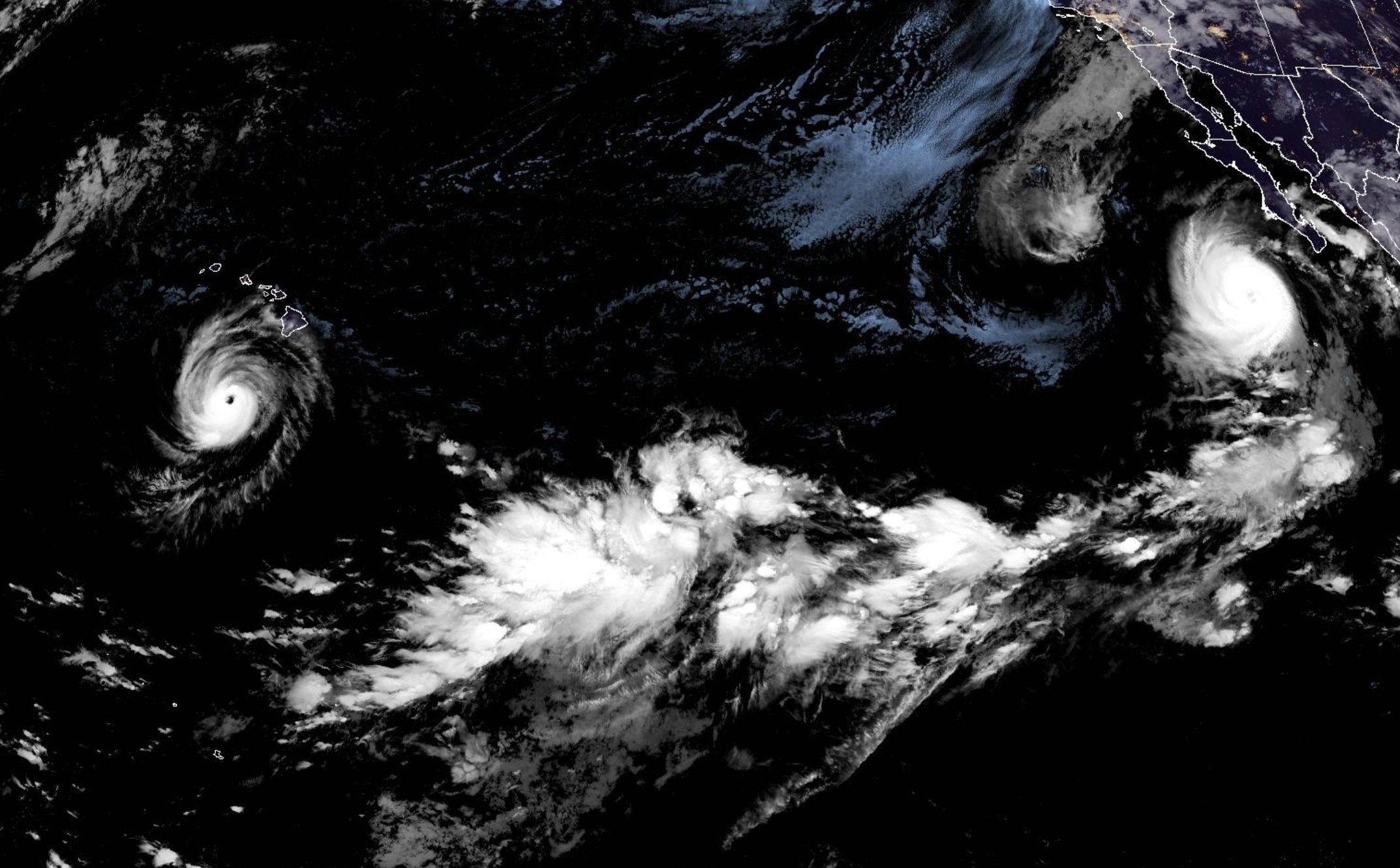
ʻĀina Momona has been working on restoring the Kaʻamola ahupuaʻa on Molokaʻi and has been successfully mitigating the erosion with nature based solutions.
They restored the ahupuaʻa’s water table, reforested the mauka land sections with native species, removed overgrowths of invasive species, and grew and produced food.
During the Kona Low storms, this work prevented runoff from flooding the highway and entering Keawanui fishpond, ultimately helping the island prevent damage from the storm.
The organization says this can be done elsewhere in the Hawaiian Islands.
To learn more about these efforts, visit the ʻĀina Momona website.