


University of Hawai‘i innovation, astronomers help power NASA’s newest space telescope
NASA’s Nancy Grace Roman Space Telescope will begin a mission after it launches Aug. 30 to capture sweeping views of the universe on a scale never before possible, studying billions of stars, distant galaxies and worlds beyond the solar system.
And decades of University of Hawai‘i innovation are set to launch with it.
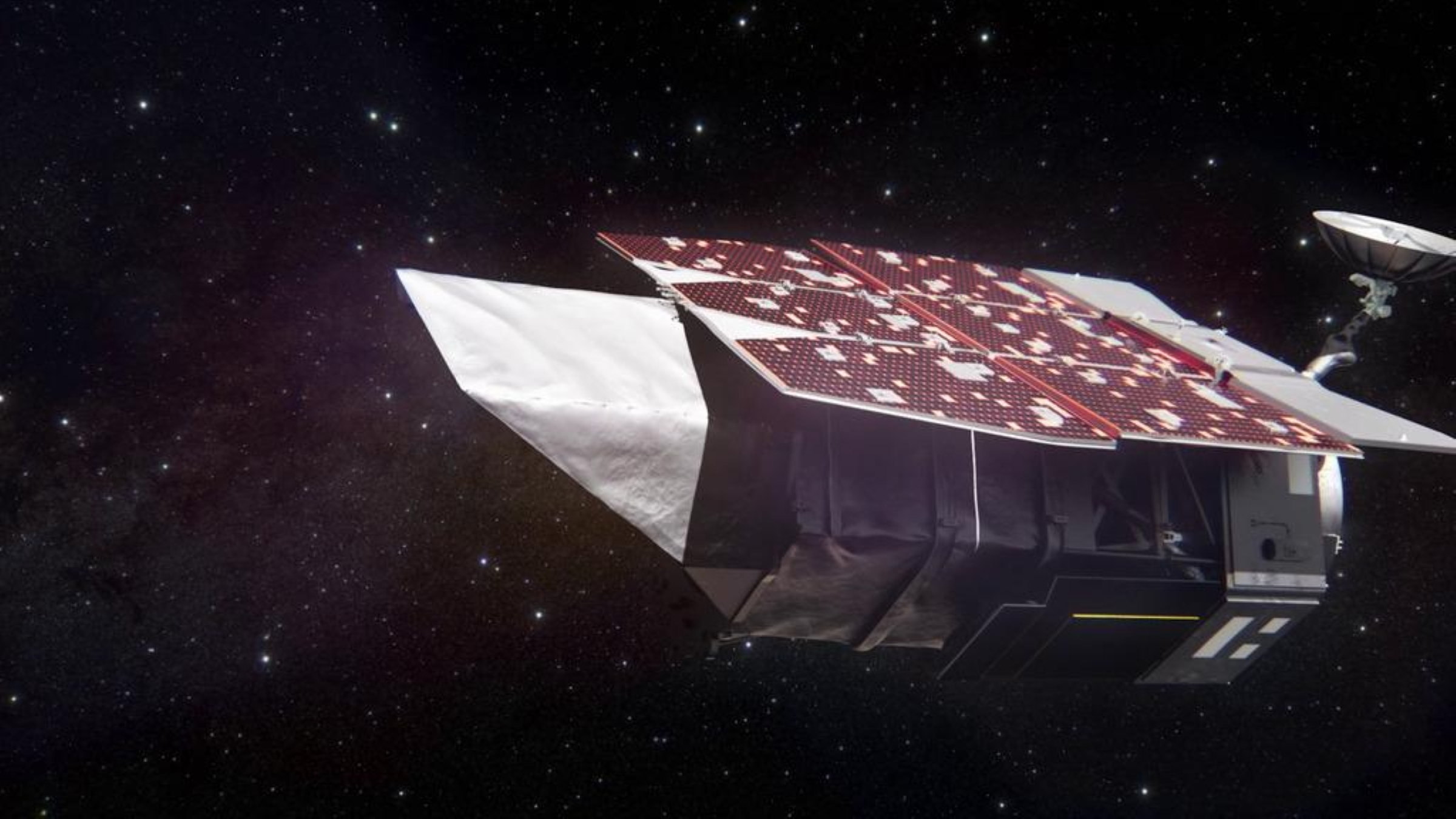
“Roman is going to completely transform our view of our home galaxy, the Milky Way,” said Institute for Astronomy at University of Hawai‘i at Mānoa astronomer Dan Huber, who will watch the launch at Kennedy Space Center in Florida alongside several of his institute colleagues.
Huber co-chaired the committee that helped define one of Roman’s three major surveys.
University of Hawai‘i’s influence on the mission stretches from the telescope’s technology to the science it will produce.
Technology developed by Institute for Astronomy researchers sits at the heart of Roman’s massive camera.
University of Hawai‘i astronomers helped shape how the telescope will study the Milky Way, are building tools to turn its images into usable science and will lead projects exploring exploding stars, mysterious dimming stars and the expansion of the universe.
This work builds on the international reputation of the Institute for Astronomy.
University of Hawai‘i researchers helped advance astronomy from Hawai‘i for decades, including developing technology used on the Big Island’s Mauna Kea, where astronomical research consistently ranks among the world’s most scientifically influential.
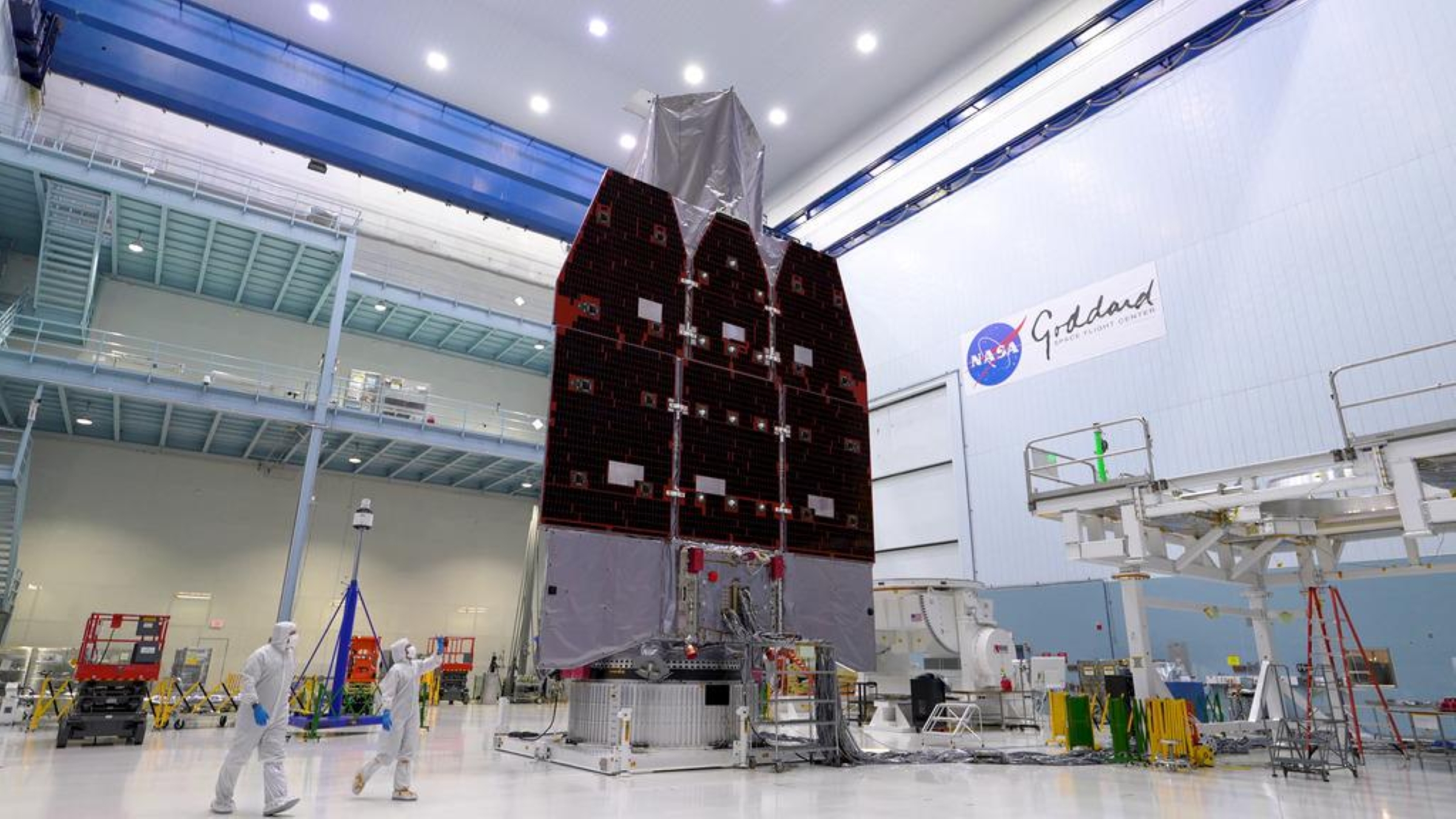
Roman’s mirror is the same size as that of its famous predecessor the Hubble Space Telescope, but its huge camera has a field of view 100 times larger. Its infrared vision will allow astronomers to peer through dust and survey huge areas of the sky much more efficiently.
Roman is expected to image more than 20 billion stars, providing an unprecedented look at the structure and history of the Milky Way.
Huber will use tiny changes in brightness of stars, known as “starquakes,” near the center of the galaxy to help determine their mass and age as well as uncover clues about how they formed.
Five University of Hawai‘i-led research programs were selected in the mission’s first highly competitive round, bringing more than $1 million to university researchers.
Two are led by Institute for Astronomy graduate students Cameron Pfeffer and Willem Hoogendam. Both will study supernovae — exploding stars used to measure vast distances across the universe.
“These students competed directly with senior researchers around the world and are among the few graduate students selected globally to lead Roman science programs,” said Institute for Astronomy astronomer Chris Ashall, who is a co-principal investigator on both student projects.
University of Hawai‘i at Mānoa physicist David Rubin also is helping build core software that will turn Roman’s raw supernova images into precise measurements of the universe’s expansion.
Earth Sciences Professor Eric Gaidos will lead another University of Hawai‘i program searching Roman data for rare stars that mysteriously fade for months at a time. Astronomers think some of these events happen when clouds of dust pass in front of aging stars, possibly revealing dramatic events in their planetary systems.
Institute for Astronomy researcher Kartheik Iyer will lead a Roman science program examining how galaxies form and evolve.
“Looking at the Milky Way in the context of large populations of galaxies allows us to understand exactly how our own galaxy is unique,” said Iyer, who recently joined the institute as an assistant professor. “That gives us perspective on how systems like our solar system and Earth fit into the larger landscape of the universe.”
Roman’s wide-field camera contains 18 advanced infrared sensors descended from HAWAII detector technology developed by Institute for Astronomy researchers, led by Klaus Hodapp and the late Don Hall.
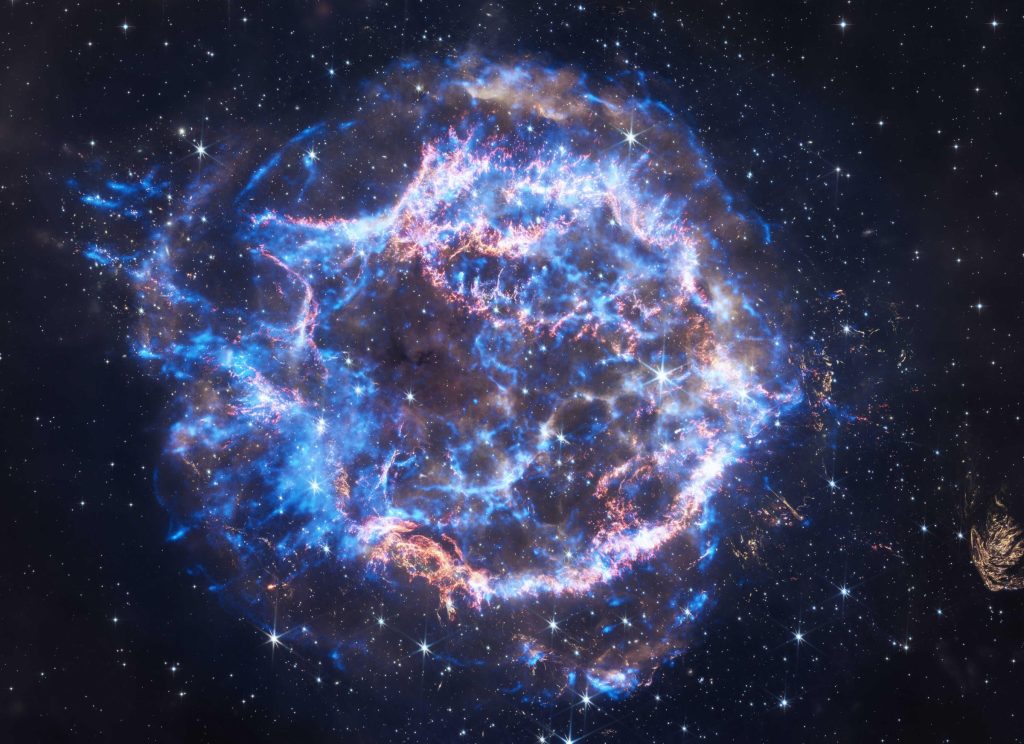
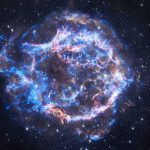
 Cassiopeia A, the glowing remains of a supernova explosion. Two University of Hawai‘i-led research programs selected in the Nancy Grace Roman Space Telescope mission’s first highly competitive round will study supernovae. (Courtesy Photo: NASA)
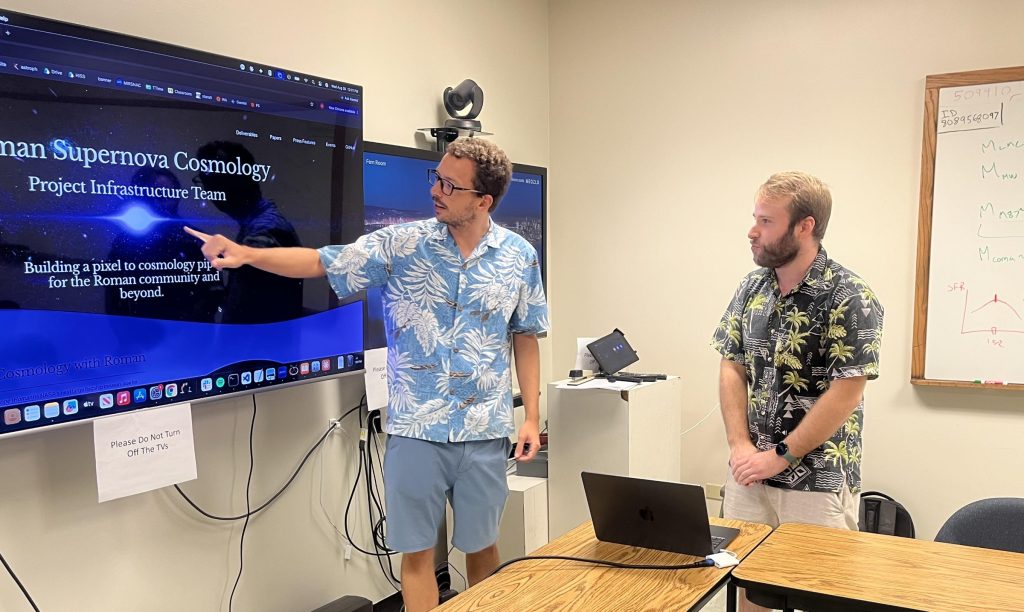
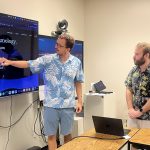
- University of Hawai‘i Institute for Astronomy researchers Cameron Pfeffer, left, and Chris Ashall. (Photo Courtesy: University of Hawai‘i)
Early versions were tested on the University of Hawai‘i 2.2-meter telescope in the 1990s on Mauna Kea.
The technology later reached the Hubble and James Webb space telescopes. Roman’s 300-million-pixel camera represents its most advanced generation yet.
“It’s exciting to see [University of Hawai‘i] contributing to Roman’s supernova cosmology at every level, from that foundational pipeline to the individual science programs it will support,” Rubin said.