



Military officials, community members discuss the future as military land leases near expiration
The first Hawaiʻi-Military Lands Discussion brought together community advocates and activists, military officials and representatives, business leaders, and policymakers to share information and perspectives on military land use in Hawaiʻi.
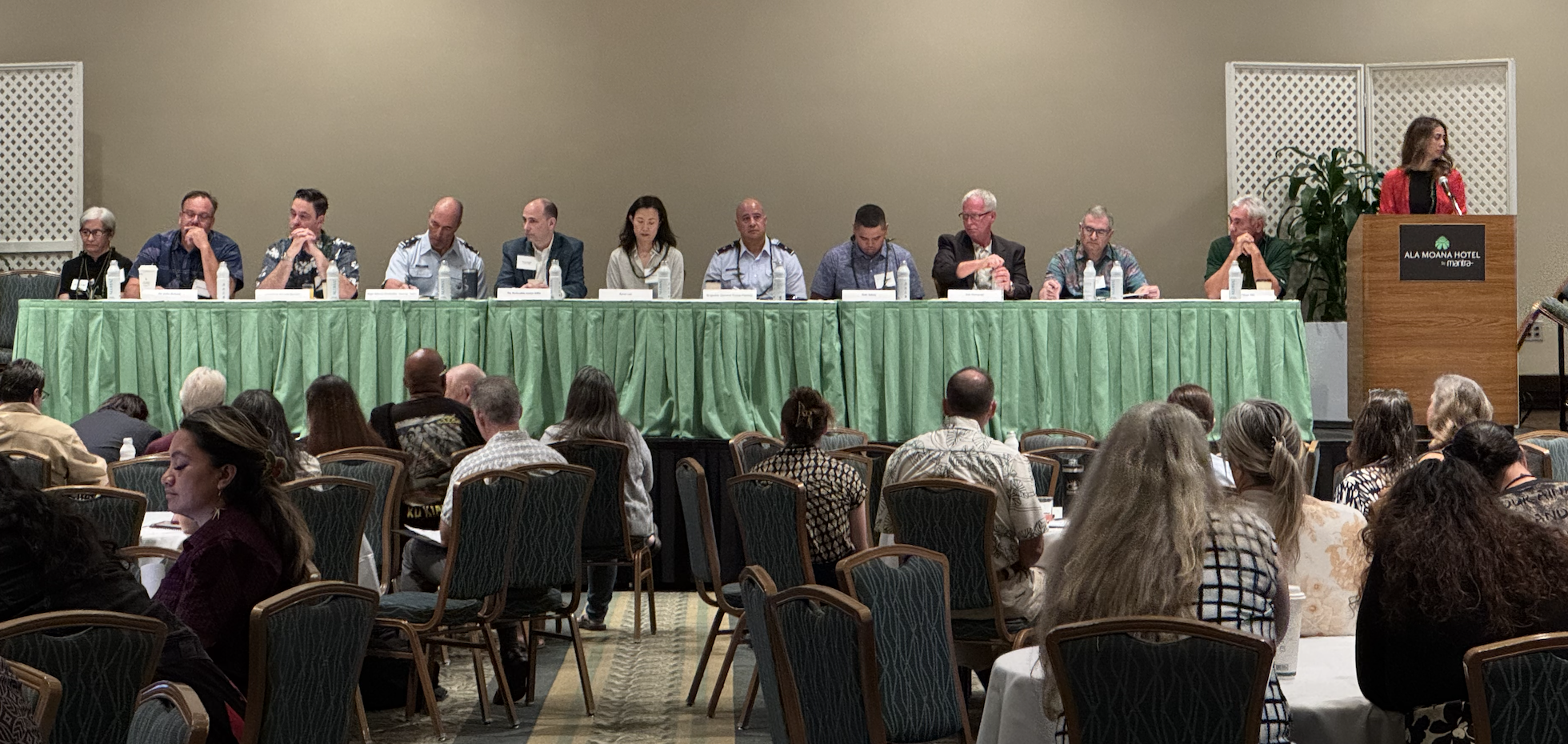
A total of 150 participants gathered at the Ala Moana Hotel to ask U.S. Department of War representatives questions on topics such as the return and restoration of unexploded ordnance, environmental impact processes, and federal policies.
Some participants, citing historical wrongs against Native Hawaiians, voiced strong opposition to military impacts and ongoing lease negotiations.
Convened by the Hawaiʻi Coordination Cell, the discussion provided an opportunity for participants to learn about timelines, processes, and considerations related to military land leases, while also sharing community perspectives and questions.
The Hawaiʻi Coordination Cell, established within the Department of War, supports community engagement efforts as long-standing military land leases across Hawaiʻi approach expiration.
“These conversations are important because people across Hawaiʻi care deeply about our lands and our communities,” said D. Noelani Kalipi, senior advisor for the Hawaiʻi Coordination Cell. “This convening created space to share information and hear community perspectives. This is just a beginning; there is a lot more work to do.”
When discussing land return, participants emphasized the importance of clearing unexploded ordnance not only from the land but also from adjacent beaches. Mākua Valley, once used for live-ammunition military training, was cited as one area where return is anticipated.
“The community needs to direct this and move it forward,” said Sparky Rodrigues, who has been involved in the decades-long effort to protect Mākua Valley. “We have a lot of work to do, and it will take generations.”
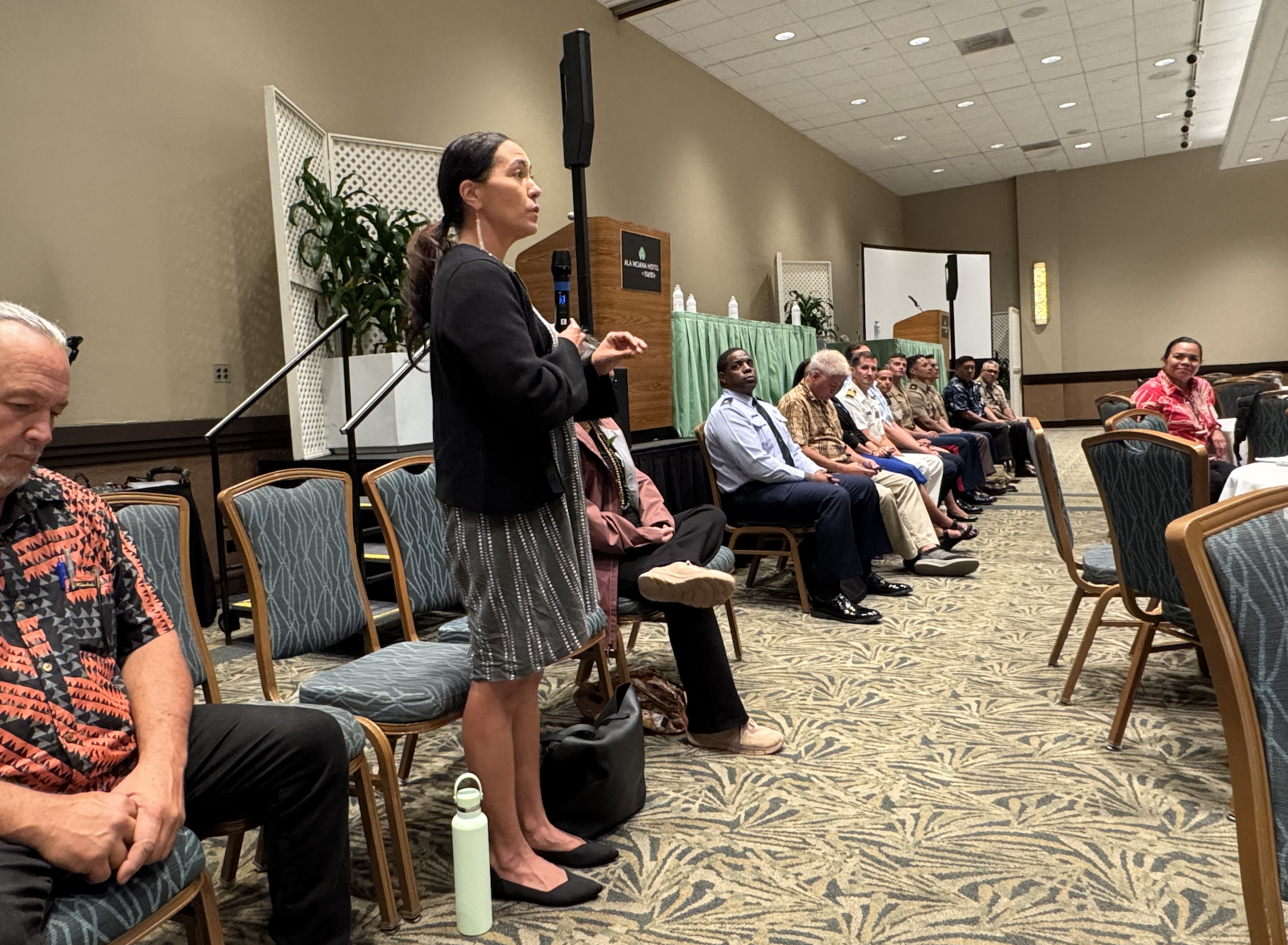
The event featured plenary sessions with military and community representatives, geographic breakout discussions focused on areas most directly connected to military installations, and an information exchange with military departments and community organizations.
“Today’s discussion reflects the importance of bringing people together to share information and listen to one another,” said Bob Thompson, principal deputy assistant secretary of war for energy, installations, and environment. “We recognize that military land use in Hawaiʻi is deeply connected to community, culture, and long-term planning.”
The all-day event was co-sponsored by the Chamber of Commerce Hawaiʻi’s Military Affairs Council, Hawaiʻi Island Economic Development Board, Hawaiʻi Leeward Planning Conference, and Hawaiʻi Island Chamber of Commerce.
“Hawaiʻi is home to communities with deep connections to these lands, which also serve as a strategic location for the U.S. military,” said Jason Chung, vice president of the Military Affairs Council. “We appreciate the opportunity to bring people together for a respectful discussion on issues that matter statewide.”
The event concluded with participants providing feedback that will help inform future discussions across the state.
Sponsored Content


Subscribe to our Newsletter
Comments