



Hawaiʻi governor requests presidential disaster declaration for devastating Kona low storms
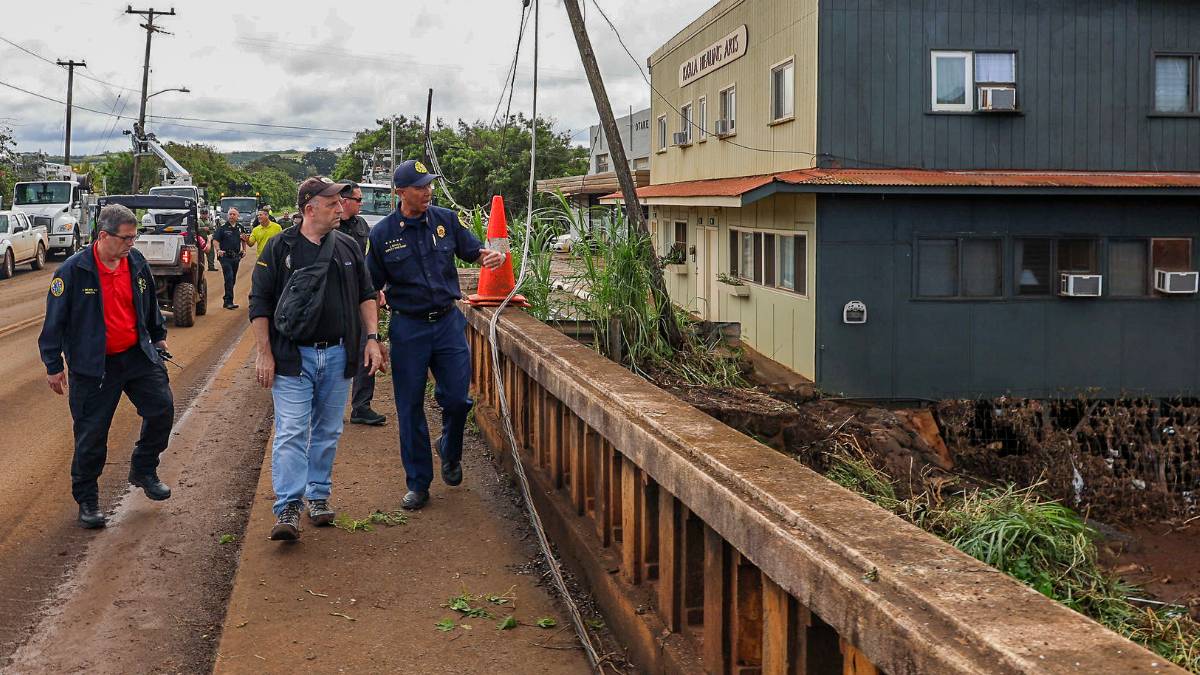
Gov. Josh Green submitted a formal request to the President of the United States for a major disaster declaration to support statewide recovery efforts, following two consecutive Kona low storm systems that caused widespread damage across Hawaiʻi.
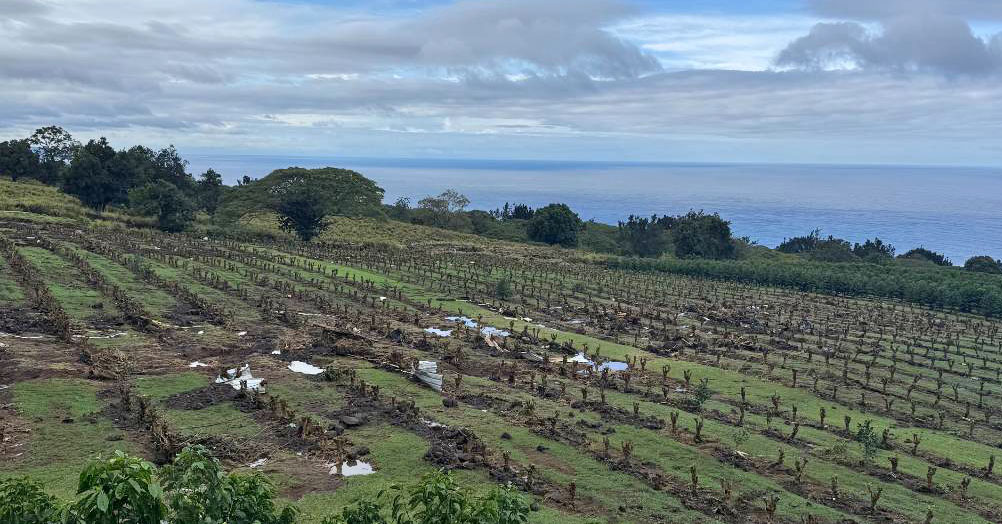
The request, submitted under the Stafford Act, reflects the severe and compounding impacts of storms that struck the state beginning on March 10 and again on March 19. The storms brought catastrophic flooding, landslides, infrastructure damage and emergency evacuations across multiple islands.
“These storms have impacted every county in our state and stretched our emergency response capabilities,” Green said in a news release. “This request is about getting our communities the support they need to recover quickly and safely.”
If approved, the declaration would unlock critical federal support from the Federal Emergency Management Agency. It includes:
- Public Assistance: Funding for debris removal, emergency protective measures and permanent repairs to roads, bridges, utilities and public facilities
- Individual Assistance: Direct support for residents, including housing assistance, disaster unemployment assistance, crisis counseling and legal services
- Hazard Mitigation Funding: Resources to strengthen infrastructure and reduce future disaster risk statewide
- Enhanced federal cost share: Up to 90% federal funding for eligible recovery costs
The storms generated extensive debris — including fallen trees, mudslides and rockfalls — that blocked major highways, isolated communities and disrupted emergency access statewide.
Damage assessments indicate losses exceeding $400 million from the first storm, with total damages from both events expected to surpass $1 billion.
In response to urgent conditions on the ground, the state also is coordinating with the Hawaiʻi National Guard to support debris removal and clearance operations at Otake Camp on Oʻahu, where evacuations were carried out during rapidly rising floodwaters. Additional Guard support remains active statewide, assisting with recovery and emergency operations.
Joint Preliminary Damage Assessments with FEMA are currently underway across all counties to validate impacts and support the federal review process.
“The scale of damage we are seeing — from washed-out highways to overwhelmed water systems — makes clear that federal partnership is essential,” Green said. “We are doing everything we can at the state and county level, but this is exactly the type of event where FEMA support is critical.”
State and county agencies continue coordinated response and recovery operations across impacted areas. The Hawaiʻi Department of Transportation has been working around the clock to clear roadways of storm debris, including large trees and hazardous materials, helping restore access to critical routes.
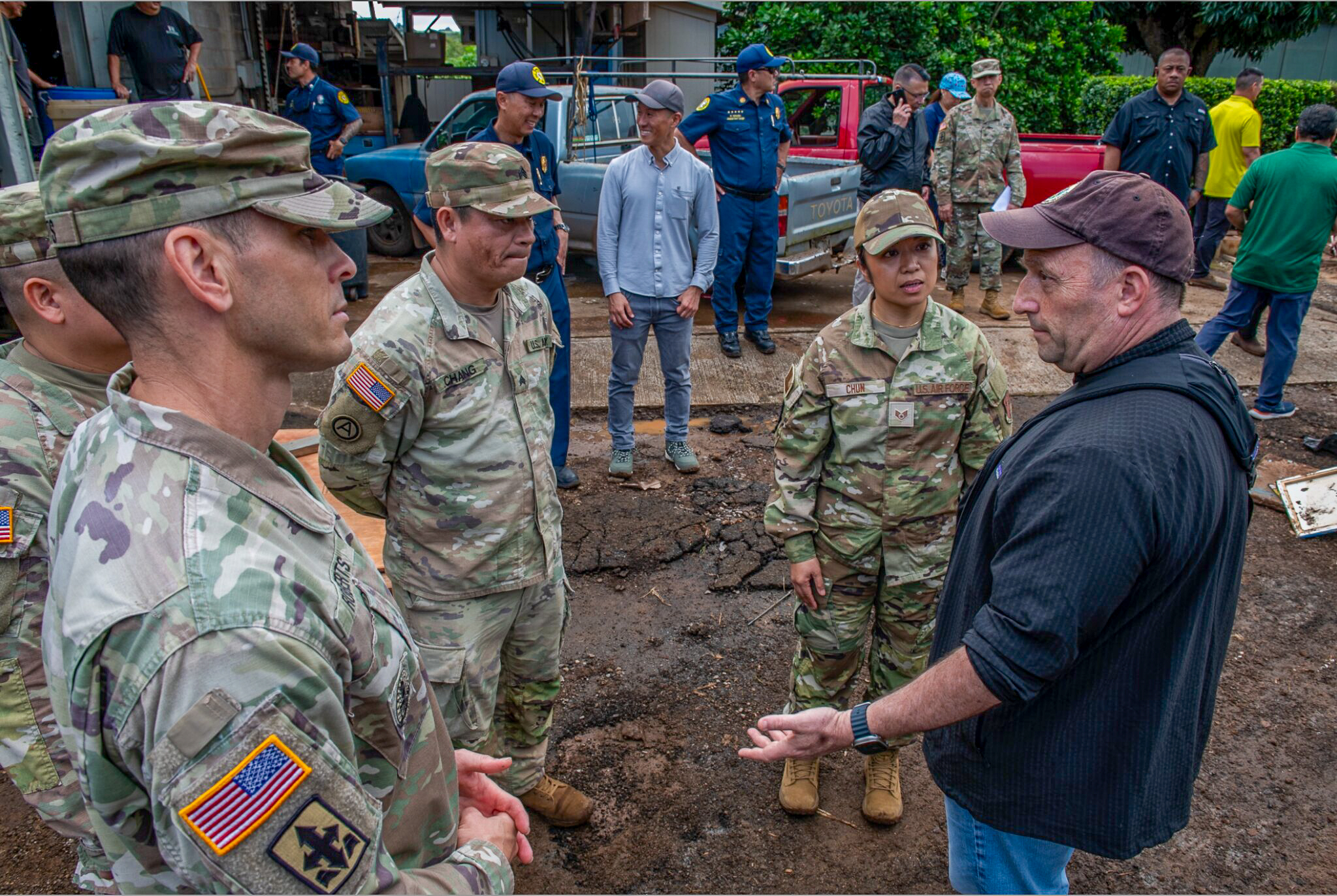
On the North Shore, state and county emergency management officials are deploying water buffaloes to support communities in Waialua, Haleʻiwa and at Sunset Elementary, ensuring continued access to safe water. The Hawaiʻi National Guard is supporting both debris removal operations and emergency logistics statewide.
The state and City and County of Honolulu partners are standing up a mobile clinic on the North Shore at Hale‘iwa Ali‘i Beach Park to provide care and support to affected residents. Additional debris removal operations are being requested as recovery efforts accelerate.
Kaiser Permanente is also deploying a mobile clinic to Kula on Maui, to support patients following the relocation of patients from Kula Hospital due to extensive storm-related damage.
Sponsored Content


Subscribe to our Newsletter
Comments