



How the mighty Civilian Conservation Corps helped build Hawaiʻi Volcanoes National Park
A walk around Hawaiʻi Volcanoes National Park reveals historic roads, landmarks, curbs, trails, buildings and more.
Much of this eye-catching infrastructure and still standing today was built nearly a century ago by the young men of Civilian Conservation Corps, or CCC, between 1934 and 1942.
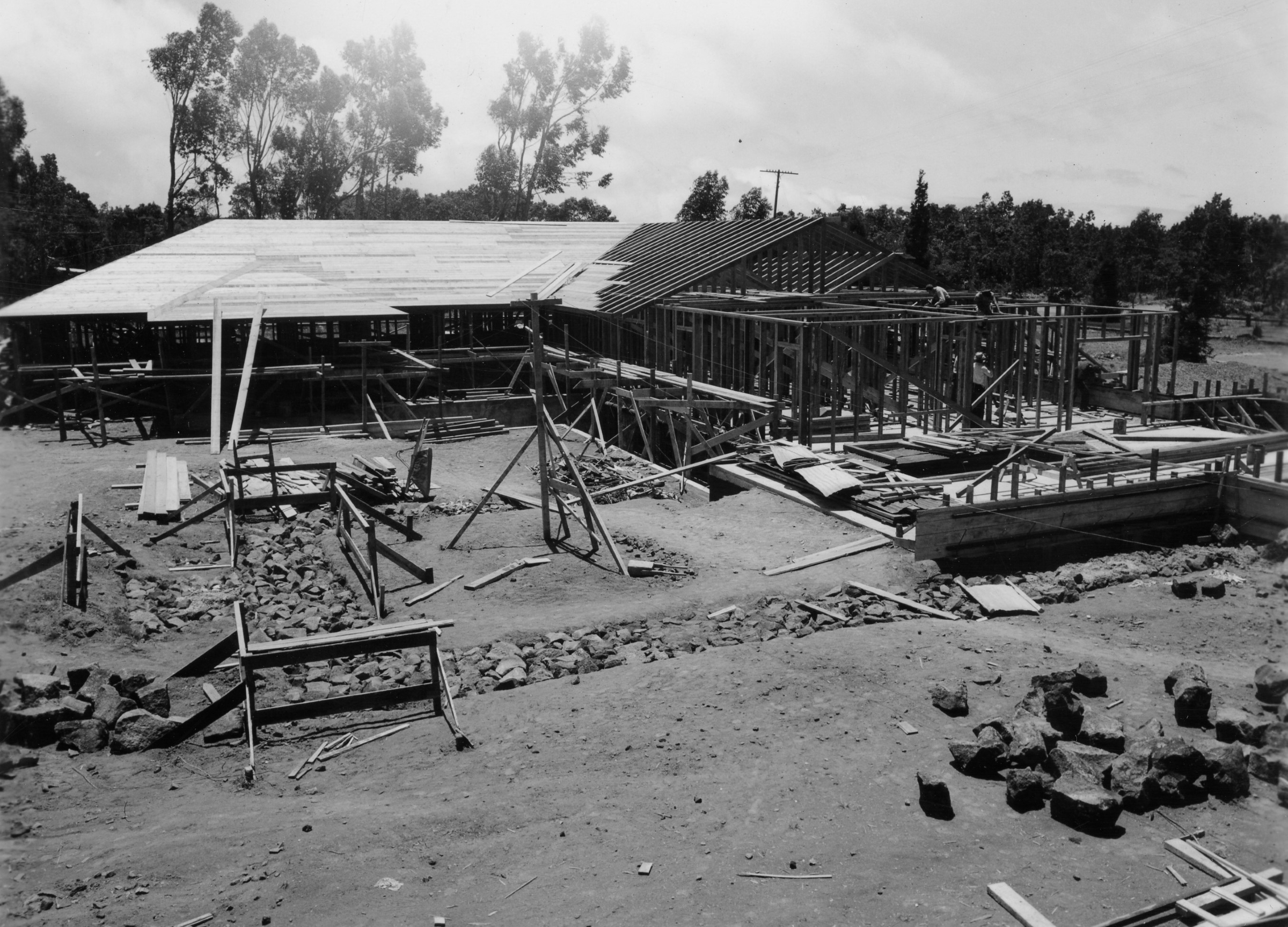
A new digital StoryMap titled “CCC: A Community Builds a Park” is now available to the public on the park website, revealing the fascinating contributions of these young men and highlighting what their lives were like in the park.
The StoryMap — created by the park’s Cultural Resources team — shares maps, historic photos, recordings and art from this important era.
Civilian Conservation Corps was a national program during the Great Depression that provided jobs for young men ages 18 to 25 during a time of high unemployment, scarce resources and rampant hunger.
Enrollees worked on projects to develop and conserve the nation’s parks and forests, earning $30 a month, plus food and housing.
Most Civilian Conservation Corps members at Hawaiʻi Volcanoes National Park were local men of Hawaiian and Japanese ancestry from Puna and Kaʻū.
Their legacy endures in the infrastructure its participants built.
Infrastructure still standing constructed by men of the federal work program includes Kīlauea Visitor Center, which is currently closed for rehabilitation.
Kīlauea Visitor Center will reopen later this year with new restrooms, an expanded exhibit space and a large adjacent open-air for visitor orientation and programs.
Work by Civilian Conservation Corps enrollees contributes to the historic significance of Crater Rim Drive Historic District and Kīlauea Administration and Employee Housing Historic District, both of which are eligible for the National Register of Historic Places.
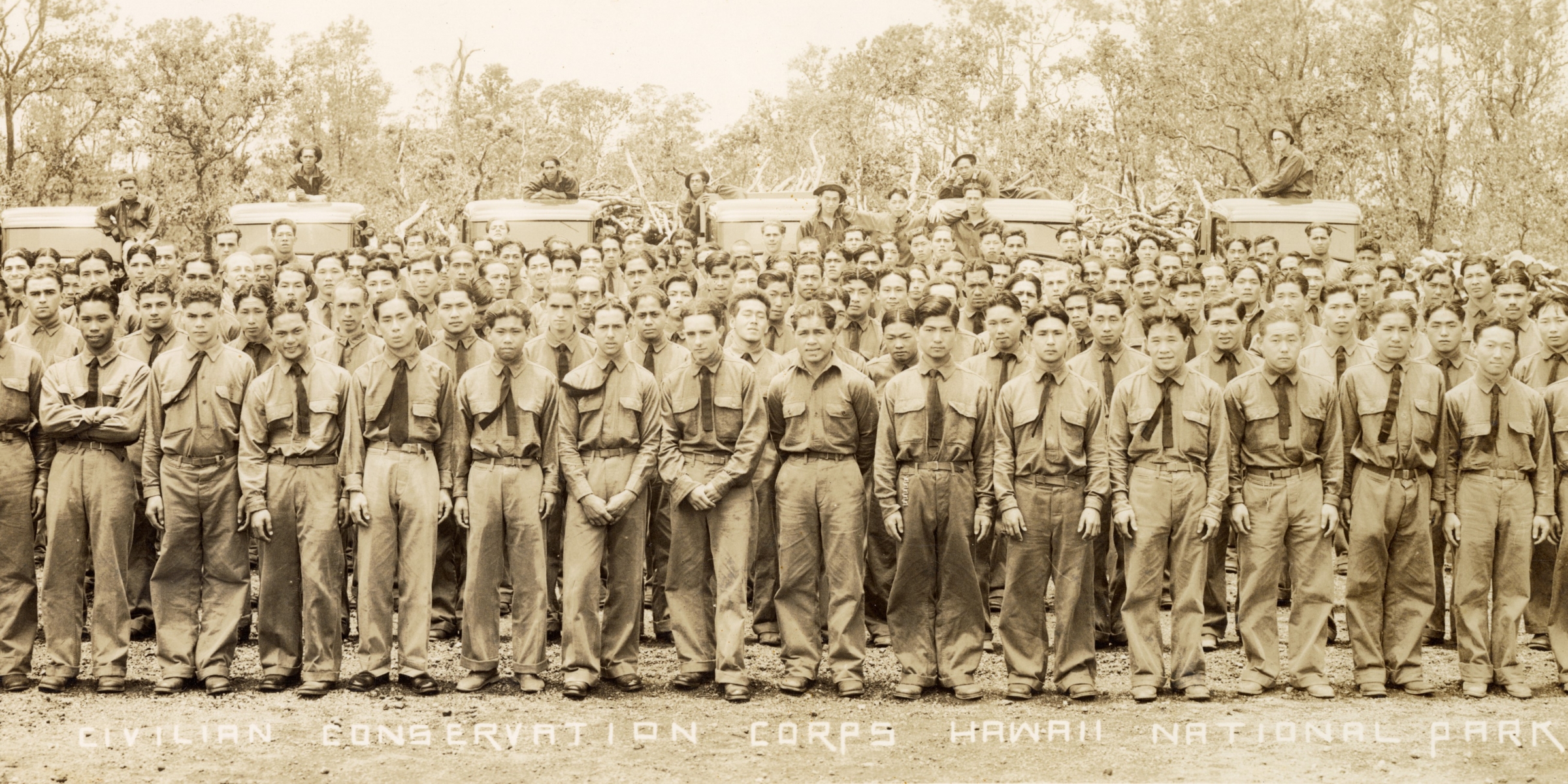
Don’t miss this new opportunity to take a deeper dive into the history and culture of the national park and the people of the island it calls home.
Learn more at the Hawaiʻi Volcanoes National Park website.
Be sure to also follow the park on Facebook, Instagram, X and YouTube for even more information, updates and activities.
Sponsored Content

_1770333123096.webp)

Subscribe to our Newsletter
Comments