



Big Island environmentalist explores Amazon Rain Forest’s vital connection to world in documentary series
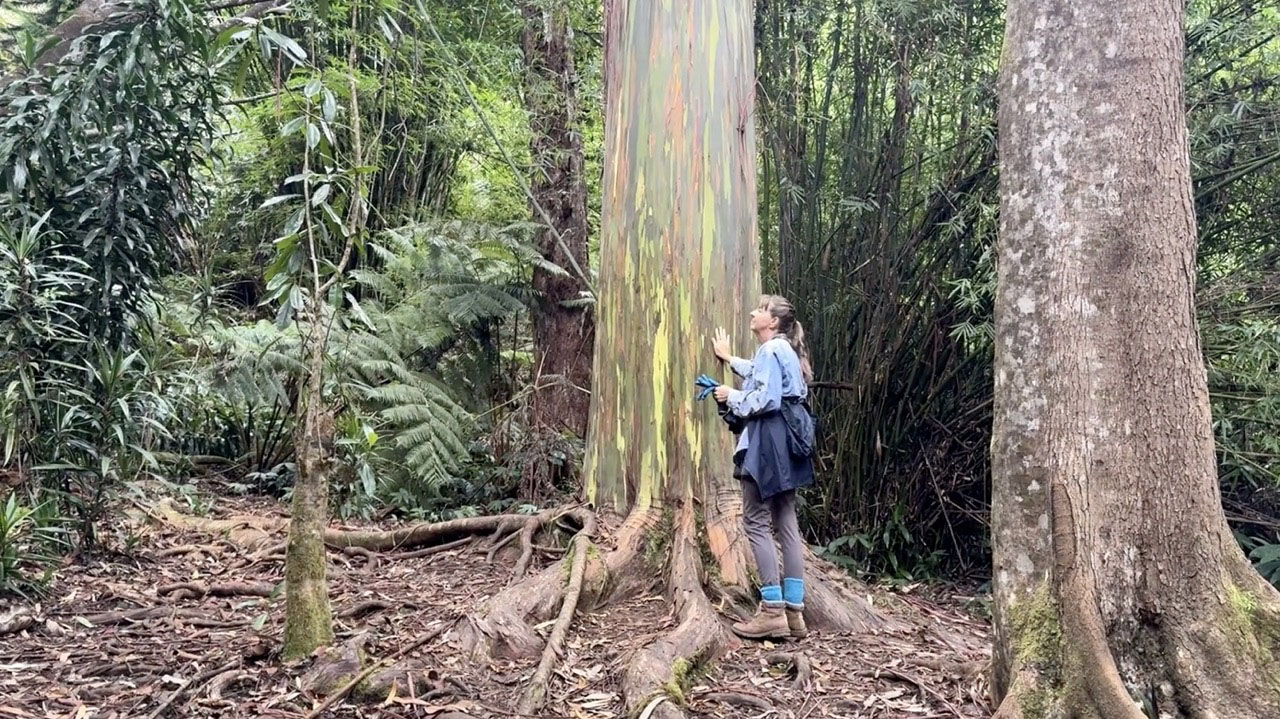
While walking on the soft ground surrounded by towering trees of the Kona Cloud Forest, Heather Murata felt as if she had entered a different world far from home.
The guided hike was part of her research about her lifelong interest, the Amazon rainforest, and her project, EcoWellness Journeys.
Murata created an eight-part documentary series, “A Story Told from the Shoulders of Another Rainforest Culture,” focusing on the urgency and global importance of the Amazon rainforest, which covers about 2.3 million square miles and most of the Amazon basin of South America.
“Creating my own nature documentary series felt like the culmination of a lifelong passion,” Murata said. “The entire process was pure joy for me. From the initial vision and outlining to the research, scripting, video editing, image curation and background music selection — every part of the creative journey felt meaningful and deeply aligned with my purpose.”
Part of Murata’s series highlights stewardship principles, including “kuleana” and “aloha ʻāina,” linking island values with one of Earth’s critical ecosystems.
Murata, who is from New Hampshire but now lives in Kailua-Kona, said she has been an environmentalist for as long as she can remember.
“I was one of those kids who looked forward to nature programs on TV — The Undersea World of Jacques Cousteau, Mutual of Omaha’s Wild Kingdom,” she said. “And, I devoured every issue of National Geographic that arrived at our house.”
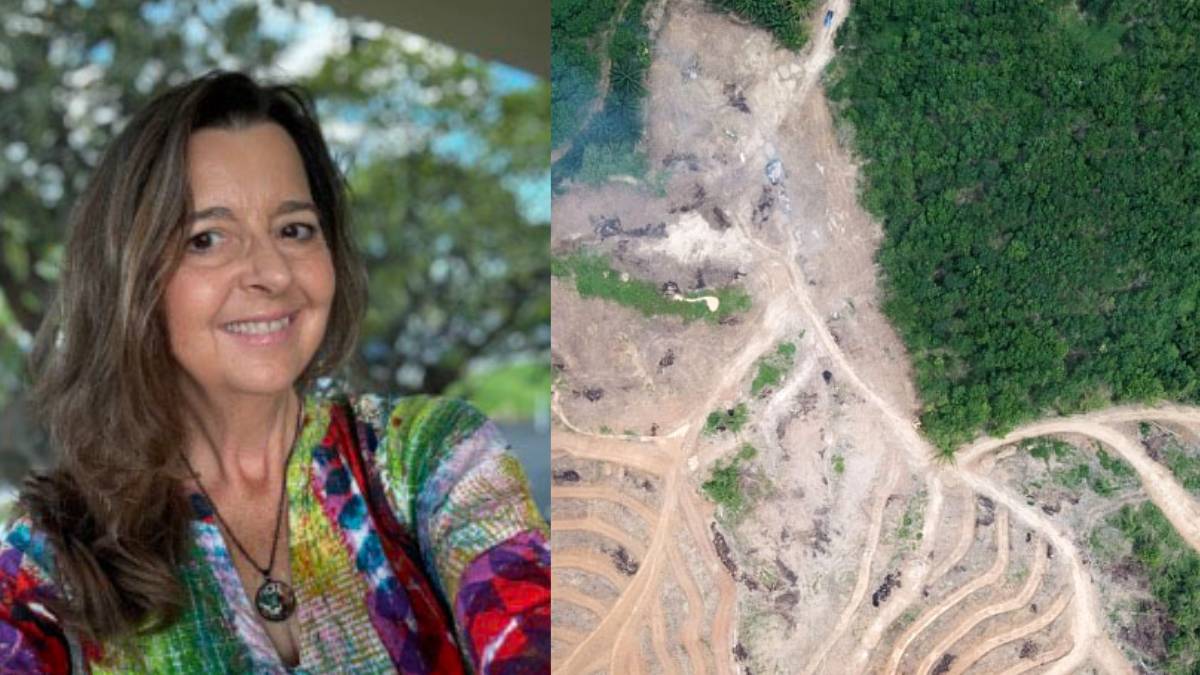
But she was especially drawn to the Amazon rainforest, saying it plays a crucial role in human and planetary wellness, and holds “a beauty and peace unlike any other ecosystem.”
Because she was not able to explore the Amazon firsthand due to the cost of travel, the Kona Cloud Forest helped with her months researching and structuring the educational narrative, using images and videos to weave information together.
While the Kona Cloud Forest is not a rainforest, Murata said it serves as a good example of the principles embodied by the Amazon rainforest, emphasizing the necessity of every species and the possibility of reforestation efforts.
Unlike tropical rainforests, which are generally found at lower elevations and may receive twice the amount of rainfall or more, cloud forests obtain much of their water from cloud condensation on leaves, trunks and branches.
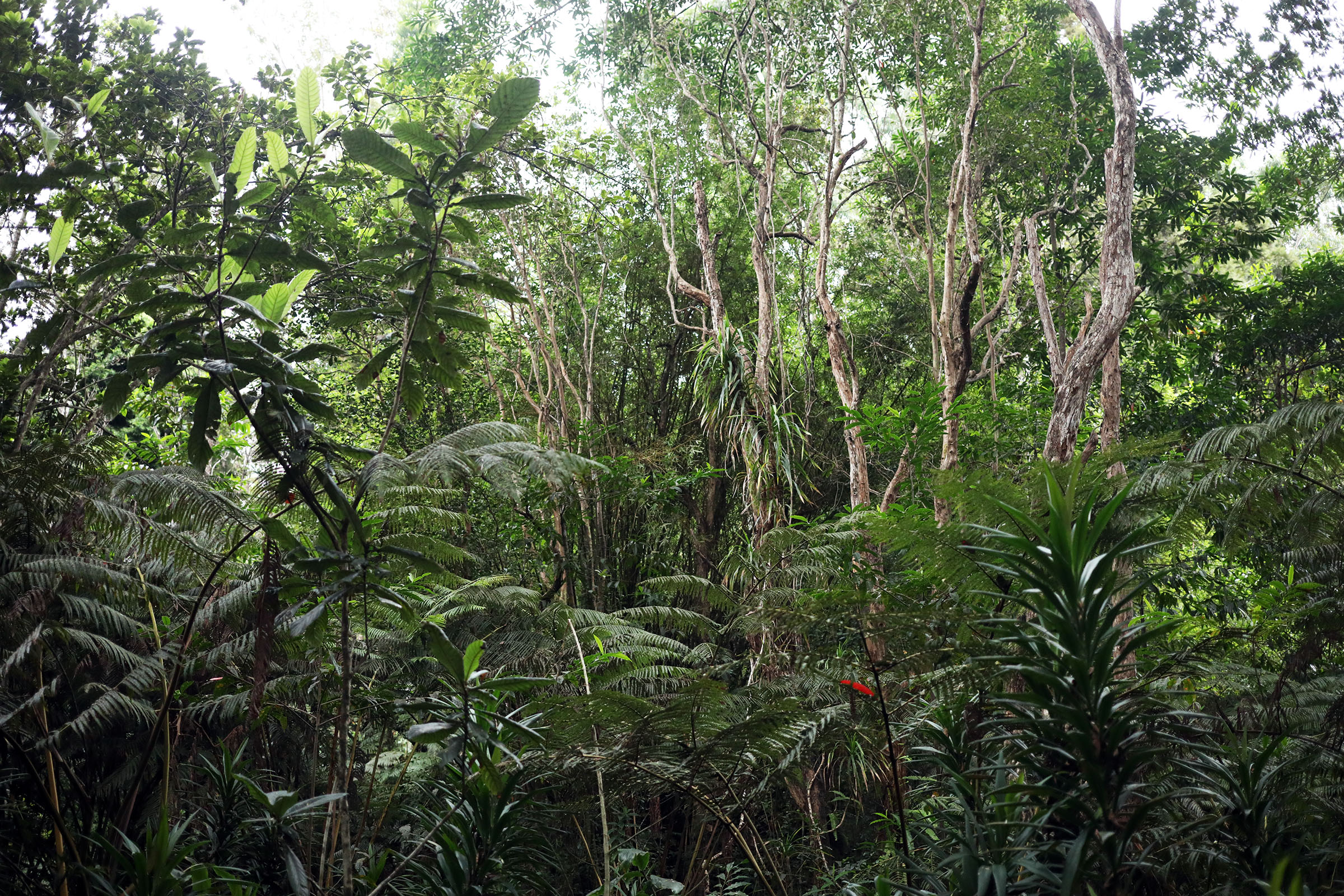
“I was able to explore places like the Kona Cloud Forest, which aims to educate people about the importance of preserving these vital ecosystems and the interconnected relationships among species,” Murata said. “Every species can thrive if given the chance, but sadly, much the Amazon is facing deforestation due to both natural and human causes.”
According to the nonprofit organization, Amazon Conservation, the estimated current level of deforestation of the Amazon is at 17%. If the tipping point, which is between 20 and 25%, is surpassed, the largest rainforest on Earth could become a dry grassland.
The main drivers of deforestation are unchecked agricultural expansion, illegal and unmitigated gold mining, illegal logging, poorly-planned infrastructure, fires and climate change.
“I wanted to extend the spirit of aloha ʻāina from our islands to the Amazon and help people everywhere understand how intimately our futures are connected,” she added.
In her documentary, episodes one and six discuss the Amazon’s role as a global climate stabilizer, highlighting its production of 20 billion tons of water vapor daily, its influence on continental rainfall, and its impact on weather patterns reaching the United States and the Pacific.
Episode two examines the potential of Amazonian plant medicines for future medical breakthroughs.
Episode three delves into biodiversity, showing how crucial species interactions are and how disruption can lead to ecological collapse.
Episode four focuses on Indigenous stewardship and ancestral knowledge essential to the Amazon’s survival, while episode five investigates the causes of deforestation and habitat loss.
Episode seven reveals the networks exploiting the Amazon through illegal mining, logging, and trafficking, and the final episode eight emphasizes Indigenous-led conservation, scientific innovation, forest restoration and global cooperation.
“Rainforests play a crucial role in human and planetary wellness, and they hold a beauty and peace unlike any other ecosystem,” Murata noted. “I spent months gathering peer-reviewed research, structuring the educational narrative, and weaving scientific information with visuals and storytelling. It was both challenging and incredibly fulfilling.”
Murata worked with the organization Amazon Conservation to ensure scientific accuracy and ground the series in real-world issues and solutions.
“I hope viewers walk away with a renewed sense of connection,” Murata explained. “The Amazon may feel far away, but we depend on it for climate stability, biodiversity and even the rainfall patterns that influence regions across the Pacific.”
Murata has paired with a companion post on her Substack platform, which includes the narrated video, a written transcript, bonus reflections, additional learning materials and calls to action for individuals to engage in.
The Amazon rainforest documentary series serves as a free public educational resource, designed for use by educators, conservation groups and community organizations in Hawaiʻi and beyond to enhance environmental literacy and global responsibility.
“I also hope people feel empowered,” Murata added. “I want viewers to recognize that every small action truly can make a difference. Awareness leads to compassion, and compassion leads to action.”
In 2026, she plans to continue collaborating with environmental nonprofits to create educational content for communities and schools.
To view the series and explore other environmental projects by Murata, visit the EcoWellness Journeys YouTube channel.
Sponsored Content

_1770333123096.webp)

Subscribe to our Newsletter
Comments