



33rd Hawaiʻi State Legislature convened Wednesday with ceremony, outline of work ahead
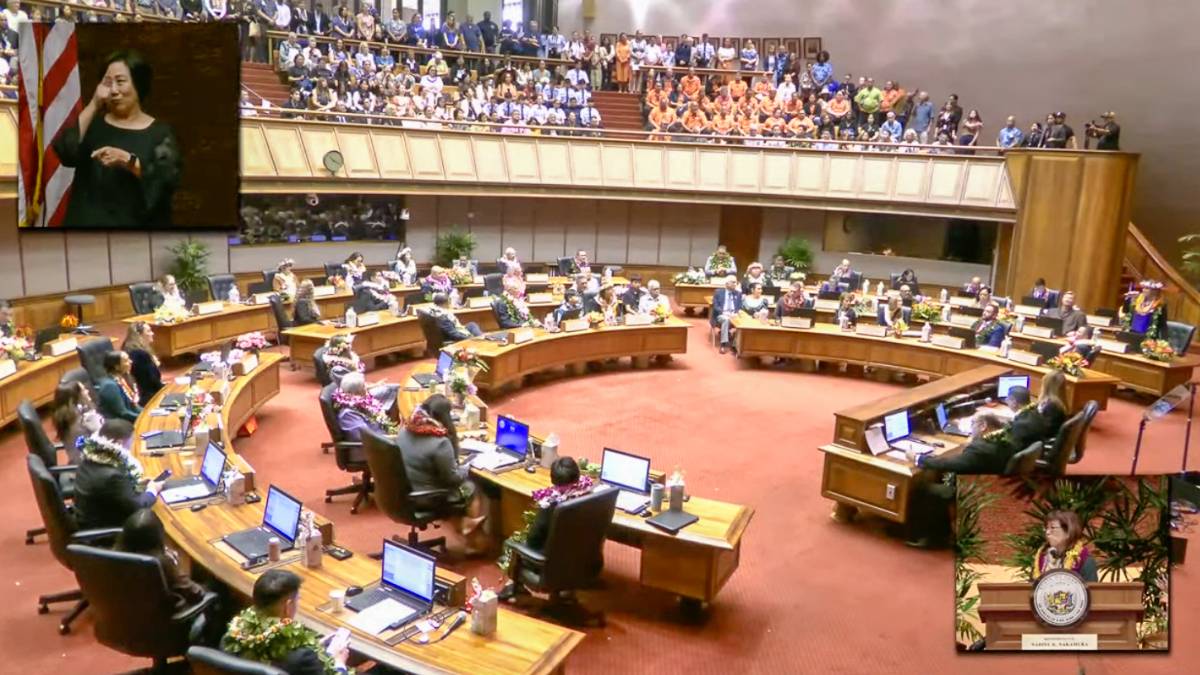
The 33rd Hawaiʻi State Legislature opened Wednesday with calls for humility and urgent action as lawmakers face a tightened federal budget, a high-profile ethics investigation and the ongoing recovery from the 2023 Maui wildfires.
House Speaker Nadine Nakamura and Senate President Ronald Kouch welcomed lawmakers back to the State Capitol for the opening of the 2026 session that runs through May 8.
They set a tone that balanced ceremonial tradition with the heavy responsibilities facing the state.
In the Senate, Kouchi, a Democrat representing Kauaʻi and Niʻihau, focused his opening remarks on the concept of leadership as a shared responsibility rather than a rank.
Nakamura, a Democrat representing Hanalei and Princeville on Kauaʻi, emphasized the need to do the people’s work.
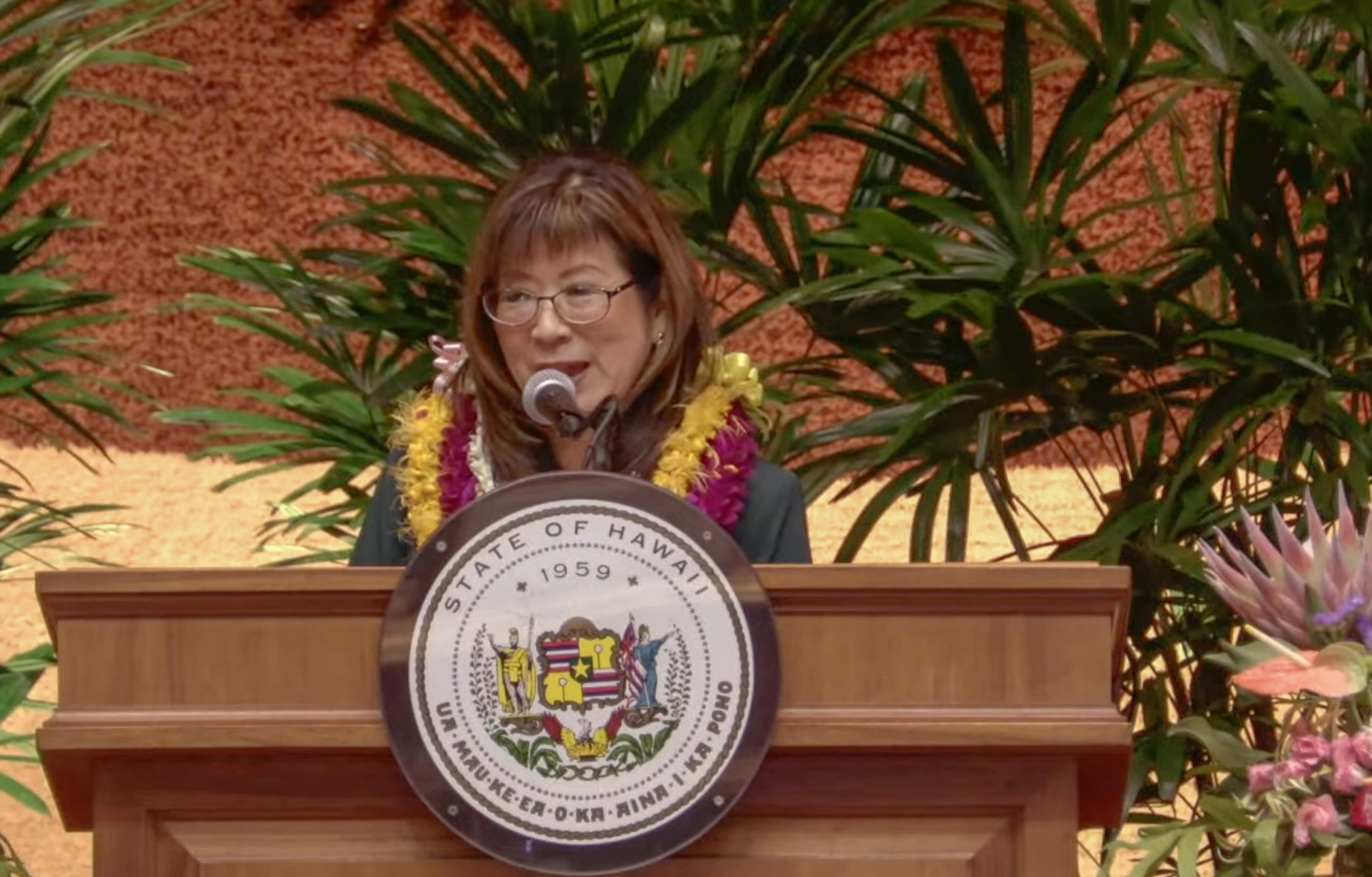
Her remarks followed an announcement by the state attorney general Tuesday regarding an investigation into a legislator who allegedly accepted $35,000 in funds.
“Today, we gather with a shared purpose: to do the people’s work with humility, with urgency, and with care,” Nakamura said. “We come from 51 unique districts around the State of Hawaiʻi and we come with different life experiences, but we are united by a simple obligation: to make life better for the people of Hawaiʻi.”
She said over the past eight months lawmakers laid the groundwork for this session. This includes the House holding 31 informational briefings that provided lawmakers and the public with up-to-date information from experts on complex issues, upcoming federal funding cuts to critical safety net programs, innovative programs like Operation Hire Hawai‘i and prison reform that includes strengthening re-entry services statewide.
Outside of the Capitol, she said members went on 68 site visits across our state — visiting schools, jails, prisons and hospitals; snorkeling in bays and hiking on mountaintops; meeting with farmers and small businesses; and listening to community groups to see firsthand what is working and what is not.
“We all know that there’s no substitute for meeting in person, talking face to face with experts, and gaining critical insights into problems affecting the communities we serve,” she said. “We walk away from these visits with the feeling: ‘I now understand this issue better and I think I can do something about it.’ ”
Task forces and study groups were in full swing during the interim, with Nakamura pointing out that Big Island Rep. Greggor Ilagan chaired the SPEED task force to reduce regulations, make permitting more efficient, and support collaboration between the state, counties, and the private sector.
She said that Big Island Rep. Sue Keohokapu-Lee Loy, Rep. Mike Lee and Rep. Tyson Miyake facilitated working groups on building permits, cesspools and historic preservation.
And Nakamura pointed out Rep. David Tarnas attended a blessing for the newly established Women’s Court in Kona, whose funding he championed, and Rep. Jeanne Kapela got a Hawaiian immersion keiki and kūpuna language school back up and running in Ka‘ū
But looming over the 60-day session is the financial uncertainty at the federal level.
Hawai’i Island lawmakers say they have to be especially strategic about funding requests due to this uncertainty.
Nakamura pointed to the state’s intervention when the federal government failed to use U.S. Department of Agriculture contingency funds for Supplemental Nutritional Assistance Program benefits, leaving 16,000 Hawaiʻi households vulnerable.
“By adding a one-time $250 benefit for Hawaiʻi SNAP users and expediting the release of funds previously approved to the Hawaiʻi Foodbank, we provided much relief to families worried about their next meal,” she said.
The state will have to navigate the federal funding uncertainty while making funding decisions of its own.
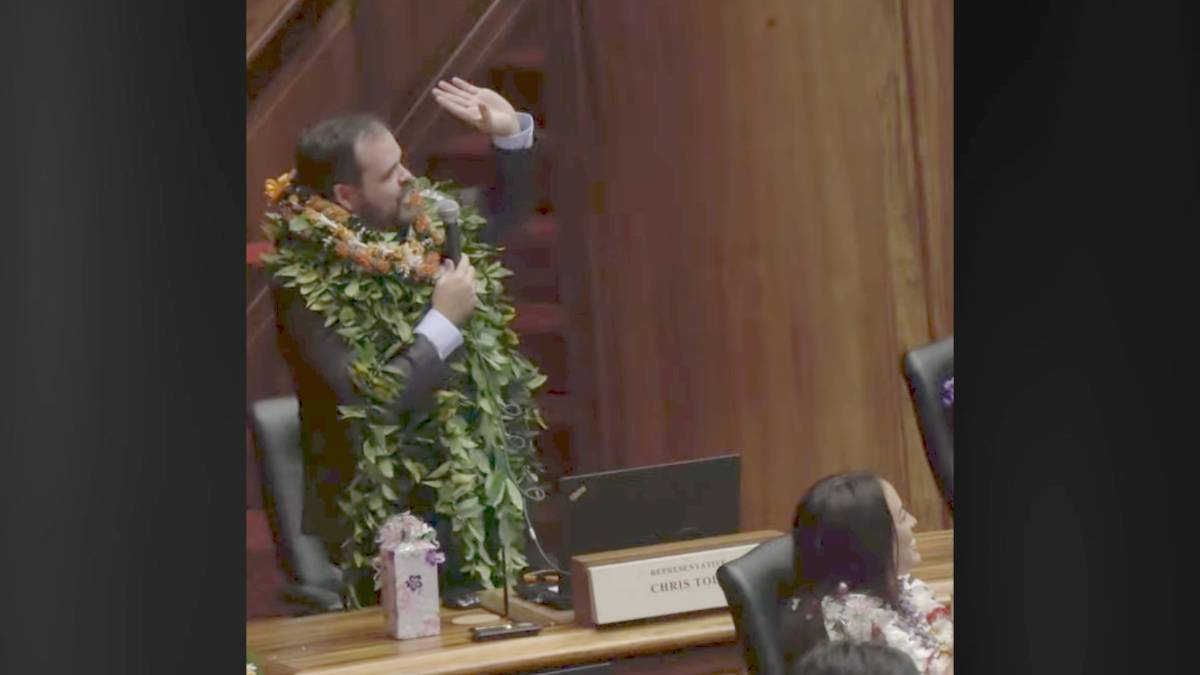
Sen. Stanley Chang, chair of Housing, will continue work to increase the state’s housing inventory, which Kouchi identified as the largest impediment to retaining residents in Hawaiʻi.
Looking ahead, the House majority caucus is focused on a 20-year plan called the “2045 vision” that includes goals for affordable housing, renewable energy and food security.
“By 2045, Hawaiʻi is a model for the world: a place where families can thrive and stay, keiki are safe and flourishing, and kupuna can age with dignity,” Nakamura said.
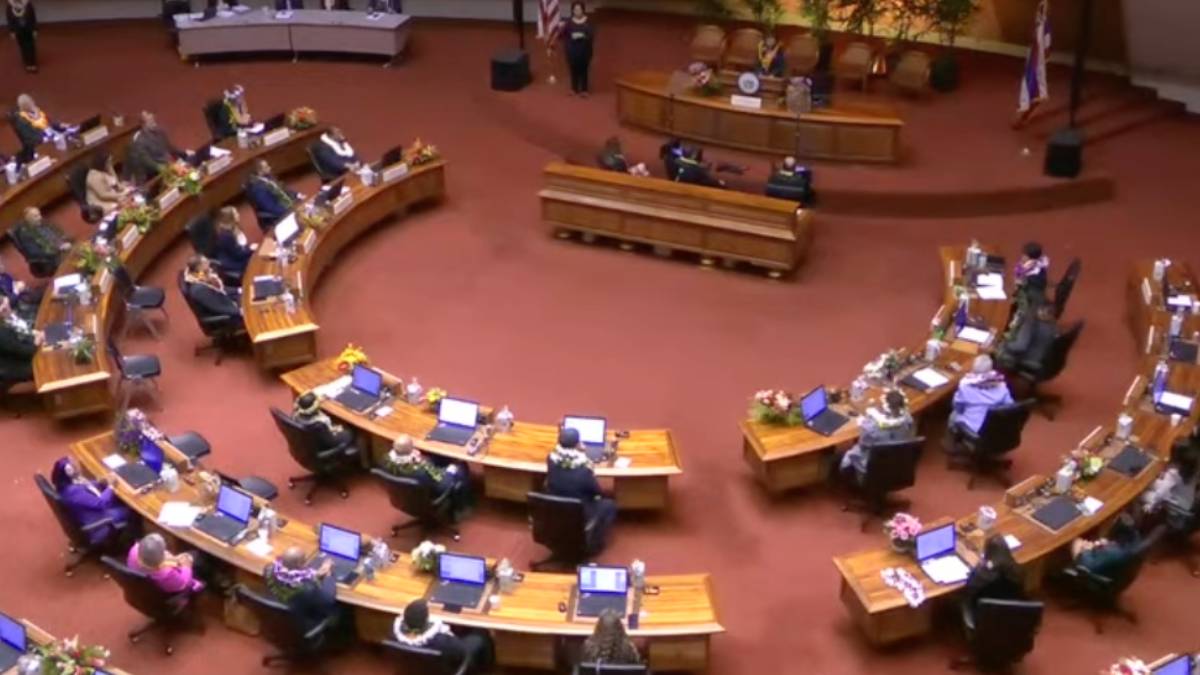
“Native Hawaiian culture and rights are preserved and the Department of Hawaiian Home Lands waitlist is significantly reduced. Our lands and waters are protected and well-managed, our communities are walkable and connected, housing is affordable, health care is preventative and accessible, and homelessness is dramatically reduced. … And we trust our government because it is accountable and effective.”
During a poignant moment on the Senate floor, Kouchi paused to apologize to West Maui Sen. Angus McKelvey, whom he initially forgot to mention while introducing committee chairs. Kouchi noted that McKelvey, who represents Lahaina and chairs the Committee on Government Operations, brings a critical perspective to the body.
“What Senator McKelvey brings that nobody else has in the Senate is he lost everything in the fire of Lahaina,” Kouchi told the chamber.
For Maui County residents, the session comes as the community continues to rebuild in West Maui and Upcountry after the devastating wildfires in August 2023.
Maui Now staff writer Brian Perry contributed to this report.
Sponsored Content


Subscribe to our Newsletter
Comments