



University of Hawaiʻi study finds microalgae could fuel state’s renewable energy future
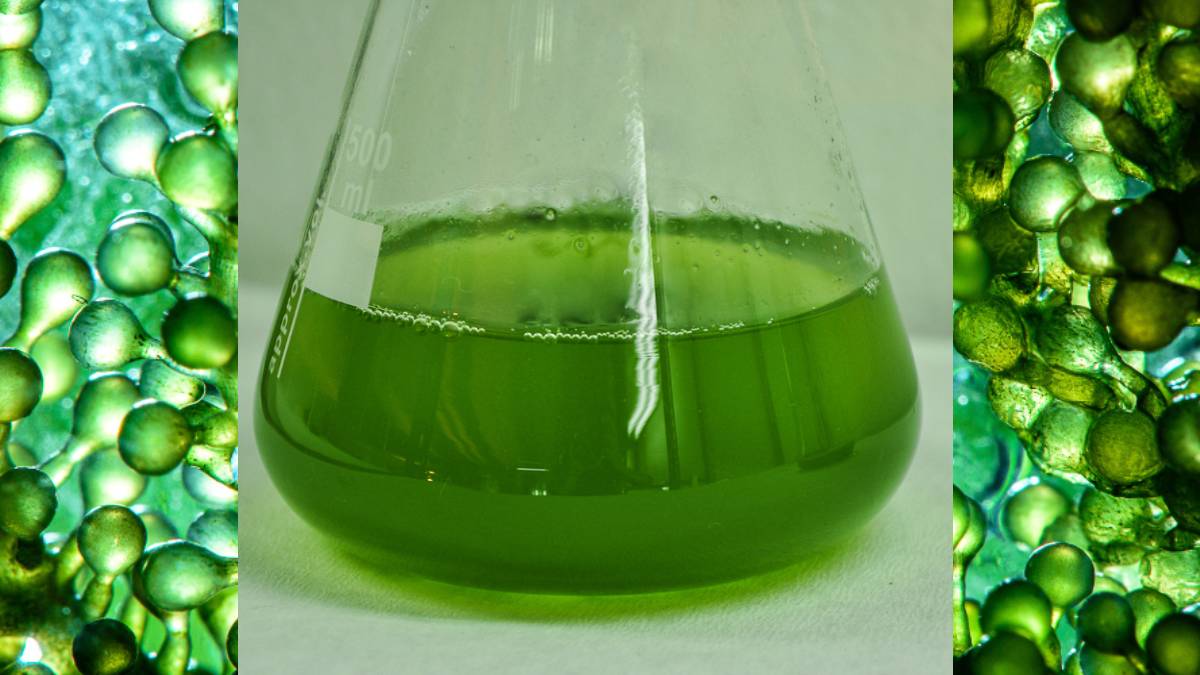
Tiny, sun-powered organisms found in freshwater pools could soon fuel Hawaiʻi’s sustainable future, according to researchers at the University of Hawaiʻi at Mānoa.
The researchers are charting a path to transform microalgae into a “green gold” reality for biofuels, medicine and nutrition, a university press release said.
In a study published in Plant Biotechnology Journal, experts from the College of Tropical Agriculture and Human Resilience reveal how cutting-edge synthetic biology and metabolic engineering are clearing the way for microalgae production locally and around the world.
Microalgae excel at capturing carbon dioxide and converting it into high-value compounds such as lipids (oils) and terpenoids (organic chemicals). These can be used to create everything from renewable jet fuel to life-saving medications.
“Microalgae have immense potential because they don’t compete with food crops for land or fresh water,” said Zhi-Yan “Rock” Du, the study’s lead author and an associate professor in the university’s Department of Molecular Biosciences and Bioengineering. “Our research focuses on how we can reprogram these organisms to produce more of these valuable materials efficiently.”
Despite their potential, producing microalgal products at a scale that can compete with petroleum has been difficult.
The UH team, including graduate students led by Ty Shitanaka (co-principal investigator with UH professor Samir Kumar Khanal), examined how new genetic tools such as CRISPR/Cas9, a revolutionary gene-editing technology, can optimize the “metabolic superhighways” within the algae.
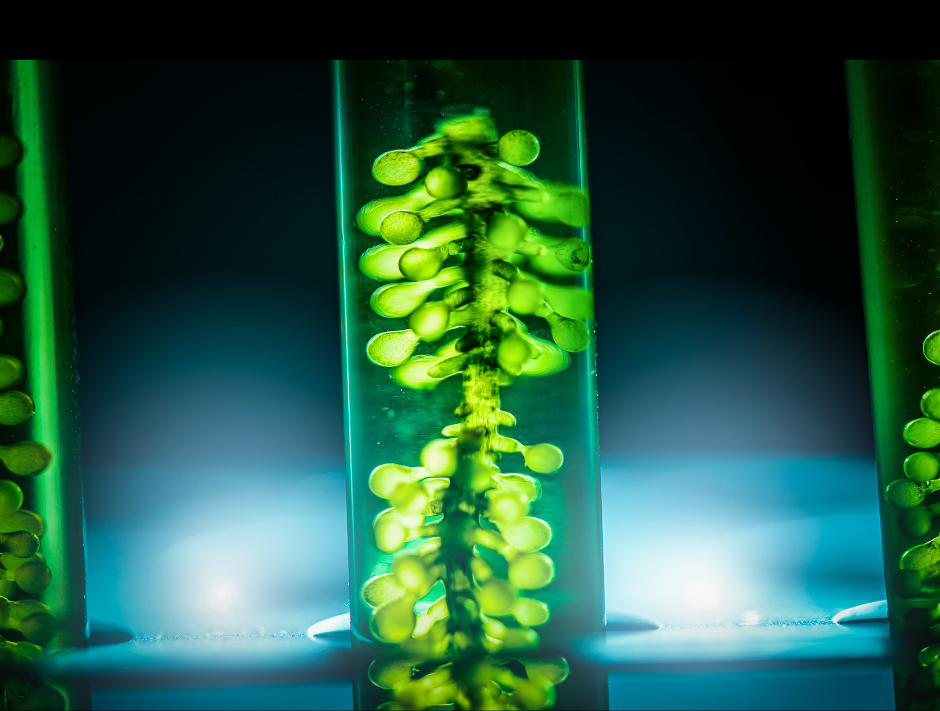
By tweaking the internal chemistry of the cells, researchers can drive the algae to accumulate higher concentrations of oil and specific health-boosting compounds without slowing down their growth, a common problem in earlier bioengineering attempts.
For Hawaiʻi, the state’s year-round sunshine and coastal access provide an ideal environment for algae cultivation.
“This has the potential to help Hawaiʻi create a more resilient, energy-independent economy,” Khanal said. “By integrating microalgae production with wastewater treatment or agricultural byproduct recycling, we can create a system that is both environmentally friendly and economically viable.”
The study also emphasizes the importance of “synthetic biology,” which allows scientists to design biological parts that don’t exist in nature, further pushing the boundaries of what microalgae can produce.
The research was a collaborative effort involving Professor Krzysztof Zienkiewicz from the Nicolaus Copernicus University in Toruń, Poland. This work was supported by the National Science Foundation and the USDA National Institute of Food and Agriculture.
Sponsored Content


Subscribe to our Newsletter
Comments