



4-time Nā Hōkū Hanohano Award winner Kawaʻa releases debut solo album ‘Mānaiakalani’
Maui native, four-time Nā Hōkū Hanohano Award winner, Grammy nominee and top 20 finalist on Season 25 of NBC’s “The Voice” Kamalei Kawaʻa set sail on a new musical voyage with the release of his debut solo Hawaiian music album “Mānaiakalani,” now available across all digital and streaming platforms.
The album features 13 mele, including original compositions and select favorites, each sharing a special story.
“Mānaiakalani” honors the people, places and moments that shaped Kawaʻa throughout his life and musical journey, while serving as a heartfelt reminder to remain steadfast in love for ʻāina, ʻohana, lāhui and ke Akua.
The official music video for the title track “Mānaiakalani” premiered Tuesday (Dec. 30) on YouTube.
A CD release celebration is planned Jan. 17, 2026, at the Four Seasons Resort Maui on the Ocean Front Lawn in Wailea. Pre-show begins at 6 p.m. The event is free and open to the public.
Those who attend will enjoy an enchanting evening of storytelling through mele and hula as Kawaʻa — joined by award-winning hula hālau and Hawaiian music icons — brings the songs and stories from the album to life.
“We hope you enjoy the album as much as we enjoyed creating it,” wrote Kawaʻa’s wife, manager and spokeswoman Cierra Kawaʻa in an email announcing the album debut.
Paukūkalo, Maui, native Kamalei Kawaʻa is a Native Hawaiian singer-songwriter, recording artist, musician and hula dancer whose artistry embodies the heart of Hawaiian arts and culture. He continues to unite generations through music and hula.
Kawaʻa’s upbringing in a Hawaiian family rooted in hula and mele Hawaiʻi was filled with the sounds, stories and traditions of his kūpuna.
Early exposure to Hawaiian music legends, contemporary Hawaiian artists and global icons shaped his vocal style and deepened his understanding of melody, harmony and storytelling.
He learned from a young age that mele is not only a form of expression but a kuleana — to uplift, to teach and to preserve.
Kawaʻa’s experience in hula — as a proud dancer of the award-winning Hālau Kekuaokalāʻauʻalaʻiliahi under the direction of Kumu Hula ʻIliahi and Haunani Paredes — further grounded him in Hawaiian culture, teaching him to convey emotion, narrative and connection through movement as well as song.
His music reflects the values of aloha ke akua (love for God), aloha ka ʻohana (love for family), aloha ʻāina (love for the land) and aloha kekahi i kekahi (love and respect for one another).
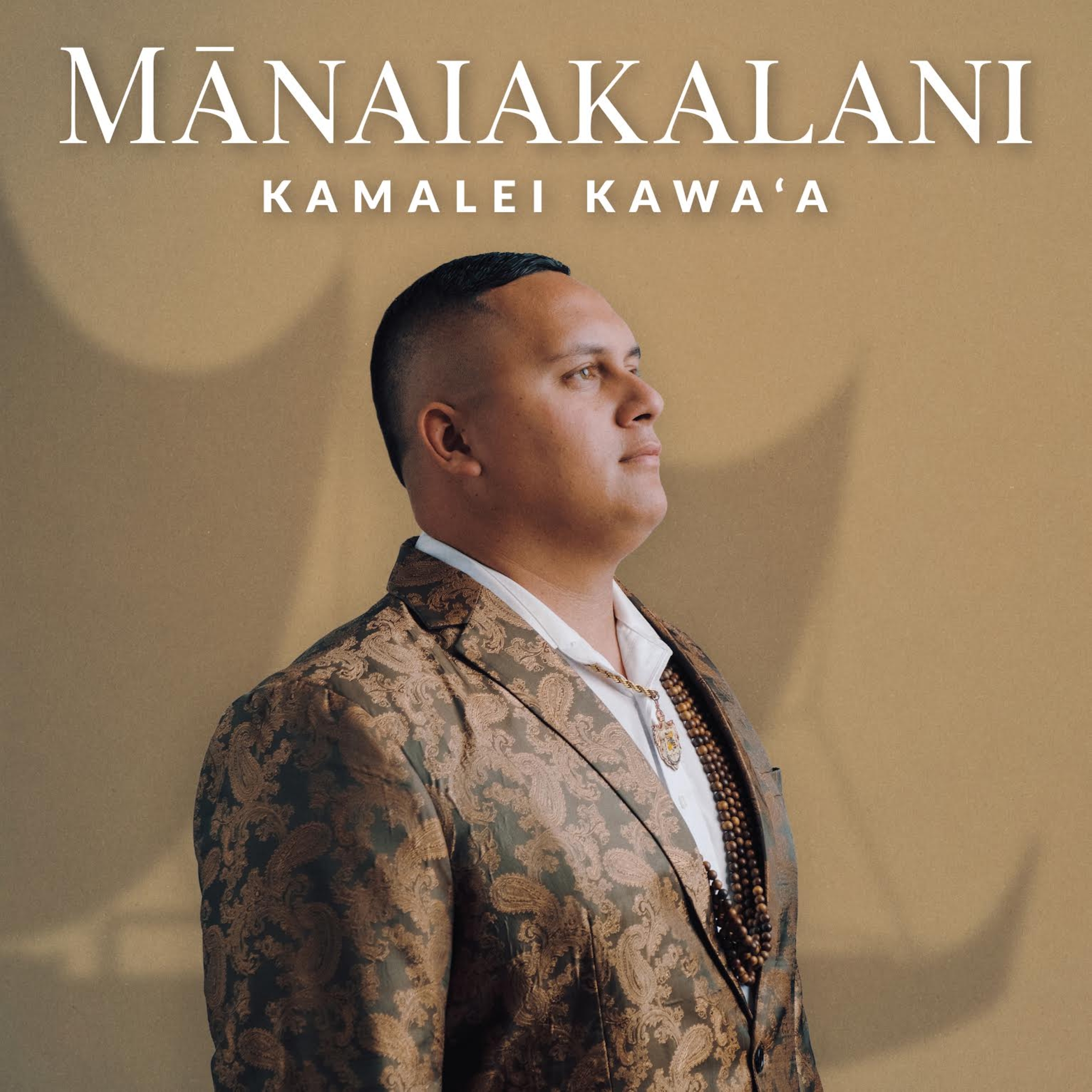
Kawaʻa demonstrates through his songs how music heals, uplifts and connects people, carrying forward the spirit of aloha.
He blends traditional Hawaiian melodies with contemporary expression to create a sound that captivates the attention of his audience and moves listeners. His heartfelt compositions resonate with audiences around the world — including artists such as Chance The Rapper, John Legend, Reba McEntire and Dan + Shay, who were deeply moved by his performances on “The Voice.”
The proud husband and father continues to share the beauty and spirit of Hawaiʻi.
Through his music, he shares a piece of his heart and tells his story of life through his own lens — sharing it with the world as an ambassador for Hawaiian music, carrying forward the legacy of his ancestors while shaping the next chapter of Hawaiian music through mele, hula and aloha.
Visit Kawaʻa’s website for additional information.
Sponsored Content


Subscribe to our Newsletter
Comments