



Dr. Billy Bergin — keeper of the paniolo spirit — named Living Treasure of Hawai‘i
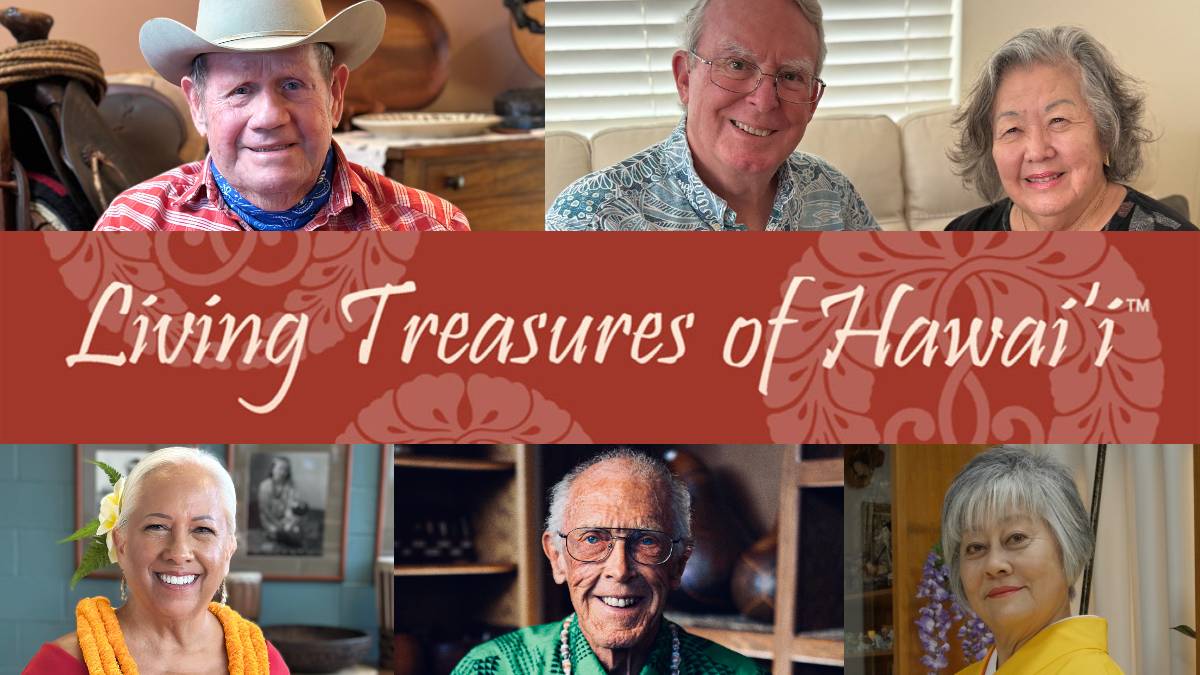
The Living Treasures of Hawai‘i program — celebrating its 51st year in 2026 — continues a cherished tradition of honoring those whose lives reflect the very best of our islands — excellence, compassion and a deep commitment to enriching our society.
Founded in 1976 by Bishop Yoshiaki Fujitani and inspired by Japan’s Living National Treasures, the program honors people who — through mastery and service — enrich Hawai‘i’s cultural, artistic and humanitarian landscape.
The 2026 honorees will be celebrated during the 51st Living Treasures of Hawai‘i luncheon Feb. 21, 2026, at the Hilton Hawaiian Village Waikīkī Beach Resort Coral Ballroom.
Tickets can be purchased at the Living Treasures of Hawai‘i website.
Continue reading to learn about this year’s Living Treasures of Hawai‘i.
* * * * * * * * *
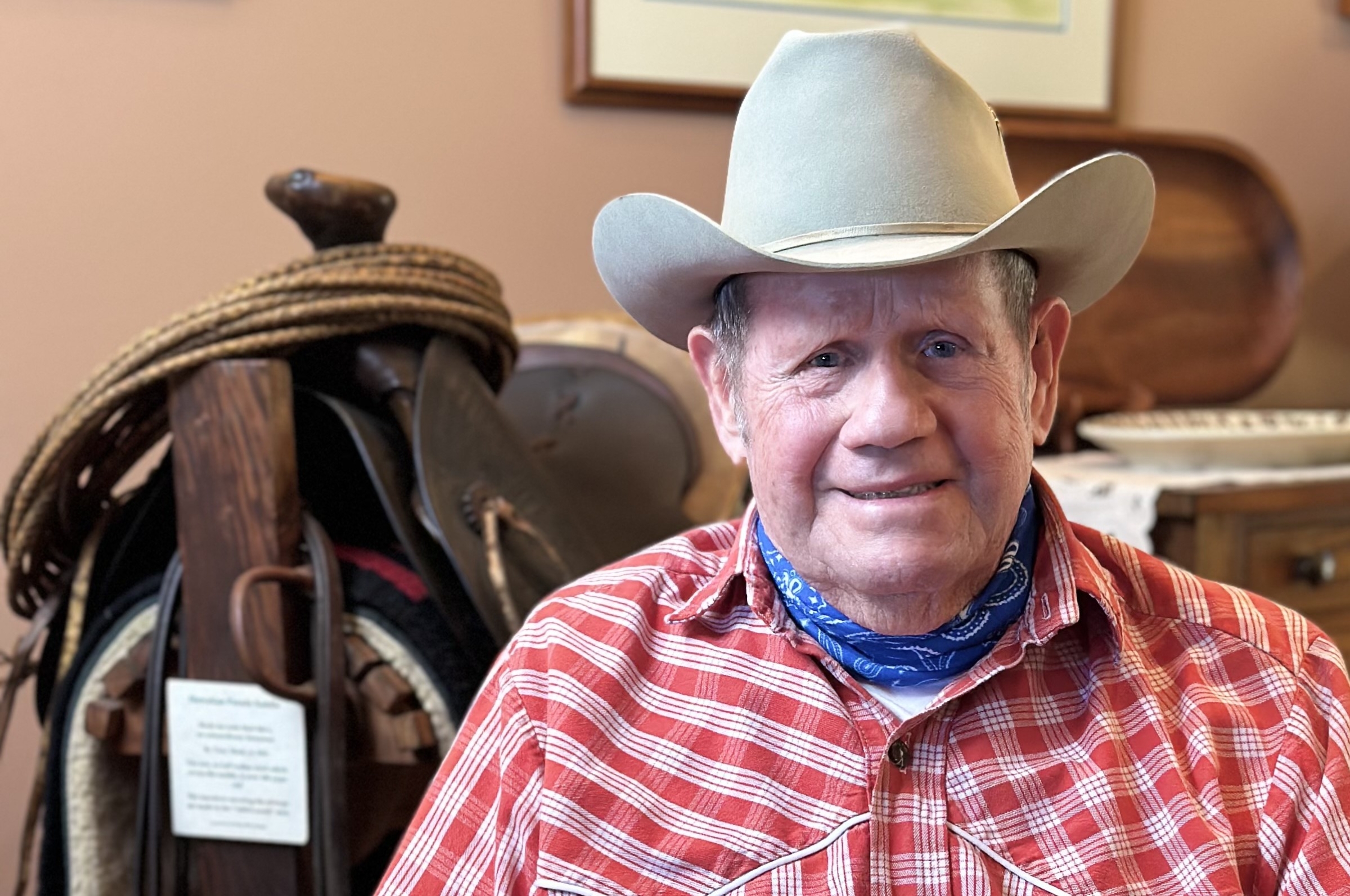
Billy Bergin: Keeper of the Paniolo Spirit
Few names resonate more in Hawai‘i’s ranching legacy — from the misty hills of Waimea to the rugged pastures of Parker Ranch — than Dr. Billy Bergin, who is being honored for his lifetime of service, leadership and cultural preservation.
Bergin — a veterinarian, rancher and historian — dedicated more than 55 years to advancing animal care and celebrating Hawai‘i’s paniolo heritage. He pioneered herd health programs and sustainable ranching practices as Parker Ranch’s chief veterinarian, all of which reflect Hawaiian values of kuleana and aloha ʻāina.
He also founded the Paniolo Preservation Society, safeguarding the stories and artifacts of Hawai‘i’s ranching history.
Bergin’s advocacy led to national recognition for local cowboys, including the induction of Ikua Purdy and John Palmer Parker into the National Cowboy & Western Heritage Museum’s Hall of Fame, and creation of Waimea’s iconic Ikua Purdy statue.
Bergin — author of the acclaimed “Loyal to the Land” book series — continues to write, teach and share the paniolo spirit from his home in Waimea, where he lives with his wife of 63 years, Patricia (Cockett) Bergin.
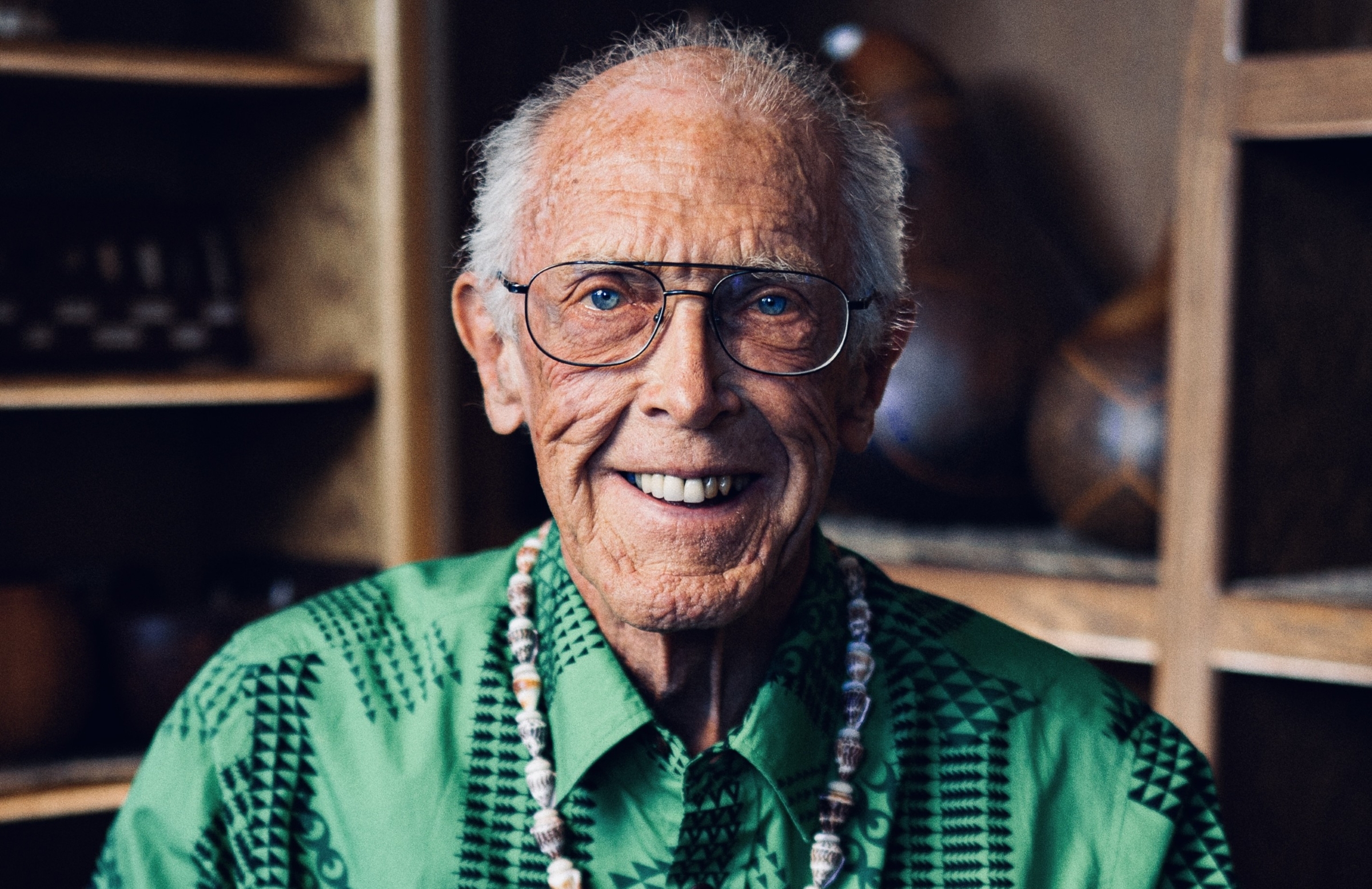
Bruce Ka‘imiloa Chrisman: Reviving the Lost Arts of Hawai‘i
Dr. Bruce Ka‘imiloa Chrisman — physician, artisan and cultural historian — has been one of Hawai‘i’s most dedicated champions of traditional knowledge for more than 5 decades.
“Ka‘imiloa” means “one who seeks endlessly” and is known affectionately as Kumu Ka‘imiloa, since he has devoted his life to researching, reviving and teaching the traditional arts and culture of Hawai’i.
He immersed himself in Hawaiian culture after moving to Hawai‘i in the 1970s as a U.S. Navy physician, learning from renowned kūpuna throughout the islands.
His curiosity and respect led him to master numerous art forms — wood, stone, bone, shell, featherwork, kapa, tattooing and hula implements. But his most groundbreaking achievement was reviving the lost art of ipu pawehe, the intricately dyed gourds once reserved for ali‘i.
He rediscovered the traditional dyeing process after 15 years of careful research and experimentation, bringing back an art that vanished for generations.
Chrisman’s teaching reached students throughout Hawai‘i and beyond. He lectured at Bishop Museum, Kamehameha Schools and Ka ‘Aha Hula o Hālauaola, as well as served as a cultural resource to museums worldwide.
His humility and generosity earned him respect from all who learn from him — he shares his vast knowledge freely, asking only that his students “pass it on.”
Chrisman — now in his 80s — continues to teach online through the University of Hawai‘i at Hilo Outreach Program and his YouTube channel, ensuring traditional Hawaiian knowledge remains alive and accessible to future generations.
His life’s work exemplifies kuleana, aloha ‘āina and a tireless dedication to preserving the wisdom of Hawai‘i’s ancestors.
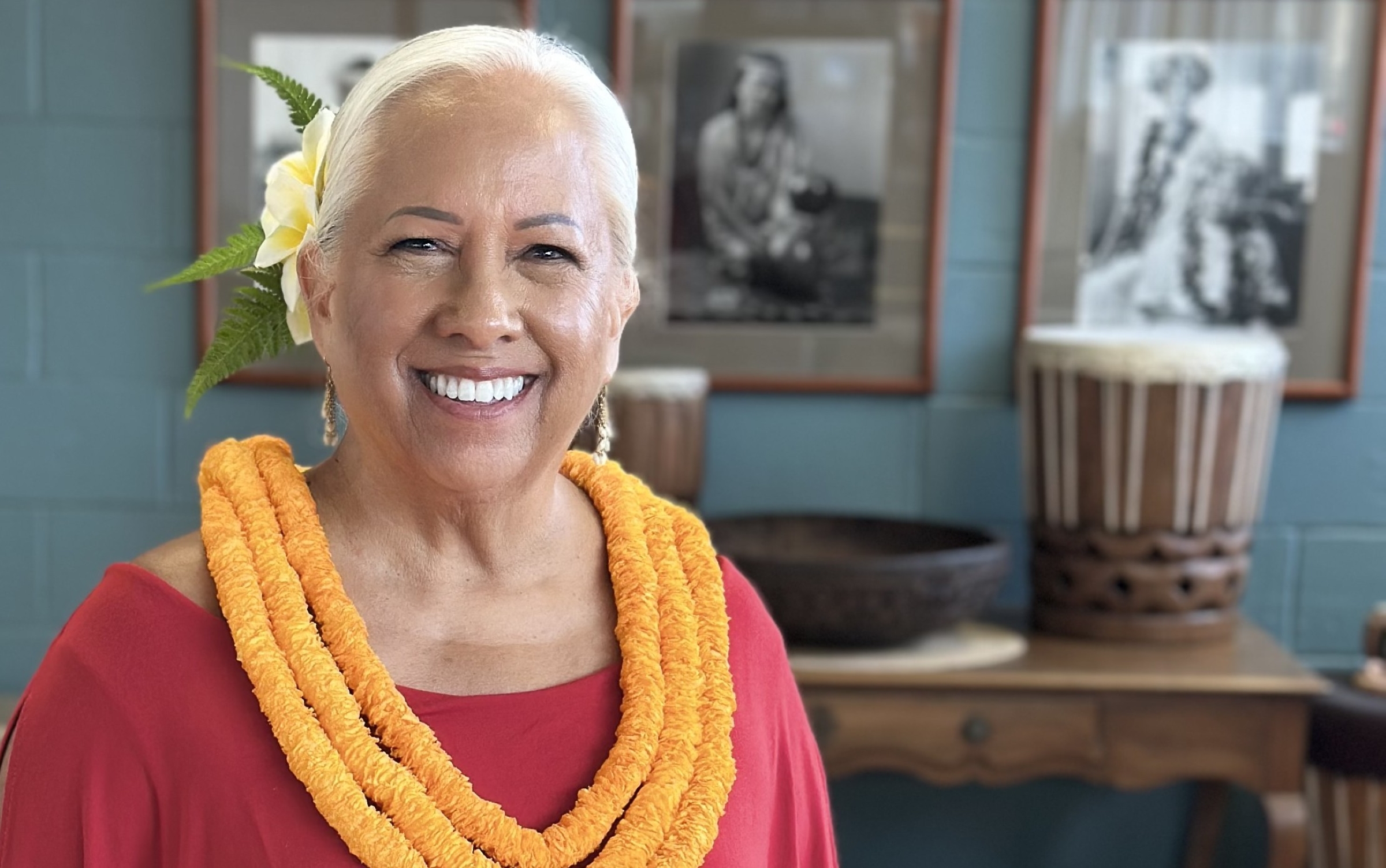
Māpuana de Silva: A Lifetime of Hula, Healing and Leadership
Kumu Hula Māpuana de Silva devoted her life for 50 years to preserving, teaching and sharing the art of hula.
De Silva — founder and kumu hula of Hālau Mōhala ʻIlima — trained generations of dancers and cultural practitioners who embody the values of haʻahaʻa, mālama and pono — humility, care and integrity.
She received her ʻūniki (formal graduation) as a student of legendary hula master Maiki Aiu Lake in 1975, marking the beginning of a lifelong commitment to teaching hula as art and philosophy.
Her hālau has become a cornerstone of Hawaiian culture since its founding in 1976, known for its excellence and authenticity on the Merrie Monarch stage and in community life. De Silva’s bold decision early on to focus exclusively on traditional hula set her hālau apart as a beacon of cultural integrity and discipline.
Her impact reaches far beyond performance.
Partnering with the University of Hawai‘i John A. Burns School of Medicine, she helped develop Ola Hou i ka Hula, a groundbreaking program that uses hula to improve cardiovascular and emotional health.
De Silva’s work bridges indigenous practice and modern science, demonstrating how Hawaiian knowledge continues to heal and empower communities.
She has also served as an international ambassador of culture through the Council of Pacific Arts and Culture, representing Hawai‘i in global forums as chairwoman of the council for 8 years and leading the state’s participation in the 2024 Festival of Pacific Arts and Culture.
De Silva leads with humility and courage at home in Kailua, Oʻahu.
Through organizations such as Hikaʻalani and the Kailua Hawaiian Civic Club, she has championed the protection of sacred sites, iwi kūpuna and the perpetuation of Hawaiian identity. Her teaching philosophy — rooted in respect, discipline and aloha — shaped generations of students who carry her values into every corner of life.
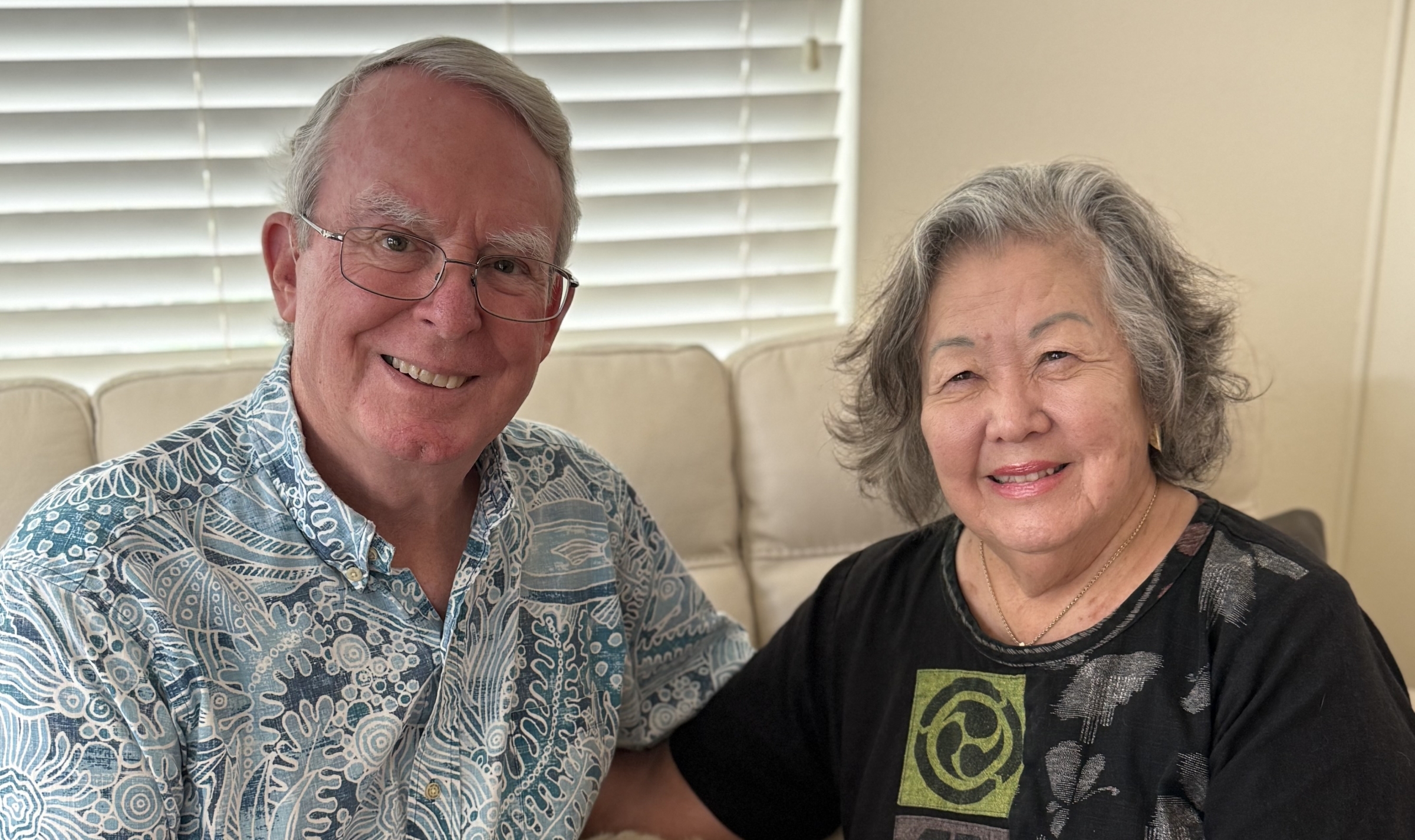
Jim and Vickie Kennedy: Making the Invisible Visible
James “Jim” Kennedy Jr. and Victoria “Vickie” Reiko Kennedy embody the quiet power of service.
They have championed for years communities too often overlooked — especially blind and low-vision residents and legitimate service-dog teams — building access, dignity and understanding throughout Hawaiʻi.
Vickie Kennedy, totally blind, turned her lived experience into leadership to help the blind. On Guide Dogs for the Blind’s board from 2002–11, she chaired development for 7 years and helped launch Support Our Canine Heroes, a signature gala that has raised more than $10 million for veterinary care.
She volunteers in Hawaiʻi through Guide Dogs of Hawaiʻi, encourages assistive technology, leads major events for Hawaiʻi Association of the Blind, seeks to provide hope to newly diagnosed blind and their families and served on Hawaiʻi’s Statewide Independent Living Council, bringing to it real-world disability expertise.
Jim Kennedy brought executive rigor to community work.
As executive director of Hawaiʻi Fi-Do Service Dogs, he led public education and legislative advocacy that culminated in Hawaiʻi’s law penalizing fake service dogs, protecting legitimate teams and reducing conflict.
A seasoned grant writer and nonprofit leader, he also helped build Mālama i nā Honu, securing its nonprofit status, obtaining grants, serving as president/treasurer and volunteering on the beach as a “Honu Guardian.”
Together they advance accessibility in places most visitors never think about.
They co-crafted audio descriptions for brochures — turning silent images into vivid narratives at the Ala Kahakai National Historic Trail, Kalaupapa National Historic Park and Pearl Harbor National Memorial with the National Park Service’s UniDescription project.
They also worked on the descriptions for the Thomas Jefferson Memorial and Grand Teton National Park.
That work makes iconic sites more welcoming to blind and low-vision visitors.
Their compassion is hands-on. With Vickie Kennedy’s retired guide dogs, they provided thousands of pet-therapy visits at The Queen’s Medical Center and St. Francis Hospice.
They both were recently elected to the board of directors of Damien Memorial School in Honolulu.
Honoring Jim and Vickie Kennedy helped change laws, reshaped public messaging, expanded access to national parks and comforted families — always choosing impact instead of attention.
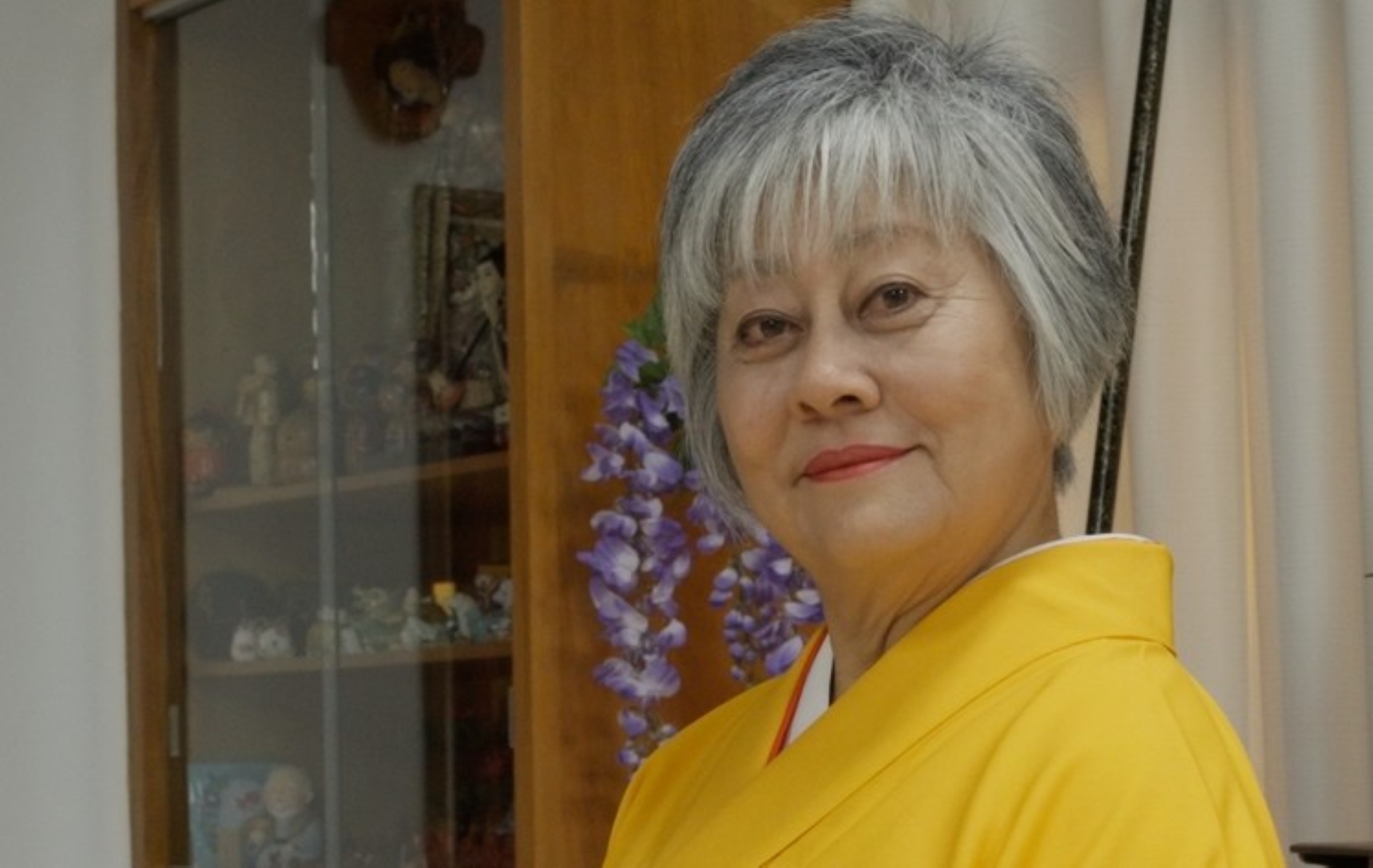
Sheree Tamura: Dancing Tradition Forward
Sheree Tamura — Hanayagi Mitsusumi Sensei — has been a guiding light in Japanese classical dance, shamisen and cultural education for more than 60 years in Hawaiʻi.
Founder of the Hanayagi Mitsusumi Dance Studio, she trained generations of students in nihon buyō while fostering respect, discipline and appreciation for Japanese values.
Her artistry has graced countless stages — from Merrie Monarch-style community events to international festivals and diplomatic receptions, including performances honoring Japanese Prime Minister Shinzo Abe.
She personally escorted Prince and Princess Akishino om 2018 during their visit to Hawaiʻi, and was invited in 2019 to a private meeting with Their Majesties Emperor Naruhito and Empress Masaki during the Association of Nikkei and Japanese Abroad Convention in Tokyo, symbolizing her lifelong role as a bridge between Japan and its global Nikkei communities.
Tamura is equally admired at home for her selfless leadership.
As president and long-time board member of the United Japanese Society of Hawaiʻi, she coordinated major legacy events; through the Japanese Women’s Society Foundation she brings dance, music and joy to kūpuna at Kuakini Home; and with Waipahu Hongwanji Mission she shares her artistry at temple celebrations.
She created online cultural videos for children and seniors during the COVID-19 pandemic to continue learning from home.
Honored with the 2018 Consul General of Japan Commendation and as 2017 United Japanese Society of Hawaiʻi Outstanding Member of the Year, Tamura is one of Hawaiʻi’s foremost keepers of Japanese arts.
Yet her greatest achievement is the community she built — one where tradition thrives and gratitude guides every step.
* * * * * * * * *
The Living Treasures of Hawai’i program was created by the Honpa Hongwanji Mission of Hawaiʻi, inspired by the Living National Treasures of Japan.
The late Bishop Yoshiaki Fujitani started the program at the suggestion of Paul Yamanaka, a local insurance executive, who wanted to honor those unique to the islands who demonstrate excellent and high standards of achievement in their particular fields and continue to make a significant contribution towards enriching our society.
Visit the Living Treasures of Hawaiʻi website for additional information.
Sponsored Content


Subscribe to our Newsletter
Comments