



Kona coast on Big Island becoming central spot for innovative coral reef restoration
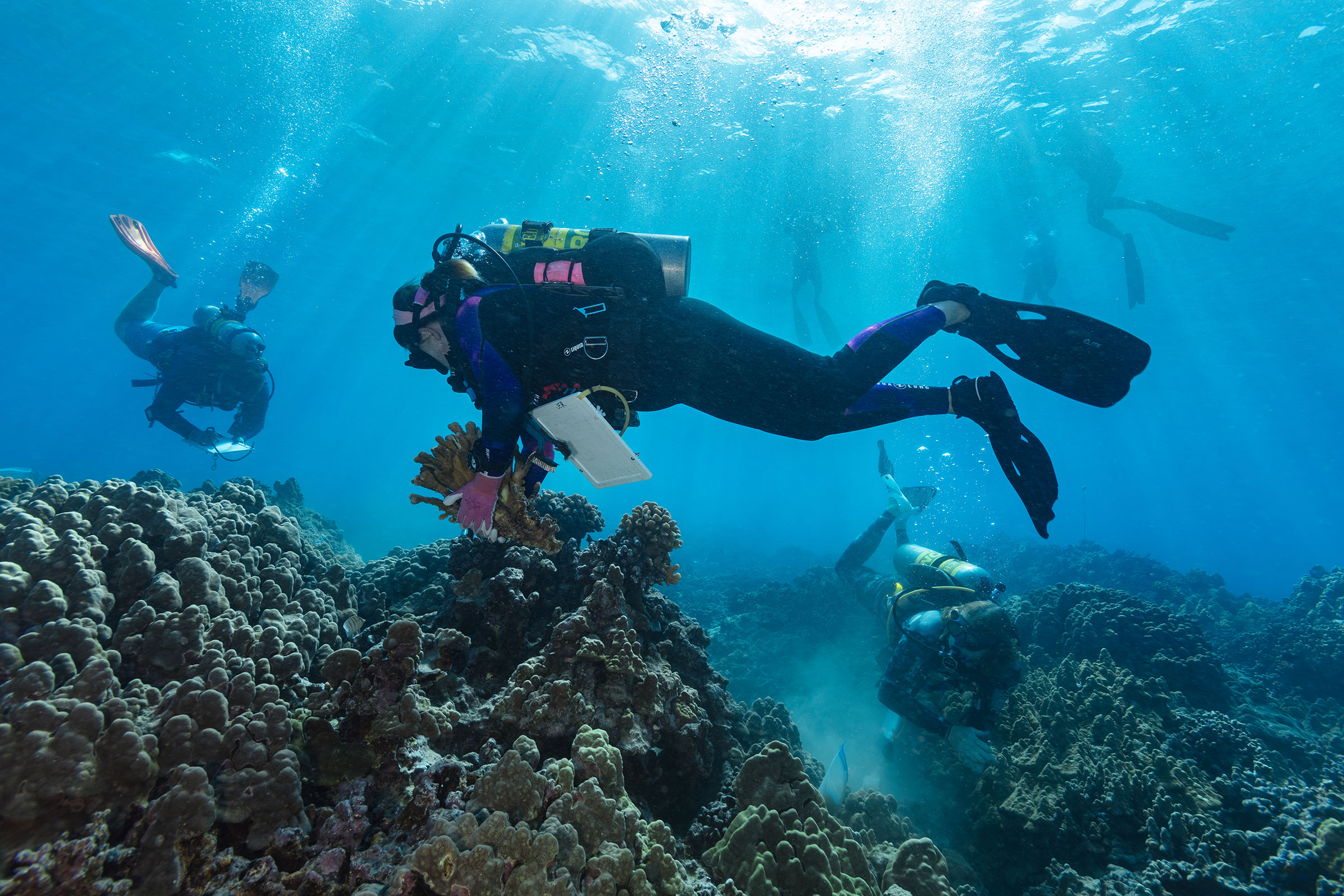
Earlier this month, a team of scientific divers, snorkelers and boat crews carefully recovered and reattached 313 kūʻa (coral) colonies that had been broken or overturned in Kahuwai Bay in Kailua-Kona.
They were from the Hawaiʻi Emergency Reef Restoration Network of The Nature Conservancy, which is working with federal, state and community partners to develop a gold-standard for science-based, adaptive and community-centric restoration in Hawai‘i.
Together, they are piloting reef restoration at sites where corals have been lost, but where the reefs have proven to be resilient.
But “reef restoration is not a one-and-done fix,” said Julia Rose, coral restoration program manager at The Nature Conservancy, Hawaiʻi and Palmyra.
“It is mālama ʻāina, a commitment to stewardship. While our reefs face mounting pressures, reducing physical damage is something we can act on now to give them a fighting chance.”
Hawaiʻi’s coral reefs are under increasing pressure from sediments, land-based pollutants, overfishing and climate change impacts, including rising sea levels and water temperatures, which are expected to intensify in coming years.
Large swells that impact the west-facing coasts of the Big Island more and more often also are another threat to the reefs.
In November, one swell caused extensive damage to the coral colonies, breaking off large pieces that could die or damage the sea floor.
However, these fragments can be reattached and stabilized onto the reef as close to their original location as possible, dramatically increasing their chances of survival and regrowth.
To do this, divers and scientists replant the coral fragments onto the reef using epoxy, cement or other nontoxic underwater adhesives.
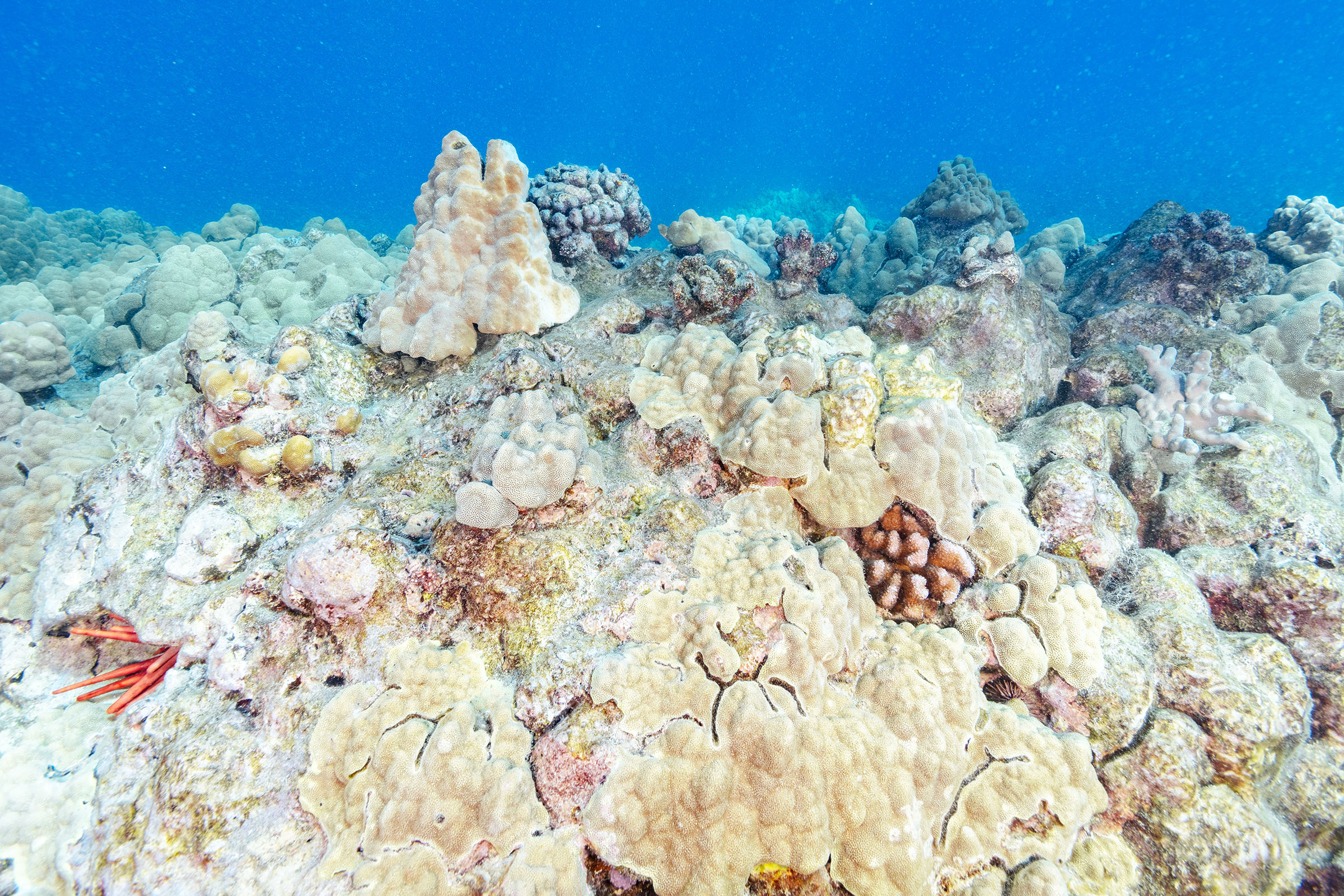
Some pieces are planted whole, while others are cut into fragments and planted in clusters directly on the reef to form a colony or allowed to grow on an in-water nursery table before being replanted.
Fragment planting is one part of Kanu Kūʻa (Planting Corals), a project integrating Hawaiian culture, the local community and the science of coral restoration to accelerate coral reef growth and recovery in Kahuwai and Kealakekua Bays in West Hawaiʻi.
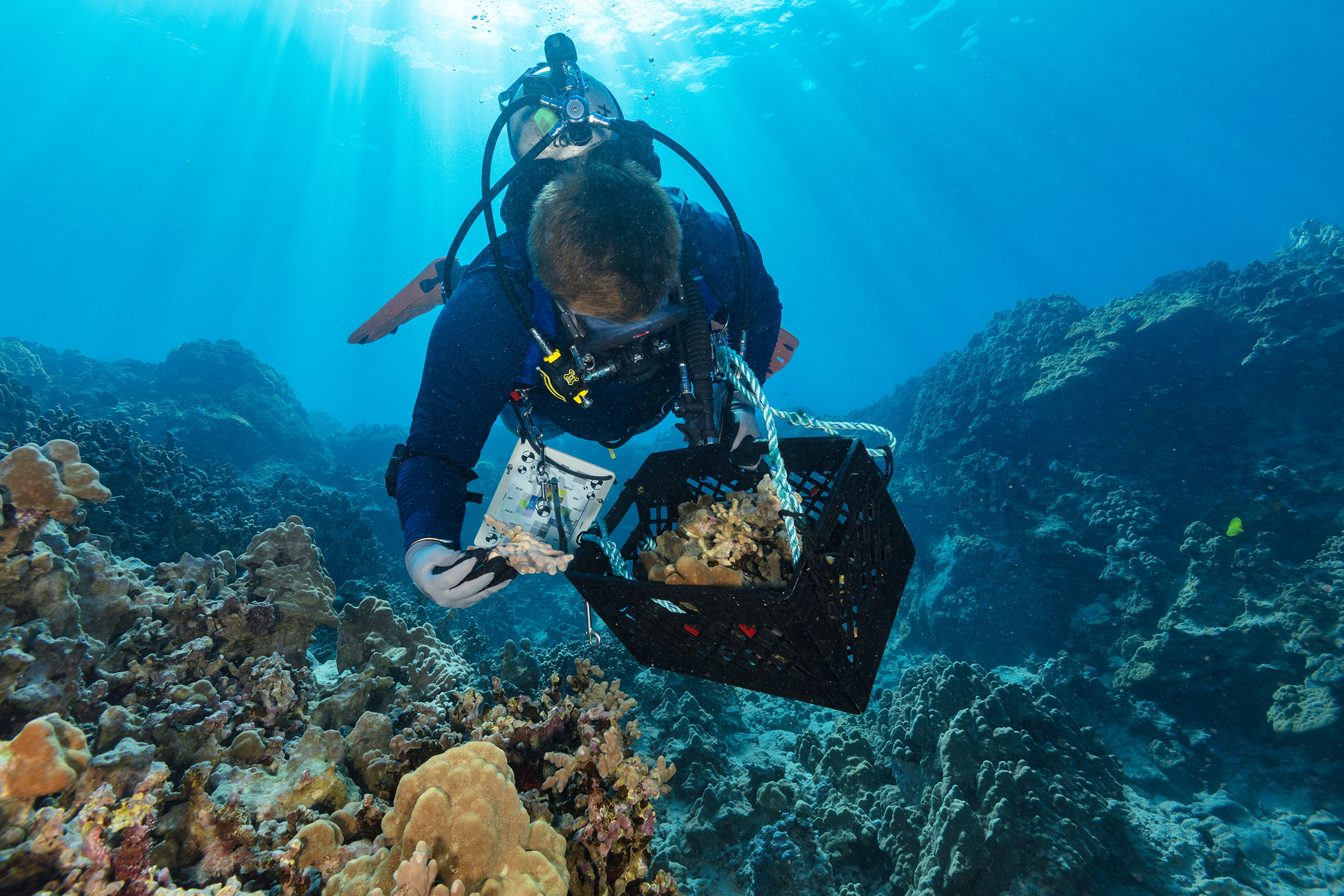
The project also is helping to build local skills and expertise essential for reef repair and restoration in the coming years as Hawaiʻi experiences more severe storms and coral bleaching.
To learn more about the project and the organization’s reef restoration, vist the Nature Conservancy website.
West Hawaiʻi also is home to the ʻĀkoʻakoʻa Reef Restoration Program, which is working to restore and sustain coral through a foundation of cultural leadership and advanced scientific practices.
For one of the more recent practices, ʻĀkoʻakoʻa uses a diagnostics program for measuring coral growth and death along the entire coastline, along with efforts from the field program supporting exploration processes to harness and guide reef restoration.
According to ʻĀkoʻakoʻa, the program has found that nearshore currents and their seasonality are crucial. Tracking these currents allows researchers and scientists to designate the best areas for its Reef Nurseries Initiative and Targeted Larval Enhancement.
The Reef Nurseries Initiative takes the largest corals that have broken off and decayed due to past marine heatwaves. If given a chance to recover in the water, they will produce billions of larvae (coral babies) each year.
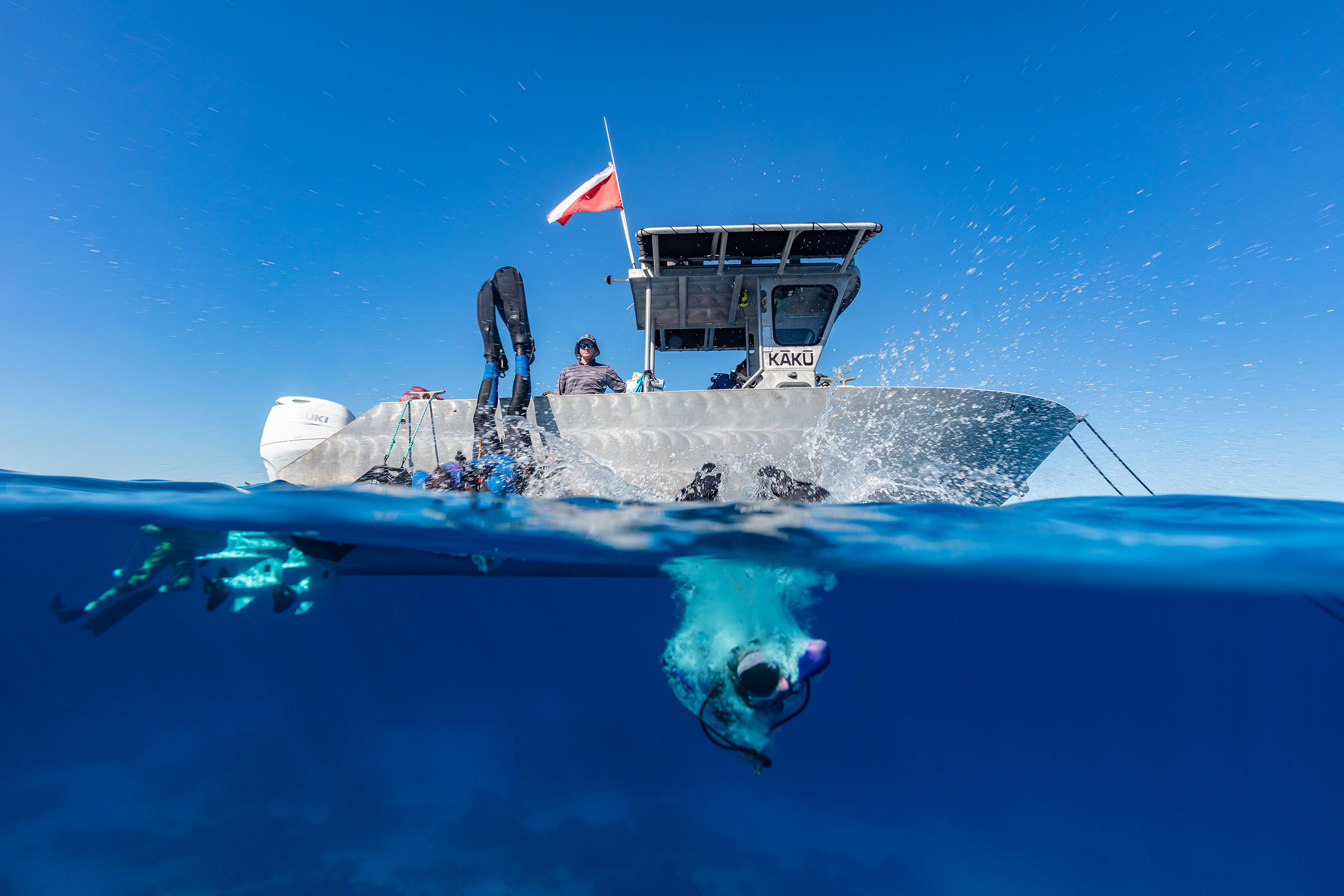
Targeted Larval Enhancement is the second phase of the process and involves taking medium-sized sick corals from the same Reef Nursery sites, rehabilitating them in the coral nursery, and then integrating them into mass larval production at the facility.
“Our approach assists nature by boosting the natural reproductive cycles of corals,” founder Greg Asner said. “When too many corals on a reef die, the remaining individuals become too isolated to reproduce effectively, which is a primary reason why our reefs are struggling to recover on their own. This is where we step in to help.”
Researchers will then select adult corals that demonstrate natural resistance to warmer water and cross-breed the corals to produce offspring that inherit this heat tolerance trait.
“Next, we collect eggs and sperm from these selected corals and raise billions of larvae in our nursery,” Asner said. “Once they are ready, we transport them to our Reef Nursery sites that are already strategically located to serve a much larger area via nearshore current flow.”
According to ʻĀkoʻakoʻa, releasing larvae in targeted areas in high concentrations gives them the best chance to survive to reproductive age, thus fast-tracking the natural recovery process.
To learn more about the mission of bringing together available science and cultural teachings for the preservation of coral reefs, visit the ʻĀkoʻakoʻa Reef Restoration Program website.
Sponsored Content


Subscribe to our Newsletter
Comments