



Officials urge caution as volcanic gases create unhealthy air conditions across Hawai’i
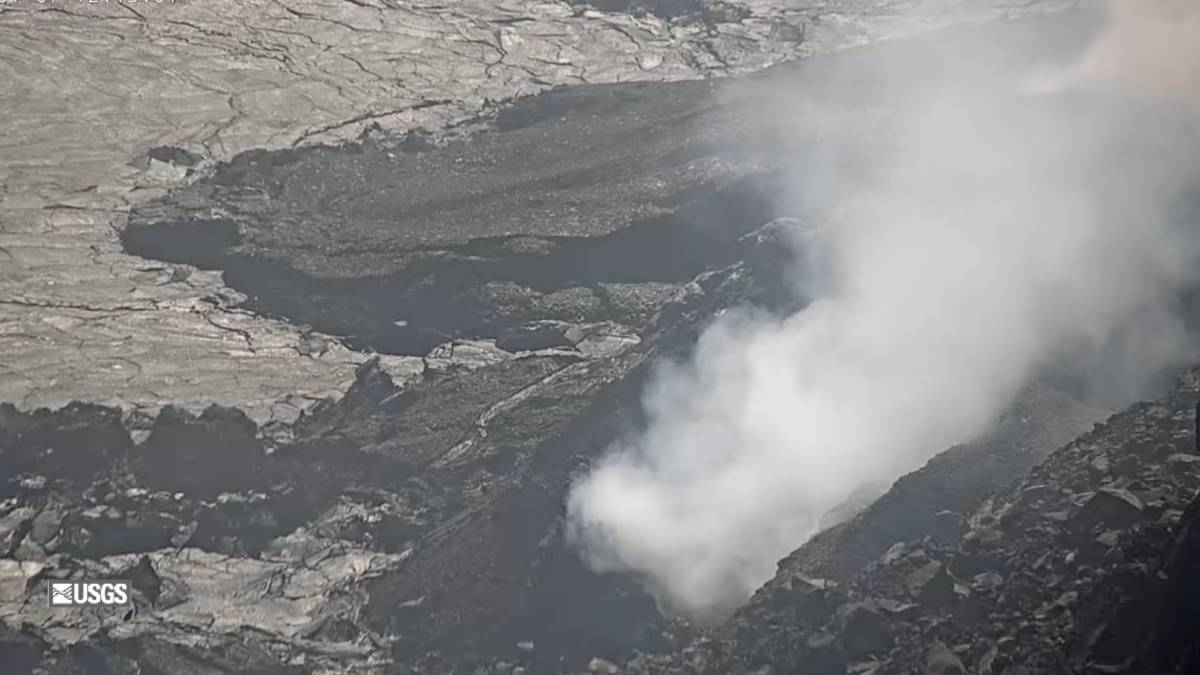
Hawaiʻi health officials are warning residents and visitors to protect themselves from poor air quality as lingering volcanic gases from Kīlauea continue to generate volcanic smog, known as vog, across parts of the state.
The Hawaiʻi Department of Health said elevated emissions remain a concern even though the most recent eruptive episode at Kīlauea’s summit paused earlier this month.
The U.S. Geological Survey reported the volcano’s 38th episodic eruption ended Dec. 9. However, sulfur dioxide and other gases are still being released, creating volcanic smog that can drift far from the summit.
Vog is a haze formed when volcanic gases react with sunlight and moisture. It can pose health risks, especially for people with asthma, heart or lung disease, older adults and young children.
Officials said other potential hazards include windblown volcanic glass, known as Pele’s hair, along with small rock fragments and ash that may affect nearby communities.
During an interview with Big Island Now on Dec. 8, Hawaiian Volcano Observatory geologist Katie Mulliken said: “If you have sensitivities to vog, it’s best to limit your exposure.”
Air quality conditions can change rapidly depending on emission levels, wind direction and weather patterns. Since eruptive activity began almost a year ago, on Dec. 23, 2024, monitoring stations on Hawaiʻi Island, Maui and Oʻahu have recorded fluctuating levels of sulfur dioxide and fine particulate matter, known as PM2.5.
Most monitoring sites have generally reported good to moderate air quality, but stations in southern portions of Hawaiʻi Island have periodically reached unhealthy levels, health officials said.
Short-term exposure to higher concentrations of sulfur dioxide and fine particles may cause irritation of the eyes, nose or throat, coughing or increased mucus production. At higher levels or with longer exposure, more serious breathing difficulties can occur, particularly among people with existing respiratory conditions.
The Department of Health advised the public to stay informed about current air quality conditions and to limit outdoor activity when vog levels are elevated.
The following links provide further information regarding air quality and volcanic activities.
For guidance on reducing exposure and protecting health, visit the particle pollution guide by clicking here.
To view or for updates on the Hawai’i State Department of Health Ambient Air Quality, click here.
For further information on how to protect yourself and your ‘Ohana from breathing volcanic ash, click here.
Sponsored Content


Subscribe to our Newsletter
Comments