



After lava and tephra bury V3cam, new monitoring camera goes live at Kīlauea
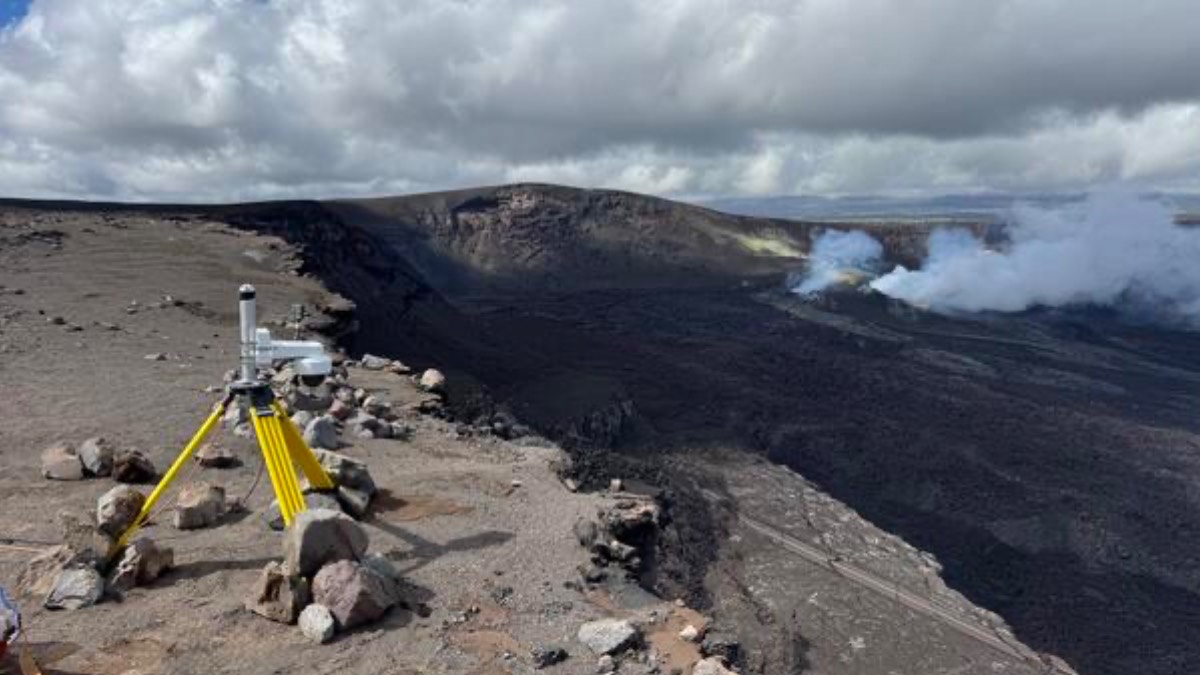
Scientists with the Hawaiian Volcano Observatory have installed a new monitoring camera at Kīlauea volcano to replace V3cam, which received worldwide attention after it was destroyed during a livestream of episode 38 of the yearlong eruption on the Big Island.
The camera was buried under volcanic debris while fountains of lava and a plume spewed more than 20,000 feet into the air. Some people watched it happen live, while others saw it on a video clip that has received more than 500,000 views on the U.S. Geological Survey Volcanoes social media accounts, Hawaiian Volcano Observatory geologist Katie Mulliken said.
Now, after 13 days of scouting for a new monitoring site, Mulliken said the new camera was deployed about a third of a mile away from the original V3cam and “with permission from Hawai’i Volcanoes National Park.”
“The new V3cam is in a location that has not had tephra fall from the past year of lava fountaining episodes at Kīlauea summit, but is still within the hazardous closed area of Hawaiʻi Volcanoes National Park,” Mulliken said.
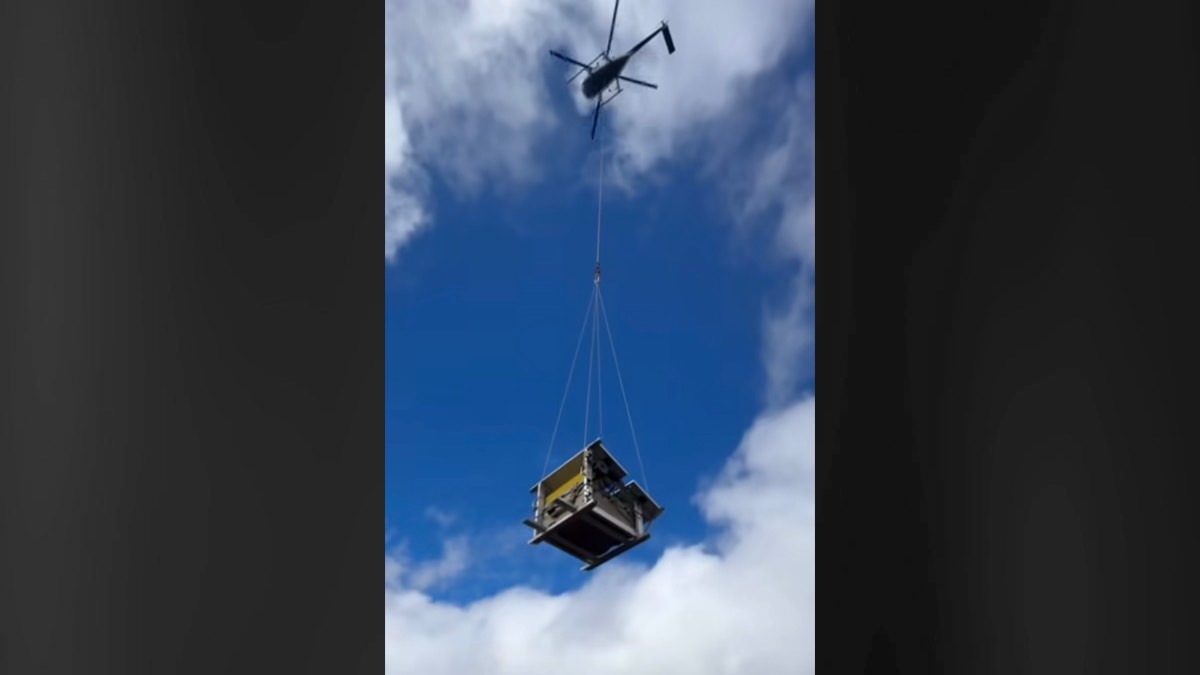
Because the summit is only accessible on foot and the camera components are too bulky and heavy to carry, helicopter support was required to install the new camera.
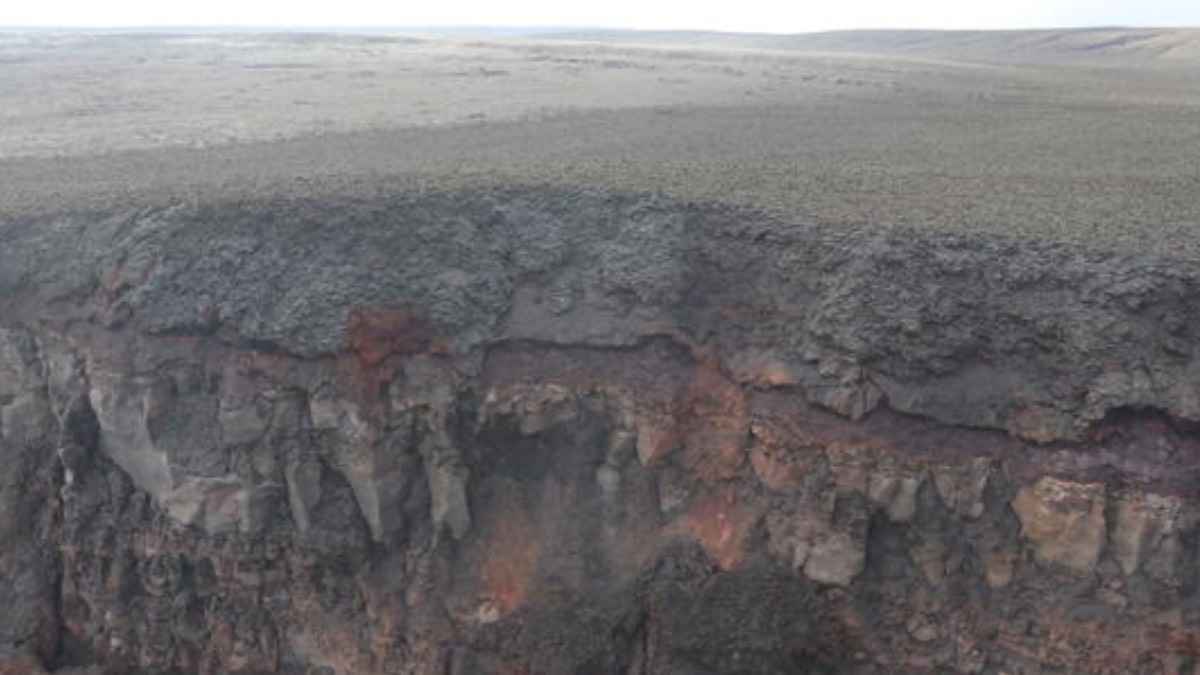
Crater Rim Drive in this area of Hawai’i Volcanoes National Park has been closed since 2007, with parts of it collapsing into the caldera during the 2018 Kīlauea summit eruption, Mulliken said.
U.S. Geological Survey staff walked to this area, where they completed the final work to bring the camera online after the helicopter dropped off the station. The new V3cam is still on the south rim of Halemaʻumaʻu crater, as with the previous V3cam; but it is farther east, away from the eruptive vents.
The destroyed camera was located at the south rim of Halemaʻumaʻu crater and Kaluapele.
This new location for the camera will help U.S. Geological Survey staff and the Hawaiian Volcano Observatory evaluate eruptive hazards as they continue to occur.
“The different components that make up the camera’s station include solar panels and large batteries to power the camera, as well as telecommunications equipment to relay the data,” Mulliken said.
She also noted that they’ve had this camera “sitting on the shelf,” which enabled her team to move quickly and deploy it before the next episode occurs.
The V3cam, like all of the HVO monitoring cameras that start with “V,” is a pan-tilt-zoom model that can be controlled remotely, “depending on the eruptive activity that is occurring,” she said.
Mulliken and her team were hopeful they would have been able to “recover the camera, but when they visited the location after the episode ended, they found it was buried beneath a lot of tephra.
“Our initial field estimate was that the tephra was 50 feet thick, but more detailed mapping in the days after the field visit revealed that it was 32 feet thick.”
This particular area of the crater rim is windy, so the team secured the new equipment by strapping it down.
“The fact that the original V3cam was destroyed is a good reminder of how hazardous the closed area of Hawai’i Volcanoes National Park is,” Mulliken said.
As the holidays approach and Kīlauea nears its next eruption, Mulliken added that “visitors should heed National Park Service guidance and stay out of these closed areas to ensure their safety.”
The new V3cam livestream is back. Watch it LIVE below.
Sponsored Content


Subscribe to our Newsletter
Comments