



Native Hawaiian community invited to weigh in on military-leased lands
The Office of Hawaiian Affairs will hold on Wednesday the second in a series of planned meetings regarding military-leased lands in Hawaiʻi.
The meeting is scheduled to begin at 6 p.m. and will be held at the Community Learning Center in Māʻili on O‘ahu. The meeting will be streamed at oha.org.
The U.S. Army’s 65-year leases on 22,971 acres of state lands at Pōhakuloa Training Area on the Big Island and 6,322 acres of state property on Oʻahu — which include land at Kawailoa-Poamoho Training Area, Mākua Military Reservation and Kahuku Training Area — are set to expire in 2029.
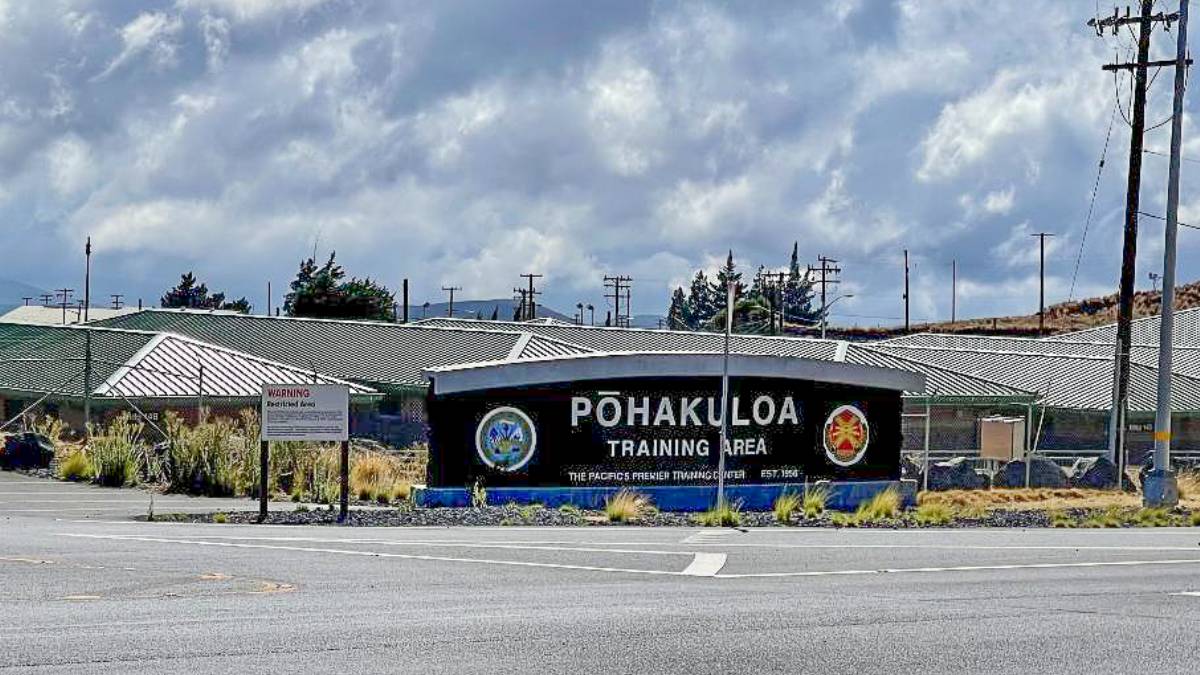
“Our community needs to have their voices heard on the military leases in Hawaiʻi that expire in 2029,” said OHA Board of Trustees Chairperson Kaialiʻi Kahele. “OHA is providing the opportunity for Native Hawaiians and the community at large to weigh on this extremely important statewide issue.”
The issue of U.S. military leases of Hawaiʻi lands has been long-standing. It came to a head earlier this year when the Hawai’i Board of Land and Natural Resources voted not to accept the final environmental impact statement for the military’s retention of Pōhakuloa Training Area on the Big Island and did the same a month later for the state property where Kawailoa-Poamoho Training Area, Mākua Military Reservation and Kahuku Training Area are located on Oʻahu.
The Office of Hawaiian Affairs held its first meeting on Nov. 26 on Hawaiʻi Island at the University of Hawai‘i at Hilo. Nearly 100 people attended the presentation in person, while dozens more tuned into the livestream coverage of the event.
OHA has a webpage dedicated to information about the history and the latest news concerning the military-leased lands issue. Visit https://www.oha.org/aloha-aina/ for updates.
Also, OHA encourages its beneficiaries and the public to take a short survey to express their views on military leases at https://www.oha.org/aloha-aina-survey/.
“Weʻre holding several meetings across the pae ʻāina because the future of these lands—ceded lands taken without the consent of the Hawaiian people—demands strategic and unified action,” Kahele said. “We look forward to engaging with those who see this time as pivotal to the future of our Hawaiʻi.”
Sponsored Content


Subscribe to our Newsletter
Comments