



Limited backyard hens will be allowed in residential areas on Big Island — and their eggs can be sold
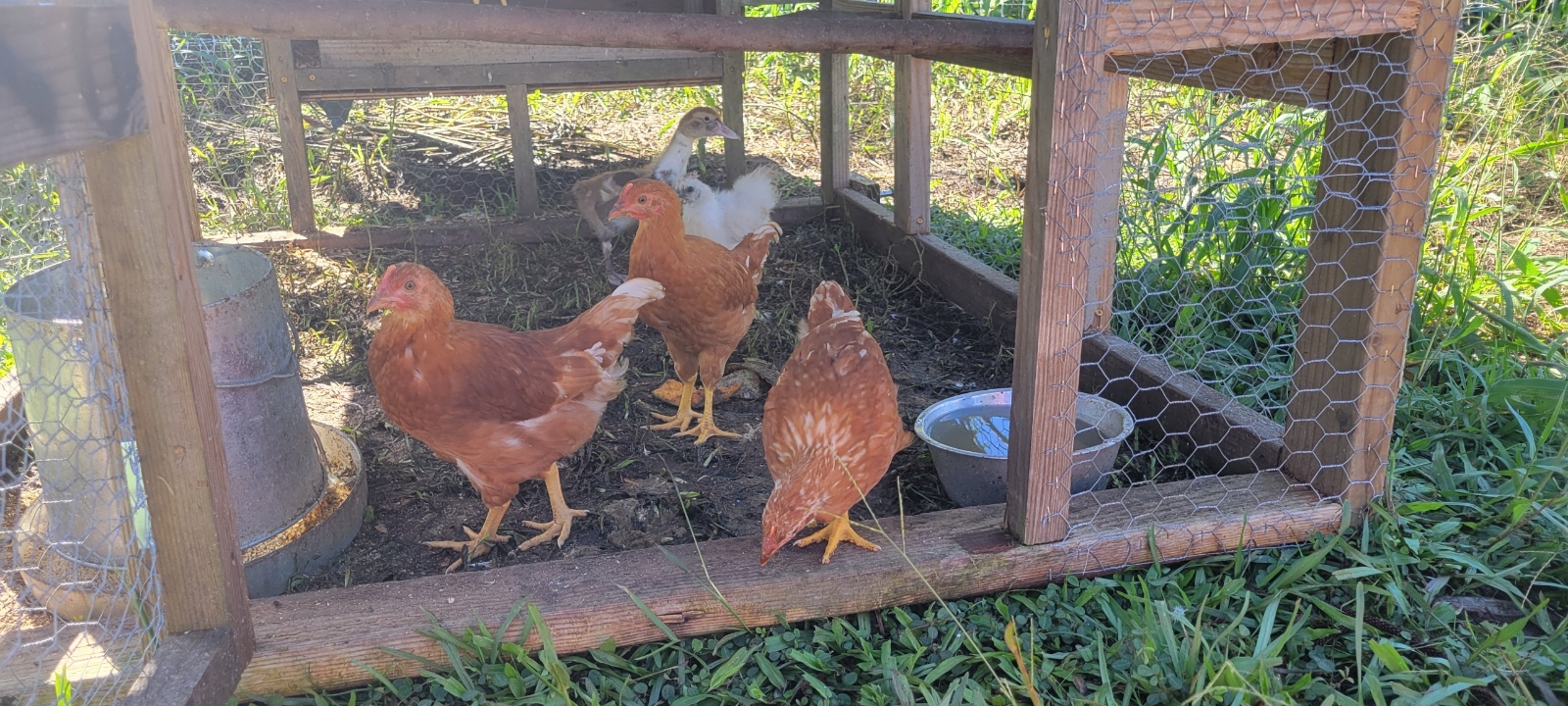
After two postponements and a few amendments, the Hawai‘i County Council unanimously passed a bill that allows a limited number of backyard hens to be housed in residential areas, and for people to sell eggs non-commercially.
During Wednesday’s meeting, Council Member Heather Kimball, the creator of Bill 52, addressed some of the concerns that were voiced during public testimonies on the measure, which included criticism over the number of birds being allowed, the coop requirement for the hens and the prohibition of selling eggs or birds.
Council Member Matt Kaneali‘i-Kleinfelder said the last two to three weeks on social media have been interesting, with some comments claiming the bill prohibits chickens across the island and government overreach.
“The bill does exactly the opposite,” he said.

After a recent trip to Safeway, Kaneali‘i-Kleinfelder said he saw a dozen eggs for sale for $10.99. He said the measure gives people the ability to provide their own eggs for their families as well as sell to their neighbors non-commercially.
The original bill limited the number of hens to two for the first 3,000 square feet of property in residential districts, as well as residential-commercial mixed use, and residential and agricultural zoning districts. An additional hen was allowed for each additional 1,000 square feet of property.
After listening to feedback from poultry owners, Kimball amended the bill to allow four hens for up to 5,000 square feet and an additional hen for each 1,000 square feet of property.
“Four is better than two if you’re going to have a minimum number,” Kimball said.
Jennifer Nobriga of Kona opposed the bill for a variety of reasons.
“Two hens per 3,000 square feet is unrealistic,” Nobriga said. “I’m in an agriculture lot, but who is to say we wonʻt be targeted next? Responsible owners should not be penalized for blanket restrictions. Hawaiʻi Island should remain a place of sustainability and food independence.”
Another sticking point for people was the requirement of a coop.
Nobriga said enclosed coops can harm chickens in hot, humid environments.
“Proper fencing is healthier and quieter,” she stated. “Chickens are natural foragers and confining them to a tiny space is inhumane and leads to disease.”
To address this concern, Kimball presented an amendment that outlines circumstances where a coop may not be necessary.
“We have such a diversity of situations and land uses and property types when we’re talking about permitting this in residential areas,” the councilwoman stated. “And the nuances between balancing food security, sustainability, people having this ability within the residential areas, but also at the same time, in more densely populated residential areas.”
She said people should have the expectation that there wouldn’t farm animals right next door.
Kimball also addressed a concern over the prohibition of selling eggs or chickens to neighbors.
During Nobriga’s testimony, she described this part of the bill to be a “prime example of government overreach.”
“When hens reach 3 years, production slows, and it is common practice to sell to others who may want to use hens for low production or for food,” Nobriga stated. “This practice also supports sustainability and ensures that birds go to good homes. While not everyone sells eggs, it is unfair to restrict others, especially in times of shortage.”
In another amendment to the bill, Kimball has it clearly noted that the prohibition of the commercial sale of eggs or chickens does not include anyone who wants to sell to a neighbor or friend.
Kaneali‘i-Kleinfelder said the changes addressed some concerns he had and tackled them in creative ways.
Kimball thanked the council for postponing the measure during the last meeting on Nov. 5 to allow her the opportunity to refine the bill based on community feedback.
“I appreciate the opportunity to take some time with this and respond to some of the commentary,” Kimball said. “But I think we’ve got a nice bill and ask for your support to get it over the finish line.”
Sponsored Content

_1770333123096.webp)

Subscribe to our Newsletter
Comments