



Hawaiʻi Community College’s auto body program drives workforce since 1966
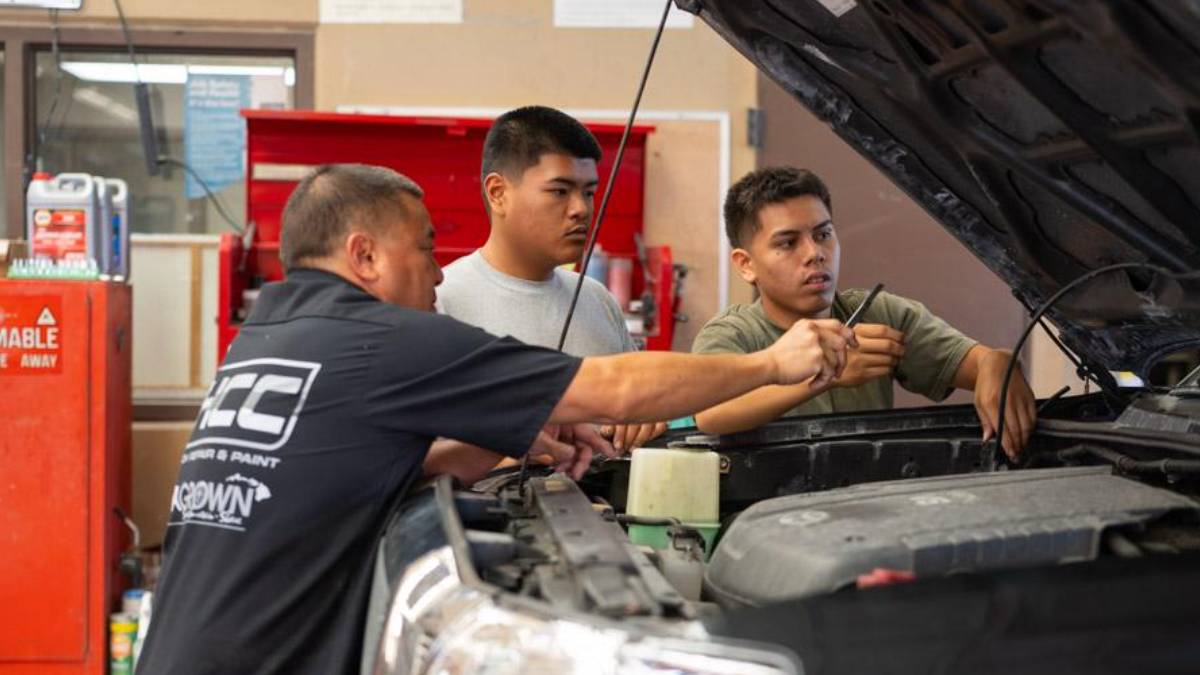
Hawaiʻi Community College’s Auto Body Repair and Painting Program, the only one in the University of Hawaiʻi community college system, carries on a legacy of craftsmanship, innovation and career readiness that began in 1966.
The program has graduated nearly 1,000 technicians, with a notable rise in women’s enrollment, according to a university press release.
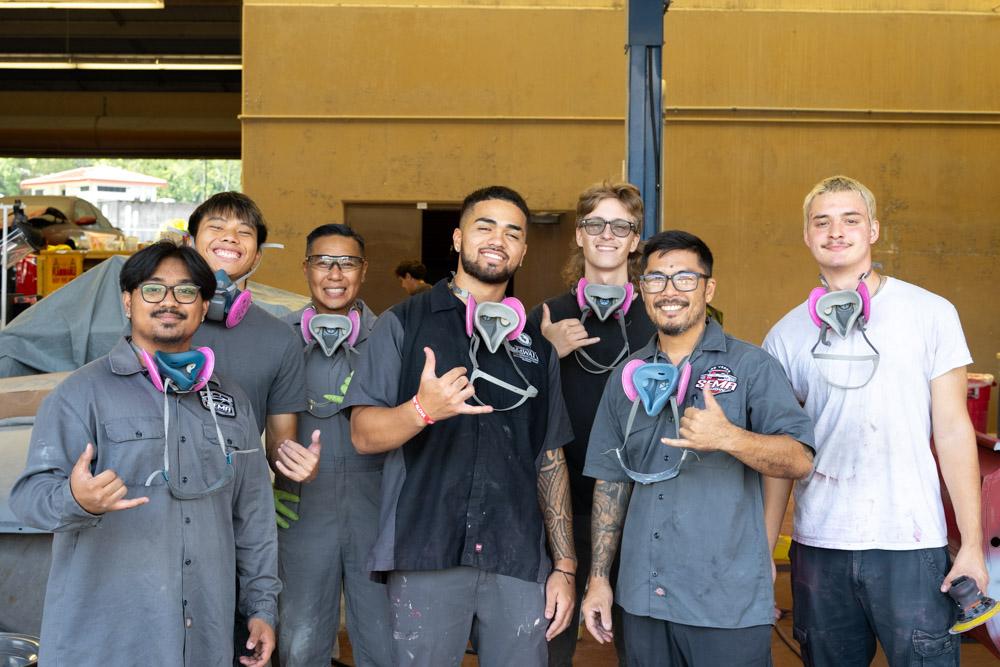
“The shop feels like family,” first-year student Aysia Lee said. “We all have fun. We work on cars … but we do work.”
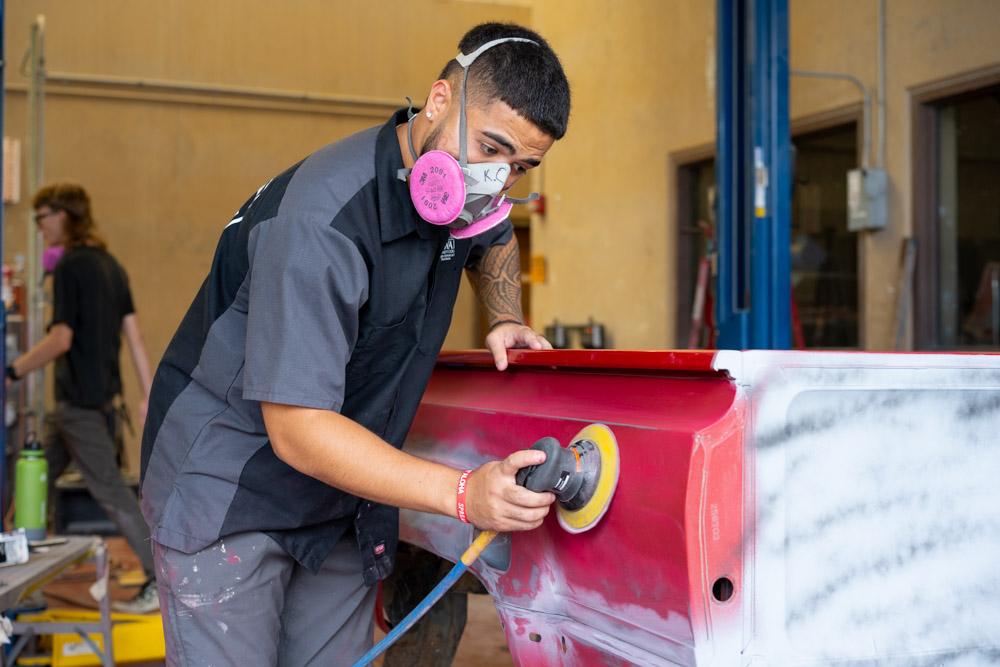
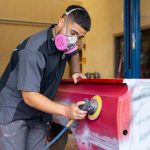
She said her favorite part is the finish-up work, painting and buffing the entire car in preparation for the customer.
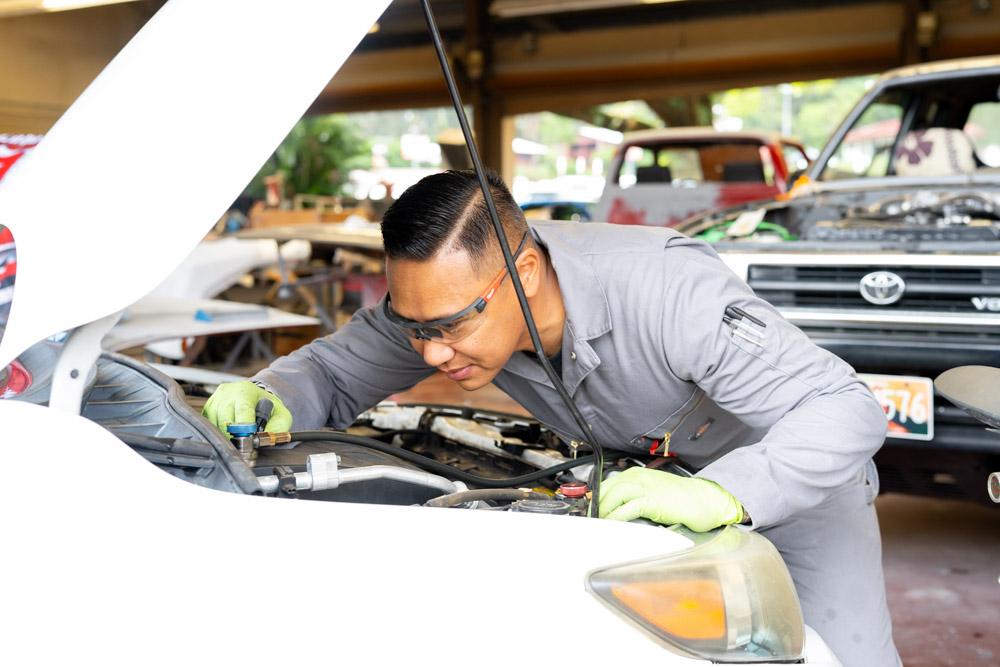
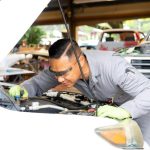
The comprehensive training covers all aspects of collision repair and refinishing, including welding, air conditioning systems, steering and suspension, brakes, interior work, glass installation and automotive detailing.
Another first-year student, Beauden Hancock, too shop classes in high school. She said the program has taught her to be on her feet and “prepared for this fast-paced industry that’s always evolving.”
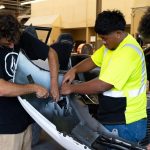
 Hawaiʻi Community College’s Auto Body Repair and Painting Program has been in existence since 1966. (Photo Courtesy: University of Hawaiʻi)
- Hawaiʻi Community College’s Auto Body Repair and Painting Program has been in existence since 1966. (Photo Courtesy: University of Hawaiʻi)
- Hawaiʻi Community College’s Auto Body Repair and Painting Program has been in existence since 1966. (Photo Courtesy: University of Hawaiʻi)
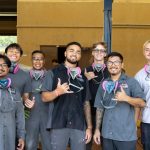
- Hawaiʻi Community College’s Auto Body Repair and Painting Program has been in existence since 1966. (Photo Courtesy: University of Hawaiʻi)
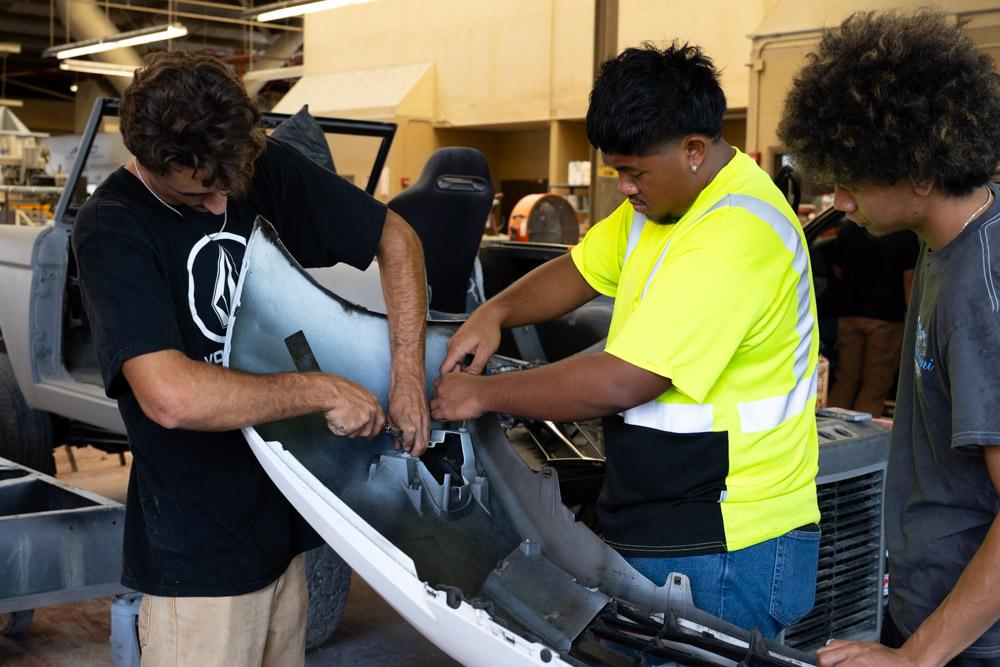
The program, now led by associate professor Garrett Fujioka, a Hawaiʻi Community College alumnus, blends the best of “old-school” precision and “new-school” technology.
Fujioka and assistant professor Colby Koreyasu bring modern industry experience directly to the students.
“We bring all the modern technology and methods we use in our own shops directly into the classroom,” Fujioka said. “But we still hold on to the old-school principles — the foundation skills and the attitude — that make a great body technician.”
He said the student learn basic skills they can use anywhere in the industry: collision repair, insurance estimating, paint supply or auto mechanics. Most students find local work due to high demand, Fujioka said.
The instructors also collaborate closely with other transportation programs across the UH Community College System.
“We might be the only auto body program, but the other campuses — Honolulu CC, Leeward, Kaua‘i, Maui — they all support us. We have camaraderie,” Fujioka said. “We’re lucky to be part of the transportation ‘ohana.”
Sponsored Content


Subscribe to our Newsletter
Comments