



Business Monday: Immigration enforcement impacting production at some small Kona coffee farms
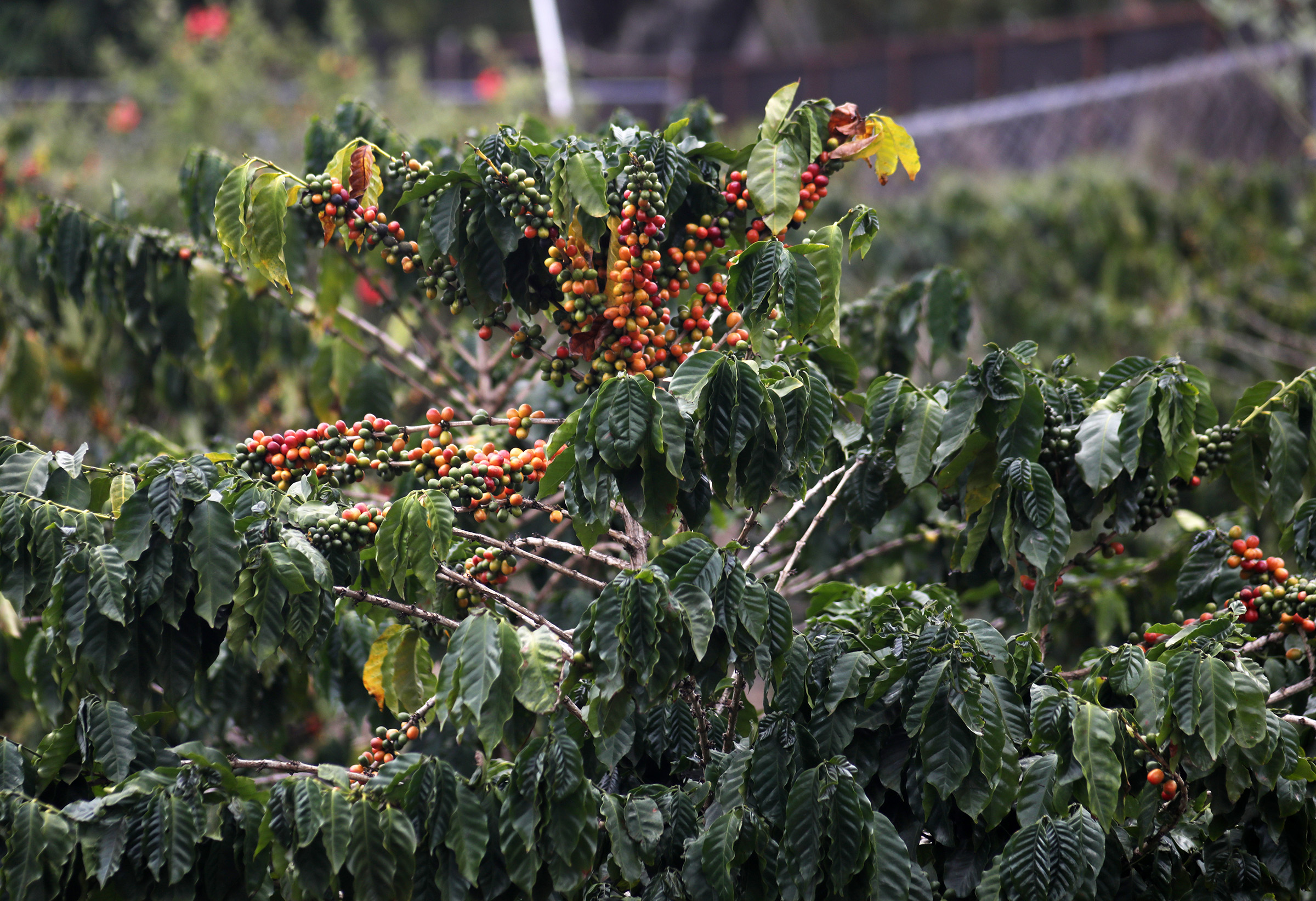
As the coffee harvesting season comes to a close, some small Kona farmers say they have experienced an impact to their farm production due to fear and concern stemming from reported arrests of immigrant workers on the Big Island.
The evidence can be seen.
“Just driving down the road, there’s a lot of overripe cherries on the trees,” said Ryson Nakamasu, operations manager of Honolulu Coffee in Hōlualoa.
Most farmers who spoke with Big Island Now say they didn’t have direct interaction with Immigration and Customs Enforcement agents who were reportedly on the island several times this year, conducting arrests. But those farmers noticed a lack of workers during the coffee picking season that runs from August to December, resulting in less crop.
To get a better idea of how widespread the impact has been to the local industry, Nakamasu, who is also president of the Hawai‘i Coffee Association, sent out a survey to the associationʻs 877 members who represent all aspects of the industry: farmers, pickers, processors and suppliers. All responses were anonymous.
The survey, which ran Oct. 23-28, collected feedback about any interactions coffee farmers and workers have had this year with Immigration and Customs Enforcement in Hawaiʻi.
Coffee was first planted in Kona sometime between 1828 and 1829. It was discovered that the trees were a perfect match to be grown in Kona’s volcanic soil and prime climate conditions.
Kona coffee was launched by Henry Greenwell, who founded Greenwell Coffee Farms, at the 1873 World’s Fair in Vienna. Coffee has become a mainstay industry for the entire island, with Kona coffee now known worldwide.
During the 2023-2024 coffee season, the utilized production value of coffee in the state was estimated at $48.2 million, an 11% decrease from the previous season, according to a report from the Hawai‘i Department of Agriculture.
Hawaiʻi’s coffee production totaled 23.3 million pounds (cherry basis) during the latest season. The average coffee cherry yield remained consistent with the previous season, at approximately 3,150 pounds per acre.
But the farm gate price for Hawaiʻi’s cherry coffee averaged a record-high price of
$2.51 per pound in 2023-24, an increase of 16 cents from the 2022-2023 season and continuing an upward trend.
The survey’s stated purpose is to “understand what is happening in the fields and communities so the association leadership can support the community and work to ensure everyone feels safe at work.”
Nakamasu said 50 people participated in the survey, with about five respondents indicating that they had direct contact with ICE.
It’s not unusual for Immigration and Customs Enforcement to come to the Big Island, because there always has been a working visa program in place for those who want to work on coffee farms, Nakamasu said. But the arrests have appeared to spook some workers.
For Nakamasu and his 224-acre farm, on which 55 acres is planted with coffee, he said he needs 15 to 18 people to adequately pick the cherries in his crop. This year, he only had 10.
“People didn’t want to come,” Nakamasu said. “My own guys don’t want to go to the store because they don’t want to be profiled.”
At this point, Nakamasu doesn’t have an estimate of how much crop he lost due to the lack of pickers.
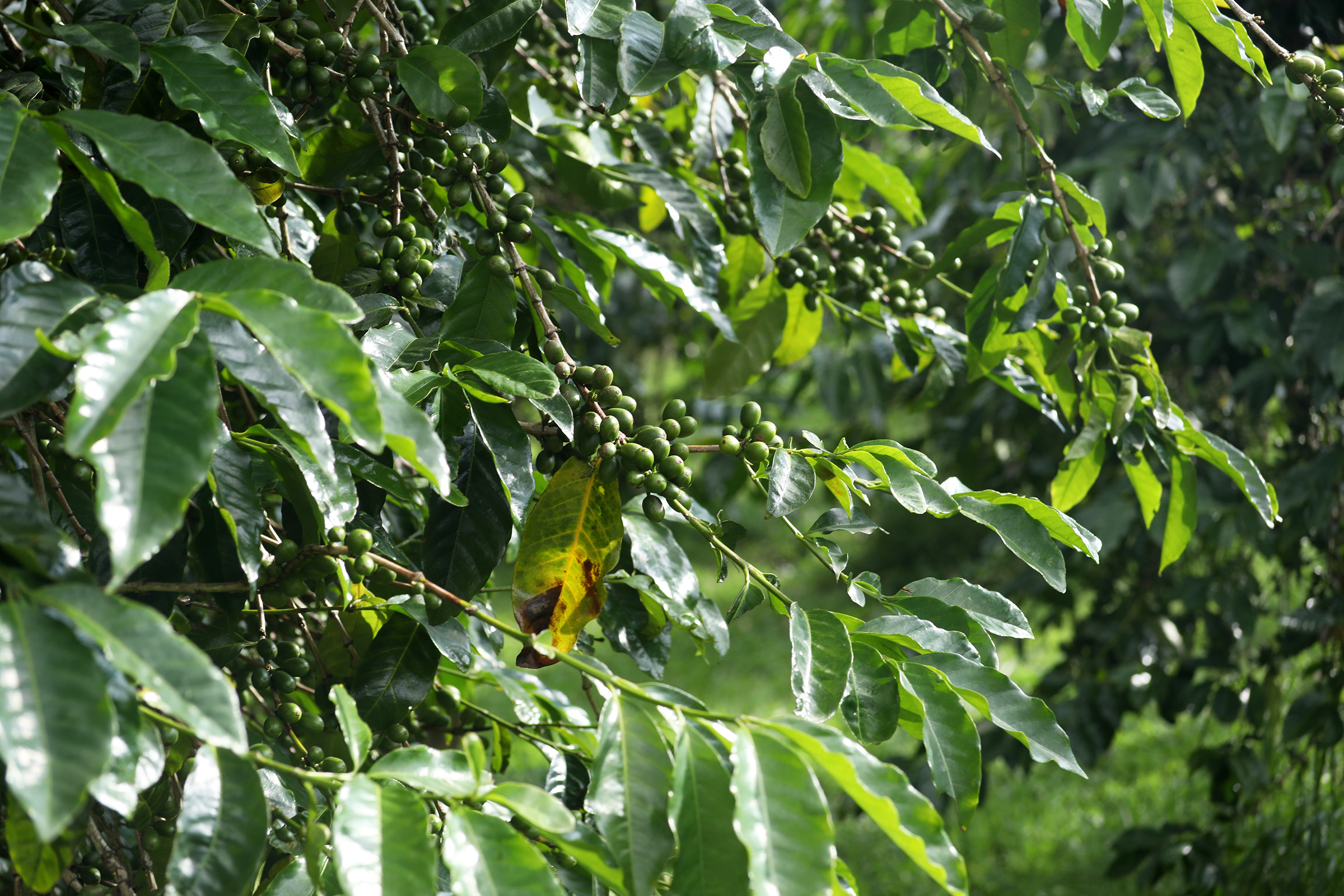
Armando Rodriguez, owner of Aloha Star Coffee Farm in Kailua-Kona, said he lost between 20% and 30% of his crop this year.
“There wasn’t enough (pickers) to go around,” Rodriguez said. “If you don’t get it in time, the cherries dry on the plant and fall.”
Rodriguez, who is a U.S. citizen originally from Mexico, has been growing coffee since 2013. He also has participated in cupping competitions where farmers present their brews to a panel of judges at the Kona Coffee Cultural Festival and have won awards.
Usually, Rodriguez said, his farm gets extra help from the mainland during picking season. However, a couple with green cards (official U.S. documents that prove they can legally work in the country) who come annually to work on the farm did not this year because they were afraid of being detained at the airport.
“We’re a small farm, so I need five or six people for the season,” Rodriguez said. “I was short about two people, and it makes a difference.”
Reports of immigration enforcement taking away people from their homes on the Big Island started circulating in March.
Last week, Rodriguez heard of farms being raided in Kona and pickers were taken away. He said he also heard of workers on Papaya farms in Hilo who were taken into custody.
“There were probably about 70 people around the Big Island who were picked up by immigration,” Rodriguez estimated.
A spokesperson for Immigration and Customs Enforcement declined to provide the number of individuals taken into custody this year on the Big Island, stating this week it was because of the federal government shutdown: “Due to the lapse in funding, we are not able to provide updated numbers at this time.”
Some Big Island farmers said they did not have a problem finding enough workers for the picking season.
But most coffee farmers did have another issue to deal with: weather.
“We had too much rain and the plants didn’t flower well,” Nakamasu said. “They need sun so they can flower.”
While all his farm help is working in the United States legally, Rodriguez, who is a member of the association, said he didn’t plan to answer the survey because he was worried he might be targeted for his responses.
Quoting from the Bible, Bill Buckingham, owner of Sacred Ground Coffee Farms, described this year’s picking season as “the harvest was plentiful and the laborers few.”
Normally, Buckingham said, there are a lot of people available to come pick the coffee; however, this year, a lot of people who said they would come pick and didn’t.
“I had all these pickers who were lined up to come pick, and ended up not coming,” Buckingham said, adding that last minute, he had some pickers come through.”
Buckingham said the coffee plants flower at five different times, which requires five rounds of picking with heavy and lighter rounds of cherries.
It takes three to four workers to pick the heavy rounds of cherries on Buckingham’s 5-acre farm during the picking season.
Buckingham said pickers will work a couple of days at his farm, then go on to another. He estimates his coffee yield will be the same as last year.
Several coffee farms reported not seeing any impacts on their workers, including Tom Greenwell, who owns and operates Greenwell Farms.
Greenwell said he hasn’t had any problems with immigration noting he always hires legally through the federal government’s H-2A program, where foreign nationals are granted visas to the United States to fill temporary, seasonal agricultural jobs.
“I have 40 pickers through the H2-A program and some domestics,” Greenwell said.
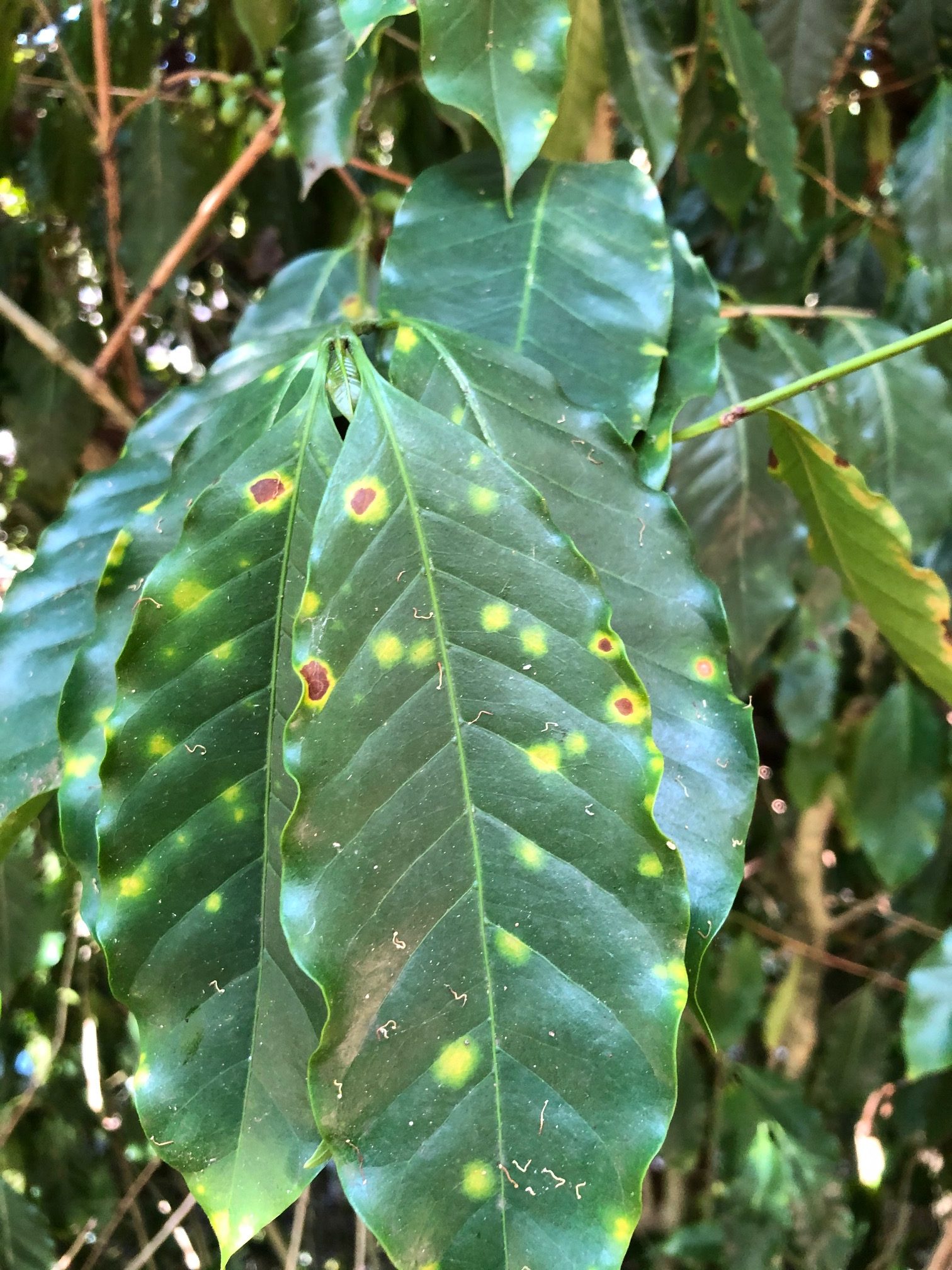
But Greenwell said: “There was a big early ripening, which caught us a little by surprise. It’s all due to what the weather was like in December last year.”
For Greenwell’s operation, he said they’re in the peak of the crop and on the backside of the harvest.
Sponsored Content


Subscribe to our Newsletter
Comments