



Harold H. Higashihara Park in Kona will be temporarily closed for sanitization of surfaces
Hawaiʻi County Department of Parks and Recreation notifies the public that it will temporarily close Harold H. Higashihara Park in Kona on Oct. 8 to sanitize contact surfaces.
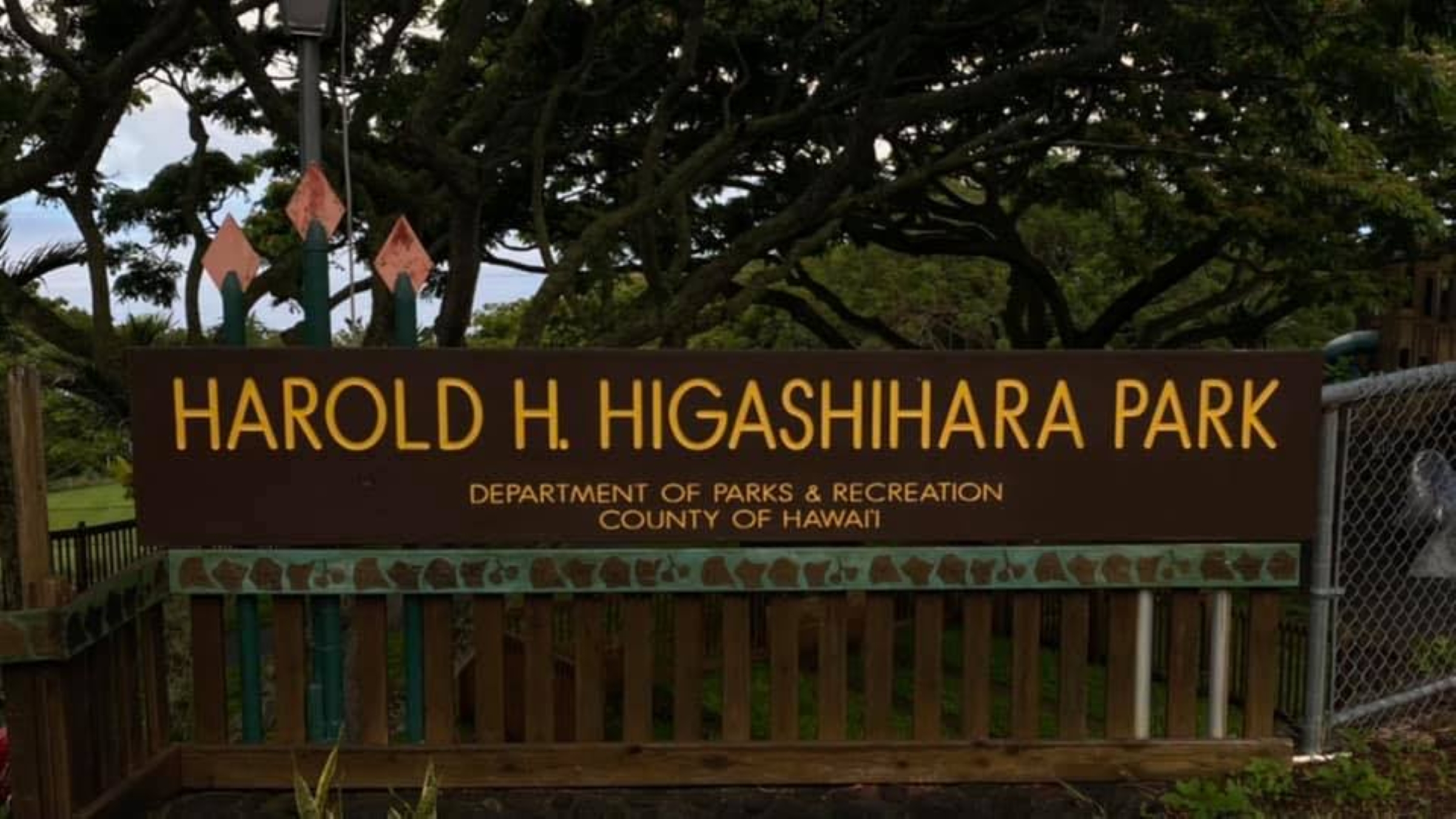
The park, located at 78-7300 Kuakini Highway, is scheduled to reopen by 2:30 p.m. Wednesday.
While the county did not say why contact surfaces needed sanitization, Higashihara Park was the location of an event between 4:30 and 6 p.m. Sept. 25 — just fewer than 2 weeks ago — attended by a person state health officials on Monday confirmed to have mumps, a contagious viral infection that primarily affects the salivary glands — causing painful swelling and inflammation.
Mumps is spread through saliva or mucus from the mouth, nose or throat of an infected person, who can spread the virus by several means including coughing, sneezing or talking as well as sharing items, such as cups or eating utensils, with others.
Hawaiʻi Health Department Disease Outbreak Control Division adds that it can also be transmitted by touching objects or surfaces with unwashed hands that are then touched by others.
The mumps virus can live on contaminated surfaces or personal items for hours or even days, depending on environmental conditions. It then can spread to others, including those who are not immune, especially if they touch the contaminated surfaces and then touch their eyes, nose or mouth.
The confirmed mumps case on the Big Island also is a community-acquired case and not travel-related, suggesting the virus might be circulating on the island. State health officials are closely monitoring suspected cases to prevent further spread.
Anyone who attended the Sept. 25 event is advised to contact Hawaiʻi Department of Health for guidance.
They should also monitor themselves for symptoms until Oct. 20 — which would be 25 days after exposure. It usually takes between 12 and 25 days before any symptoms start to appear.
The state Health Department is working with the confirmed infected person’s family, health care providers and Hawaiʻi County officials to identify and notify close contacts.
News reporter Nathan Christophel contributed to this story.
Sponsored Content


Subscribe to our Newsletter
Comments