



‘Real setback for students like me’: University of Hawaiʻi at Hilo STEM support program ends with loss of federal funding
A University of Hawaiʻi at Hilo initiative that uplifted and supported students underrepresented in the disciplines of science, technology, engineering and mathematics was “STEM-med,” forced to end its work after nearly 20 years because of a funding decision by the federal government.
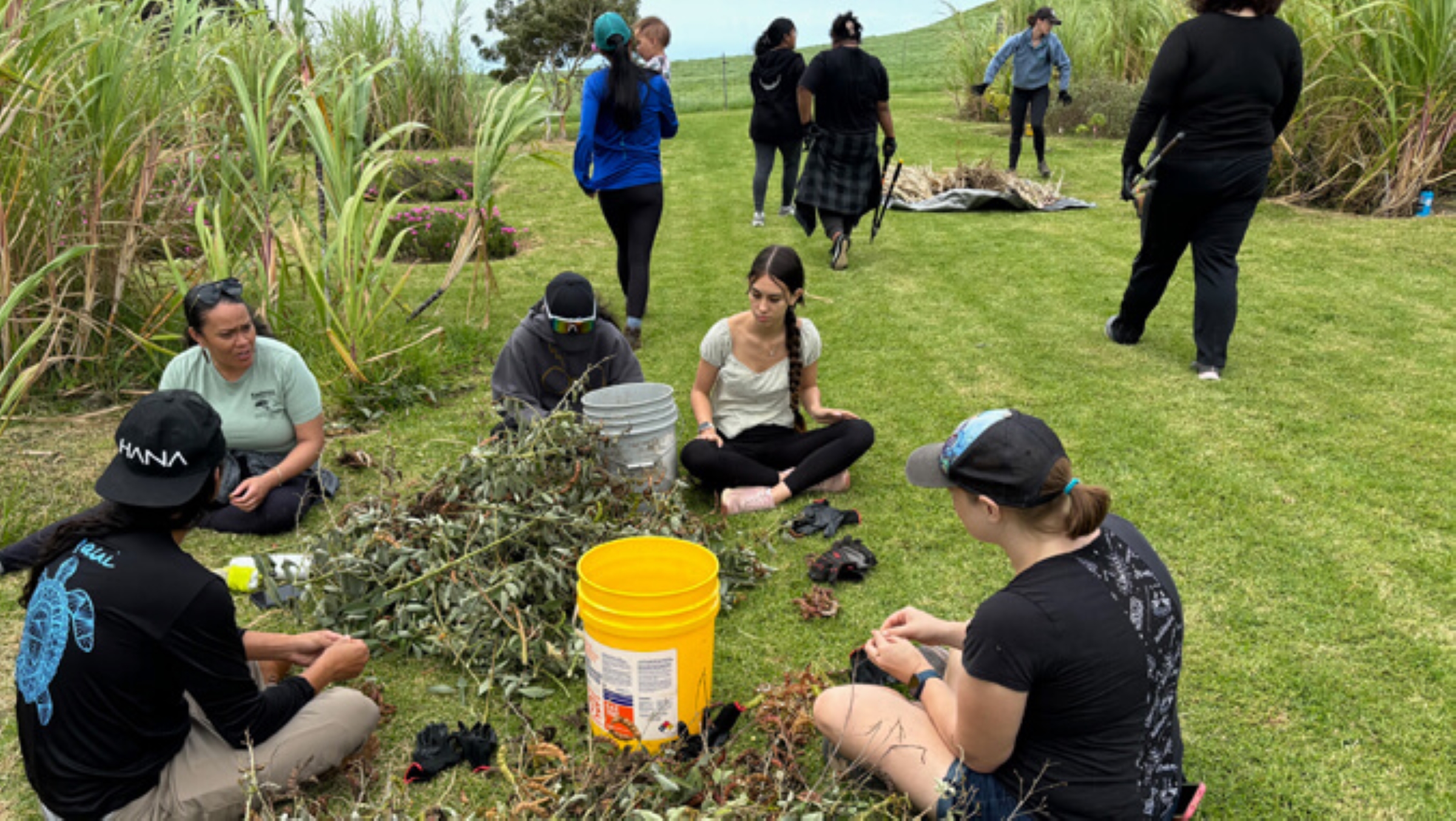
The university received official notice May 2 from the National Science Foundation that — effective immediately — Louis Stokes Alliances for Minority Participation grant funding was terminated.
Louis Stokes Alliances for Minority Participation made an investment in the nation’s institutes of higher education to create a new generation of science, technology, engineering and mathematics discoverers.
The funds represent a loss of nearly $2.3 million during the next 5 years for the university.
“Termination of certain awards is necessary because they are not in alignment with current [National Science Foundation] priorities,” the foundation offered to justify zeroing out the program’s coffers.
Louis Stokes Alliances for Minority Participation joins a growing list of federally funded programs throughout the University of Hawaiʻi system affected by evolving federal funding priorities — more than 80 impacted as of the week ending the 4th of July.
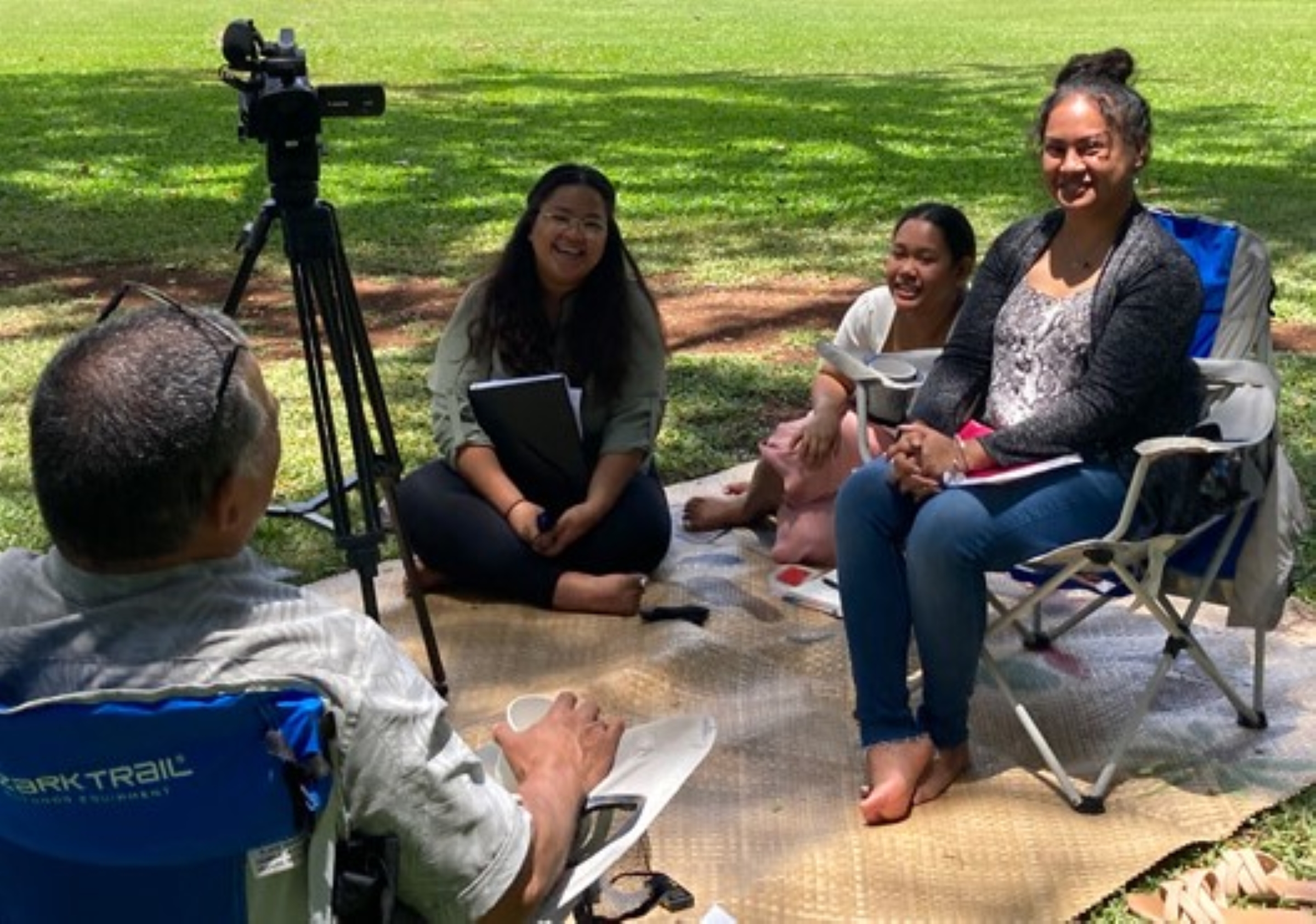
“Losing this program is a real setback for students like me,” said Shania Tamagyongfal, a Yapese student who earned her undergraduate degree in anthropology and master’s in heritage management at University of Hawaiʻi at Hilo.
Louis Stokes Alliances for Minority Participation helped connect Tamagyongfal’s cultural identity to her scientific research.
“It gave me the confidence to lead, collaborate and pursue work that matters to my community,” she said.
University of Hawaiʻi at Hilo Chancellor Bonnie Irwin said Louis Stokes Alliances for Minority Participation embodied the Hilo university’s commitment to creating pathways for historically underserved students in higher education.
“It not only supported academic success but also helped our students see themselves as scientists, researchers and leaders,” Irwin said. “Its legacy will remain part of how we move forward.”
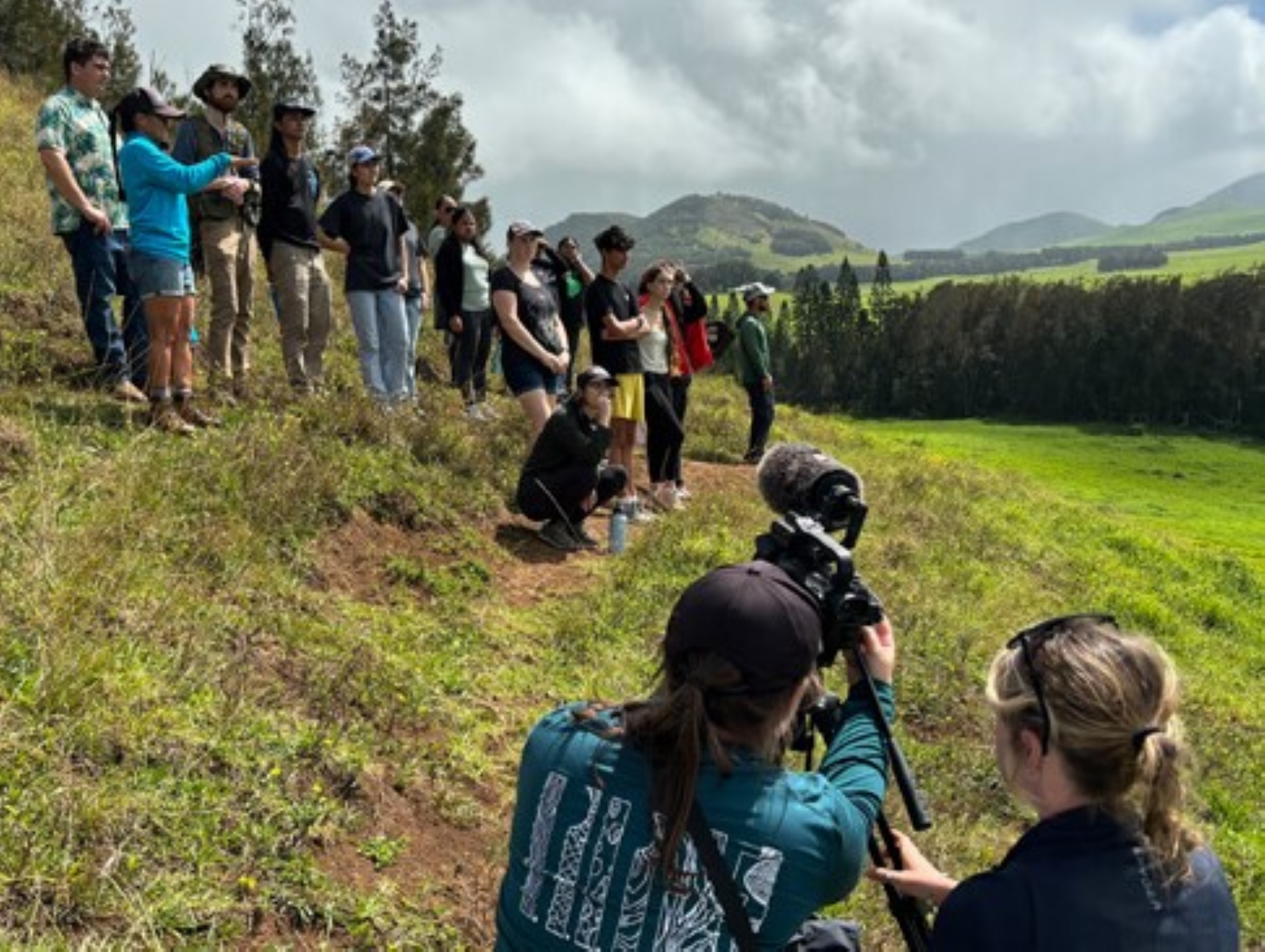
University of Hawaiʻi at Hilo since 2006 also has led the Islands of Opportunity Alliance — using Louis Stokes Alliances for Minority Participation funds — to provide mentorship, research stipends and academic pathways for Native Hawaiian, Pacific Islander and first-generation college students.
It empowered nearly 400 University of Hawaiʻi at Hilo students — and more than 1,300 throughout the Pacific region — with transformative experiences, propelling many into graduate programs and leadership positions in Hawaiʻi‘s science, technology, engineering and mathematics workforce.
Louis Stokes Alliances for Minority Participation funds — until terminated — changed lives of students at University of Hawaiʻi of Mānoa, University of Hawaiʻi-West Oʻahu, Chaminade University, Hawaiʻi Pacific University, University of Guam and numerous community colleges throughout the Pacific.
University of Hawaiʻi at Hilo initiative Keaholoa STEM Scholars — blending Native Hawaiian values with scientific education, offering students a culturally grounded space to explore science, technology, engineering and mathematics — was also impacted by the federal funding slash.
“Programs like Keaholoa and [Louis Stokes Alliances for Minority Participation] help our students see that science can reflect their culture, language and values,” said Keaholoa STEM Scholars Program Manager Keala Campbell. “That connection empowers them — not just to succeed academically, but to lead in ways that honor who they are.”
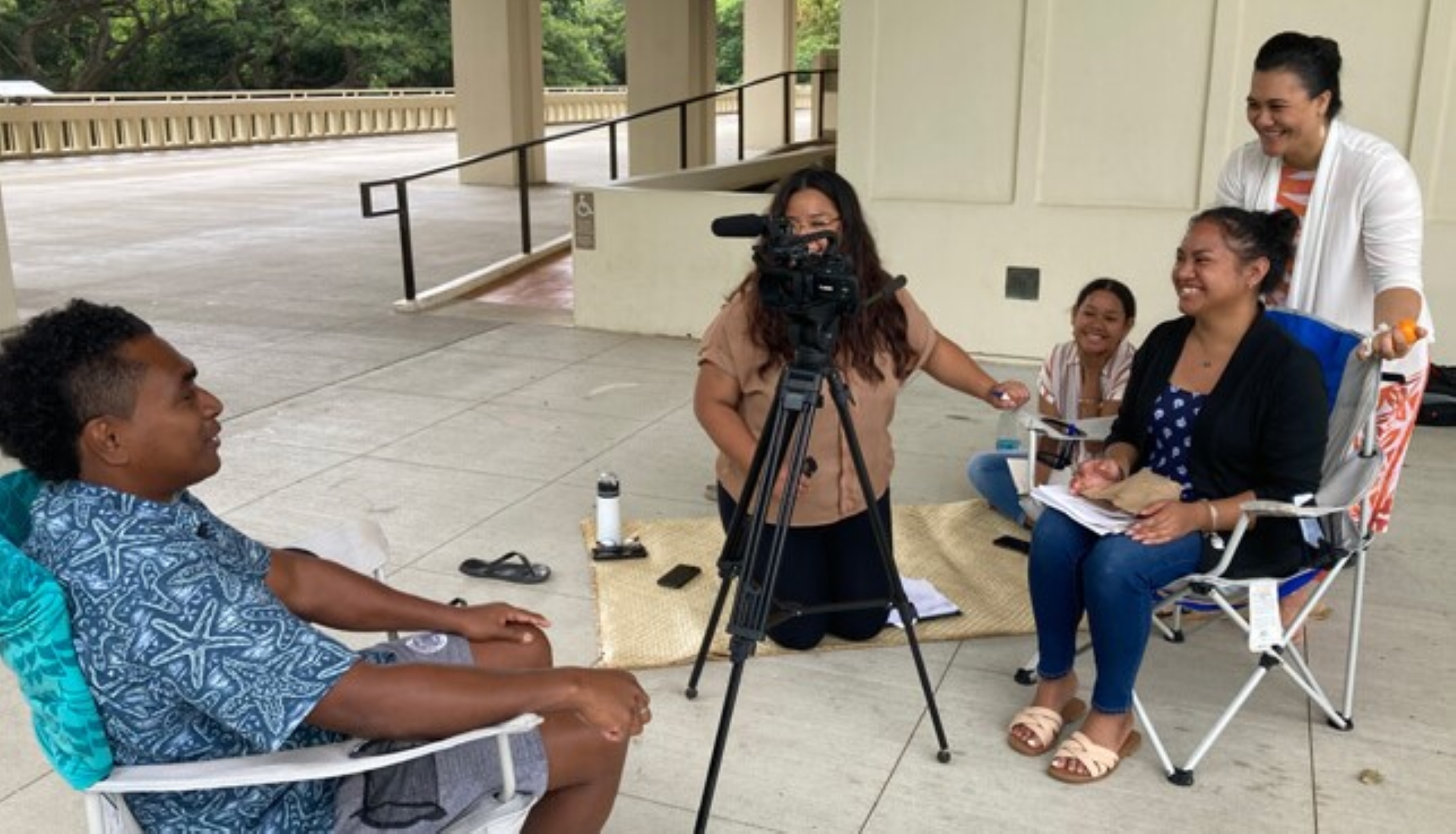
University leadership plans to build on the solid foundation provided by Louis Stokes Alliances for Minority Participation and Keaholoa STEM Scholars — finding new ways to lift up students; advance equity in science, technology, engineering and mathematics; and honor the enduring impacts of both programs.
“The community we’ve built around these programs is strong,” said Louis Stokes Alliances for Minority Participation Program Director Joseph Genz, “and we’re doing everything we can to keep that momentum going.”
Story adapted from a July 3, 2025, University of Hawaiʻi News; photos courtesy of University of Hawaiʻi News.
Sponsored Content


Subscribe to our Newsletter
Comments