


Lack of refrigeration trucks, transportation, cost among barriers to fresh food on Big island, report finds
What are the barriers to food access for many people on the Big Island?
A week ago, during the Hawai‘i Agriculture Conference in Waikōloa, Hawai‘i County officials presented its 2026 Community Food Security Report that delved into the challenges.
The county discovered one of the biggest barriers to fresh food was the severe lack of refrigerated trucks. But the list is long for barriers to all food, including limited transportation, long distances to grocery stores, distribution and the skyrocketing costs.
The 169-page report, compiled by the county’s Department of Research and Development in partnership with The Food Basket, surveyed 900 residents between 2023 and 2025. Fifty-five organizations also participated in five in-person regional summits and regional meetings with service providers. The county also held nine focus groups led by the community.
Through all of this, the county learned there are only two refrigerated trucks on the island. Nonprofit food providers say 33 are needed.
And six out of the nine districts in Hawai‘i County reported their top priority was a refrigerated vehicle to keep perishable foods fresh for longer.
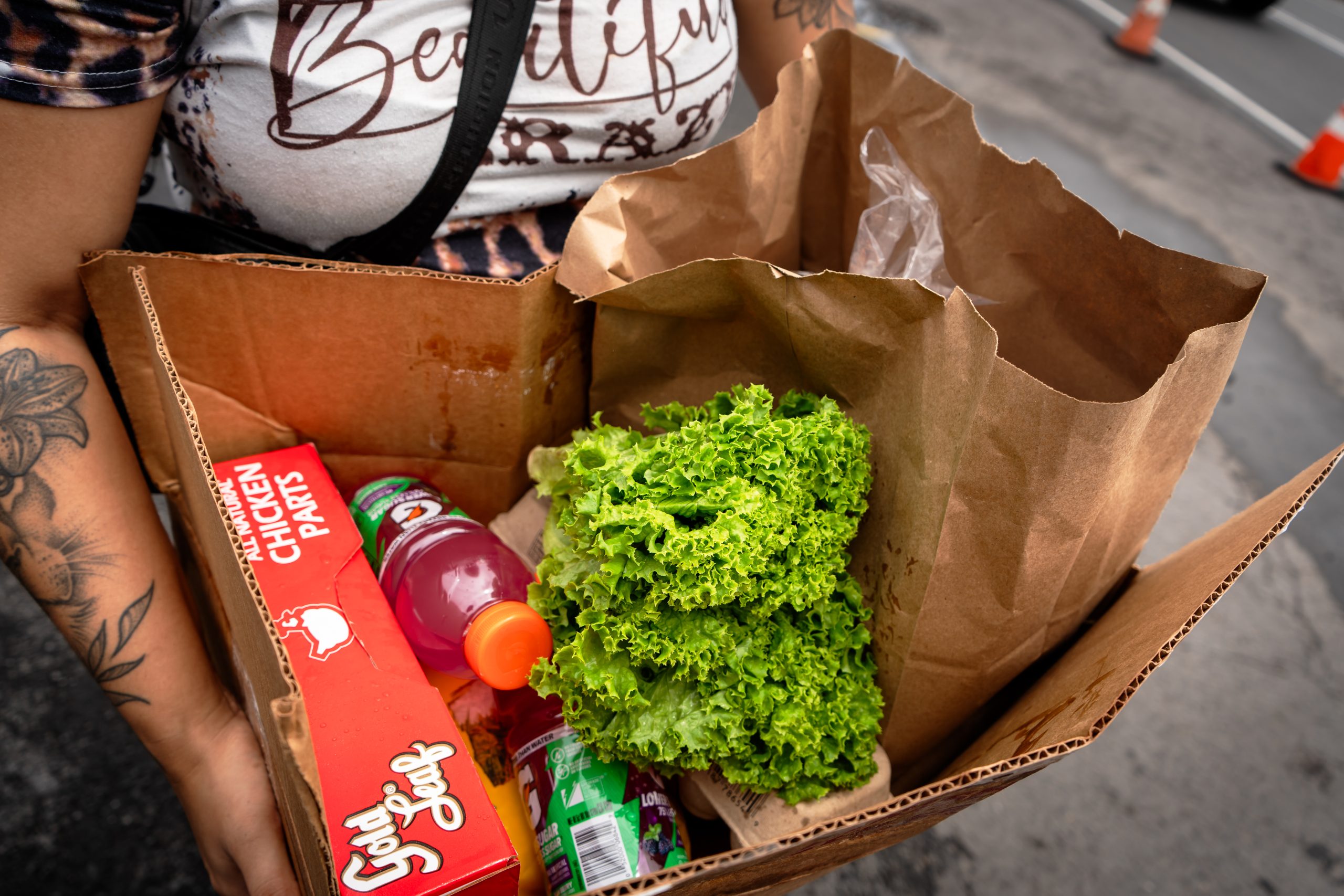
Organizations that participated in the summit said “this is why fresh food does not reach crowds of people, and it doesn’t often connect where the food is grown to getting it to people,” according to Sarah Freeman, Hawaiʻi County’s food service coordinator.
“Also, if there are programs where there are fresh foods, if there is no way to transport it, if there is no way to hold it, it is a big challenge of getting it to our communities.”
Freeman explained the infrastructure asset needs of the organizations by district that participated in the summit:
- Freezer storage in Puna and North Kohala
- Cold storage in Puna
- Agricultural processing in Puna, North Kona, South Kona and Ka‘ū
- Commercial kitchens in North Kona, Puna and Ka‘ū
“If you take one number out of this room, take the two refrigerated vehicles for the whole island,” Freeman said.
Kristin Albrecht, the Food Basket’s executive director, agreed with Freeman’s assessment that refrigeration is essential for people to have access to fresh fruits and vegetables, dairy products, proteins and other perishable foods.
“Without adequate refrigerated transportation, we limit how far these foods can travel, how safely they can be distributed, and ultimately who can receive them,” she said. “This is particularly important on Hawaiʻi Island, where the distances between farms, food hubs, distribution centers and rural communities can be considerable.”
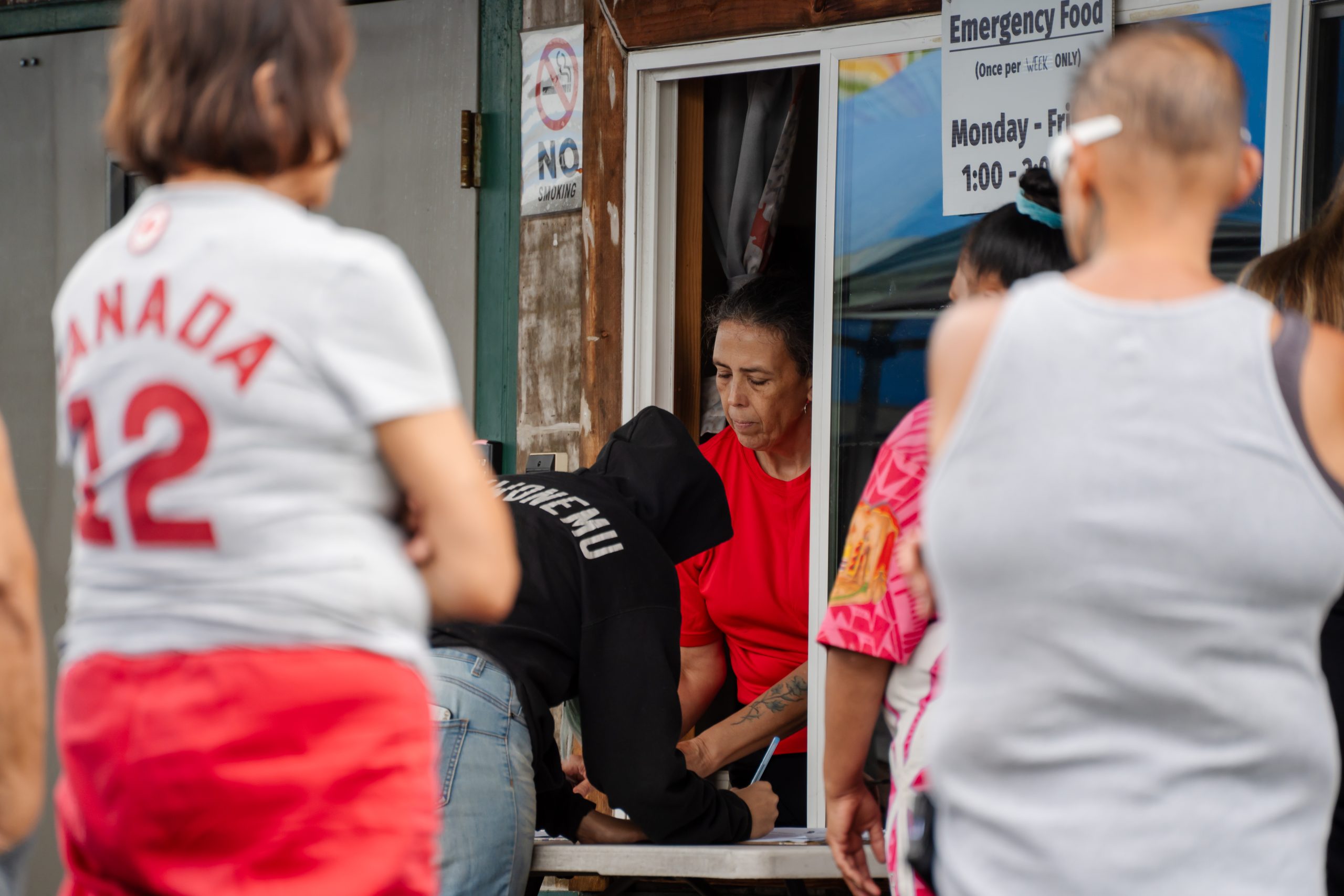
Albrecht said there also was a consideration that wasn’t addressed in the report regarding the maintenance and repair of the refrigerated vehicles.
“We already face a shortage of qualified refrigeration repair technicians on Hawaiʻi Island,” she said. “If we significantly expand our refrigerated transportation capacity without also developing the workforce to maintain it, we risk creating another bottleneck.”
One more need that was identified, Freeman said, was district coordination, which now does not exist.
“Currently, there is not someone with a job who is to connect the grower in Hāmākua with the pantry in Honoka‘a, and everyone in this room is doing it on the side of their desk,” Freeman said.
Albrecht said people with not enough nutritious food to eat often are invisible.
“The person struggling may be a coworker, a neighbor, a kūpuna living alone, or a family that has never needed assistance before,” Albrecht said. “Sometimes helping is as simple as sharing food from your garden, offering a ride to a grocery store or food distribution, checking on a neighbor, or helping someone connect with available resources.”
Transportation also is a barrier for some of communities.
In the Ka‘ū District, which was recently devastated by Hurricane Lala and caused the closure of many businesses, half of the people have to drive more than an hour each way when they shop for food.
The Nā‘ālehu Resilience Hub has been running a soup kitchen out of the Hongwanji Mission for the past six years as a result of the COVID-19 pandemic. The hub’s team lead, Marcia Masters, said Nā‘ālehu doesn’t have a grocery store.
She estimates they serve about 140 to 150 meals three times per week.
“People take the bus from Ocean View (20 minutes north) to come to Nā‘ālehu to get lunch,” Masters said.
While there are 15 organizations that help get people to places to buy food islandwide, services aren’t available in Hāmākua or North Hilo Districts.
“Hawaiʻi Island is vast, and many of our communities are geographically isolated,” Albrecht said. “Having food available somewhere on the island doesn’t mean a family can get to it. For someone without reliable transportation, even a free food distribution can be out of reach.”
Albrecht encourages Big Island residents to think about food security as something built as a community.
“Growing food, sharing knowledge, supporting local agriculture, and strengthening the relationships within our communities are all part of the solution,” she said.
Masters is in the process of forming a nonprofit called Mālama nā Ka‘ū, which means “Taking care of Ka‘ū.” She said the goal of the nonprofit is to start container garden classes to help people become more resilient.
“Our mission statement is a hand up, not a handout,” Masters said. “So, we’re just trying to help people learn to take better care of themselves.”
Masters said they are currently building a commercial kitchen in the Hongwanji mission.
People can also support food stability through financial contributions, food donations or volunteering at the Food Basket, where every day staff see community members coming into the food bank struggling to put nutritious food on their tables.
“People are working, often at multiple jobs,” Albrecht said. “Kūpuna on fixed incomes are trying to stretch their resources; parents are skipping meals so their children can eat; and families are choosing less expensive, highly processed foods because fresh, healthy foods are simply beyond their budgets.”
The need is evident in the sheer number of people turning to the food bank for help.
Historically, the Food Basket has served an average of about 60,000 people throughout the island.
“But anecdotally, we know we have surpassed that number as our communities have faced one disaster after another this year,” Albrecht said. “On just one day following Hurricane Lala, we served more than 5,000 people through our Hilo warehouse and another 2,000 plus through our Kona warehouse.”
What Albrecht is seeing on the ground is confirmed with hard data from the report. The county learned that access and quality of food have gotten more challenging over time.
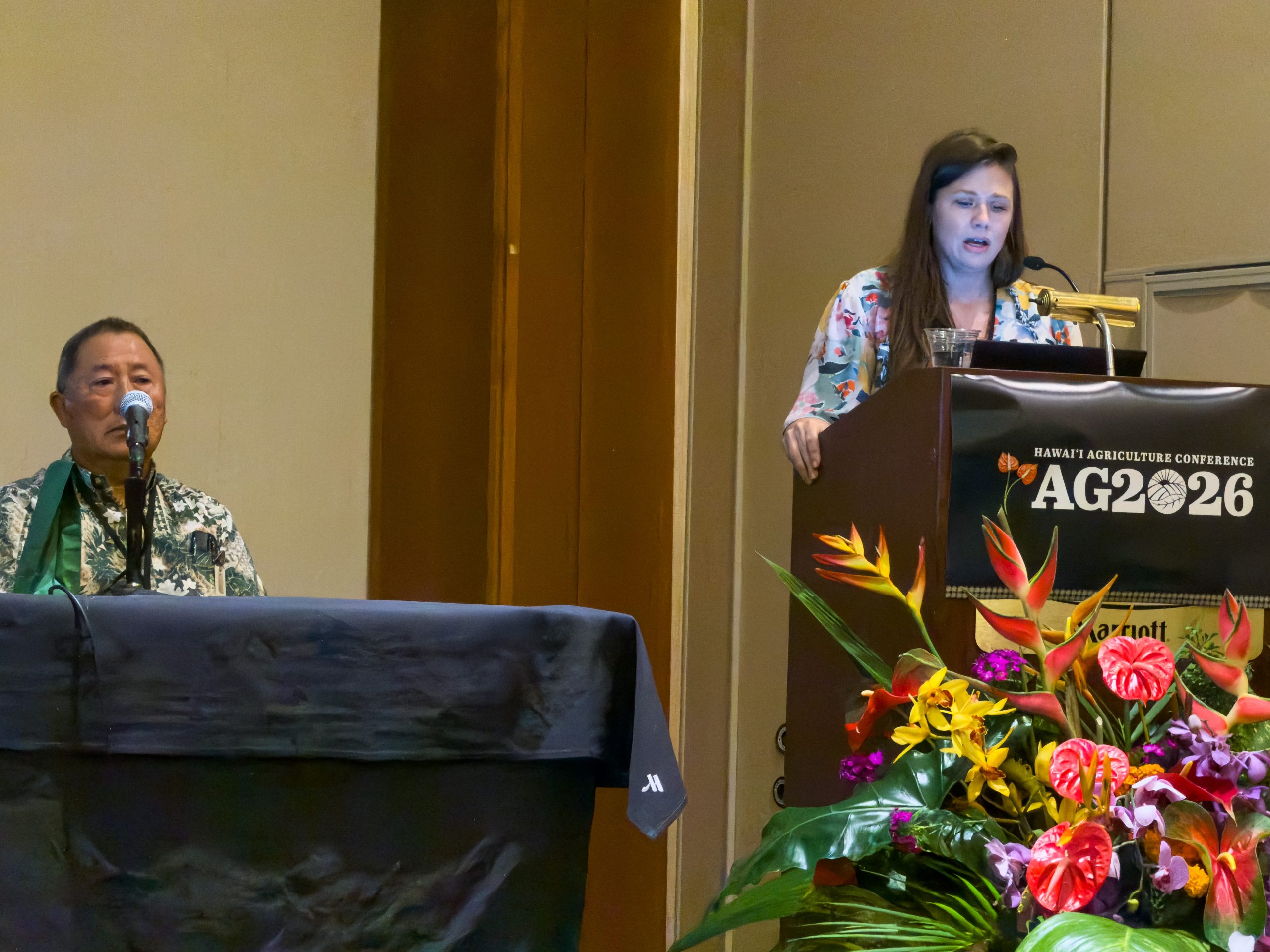
“We really wanted to look at the lasting impact of COVID-19 on our communities” and what the regional service providers’ are facing in order to determine how best to move forward, Freeman said.
The global pandemic triggered a predictable shock to a highly consolidated, industrialized and speculative food system, according to the report.
“One of the most significant and lasting impacts was a dramatic rise in food prices,” the report states. “This price inflation, coupled with supply chain disruptions and economic instability, fundamentally reshaped food access for millions of households.”
In the survey, 41.3% of the respondents said food access has gotten worse since the pandemic, while 42.6% said it has stayed the same. There was no recovery.
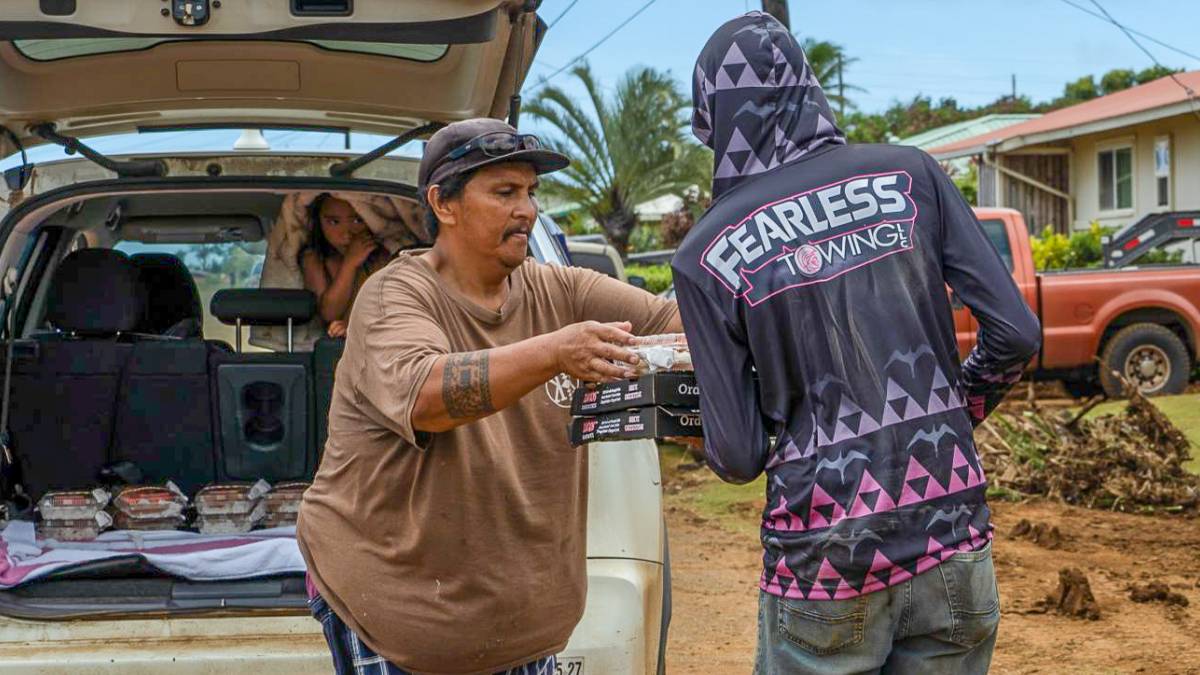
Community members who participated in the surveys and focus groups said food security is more than just having enough food.
“It is that the food is fresh, familiar, and acquired through dignity, and they have the ability to grow it, share it, and make it,” Freeman said.
When asked what food security looks like, Freeman said community participants described growing more food of their own, trading and sharing with neighbors, restoring eel and fish ponds, and teaching keiki to fish, cook and preserve.
“Food security is something they create together, not simply something that they receive,” Freeman said.
While people are getting by with what is being provided at the food bank, Albrecht said, those in need can’t afford the foods to keep them healthy, including fresh produce, locally caught fish and culturally important foods like kalo (taro), poi and ʻulu (breadfruit).
The survey also found that people are less prepared with emergency food than they were two years ago, with 30.5% of respondents saying they had no emergency food supply at all in 2025, nearly double the percentage reported in 2023.
“The places that are hardest to reach in a disaster are the same places with the least amount of food in a house,” Freeman said.
“On an island as vulnerable to natural disasters and supply chain disruptions as ours, that is deeply concerning,” Albrecht added.