

After 40 years of ocean exploration, Pisces V will embark on its final mission at Bishop Museum
The deep-sea, three-person submersible revolutionized oceanography and made more dives of Hawaiʻi’s active underwater volcano than any other vessel.
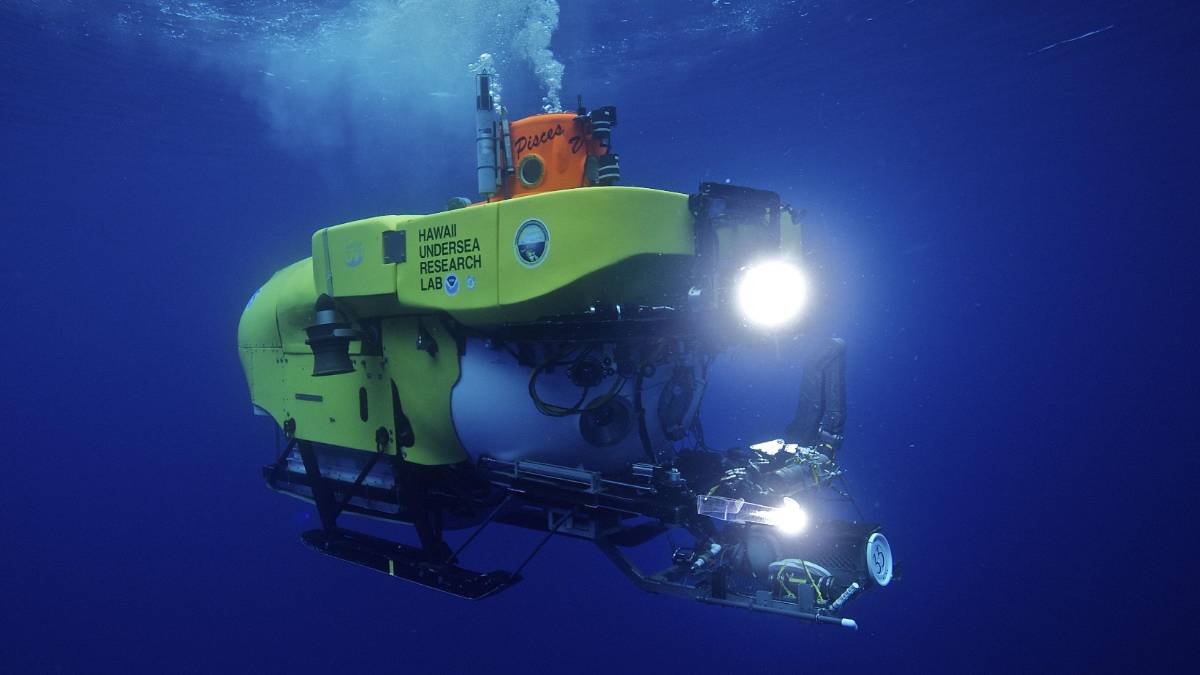
After nearly four decades of exploring the Pacific Ocean, the deep-sea submersible Pisces V is embarking on its final resting place at the Bishop Museum in Honolulu.
The University of Hawaiʻi at Mānoa announced it has donated the three-person research vessel to the museum, preserving its legacy of deep-ocean exploration, volcanic research and historic maritime discoveries. It is accompanied by a 35-year video and biological data archive.
“The donation ensures the submersible’s storied past will be celebrated and shared with museum visitors from Hawai‘i and around the world,” said Chip Fletcher, dean of the UH Mānoa School of Ocean and Earth Science and Technology, which is home of the Hawaiʻi Undersea Research Laboratory.
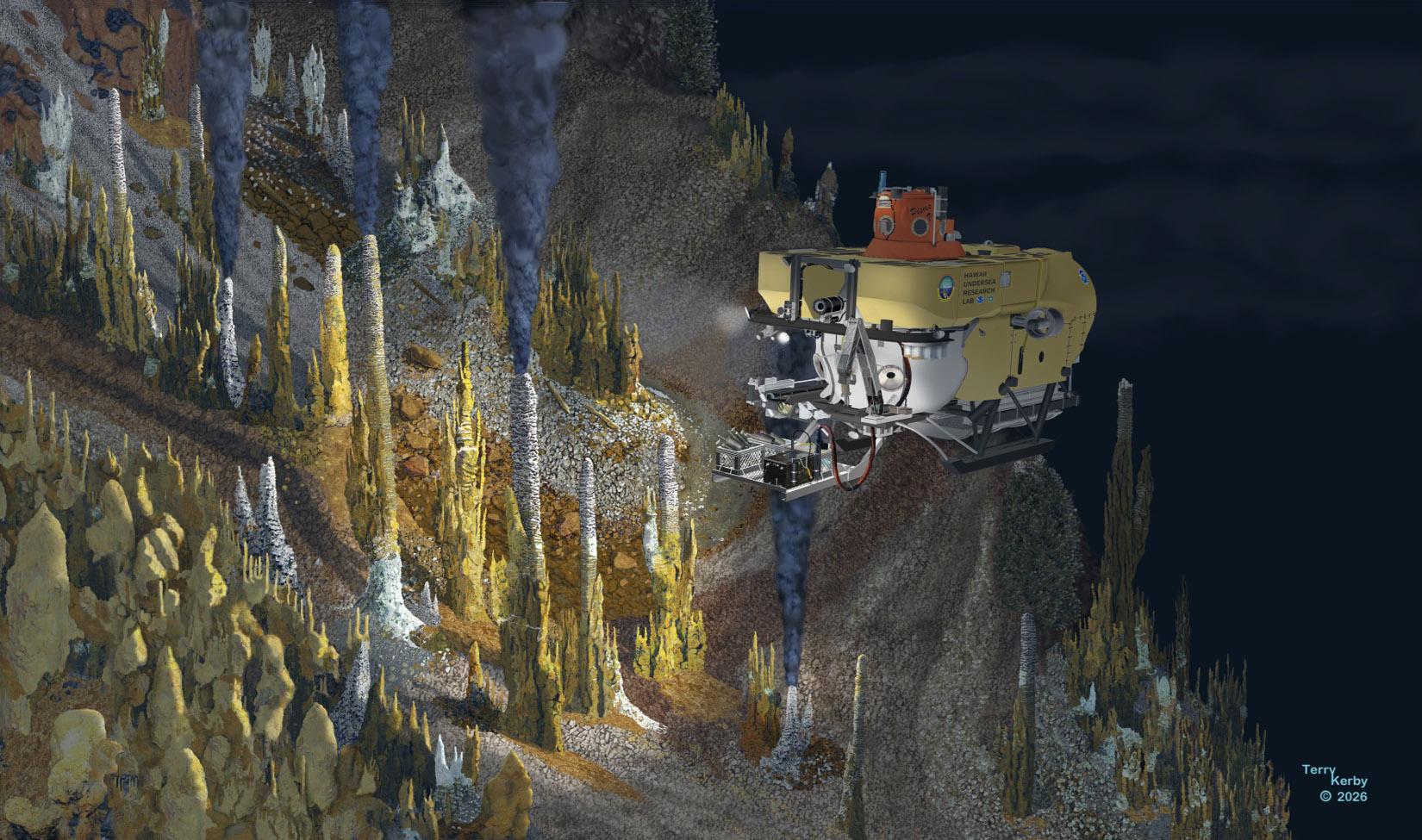
The laboratory operated Pisces V and its sister submersible, Pisces IV, for decades. After years in storage and no federal funding for refurbishment or redeployment, UH gifted the research vessel to the museum.
UH acquired Pisces V in 1985. Throughout the Pacific basin, it ferried researchers to places no human had seen before. With its unique size, maneuverability and ability to operate at depths up to 6,500 feet, it navigated complex terrain and explored delicate ecosystems.
“Operating as the only U.S. deep submergence facility based in the Pacific Rim, HURL’s work with Pisces V revolutionized oceanography across several fronts,” said Terry Kerby, veteran Pisces V pilot and laboratory operations director.
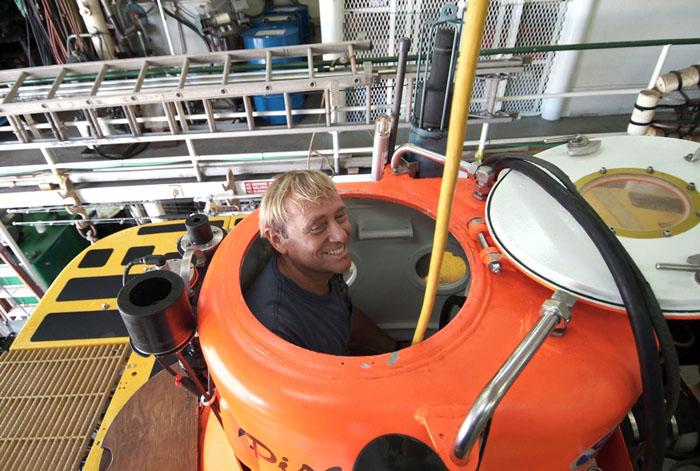
The submersible enabled exploration of the seamounts and coral reefs of the Main and Northwestern Hawaiian Islands. It made more dives on Hawaiʻi’s active underwater volcano, Kamaʻehuakanaloa (previously known as Lōʻihi Seamount), than any other vessel.
Throughout the Pacific basin, the submersible ferried teams of researchers on voyages of discovery to places no human had seen before. In 2005, Pisces V embarked on a five-month expedition across the Pacific, exploring active submarine volcanoes along the Kermadec Arc near New Zealand.
“We discovered multiple new species and by combining submersible operations with human divers, we explored deep-sea coral ecosystems in a new way,” Kerby said.
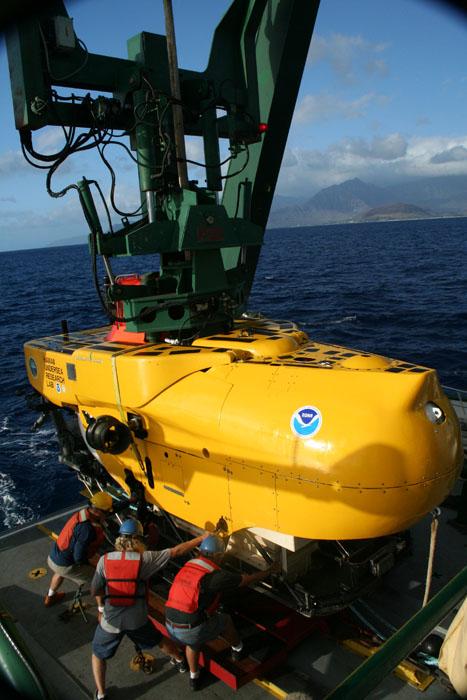
Pisces V, with Kerby at the helm, discovered the Japanese midget submarine sunk by the USS Ward hours before the attack on Pearl Harbor and massive World War II Japanese aircraft-carrying submarines off Oʻahu.
“We want to make sure the important legacy of these submarines is maintained and communicated to our visitors,” said Kris Helgen, president and CEO of Bishop Museum. “The role of Bishop Museum involves telling the stories that matter to Hawai‘i and the Pacific, including stories of ocean exploration.”