


Canada-France-Hawaiʻi Telescope discovers more than 2,100 previously unknown galaxies
The discovery is the result of a decades-long survey that is now providing new insights into how galaxies form and evolve.
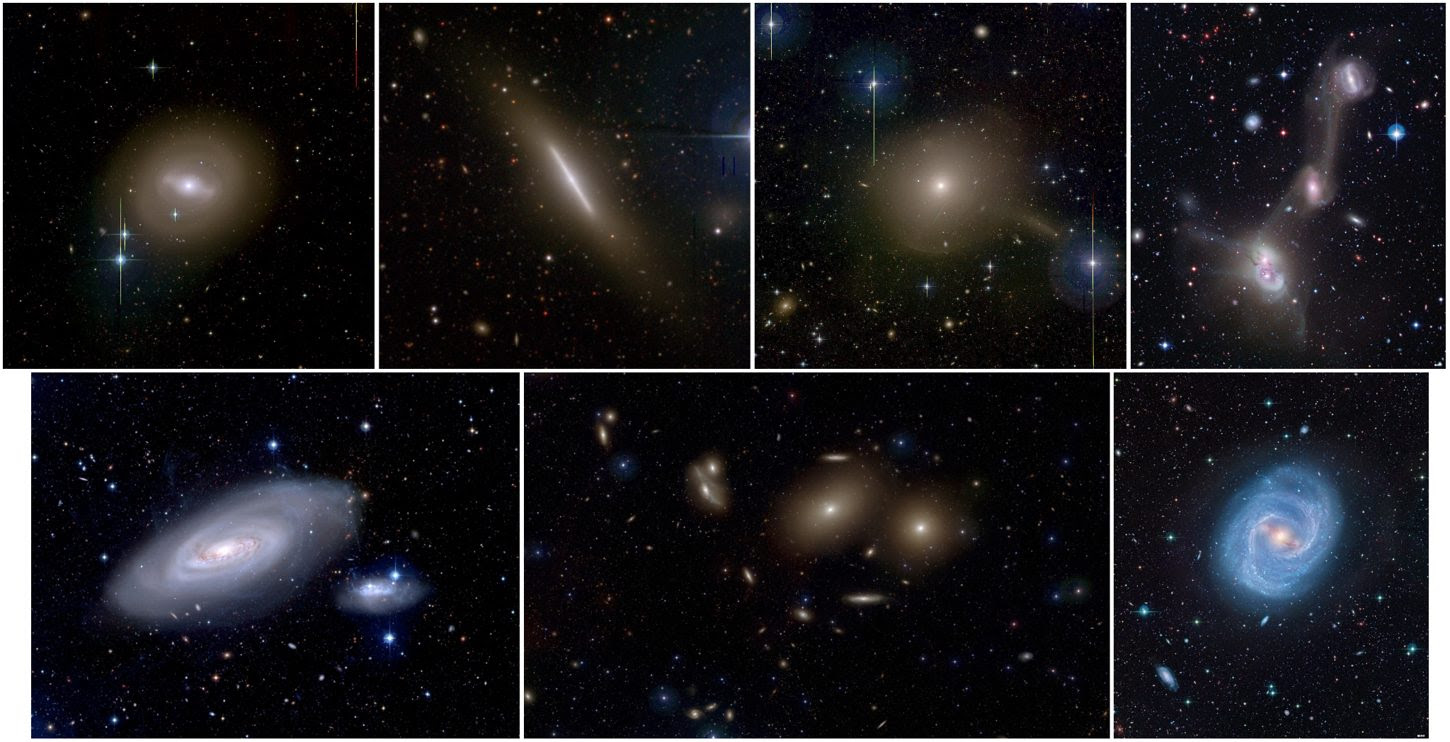
Astronomers using the Canada-France-Hawaiʻi Telescope have identified more than 2,100 previously unknown galaxies in the Virgo Cluster, more than doubling its known galaxy population.
Spanning more than a decade of observations, the discovery marks the completion of the most comprehensive survey ever conducted of the Virgo Cluster and provides new insights into how galaxies form and evolve.
The Next Generation Virgo Cluster Survey is an ambitious international collaboration that used the Canada-France-Hawaiʻi Telescope’s MegaCam instrument to map the Virgo Cluster with unprecedented depth and detail.
The final catalog identifies 3,680 confirmed member galaxies, increasing the known galaxy population of the Virgo Cluster by a factor of 2.3 and providing astronomers with an extraordinary new resource for exploring how galaxies form, evolve, and interact over billions of years.
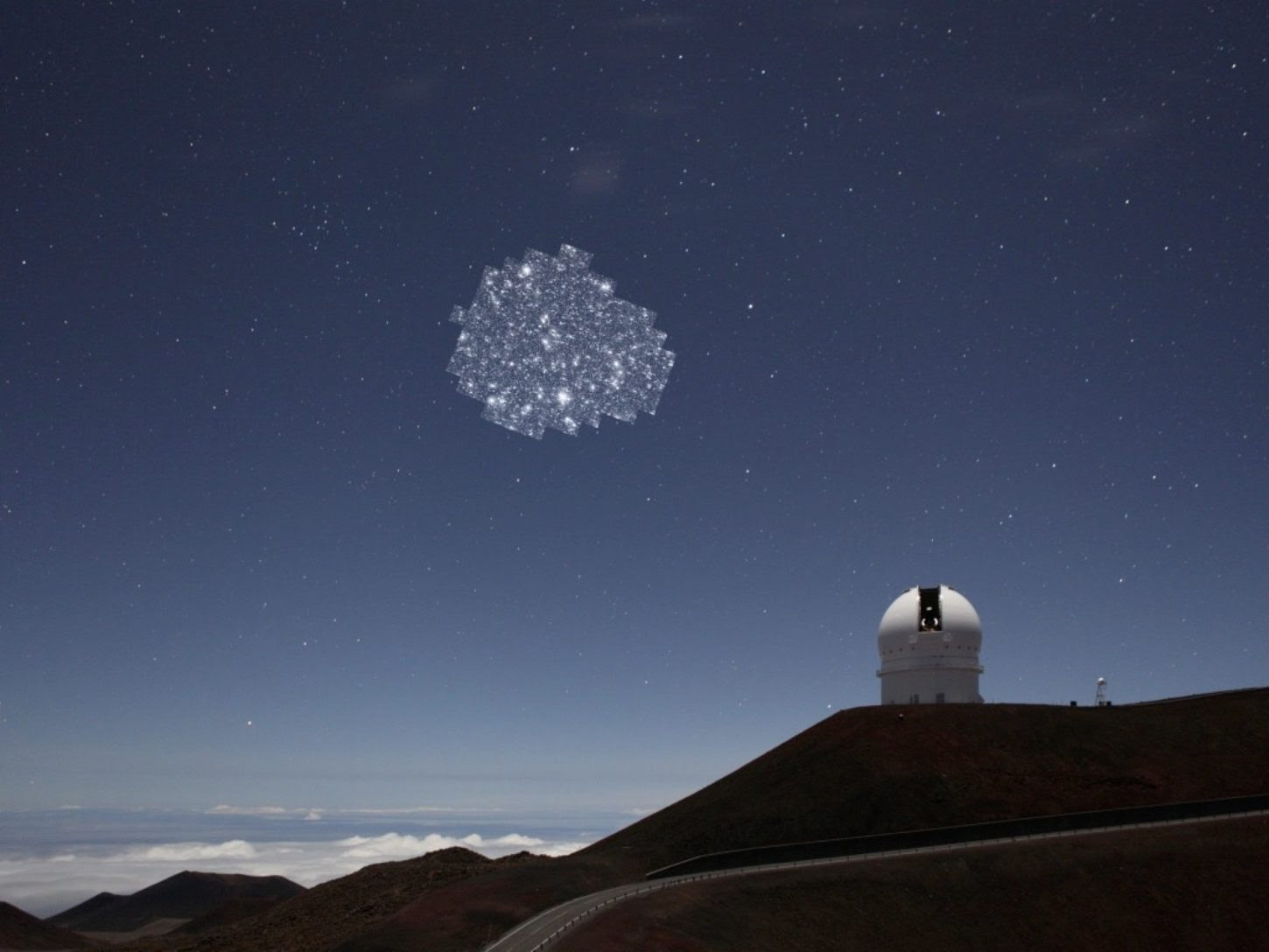
Located about 50 million light-years from Earth, the Virgo Cluster is the nearest large galaxy cluster to the Milky Way. Because of its relative proximity, it provides astronomers with a unique opportunity to study thousands of galaxies in remarkable detail, making it one of the universe’s most important laboratories for understanding how galaxies form, evolve, and interact.
“We navigated Moananuiākea (the Pacific) using the stars, so navigating Laniākea (our galactic supercluster) feels like a natural extension of that tradition and of wayfinding knowledge,” said Alexis Acohido, a remote observer for the Canada-France-Hawaiʻi Telescope.
For more than four decades, astronomers relied on the Virgo Cluster Catalog, compiled in the 1980s using photographic plates. While groundbreaking for its time, advances in digital imaging, computing, and astronomical instrumentation made it possible to revisit the cluster with much greater sensitivity than before.
The Next Generation Virgo Cluster Survey was designed to take advantage of those advances, providing the deepest and most comprehensive view of the Virgo Cluster ever obtained.
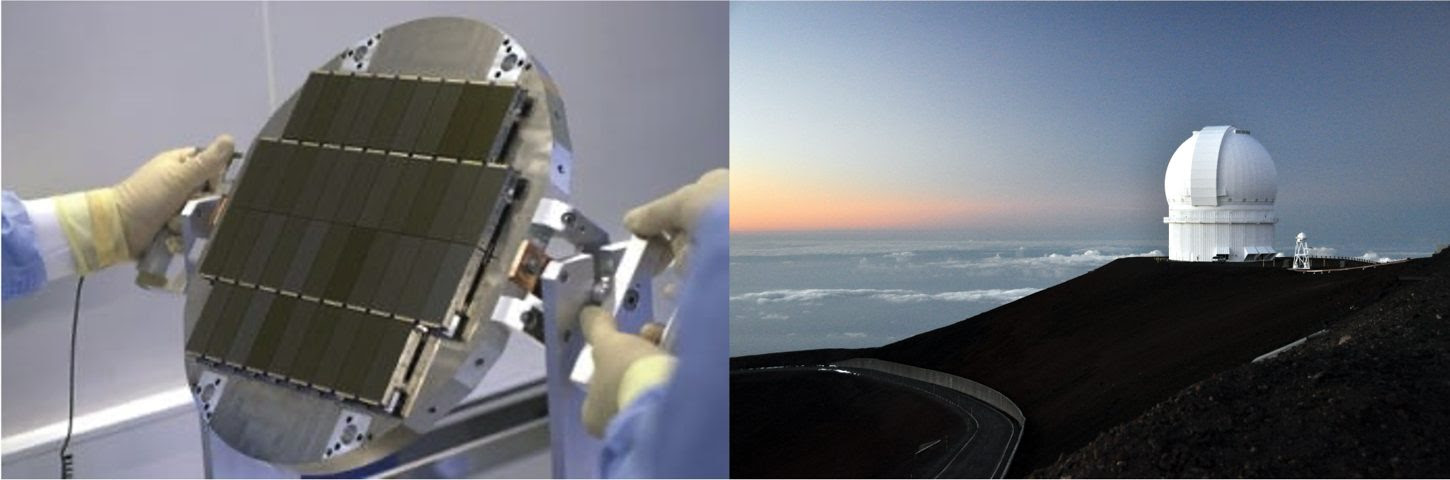
Using MegaCam, the Canada-France-Hawaiʻi Telescope’s 380-megapixel wide-field camera, an international team of astronomers conducted the survey over six observing seasons, collecting thousands of images through four optical filters and mapping an area of sky nearly 500 times the apparent size of the full moon.
“The Next Generation Virgo Cluster Survey images revealed an extraordinary diversity of galaxies, from massive elliptical galaxies such as M87 and M49 to faint dwarf galaxies barely more massive than large star clusters,” said Dr. Laura Ferrarese, research officer for the National Research Council of Canada.
Distinguishing Virgo Cluster galaxies from the tens of millions of foreground stars in our own Milky Way and the countless distant galaxies beyond the cluster required more than deep observations alone. Researchers developed specialized software capable of identifying true Virgo Cluster members within a vast dataset, allowing the team to produce the most complete catalog of the cluster ever assembled.
The resulting catalog not only more than doubles the known population of Virgo Cluster galaxies but also provides astronomers with an invaluable resource for future research into galaxy formation, evolution, dark matter, and the large-scale structure of the nearby universe.
The Virgo constellation marks the direction of one of the richest nearby collections of galaxies. For Hawaiian and Polynesian navigation, it is home to Hikianalia (Spica). This star is also the name of a contemporary waʻa (voyaging canoe) that has sailed across the globe’s oceans with its sister waʻa, Hōkūleʻa (Arcturus).
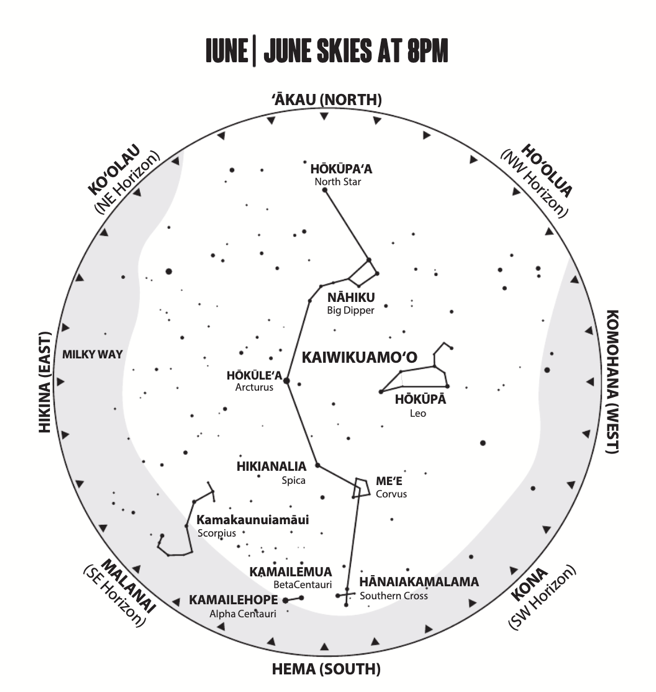
Hikianalia is one of the stars that traces ʻIwikuamoʻo/Kaʻiwikuamoʻo (the backbone) — the celestial north-south line that guides navigators as they determine their latitude on the open ocean. In different traditions but with a shared spirit of studying the stars, Hikianalia has served as a point of reference, helping people navigate both the Pacific and, today, the universe.
The survey provides a definitive map of our nearest giant galaxy cluster that will support astronomical research for decades to come.
The final Next Generation Virgo Cluster Survey catalog has been published in “The Astrophysical Journal Supplement Series,” marking the culmination of one of the most ambitious imaging surveys ever undertaken with the Canada-France-Hawaiʻi Telescope.
As an observatory on Maunakea, the Canada-France-Hawaiʻi Telescope recognizes that discoveries like these are also an opportunity to share something about the place from which they are made.