

Repeated severe weather compounds challenges for Hawaiʻi coffee producers
Hawaiʻi coffee producers are facing another period of severe weather as Hurricane Nolo approaches Hawaiʻi Island, adding to a year already marked by significant storms and ongoing recovery throughout the state.
The concern for many growers is not one individual storm, but the cumulative impact of repeated severe weather events.
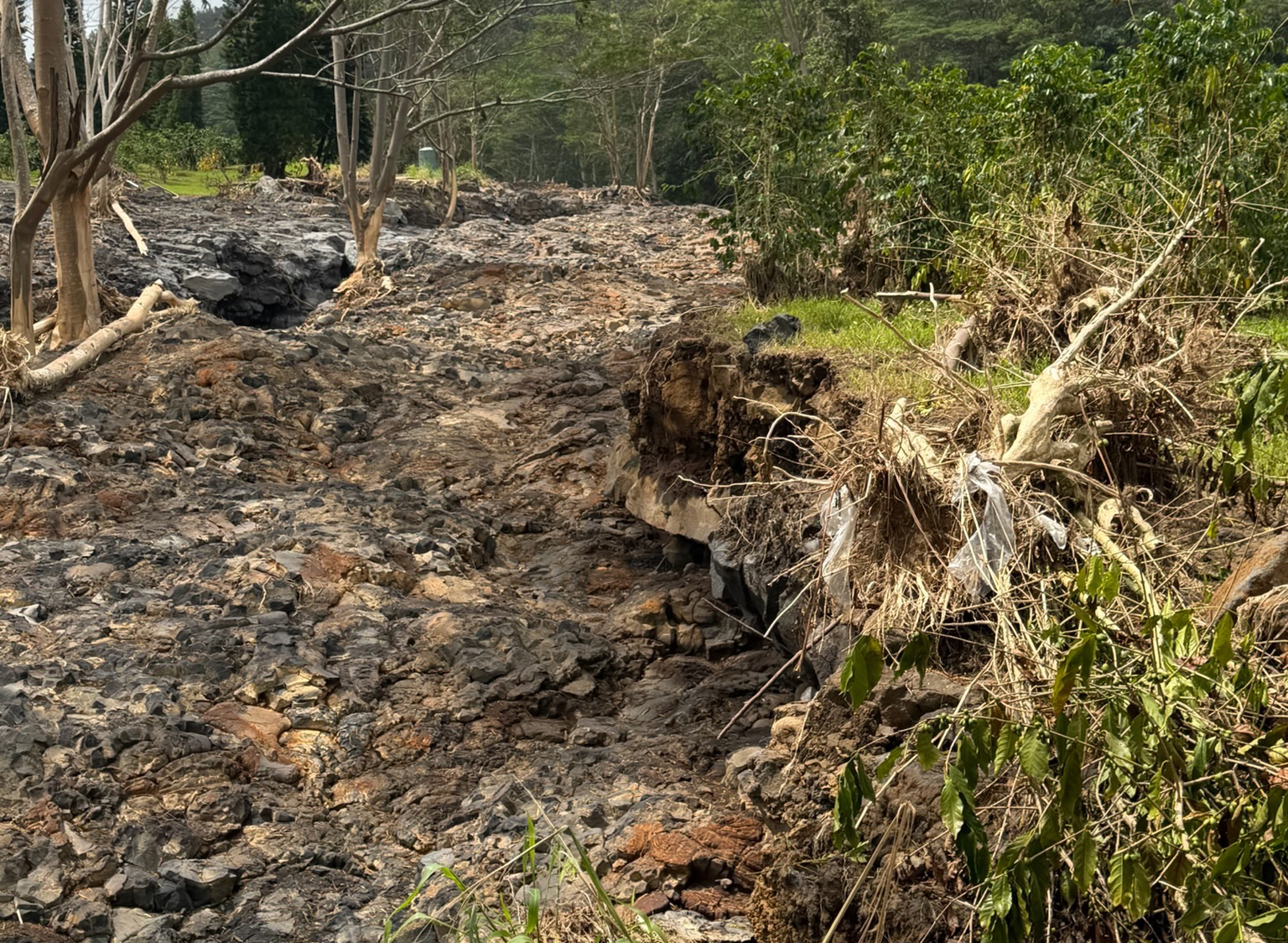
“This has been an extraordinarily difficult year for many of Hawaiʻi’s farmers,” said Hawaiʻi Coffee Association Executive Director Abby Munoz. “Our producers are still recovering from earlier storms while preparing again. Farming is already a vulnerable livelihood. When you add the realities of operating on an island, remote agricultural communities, high production and transportation costs and repeated severe weather, the impacts compound very quickly.”
Coffee farms throughout Hawaiʻi entered this period facing an already challenging marketplace.
A heavy previous crop, cautious purchasing by green coffee buyers and high costs for fuel, fertilizer, labor, shipping, equipment and other agricultural inputs placed pressure on producers.
Severe weather can further affect farms through lost coffee cherry, damaged or uprooted trees, soil erosion, damaged roads and farm infrastructure, interrupted power and transportation, delayed harvesting and additional labor and cleanup costs.
Hawaiʻi Coffee Association is working to support the industry through communication, coordination, advocacy and access to information, sharing disaster and recovery resources, communicating important deadlines and programs, staying connected with growers and industry partners and helping identify needs emerging within Hawaiʻi’s coffee-growing communities.
Association board members and members also provided individual support, donations and assistance within affected communities.
“Our role is not to replace emergency management agencies or organizations providing direct disaster response,” Munoz said. “Our role is to make sure Hawaiʻi coffee producers are connected, informed, represented and not navigating these challenges in isolation.”
Hawaiʻi Coffee Association also is looking toward long-term resilience.
Through its affiliated nonprofit foundation, the association hopes to expand educational efforts focused on
farm preparedness, severe-weather planning, recovery and agricultural resilience. Support of the foundation can help Hawaiʻi Coffee Association build resources and education to prepare producers for the current season and future events.
Consumers can also play an important role in recovery by continuing to purchase Hawaiʻi-grown coffee.
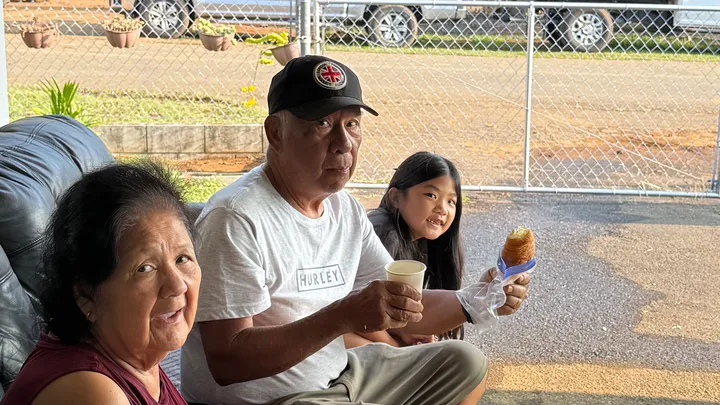
Buying current-crop coffee directly from Hawaiʻi producers, farms and local roasters helps keep revenue flowing to agricultural businesses at a time when many are absorbing unexpected losses and expenses.
“Hawaiʻi coffee is grown by real families and farming communities,” Munoz said. “The best way people can stand behind them is to continue valuing, purchasing and supporting the coffee they grow.”
Hawaiʻi Coffee Association encourages producers to continue following official county, state and National Weather Service guidance as weather conditions develop.