


Hawaiʻi Island spinner dolphins are producing fewer calves, new study reveals
In the study, scientists used drone photography to measure the body length of free-swimming dolphins, which revealed a decline in the number of calves.
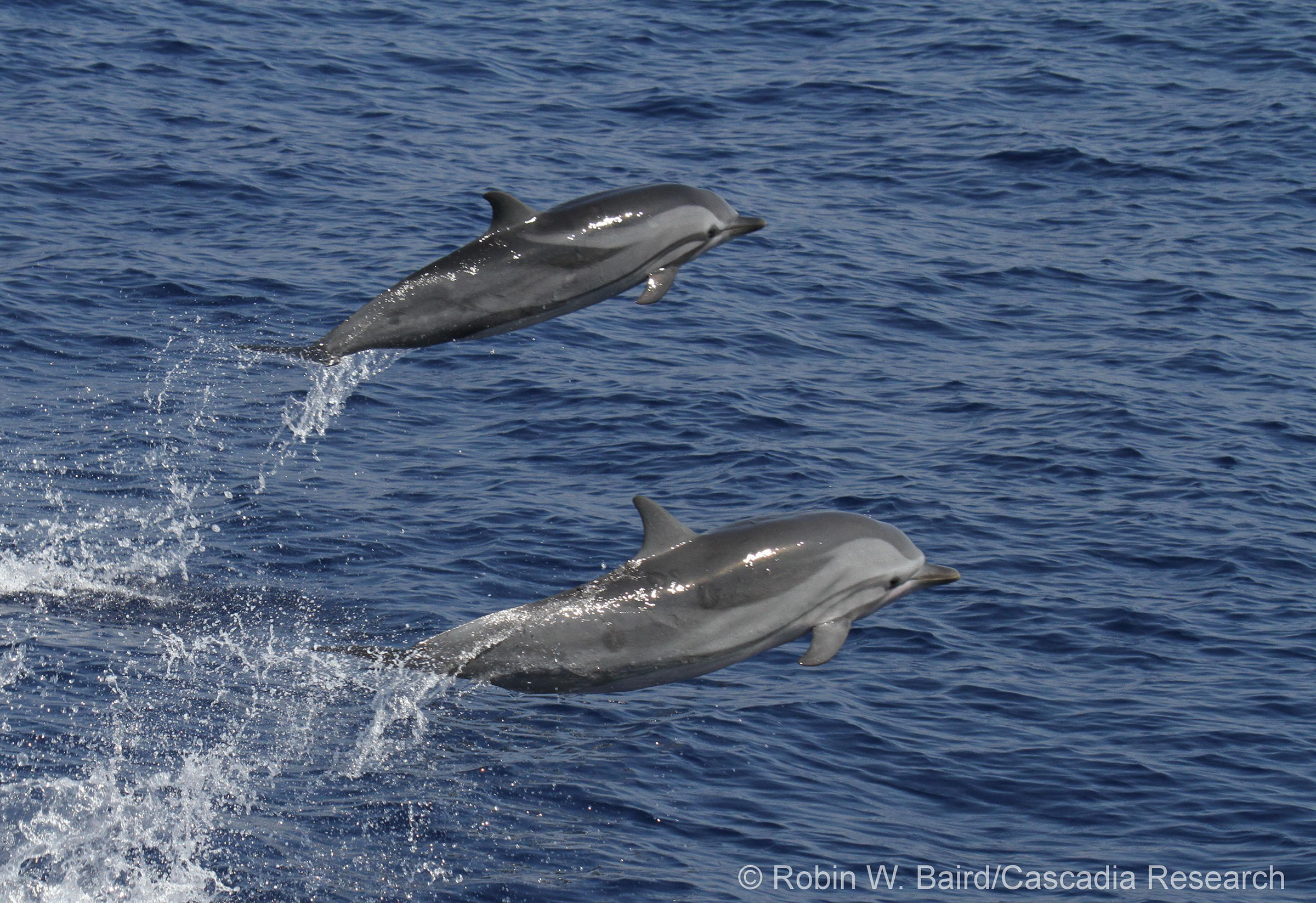
Surveys of spinner dolphin populations off Hawai‘i Island conducted in 2021-2022 show unexpectedly low calf numbers, according to a recent study published by the University of Hawai‘i at Mānoa.
Led by scientists with the university’s Marine Mammal Research Program along with national and international collaborators, the research, published in Endangered Species Research, determined that calves made up only about 9% of the population, a stark contrast to the 17% expected in a healthy, stable population, raising urgent concerns about the long-term survival of this isolated population.
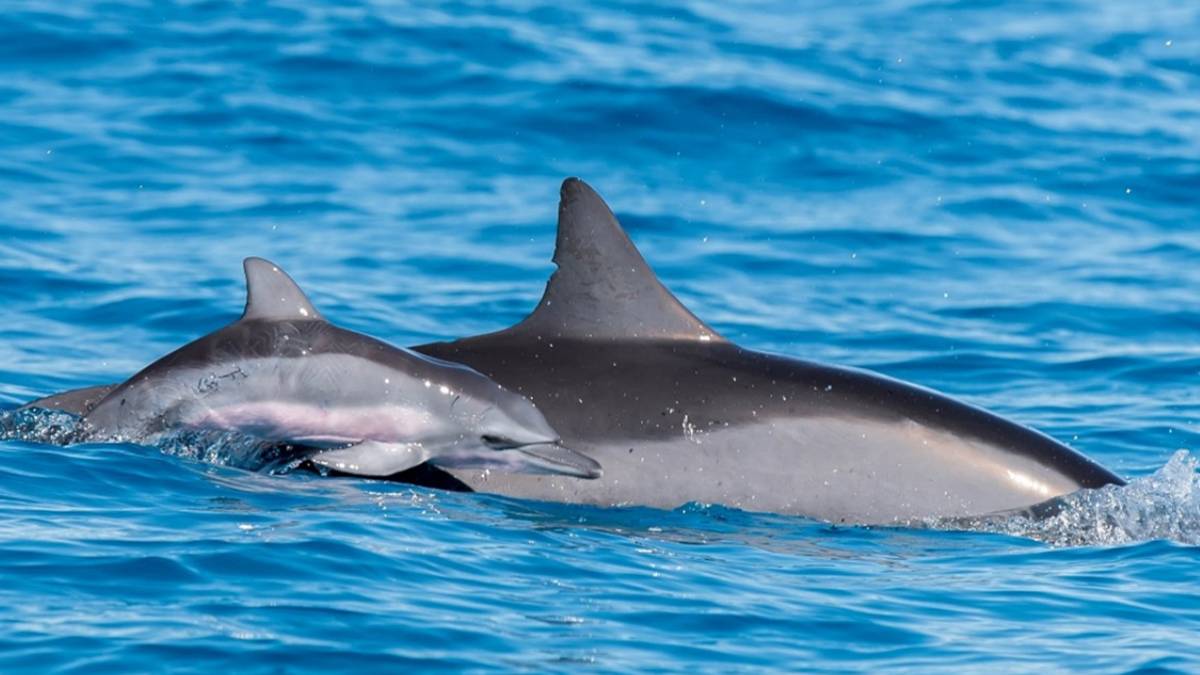
“The evidence suggests chronic human disturbance — especially tourism and recreational-related interactions during critical dolphin resting periods — as a likely contributing factor affecting reproductive success and calf survival,” said lead author Fabien Vivier, who was a doctoral student at the Hawai‘i Institute of Marine Biology in the UH Mānoa School of Ocean and Earth Science and Technology at the time of this work. “The findings support stronger conservation actions, such as time-area closures for human activities, alongside continued long-term monitoring—actions that have long been called for.”
In the study published this year, scientists used drone photography to measure the body length of free-swimming dolphins, which revealed a decline in the number of calves.
By combining these aerial measurements with age-length data from stranded spinner dolphins collected by Kristi West, study co-author and researcher with the UH Health and Stranding Lab at the UH Mānoa College of Tropical Agriculture and Human Resilience, the team created the first age-length growth curve for this specific population. This allowed them to accurately categorize individuals into calves (under 2 years), juveniles (2–9 years), and adults (over 9 years).
Age structure is an early indicator of population health and long-term viability. The documented low proportion of calves suggests the spinner dolphin population off Hawaiʻi Island may not be replacing itself fast enough, which could lead to future population decline.
“This study provides one of the first population-level demographic signals suggesting those long-term disturbances may now be affecting reproduction and calf survival,” said Professor Lars Bejder, co-author on the study and MMRP director.
With spinner dolphins following a predictable daily cycle — foraging offshore at night and returning to shallow coastal bays during the day to rest and socialize — they are especially vulnerable to tourism activities in these nearshore habitats.
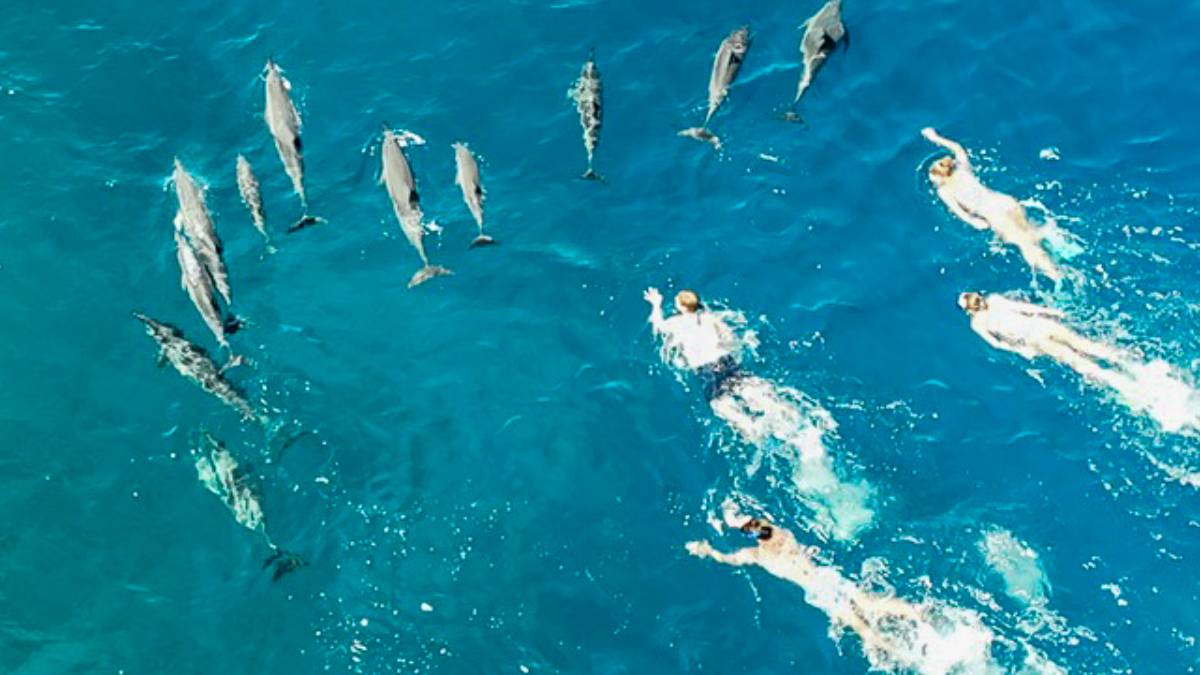
Snorkeling tours advertise whale and dolphin watching and in the past, companies have also marketed swimming with dolphins. As a result, previous research has shown that this population of dolphins off of Hawai‘i Island experiences the highest levels of disturbance exposure recorded for dolphins worldwide.
According to the University of Hawai‘i press release, research from 2013 estimated that each individual dolphin is valued at more than $3.3 million over its lifetime and collectively, dolphin tourism generates more than $100 million annually for the state’s economy.
In an effort to curb harassment of the marine animals, the National Oceanic Atmospheric Administration’s Marine Fishery Service implemented a law in September 2021 requiring people and vessels to stay 50 yards away from the dolphins.
From January to November of 2024, 47 citations were issued, with 41 fines totaling $10,900. Violations occurred in Hōnaunau Bay, Honokōhau Harbor, Ho‘okena Beach Park, Kailua Bay and Noio Point.
In 2023, the agency issued 34 citations, resulting in $6,500 in fines. Violations occurred in Kealakekua Bay, Ho‘okena Beach Park, Kailua Bay, Keauhou Bay and Magic Sands Beach Park, with the most blatant occurring in March when 33 swimmers were caught aggressively pursuing a pod of dolphins in Hōnaunau Bay. All of them were cited and fined.
According to the news release from the university, experts from the U.S. Marine Mammal Commission and the Pacific Scientific Review Group have argued that this measure is insufficient. The study authors are calling for stronger conservation actions, specifically time-area closures that would restrict human access to critical resting bays during the day.
“Understanding these impacts is critical for protecting an isolated local population before declines become irreversible,” said Randall Wells, study co-author and director of Brookfield Zoo Chicago’s Sarasota Dolphin Research Program. “We hope this work provides the science-based evidence needed to develop effective protections for spinner dolphins while helping balance marine tourism, cultural stewardship, and long-term ecosystem health in Hawaiʻi.”
Future research and monitoring will depend on available funding, with scientists aiming to track long-term changes in age structure, reproduction, and population and further refine non-invasive drone-based methods.