

Kona Palisades residential green waste removal project planned
A multi-agency partnership is launching a residential green waste removal effort in Kona Palisades aimed at reducing wildfire risk and limiting breeding habitat for the coconut rhinoceros beetle, an invasive insect that can cause extensive damage to palms and other plants on the Big Island.
Residents in neighborhoods bordering Kaʻiminani Drive from Māmalahoa Highway to Queen Kaʻahumanu Highway are invited to bring green waste material for free disposal June 26-27 at Lokahi Makai Park.
The project will address widespread accumulation of yard waste piles identified throughout the area.
“Green waste piles may seem harmless, but they create ideal conditions for [coconut rhinoceros beetle] to reproduce, and can significantly increase fire risk near homes,” said Big Island Invasive Species Committee Manager Franny Kinslow Brewer in an announcement about the upcoming disposal event. “Removing these piles is one of the most effective steps residents can take to protect their properties and their community.”
No plastics, rocks, metals, soil or inert materials are permitted in the waste.
Limited assistance could be available for residents with large or difficult-to-move piles. Community members in need of support are encouraged to contact Big Island Invasive Species Committee at 808-933-3340 or via email at biisc@hawaii.edu.
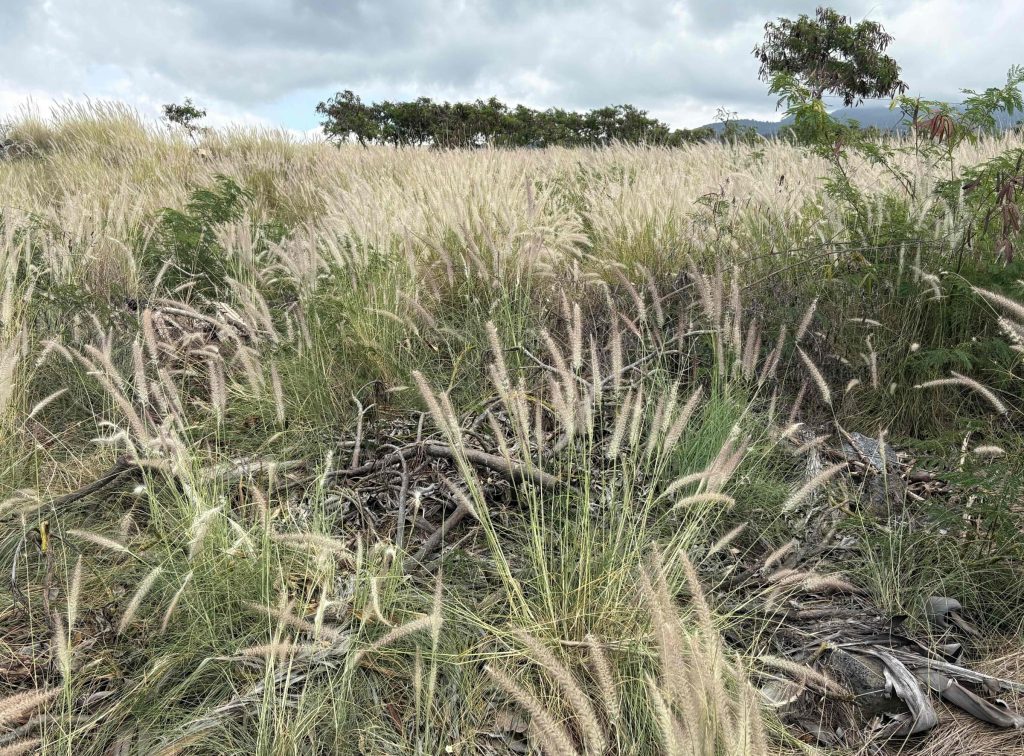
 Discarded green waste in Kona on the west side of the Big Island. This type of plant waste material contributes to wildfire risk and is the perfect breeding ground for the invasive coconut rhinoceros beetle. (Courtesy Photo: Big Island Invasive Species Committee)
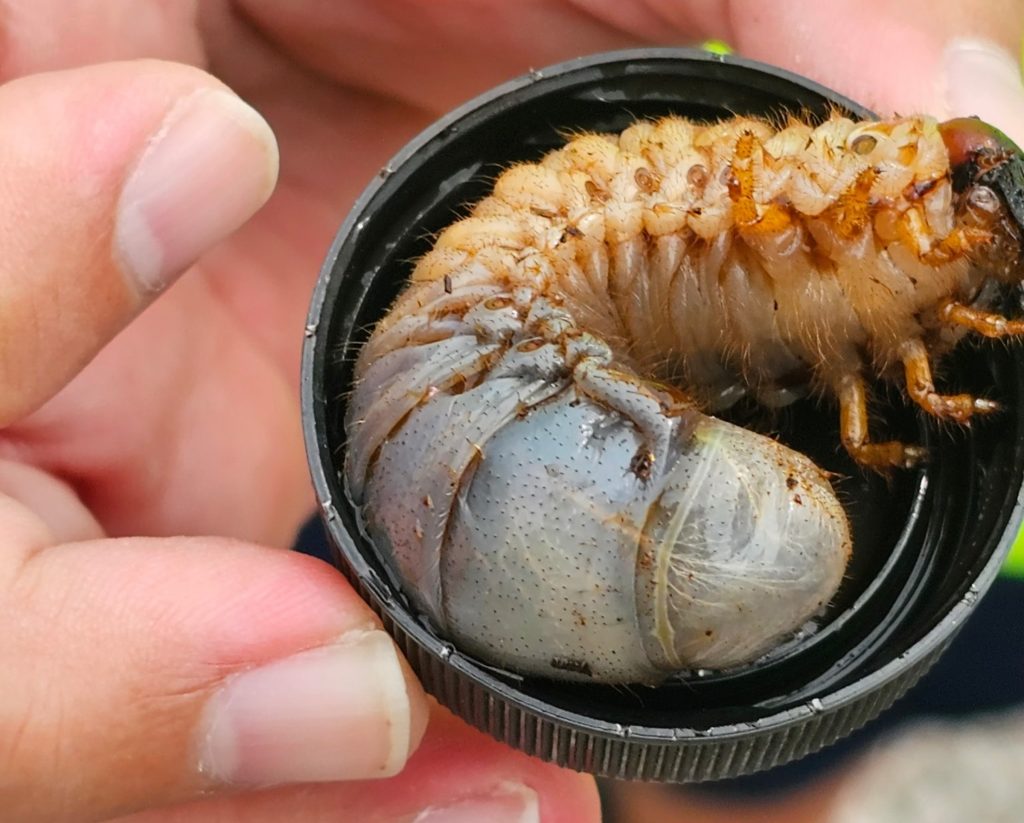
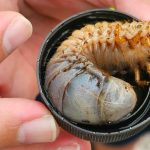
- Larval stage — or juvenile — of the invasive coconut rhinoceros beetle. (Courtesy Photo: Big Island Invasive Species Committee)
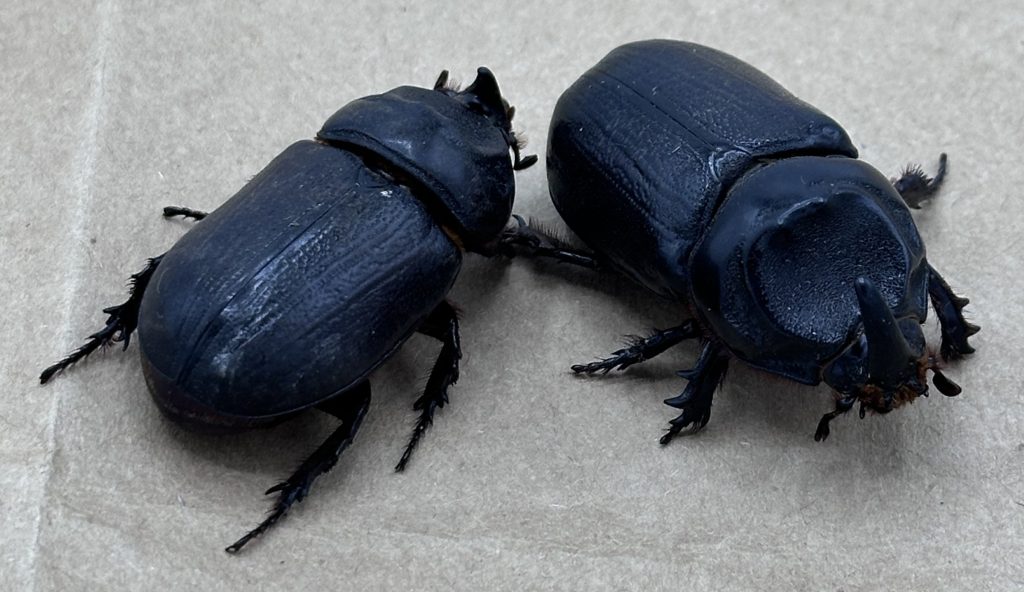
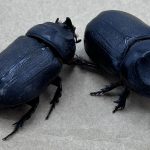
- Adult coconut rhinoceros beetles. (Courtesy Photo: Big Island Invasive Species Committee)
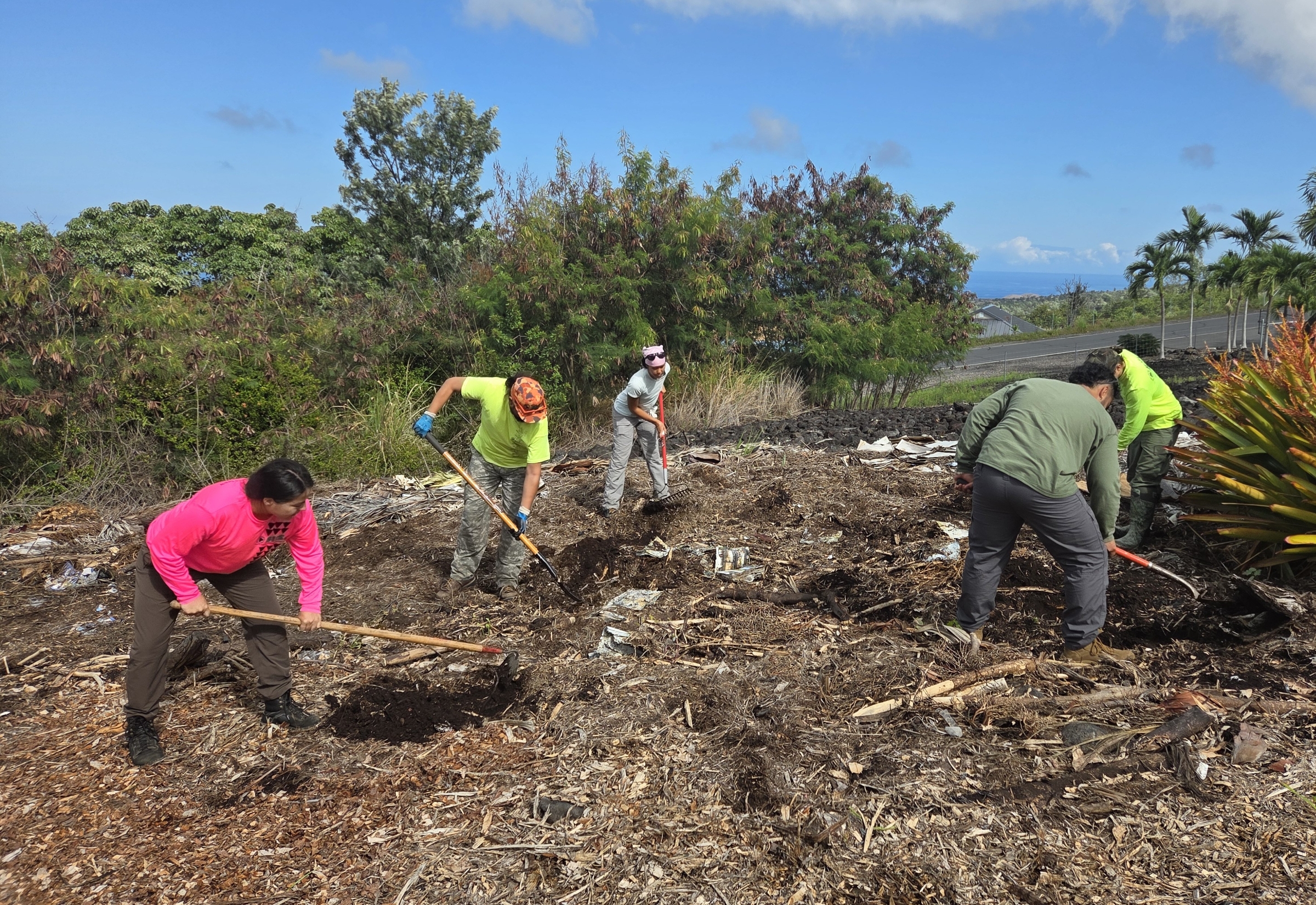
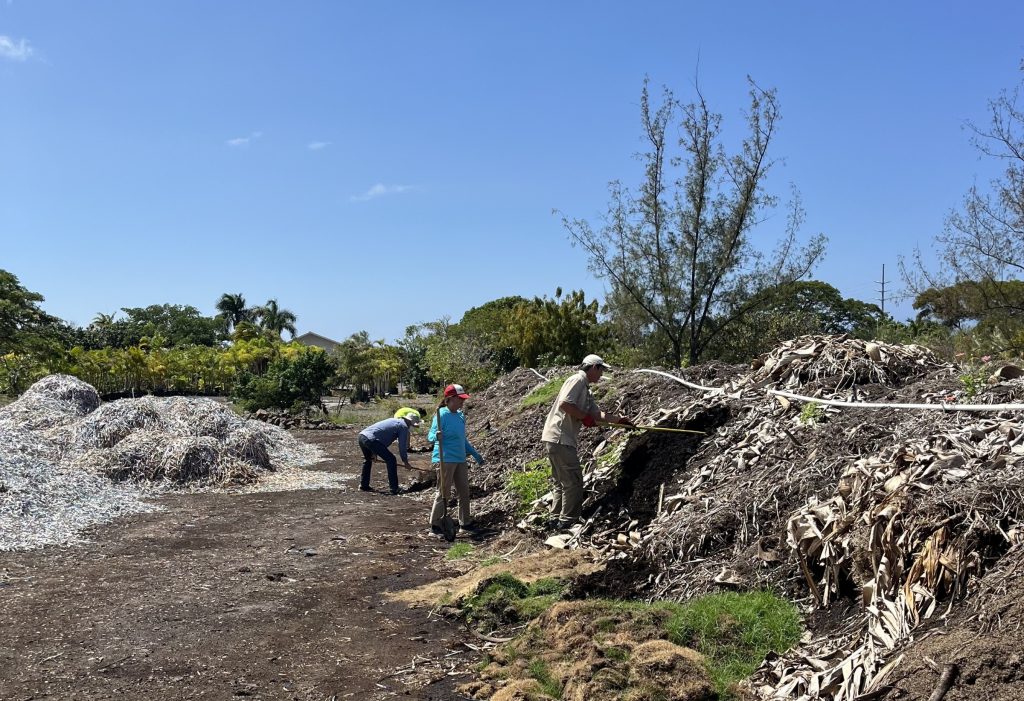
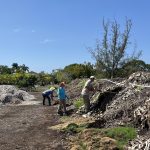
- Another survey in in Kona is performed as people sift through plant waste material, which is possible breeding ground for the invasive coconut rhinoceros beetle. (Courtesy Photo: Big Island Invasive Species Committee)
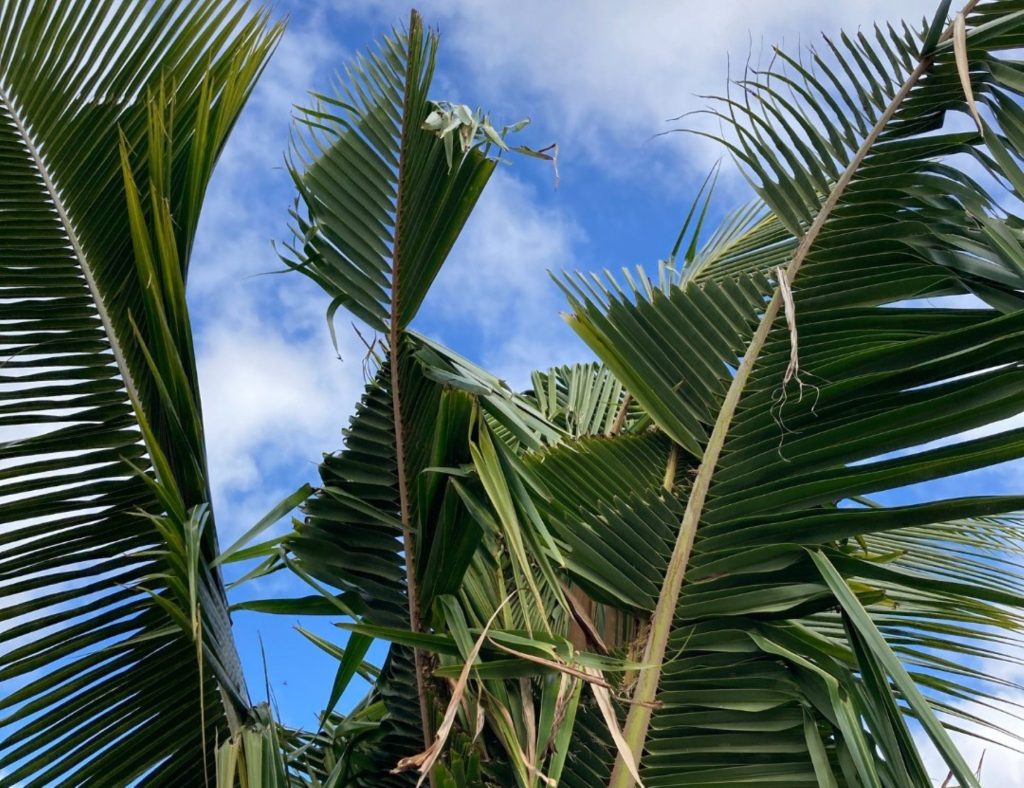
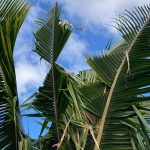
- Damage to palm trees caused by the invasive coconut rhinoceros beetle. (Courtesy Photo: Big Island Invasive Species Committee)
This effort is supported by partners including Hawaiʻi Wildfire Management Organization, Hawaiʻi Department of Transportation, Hawaiʻi County, Hawaiʻi Department of Land and Natural Resources and Big Island Invasive Species Committee, among other collaborating agencies and organizations.
Community members can find additional information about the coconut rhinoceros beetle and more t the Big Island Invasive Species Committee website and by following the group on Facebook, Instagram and YouTube.