


Dengue virus case involving Oʻahu visitor detected, expected risk of transmission low
The Department of Health detected a travel-related case of dengue virus and is conducting inspections and mosquito control in the affected area.
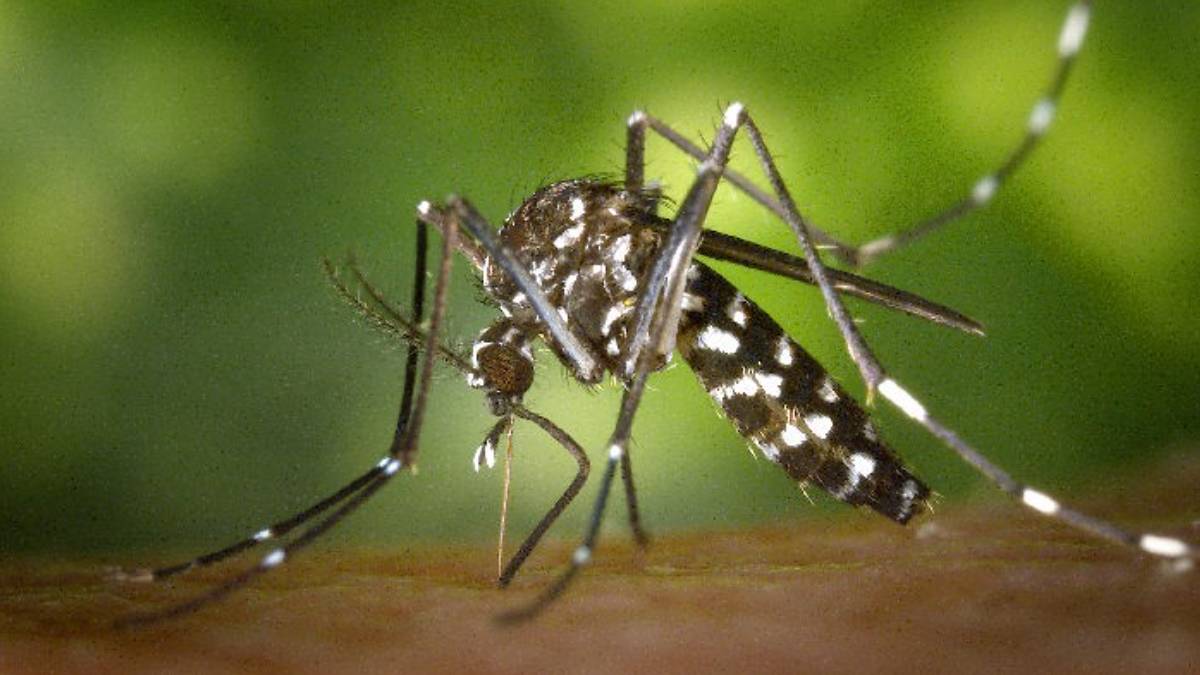
A new dengue virus case involving a visitor has been identified on Oʻahu, according to the Hawaiʻi Department of Health.
Since this case involves a nonresident, it is not included in Hawaiʻi’s official dengue case count, which remains at five cases statewide. The affected individual was exposed to the virus while traveling in an area where dengue is common.
Department of Health teams have been deployed to conduct inspections, provide outreach materials, and implement mosquito control measures in the affected area.
Due to the specifics of this case, the expected risk of local transmission is low. The visitor is no longer in Hawaiʻi and at the time of departure was no longer considered to be infectious in terms of human-to-mosquito transmission.
However, this case serves as a reminder for the public to remove standing water to help reduce the mosquito population and thereby reduce the potential risk of local transmission of mosquito-borne diseases.
Mosquitoes need only small amounts of standing water to breed. Common breeding sites include buckets, water-catching plants such as bromeliads, small containers, planters, rain barrels, and even cups left outside.
Prevent standing water from collecting around the home and workplace by pouring out containers to prevent mosquitoes from laying eggs. More information on mosquito control can be found on the Department of Health website.
Dengue virus is transmitted from an infected person to a mosquito and then to another person. While Hawaiʻi is home to mosquitoes that can carry dengue, the disease is not established in the state — and cases are currently limited to travelers.
Dengue is a year-round risk in tropical and subtropical areas of Central and South America, Asia, the Middle East, Africa, and several Pacific Islands such as American Sāmoa, the Federated States of Micronesia, the Republic of the Marshall Islands, and the Republic of Palau. Many popular tourist destinations in the Caribbean, including Puerto Rico, are also affected.
Some countries are reporting higher-than-usual numbers of dengue cases, including the Cook Islands, Sāmoa, Vietnam, Bolivia, Colombia, Guyana, Maldives, Mali, New Caledonia, Timor-Leste, and Tonga. Travelers should review up-to-date, country-specific travel information for guidance on dengue risk and prevention measures at least four to six weeks before traveling.
Anyone planning to travel to or who has recently visited an area with dengue risk is vulnerable to infection. The Centers for Disease Control and Prevention advises travelers to take standard precautions when visiting such areas. This includes using an Environmental Protection Agency-registered insect repellent, wearing long-sleeved shirts and long pants outdoors, and sleeping in air-conditioned rooms, rooms with window screens, or under insecticide-treated bed nets.
Travelers returning from dengue-endemic areas should take precautions to prevent mosquito bites for three weeks. If dengue symptoms develop within two weeks of return, travelers should seek medical evaluation.
Symptoms of dengue can range from mild to severe and include fever, nausea, vomiting, rash, and body aches. Symptoms typically last two to seven days, and while severe illness can occur, most people recover within a week.
Individuals who have recently traveled and are experiencing these symptoms should contact their health care provider. Health care providers and individuals who suspect a dengue infection are advised to call the Disease Reporting Line at 808-586-4586.
For more information, visit the Disease Outbreak Control Division and Vector Control Branch websites.