

State, University of Hawaiʻi secure more than $322K for plant pathogen detection, biosecurity innovation
Hawaiʻi Department of Agriculture and Biosecurity and University of Hawaiʻi secured more than $322,000 in federal grant funding that will be used to strengthen the state’s ability to detect, assess and respond to emerging plant pathogen threats.
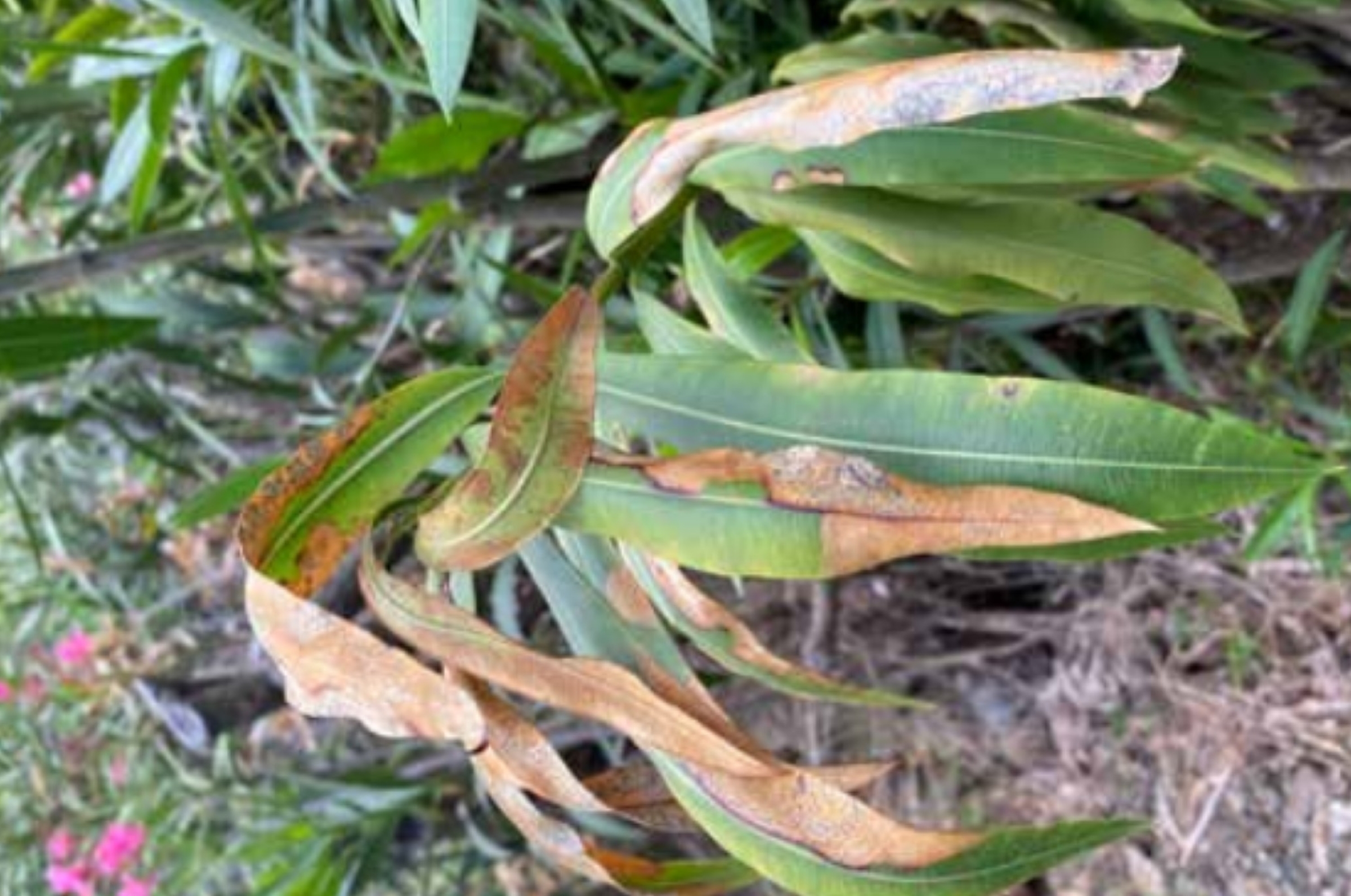
Grant funds will be used for two new projects — a nursery and ornamental survey and a machine learning decision support tool for phytopathogen risk assessments.
Lead principal investigator is Hawaiʻi Department of Agriculture and Biosecurity State Plant Pathologist Josiah Marquez, with co-principal investigators Garrett Roell, Huaijin Chen, Alberto Ricordi, Marian Luis and Jing Zhou.
The projects are a joint research effort between Hawaiʻi Department of Agriculture and Biosecurity and University of Hawaiʻi and are focused on monitoring and surveillance of important plant pathogens, developing advanced machine learning–based tools to identify and prioritize high-risk phytopathogens and modeling potential pathways of introduction into Hawaiʻi and mainland United States.
“Hawaiʻi sits at one of the most strategically important agricultural crossroads in the world,” said Hawaiʻi Board of Agriculture and Biosecurity Chairperson Sharon Hurd in an announcement about the new grant funds. “These investments strengthen our ability to proactively identify emerging threats before they become costly impacts to agriculture, natural resources and trade.”
The initiative will integrate existing datasets involving plant hosts, climate conditions and international trade pathways to improve predictive risk modeling and strengthen surveillance targeting statewide.
Hawaiʻi Department of Agriculture and Biosecurity officials say the project is intended to help move Hawaiʻi toward a more proactive, technology-driven biosecurity framework capable of addressing increasingly complex global agricultural threats.
“Hawaiʻi’s central location between Asia and the Americas makes it a potential gateway for invasive species introductions between the East and West,” said Josiah Marquez in the announcement. “This project seeks to address this critical gap in understanding biosecurity risks while also serving as a replicable model that can be adapted by other states to strengthen their own phytopathogen risk assessments.”
Hawaiʻi Department of Agriculture and Biosecurity grant writing specialist Lesley Harvey said the awarded projects represent a significant advancement in Hawaiʻi’s long-term biosecurity capabilities, demonstrating growing federal confidence in the state’s leadership on invasive species and plant pathogen preparedness.
Those who own a plant nursery or have ornamental plants and are interested in participating in the nursery and ornamental survey project can reach out to the Plant Pathology Unit at hdoa.ppu@hawaii.gov.
Additional details about implementation timelines and project coordination are expected in the coming weeks.
The grant funding was awarded through the U.S. Department of Agriculture Plant Protection Act Section 7721 program.