


Volcano Watch: Pele, Lono and Hiʻiaka remind us of nature’s power
“Volcano Watch” is a weekly article and activity update written by U.S. Geological Survey Hawaiian Volcano Observatory scientists and affiliates. Today’s article is by Hawaiian Volcano Observatory geologist Katie Mulliken.
The summit region of Kīlauea on the Big Island experienced tephra fallout and a kona low storm last week and weekend. Cleanup, recovery and regrowth is ongoing.
These processes are natural, recognized and embodied in Native Hawaiian oral traditions about Hawaiian deities of Pele, Lono, and Hiʻiaka.
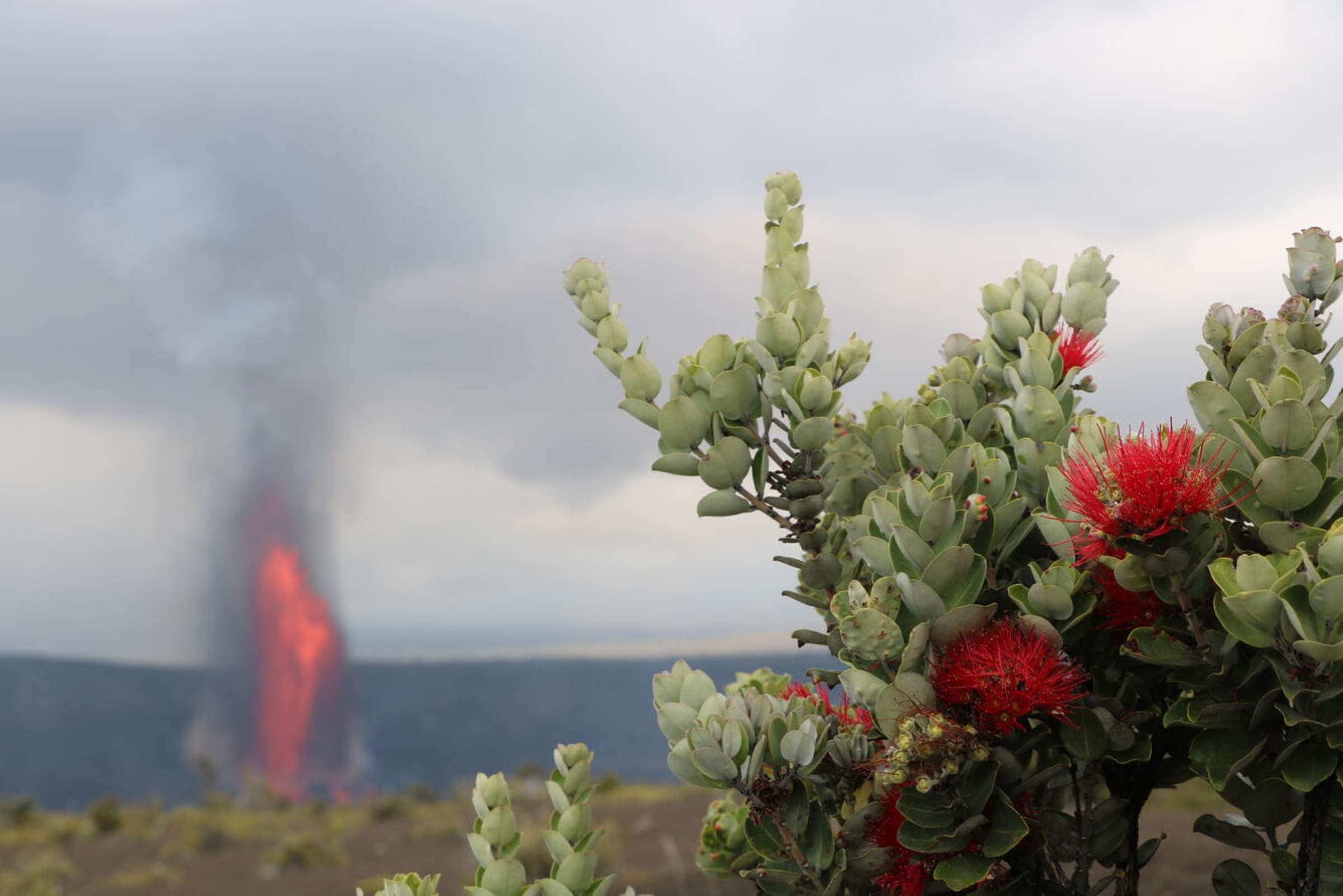
Kīlauea and Hawaiʻi’s other active volcanoes are ever-changing landscapes. From summits to coastlines, lava flows downslope to resurface land and add acreage where it enters the ocean.
Lava fountains blanket areas downwind with pōhāhā — fallout — called tephra.
As magma moves beneath the surface, it can cause ground cracks or collapsed areas such as craters to form on the ground above.
Native Hawaiian oral traditions attribute those active volcanic processes to Hawaiian volcano goddess Pelehonuamea, also known by the shorter Pele, the creator of land.
The Hawaiian Archipelago, located in the Central Pacific Ocean, is susceptible to storms that approach from various directions, including hurricanes during the summer and kona low storms during the winter.
These weather systems and accompanying wind, rain and ocean surges can topple trees, cause flooding and erosion and cover the summits of Mauna Kea and Mauna Loa — the tallest volcanoes on Hawaiʻi Island — with snow.
Native Hawaiian oral traditions say rains, winds, thunder and lightning are the works of the elemental force and one of the four principal Hawaiian gods Lono, who brings fertility to the land.
Volcanic eruptions and storms can completely transform landscapes, but natural recovery begins soon afterward.
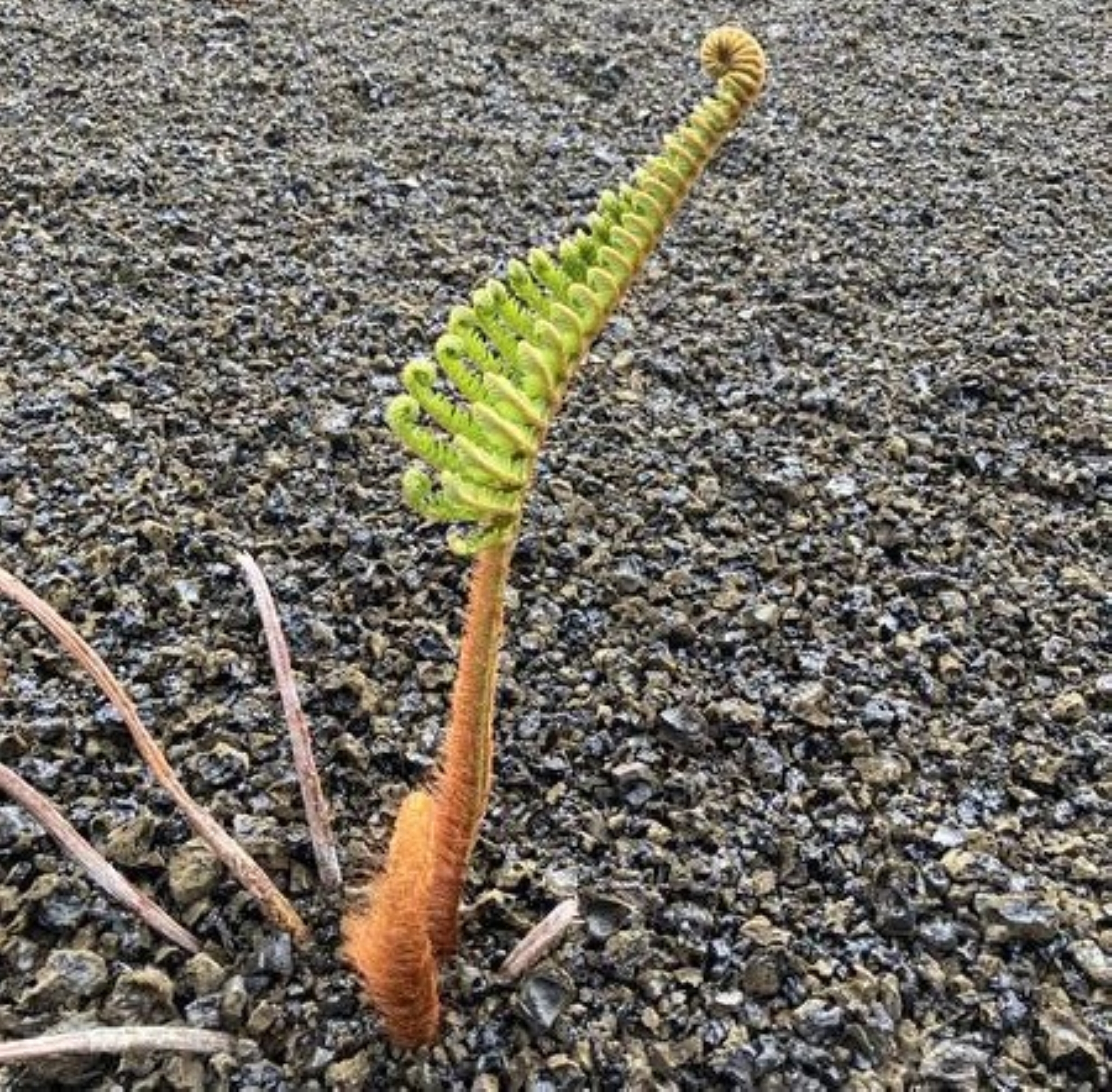
Where vegetation was damaged by new volcanic deposits or storms, new growth quickly begins. When vegetation is completely destroyed or buried, spores and seeds landing in these areas begin the processes of slowly restoring vegetation.
Native Hawaiian oral traditions attribute these actions to Hawaiian patron goddess of hula dancers, chants, sorcery and medicine — the healer of land — Hiʻiakaikapoliopele, also known by the shorter Hiʻiaka, as she begins to re-green the land.
The oral traditions recorded interactions between Pele, Lono and Hiʻiaka in the past, and we continue to see their interactions today.
Pele dramatically appeared at the summit of Kīlauea last week with a heavy fall of pōhāhā March 10, followed by a wildly enthusiastic Lono a few days later … and now Hiʻiaka is present in recovery.
The area northeast of Kaluapele o Kīlauea — the summit caldera — was blanketed March 10 with tephra fallout from summit eruption Episode 43 lava fountains that reached up to 1,770 feet high — the highest yet recorded since the episodic eruption started Dec. 23, 2024.
Hawaiʻi Volcanoes National Park and portions of Highway 11 were temporarily closed because of the hazardous conditions created and to allow for fallout to be cleared.
A powerful kona low arrived several days later, bringing days of strong winds and heavy rainfall that flooded areas, knocked down trees and other vegetation and blew off parts of roofs. Roads were temporarily blocked — some being damaged even more — and power still was remained off as of Thursday afternoon, March 19, in some areas.
Recovery for the people living on these landscapes today has a different meaning compared with the past because we are largely reliant on infrastructure such as electricity and transportation.
When these resources are impacted by natural events, our daily lives are affected.
There are steps you can take to be aware of the hazardous natural events that can affect you here and make preparations where possible.
- VOLCANO NOTIFICATIONS: If you live in an area in close proximity of volcanic activity, maintain an awareness of the status of our active volcanoes by subscribing to receive notices from Hawaiian Volcano Observatory.
- LOCAL FORECASTS: Check the National Weather Service Honolulu forecast office website for local weather forecast updates.
- HAZARD NOTICES: Subscribe to receive notifications regarding real-time hazards, including severe weather and road closures, from Hawaiʻi County Civil Defense.
Living in such a dynamic place as Hawaiʻi Island, it’s important to try to be aware and prepared for the natural events that affect us.
Nature will continue to reshape the land in Hawaiʻi, and these recent events are reminders about how impactful such natural events can be.
VOLCANO ACTIVITY UPDATES
KĪLAUEA volcano
VOLCANO ALERT LEVEL: Watch
Kīlauea has erupted episodically within the summit caldera since Dec. 23, 2024. Episode 43 lava fountaining happened for just 9 hours on March 10. No unusual activity has been noted along Kīlauea’s East Rift Zone or Southwest Rift Zone.
WHAT’S NEXT? Summit region inflation since the end of Episode 43 indicates another fountaining episode is possible, with models suggesting Episode 44 could begin from April 1-10.
MAUNA LOA volcano
VOLCANO ALERT LEVEL: Normal
Mauna Loa is not erupting. Seismic activity at the beginning of March involved a tight clustering of events under Mokuʻāweoweo and weaker concentration of events in the south caldera region — a continuation of elevated earthquake production from the previous month.
A total of 116 earthquakes were detected beneath Mauna Loa’s summit region during the February reporting period, while the prior month had 123 earthquakes.
Data from global positioning system instruments on Mauna Loa show variable rates of inflation at the summit — associated with refilling of the summit reservoir system following the 2022 eruption — during the past 6 months.
Read more in the March 5 monthly activity update.
Hawaiian Volcano Observatory continues to closely monitor Kīlauea and Mauna Loa.
EARTHQUAKES
Two earthquakes were reported felt during the past week in the Hawaiian Islands:
- MAGNITUDE-2.9 quake at 8:54 p.m. March 12 located 8 miles north-northeast of Ocean View.
- MAGNITUDE-4.4 quake at 5:16 p.m. March 12 located 8 mikes east-southeast of Pāhala at a depth of 18 miles.
Visit the Hawaiian Volcano Observatory website for past “Volcano Watch” articles, Kīlauea and Mauna Loa updates, volcano photos, maps, recent earthquake information and more. Email questions to askHVO@usgs.gov.