


Antarctica to Mānoa: UH sophomore returns from expedition to protect fragile continent
A University of Hawaiʻi at Mānoa sophomore — and Big Island resident — has returned from Antarctica after serving as the only participant from Hawaiʻi and the United States on a global expedition focused on protecting the continent beyond 2041.
Eric Pōmaikaʻi Gee, an international business and finance major with a minor in political science, was one of two Villars Institute Fellows selected for the Ice Station Expedition, a 2-week mission this month.
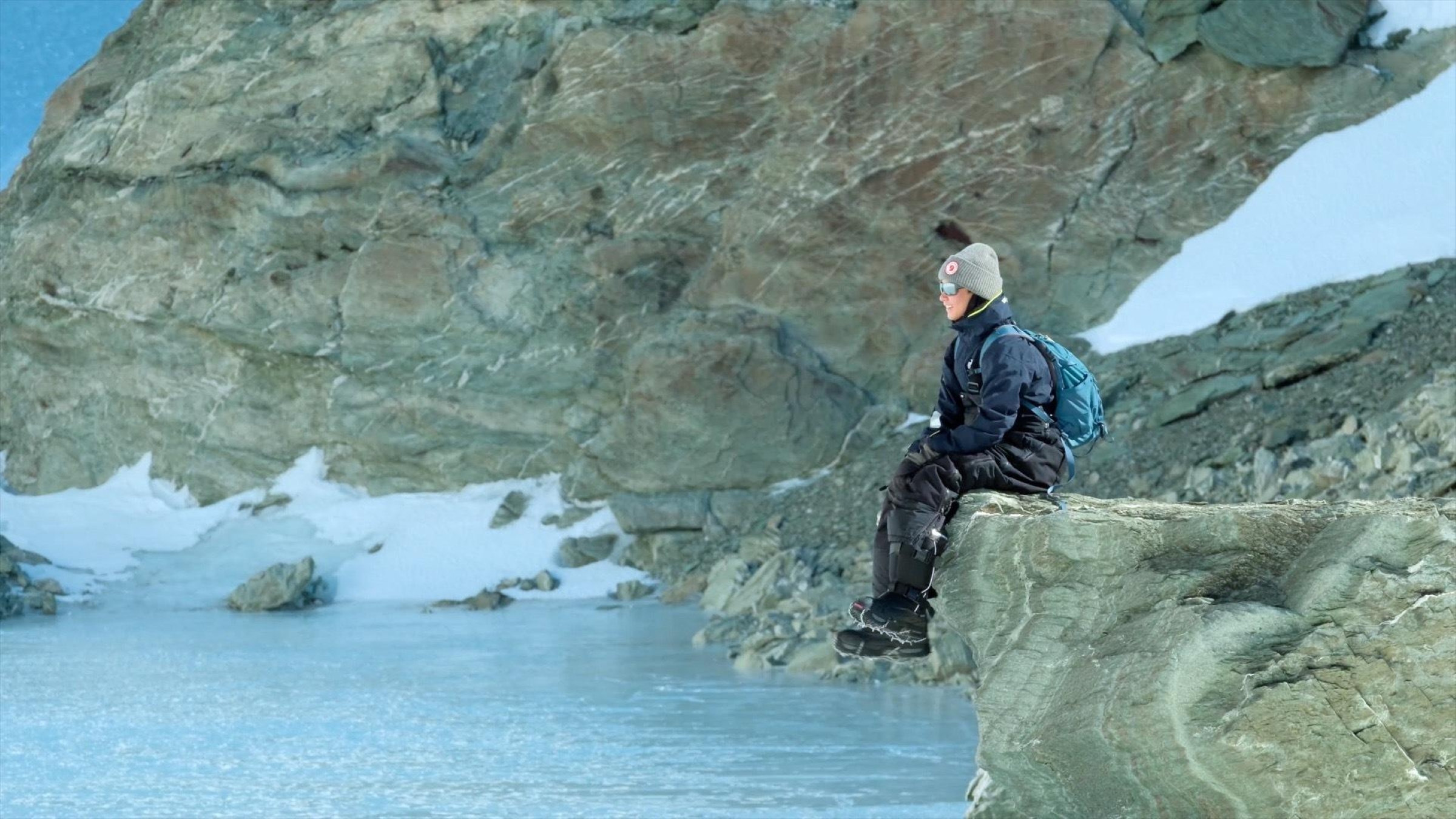
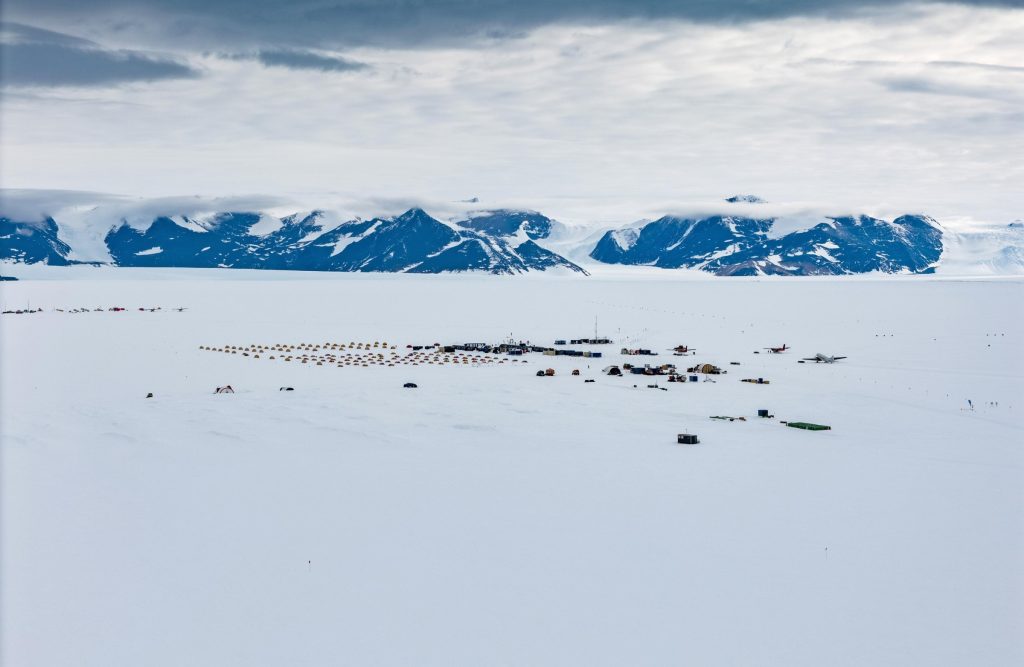
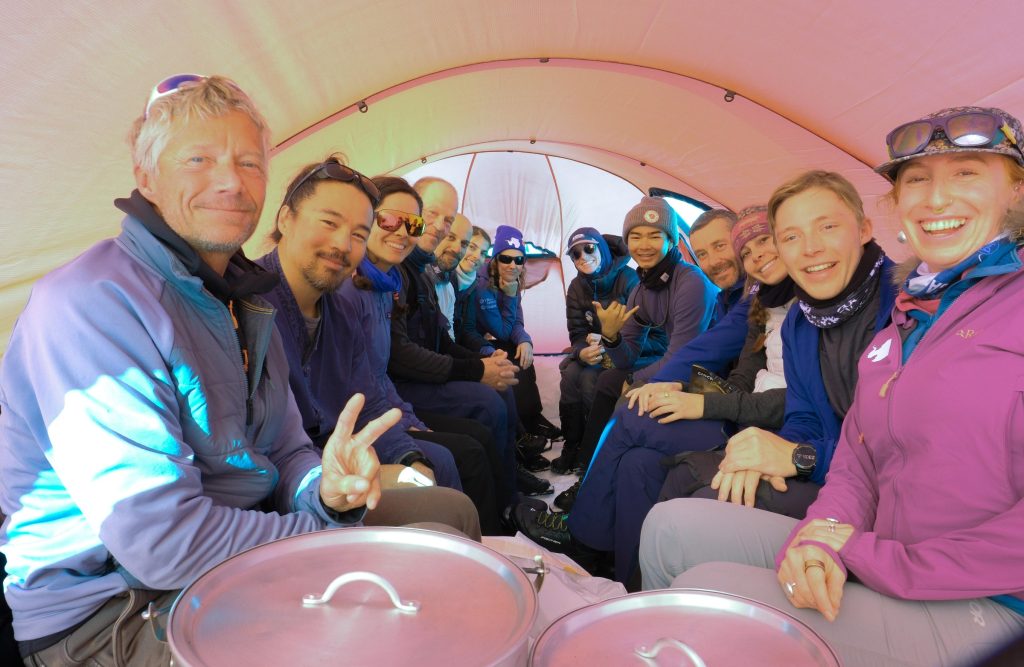
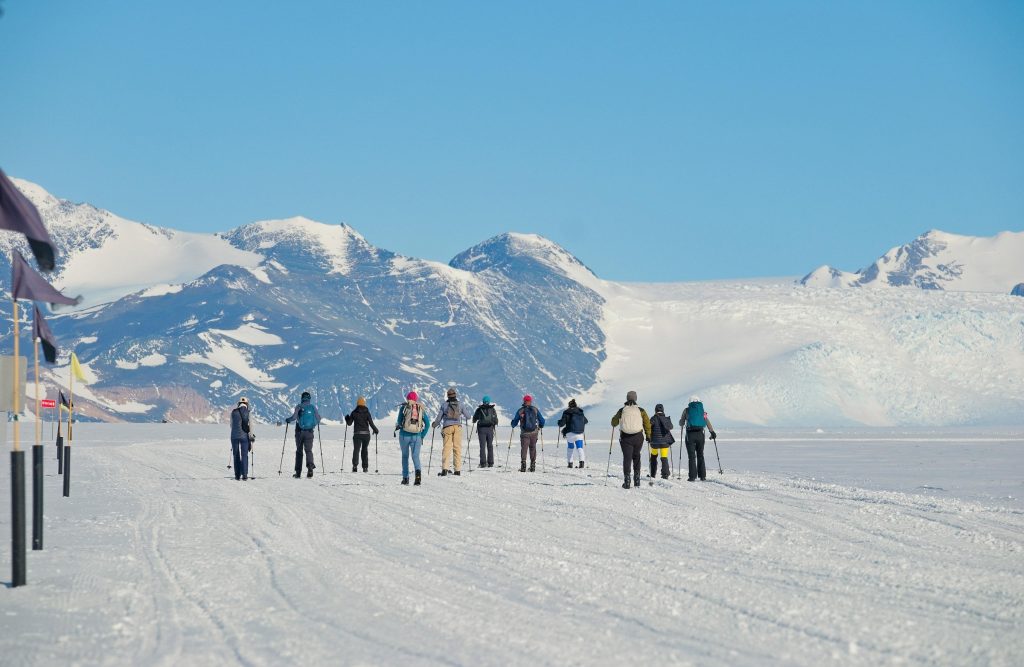
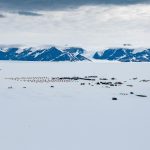
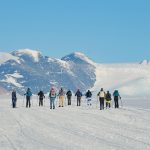
The expedition brought young leaders, educators and scientists to Union Glacier Camp, a research and logistics hub deep within Antarctica.
“Antarctica serves as a symbol of hope,” said Gee — who is a Waikōloa native and graduate of Kealakehe High School on the Big Island — in a release about his return and experience while in Antarctica. “That’s the way I’ve started to see it because in Antarctica, no one has any claim over any territory there. Everyone on Earth owns it. It’s one of those places that genuinely shows that we don’t need to go in, and we don’t need to find and exploit things for everything that they have.”
The expedition — led by polar explorer Robert Swan — centered on strengthening global awareness of Antarctica’s importance to Earth’s climate system.
Antarctica holds roughly 70% of the world’s freshwater in its ice sheets, according to Villars Institute, and the continent plays a critical role in regulating global temperatures, ocean circulation and sea levels.
One of the most striking observations for Gee came from the temperatures.
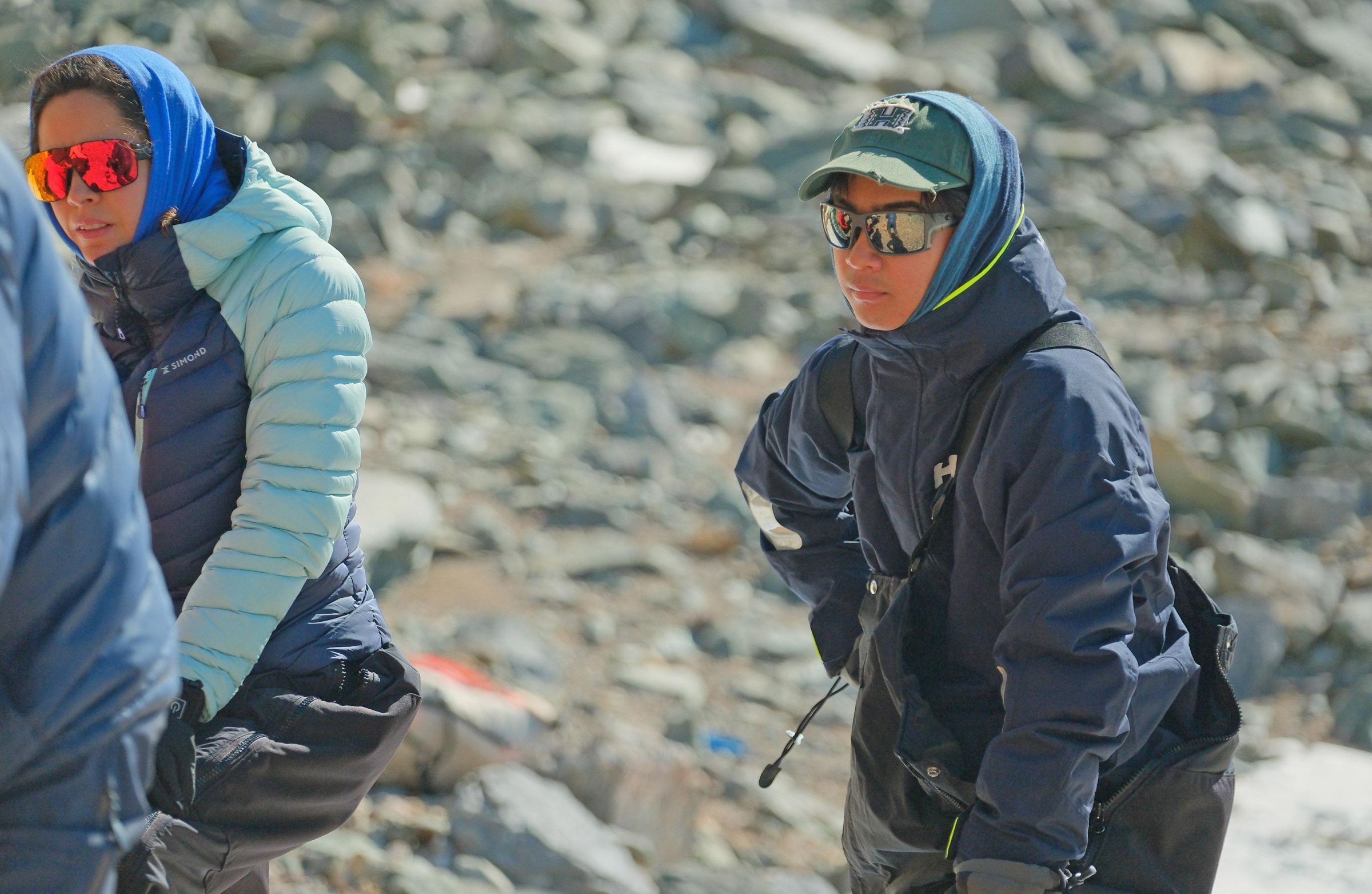
The team prepared for conditions near -10 degrees Fahrenheit. Instead, temperatures climbed to around 30 degrees on some days, underscoring the effects of a changing climate.
Gee also noted that a thinning ozone layer over Antarctica resulted in higher levels of ultraviolet radiation, requiring additional precautions by the team, as well as adapting to 24 hours of continuous sunlight during this time of year.
“You have to wear a specific amount of layers,” Gee said. “If you wear too many layers, you overheat and when you overheat you start to sweat. The moment you sweat, you’re not in a good spot because that sweat will very quickly drop your body temperature and I witnessed that the hard way on some of our excursions.”
Gee and the international team connected live with classrooms around the world throughout the mission, marking the first real-time educational broadcast from Antarctica.
Participants collaborated on scientific activities, including environmental DNA sampling, and tested renewable energy and storage systems designed to function in extreme polar conditions.
The work highlighted that research in Antarctica can be powered by renewable energy rather than fossil fuels.
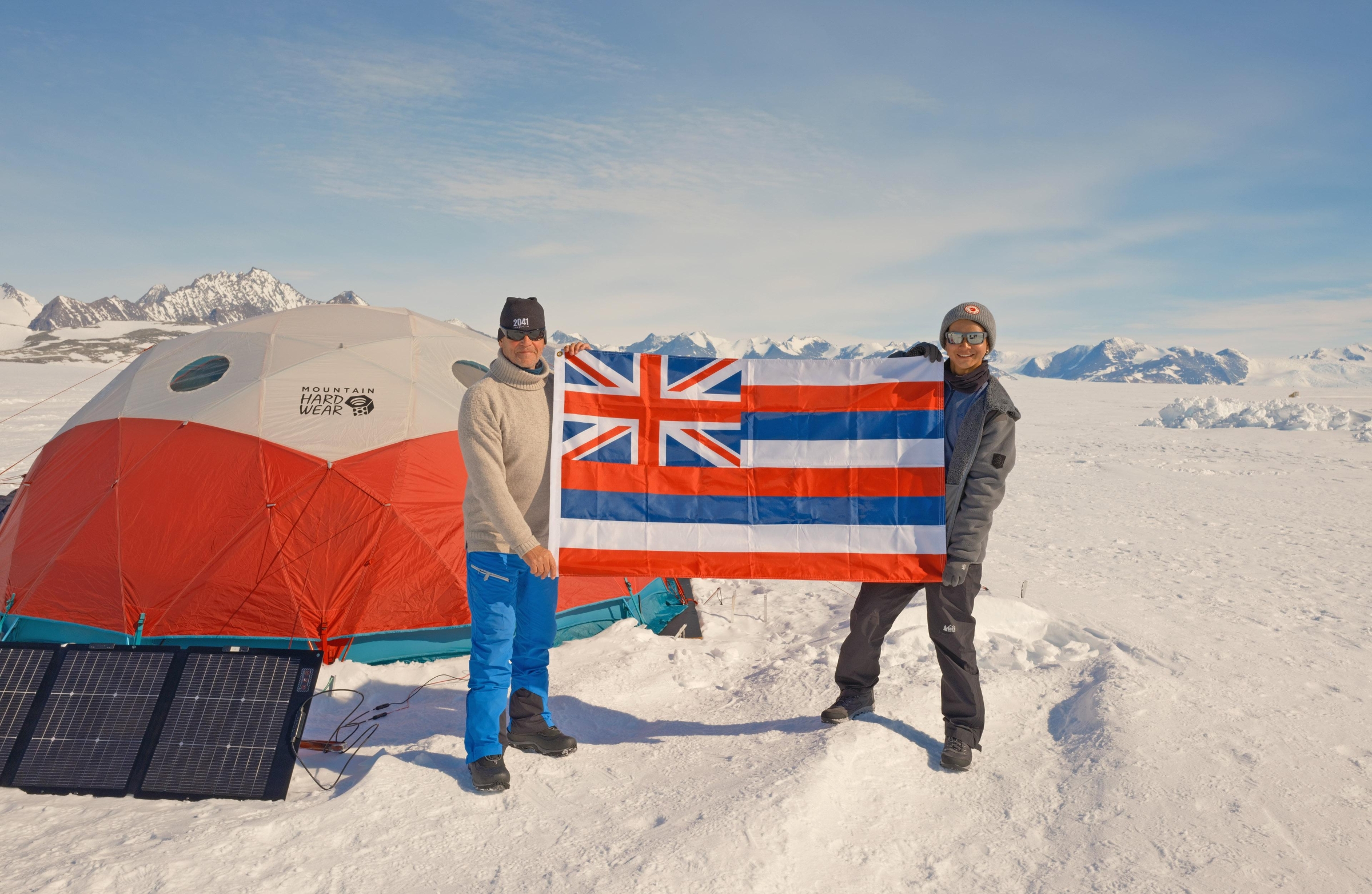
“I’ve always been passionate about learning how things within our world react and how renewable energy and environmental sustainability play a factor into our day-to-day lives,” Gee said. “My inspiration for that came from being on Hawaiʻi Island, and just seeing [how] the valleys of Waimea and Kawaihae used to be green when I was growing up, and serious drought turned them dark brown.”
A key focus of the expedition was the Antarctic Treaty, which designates the continent as a natural reserve devoted to scientific research, peace and prohibits mining and commercial exploitation.
Its environmental protections are at risk beginning in 2041, when the treaty is up for review, making international conversations and public awareness about preserving one of Earth’s last untouched areas all the more urgent.
Gee will begin sharing lessons from the expedition through school visits, community presentations and public outreach now that he’s back in Hawaiʻi, extending University of Hawaiʻi at Mānoa’s role in global climate education, youth leadership and environmental stewardship.
He recently founded a platform called “The Antarctic Diary,” to share his reflections from Antarctica as well as encourage other young people to share their story and establish mutual connections from around the globe.
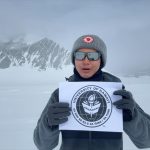
 Eric Pōmaikaʻi Gee, a University of Hawaiʻi at Mānoa sophomore, Waikōloa native and graduate of Kealakehe High School on the Big Island, recently returned from a 2-week expedition in Antarctica. (Photo Courtesy: University of Hawaiʻi)
- Photo Courtesy: University of Hawaiʻi
- Photo Courtesy: University of Hawaiʻi
- Photo Courtesy: University of Hawaiʻi
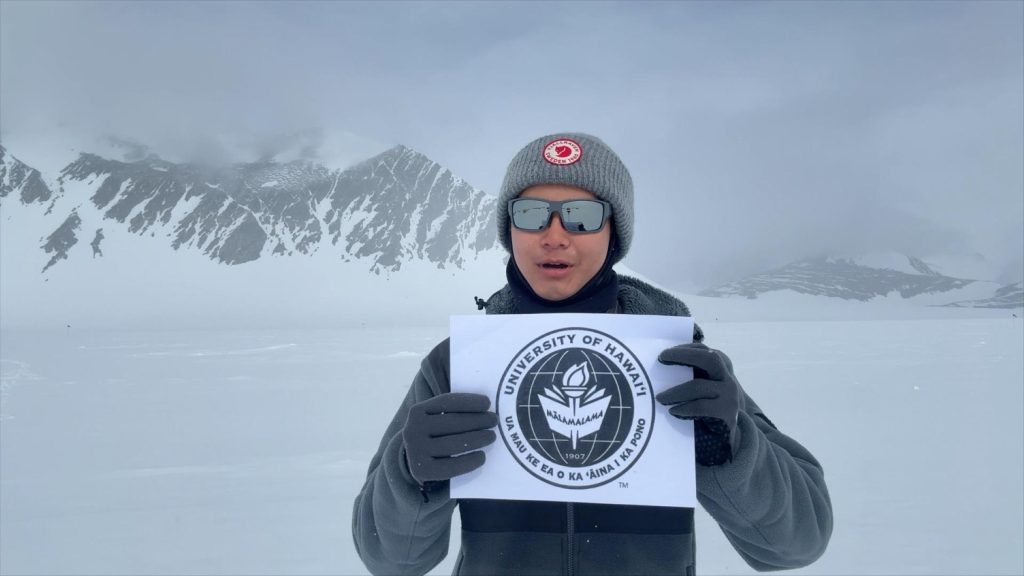

“I feel like as a young person and as young people, it is sometimes hard to feel like you really have an impact and that your voice can really hold meaning,” Gee said. “It can feel like you’re listened to but not heard, and I feel like that’s what I experienced my entire life.”
Gee launched @theantarcticdiary on Instagram and encourages young people to get involved.