

State agencies on alert after discovery of 3rd possible case of highly pathogenic bird flu
Three state agencies remain on alert after a third presumptive case of avian influenza — or bird flu — was found in a wild bird; this time in an endangered native duck on Kauaʻi.
Preliminary testing performed by the Hawaiʻi State Laboratory showed the bird was infected with an influenza A virus, though confirmation and subtype identification (e.g., H5N1) are pending further analysis by the National Veterinary Services Laboratories.
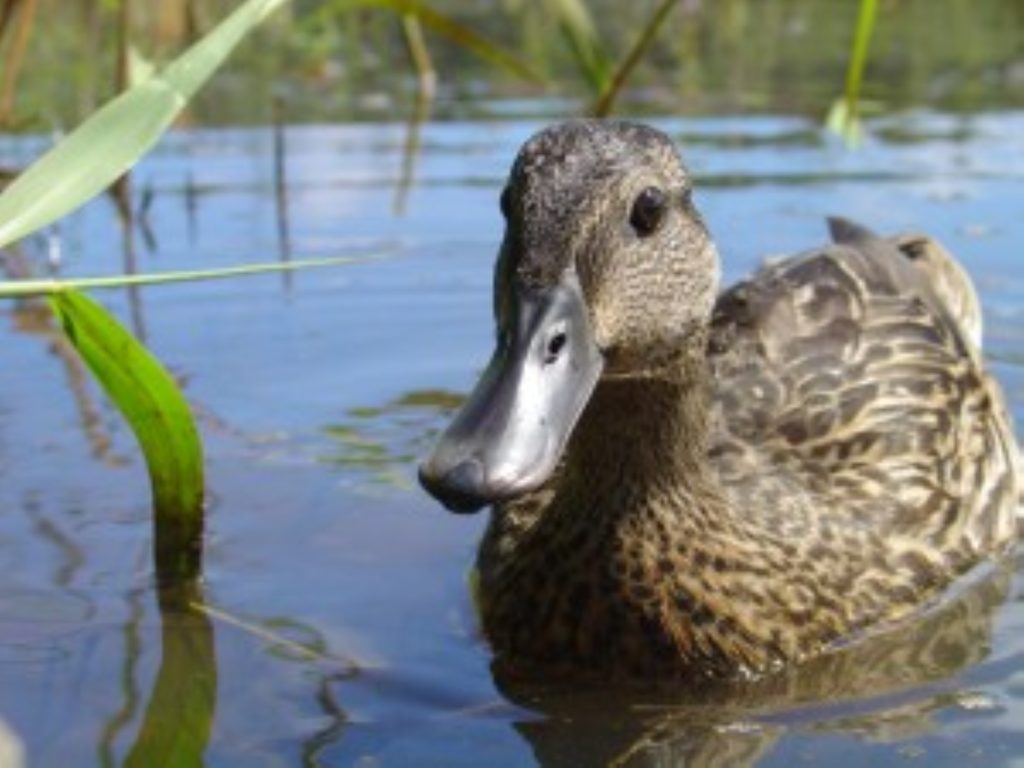
The koloa maoli, or Hawaiian duck, was found Nov. 26 sick at the U.S. Fish and Wildlife Service’s Hanalei National Wildlife Refuge on Kauaʻi.
The bird died within 24 hours.
This Kauaʻi detection is the first potential case in a native bird, likely introduced through infected migratory waterfowl.
The H5N1 bird flu virus is a highly infectious and often deadly subtype of influenza A that mainly affects birds. Human infections are rare but can occur with close contact.
First detection of H5N1 in Hawaiʻi’s was in November 2024 in a backyard flock on Oʻahu, followed by a hybrid duck found on Oʻahu’s North Shore. Two additional cases have been confirmed this year in migratory ducks — one on Oʻahu and one on Maui.
Hawaiʻi Departments of Health, Agriculture and Biosecurity and Land and Natural Resources continue coordinated monitoring of public health reports, poultry operations and wild bird populations for any signs of virus spread.
More birds traveling through the islands could carry avian diseases with migratory bird season underway. The public is advised to avoid touching or handling wild birds, especially waterfowl or shorebirds.
Other advice for people who encounter sick or dead birds, such as waterfowl, includes wearing gloves, minimizing contact and following biosecurity protocols if it is necessary to pick up a dead or capture a sick bird.
Contact the state Agriculture and Biosecurity Department Animal Industry Division to report multiple or unusual illnesses in poultry, livestock or other wild birds or animals.
Call 808-483-7100 from 7:45 a.m. to 4:30 p.m. Monday through Friday or 808-837-8092 during non-business hours and holidays. You can also send an email to DABIC@hawaii.gov.
About H5N1/avian influenza
H5N1 is an avian influenza virus that mainly affects birds; human infections are uncommon but can happen following close contact with infected birds.
The public risk in Hawaiʻi is low, so the state Department of Health does not recommend restricting outdoor activities.
Routine influenza vaccines in humans do not protect against H5N1; the best prevention is avoiding contact with sick or dead birds.
For more information: