

Early trial results of bird flu vaccine on Hawaiian monk seals leave researchers optimistic
Until late last year, the Hawaiian Islands had been free from the bird flu, also known as H5N1. But when a backyard flock of birds and a wild duck on Oʻahu had confirmed cases of the flu in November of 2024, marine mammal researchers reassessed their next steps for disease preparedness and decided to test the avian flu vaccine on two endangered Hawaiian monk seals.
The researches recently received good news that the seals, RU28 and RU99, showed no signs of a negative reaction from the vaccine, which was given to them this fall at the Marine Mammal Center Ke Kai Ola in Kailua-Kona.
“So far, those results have been encouraging,” said Sophie Whoriskey, the center’s Associate Director of Hawai‘i Conservation Medicine. “They kept right on eating, doing their normal seal things.”
Both seals had been rescued because they were separated too early from their mothers, leaving them underweight.
Whoriskey said the bird flu vaccine given to the seals is not experimental and has been conditionally licensed by the U.S. Department of Agriculture.
In partnership with the Marine Mammal Center and NOAA, the implementation of the bird flu vaccine in marine mammals was initially rolled out in July to a small group of elephant seals in California. Results revealed the marine mammals safely developed an antibody response.
And so far, all elephant seals being treated at the Marine Mammal Center in California have tested negative for the avian flu.
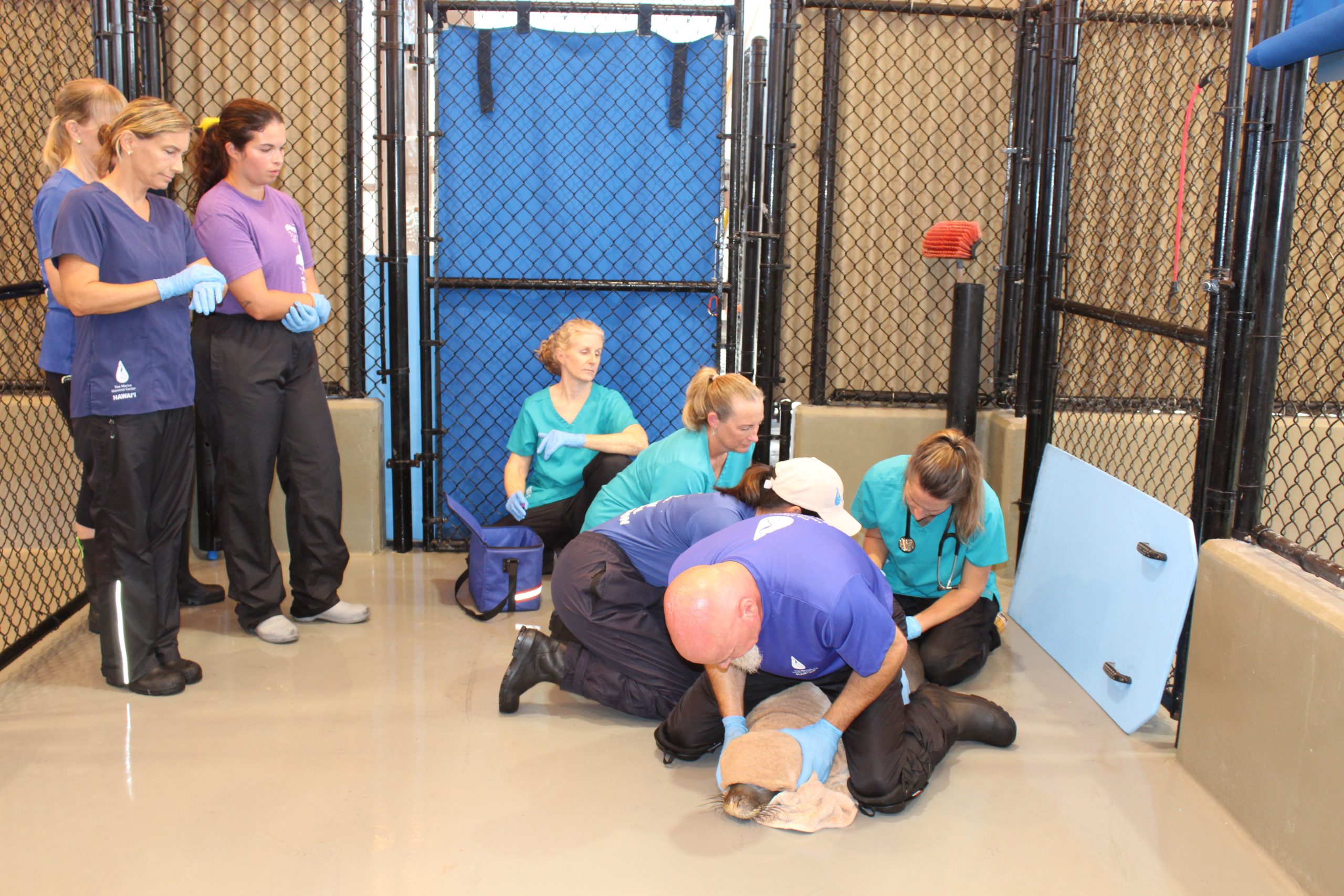
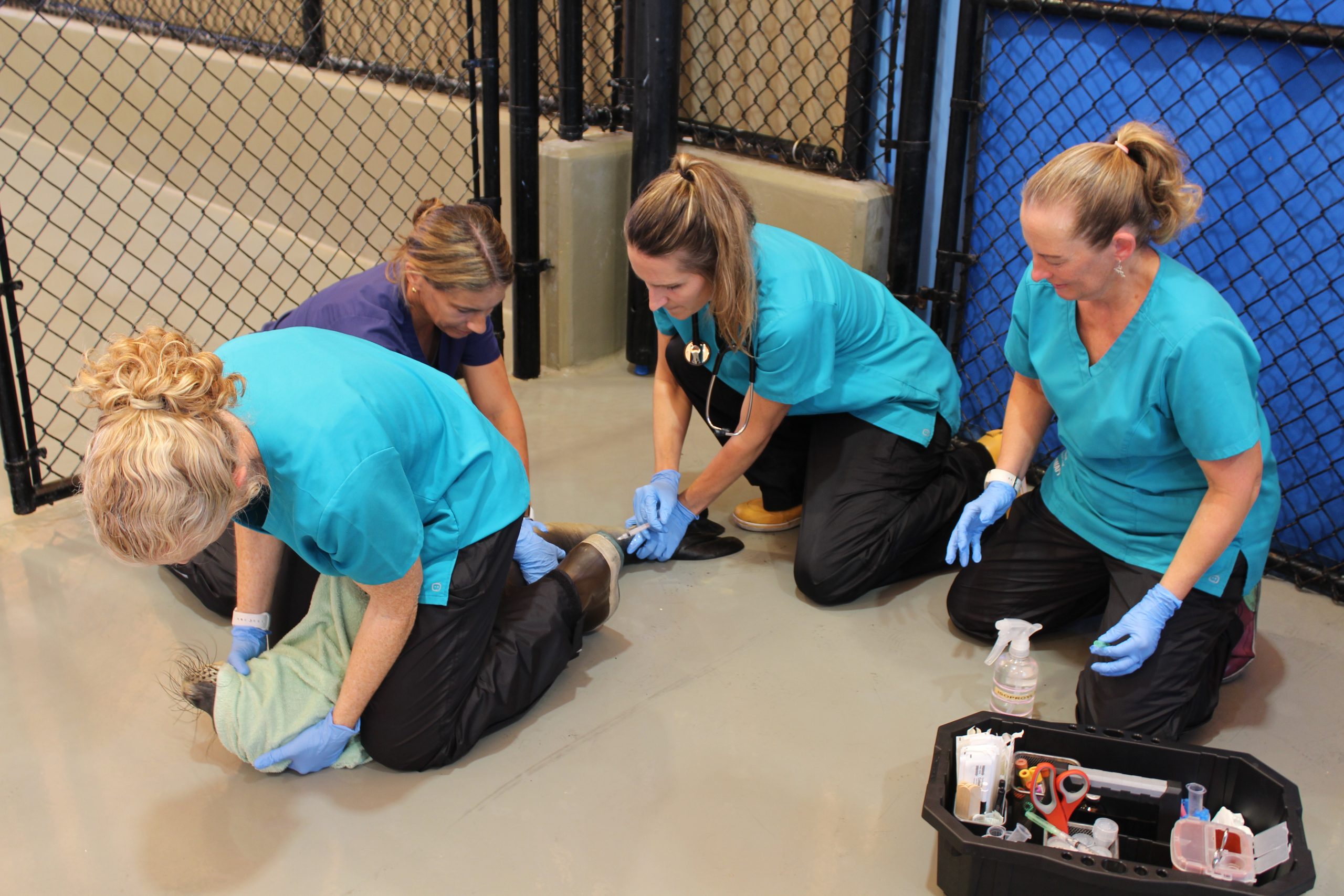
RU28 was given a first dose of the vaccine on Oct. 6 and a booster shot on Oct. 27. The animal was released with a satellite tag back to its home island on Kaua‘i the last week of November by a team from the National Oceanic and Atmospheric Administration, according to an email from Giancarlo Rulli, associate director of public relations at the Marine Mammal Center.
RU99 received its first dose on Nov. 10 and a booster on Dec. 1. RU99 remains at Ke Kai Ola with no solid release date. The team is waiting for the animal to gain a little more weight.
Blood samples from the two seals will be tested for their antibody response to the vaccine. Whoriskey said they will send those samples out early in the new year.
The avian flu virus already has had deadly results for marine mammals, with researchers discovering the deaths of more than 17,000 southern elephant seal pups in Argentina in 2023, according to the Marine Mammal Center’s website.
“The world is experiencing a rapidly spreading outbreak of H5N1, a highly contagious and deadly strain of avian influenza, or bird flu. As the virus jumps from species to species, from wild birds to domesticated birds and even to mammals, global biodiversity faces an existential threat,” the website said.
It is important to protect seals from the flu because they are ocean predators that are vital to maintaining balance in the ecosystem.
“Not only is the loss of each individual animal a tragedy, but recovery from drastic declines in populations like this can take decades and can pose serious risks to ocean health from further imbalance of ecosystems,” the website states.
With the arrival of the avian flu in Hawai‘i, especially with recent reports of a native duck on Kaua‘i dying from the virus, Whoriskey said it is concerning because Hawaiian monk seals do not have natural immunities.
“There is concern that it would cause more severe diseases,” Whoriskey said.
She added: “An infectious disease outbreak hasn’t happened before, but avian flu is spreading, and mortality in seabirds is rising.”
Seabirds share coastal spaces with Hawaiian monk seals, so it wouldn’t be difficult for the virus to spread.
There are only 1,600 Hawaiian monk seals left. A virus outbreak, Whoriskey said, could be potentially catastrophic.
Hawaiian monk seals already face a multitude of threats. Whoriskey said humans play an outside role with marine debris and accidental entanglements. But the animals also are susceptible to toxoplasmosis, a deadly virus spread through cat feces.
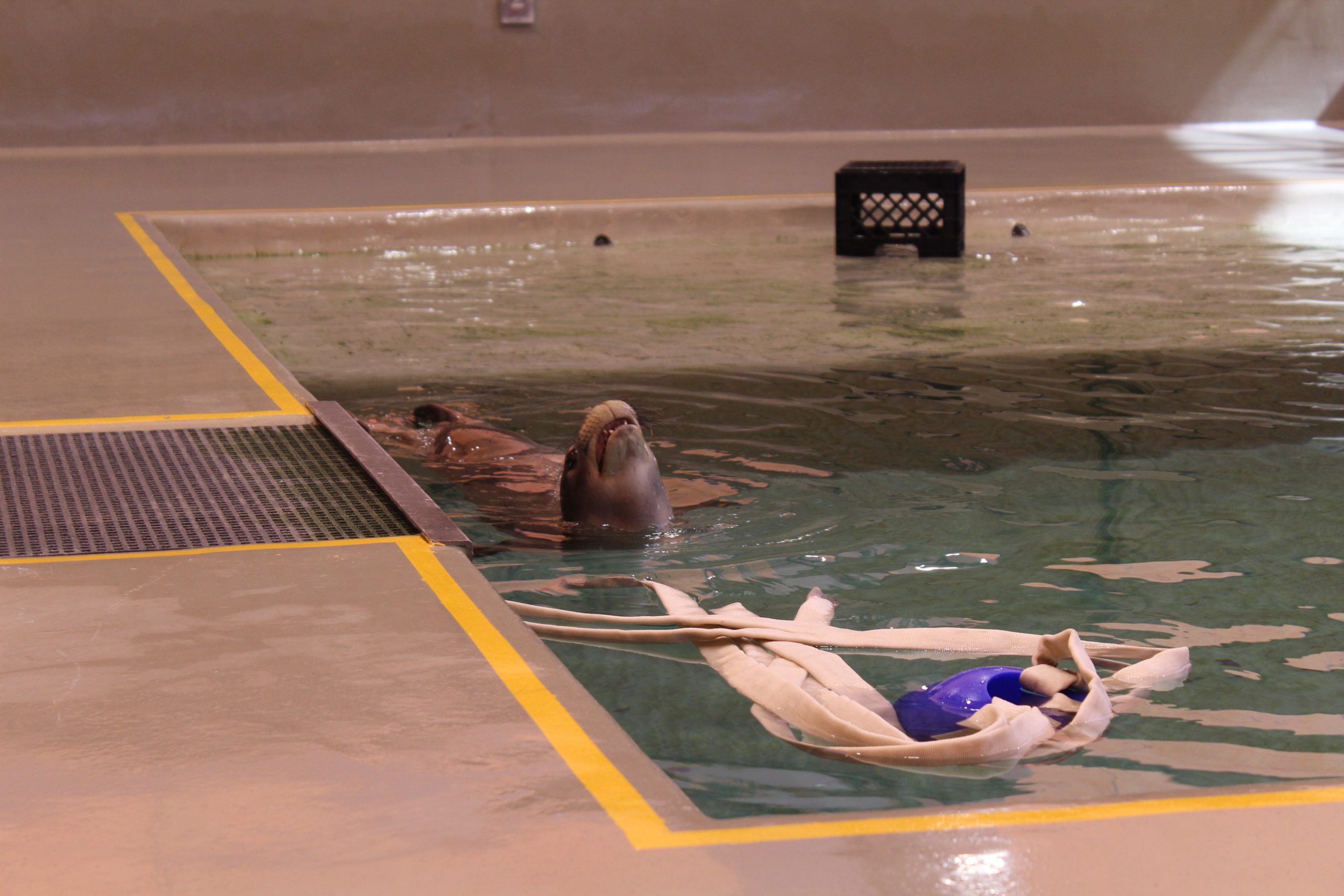
Vaccines are not new to Hawaiian monk seals. Whoriskey said the marine mammal center has been giving the endangered animals the morbillivirus vaccine since 2016, which includes immunity against measles and canine distemper.
Whoriskey said she’s seen social media comments from the public that have concerns about testing vaccines on a novel species. She assured that there was a lot of time and effort that went into it before the vaccines were administered.
So much of the debate around vaccines comes down to individual beliefs,” Whoriskey said. But she stressed the bird flu vaccine is a potential life-saving tool that is data driven.